
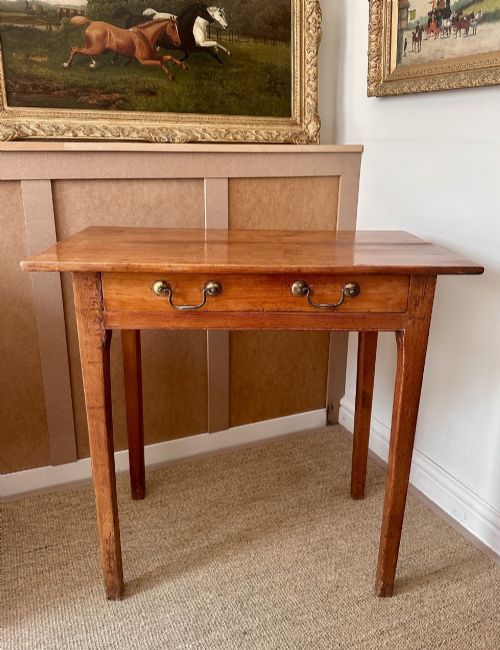
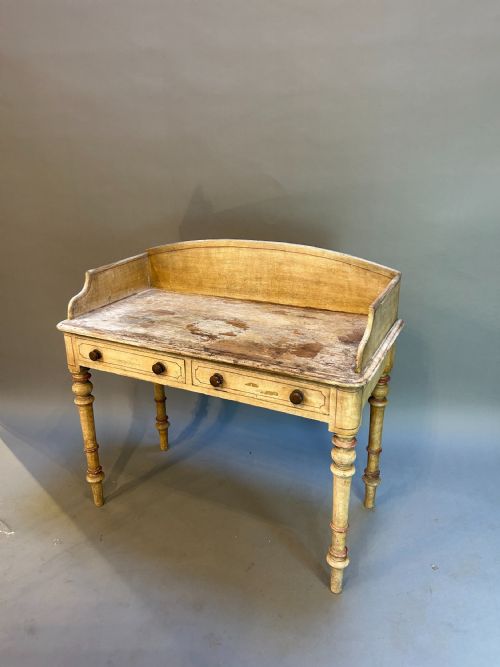
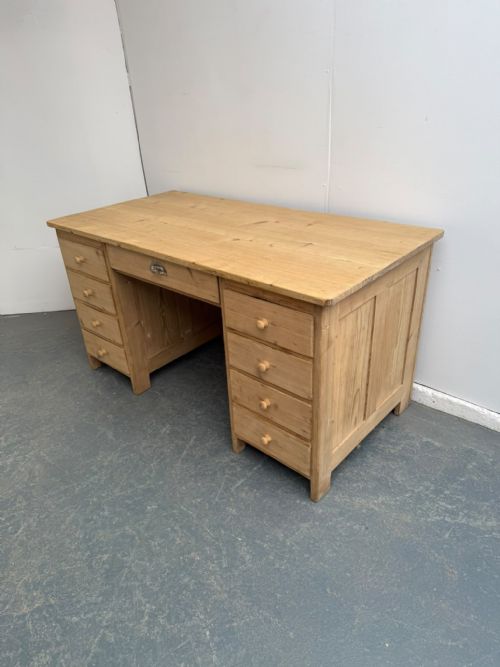
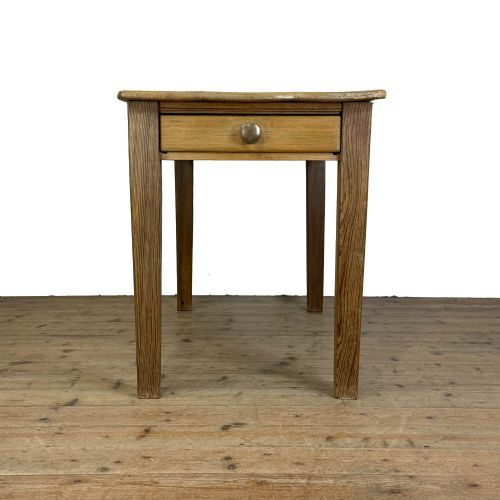
Vintage Pine Writing Desk
A vintage pine writing desk brings practical utility and simple character to a study, built from sturdy timbers that span the nineteenth and early twentieth centuries.
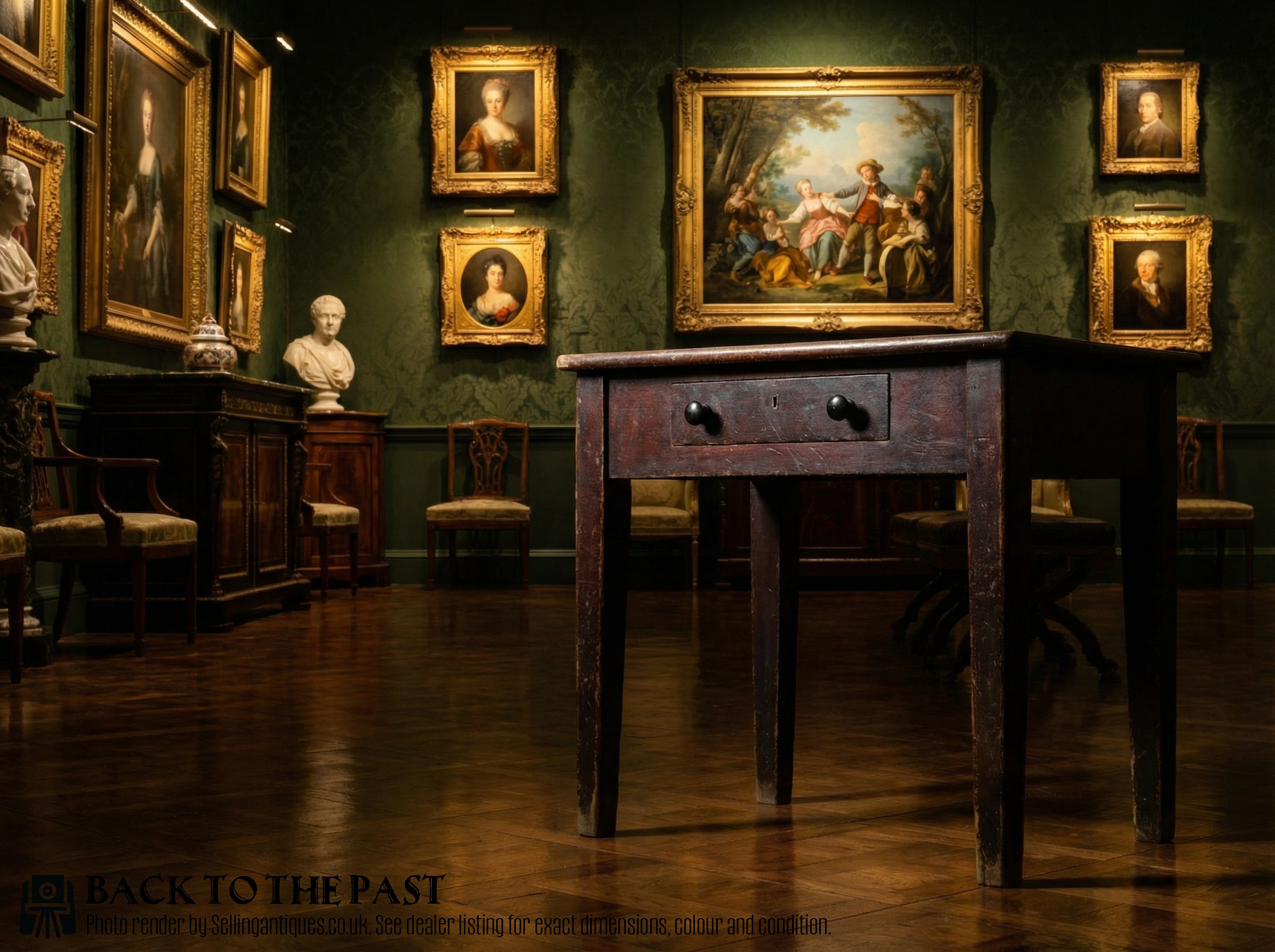
Vintage Pine Writing Desk
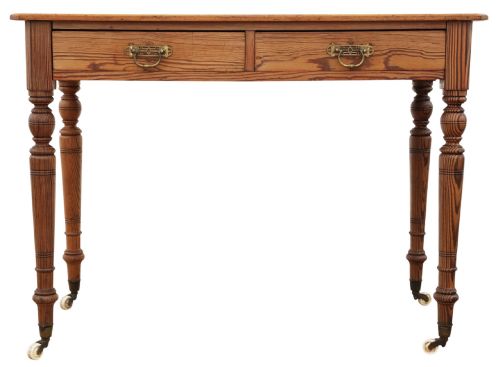
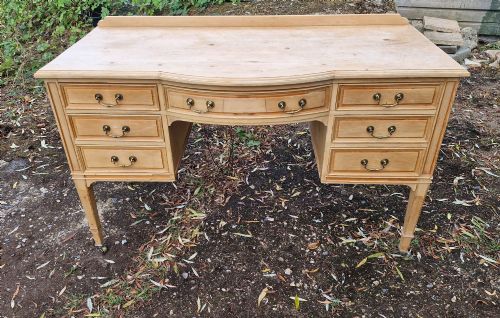
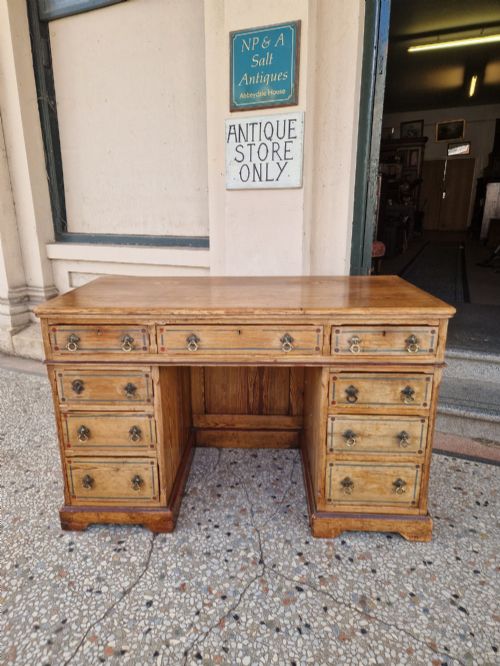
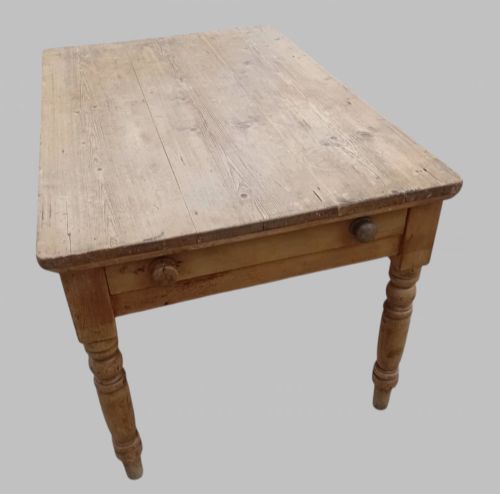
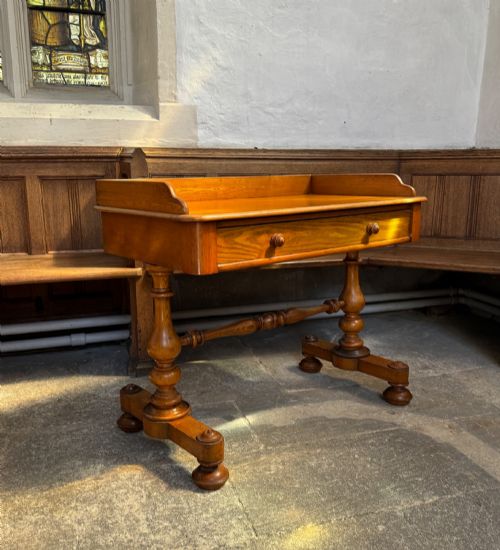
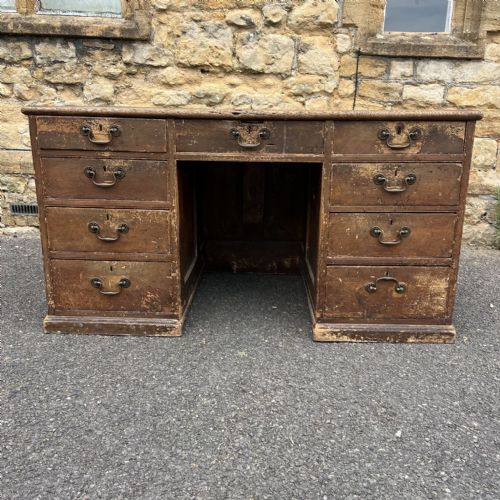
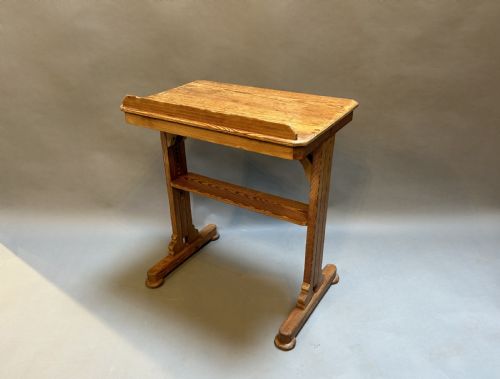
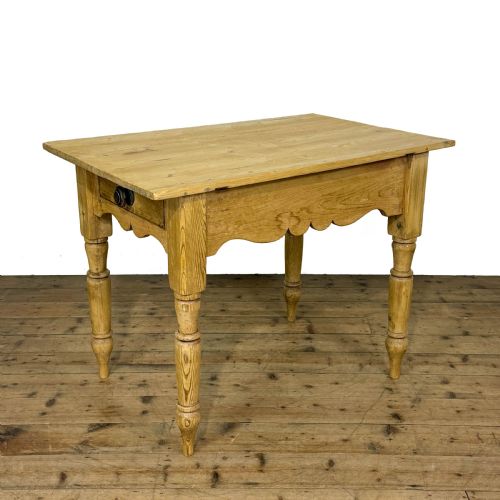
When you search for a vintage pine writing desk, you encounter utilitarian furniture designed for daily clerical work, correspondence, and study. The pieces appearing here range from compact Edwardian kneehole tables and school teacher's desks to larger Victorian pedestal partners desks and ecclesiastical pitch pine variants.
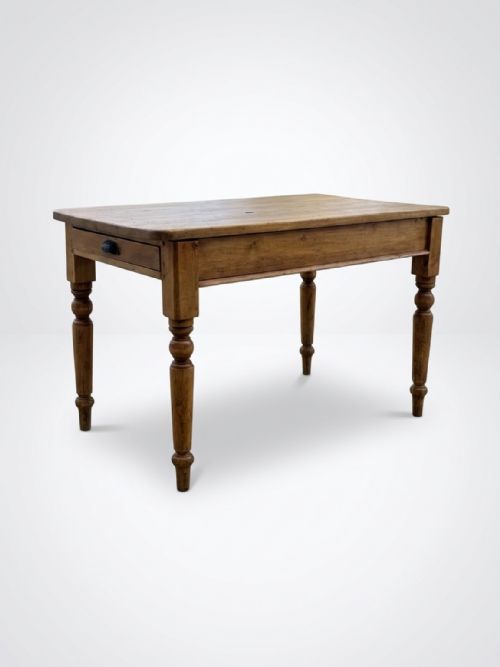
The selection leans heavily toward nineteenth-century and early twentieth-century examples shaped by vernacular traditions. Alongside standard kneehole forms, you find related formats such as scrub-top tables, bureaus with writing slopes, and lectern tables that served administrative or domestic roles.
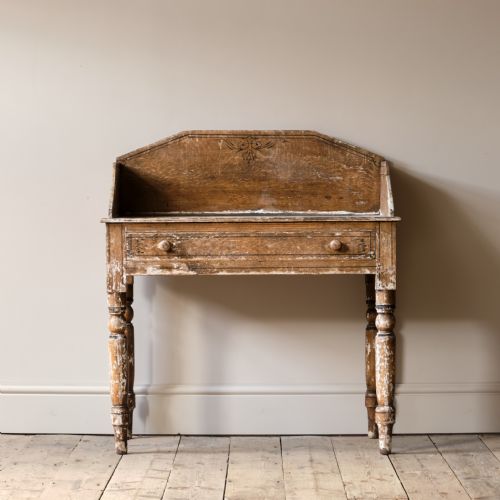
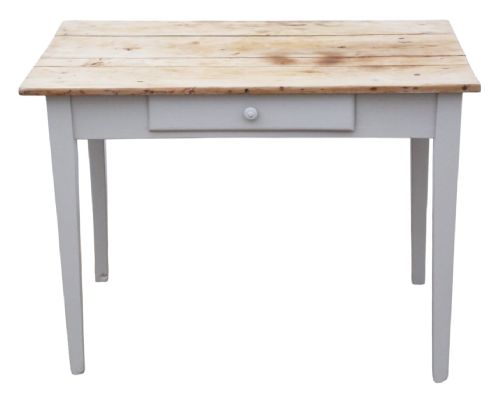
Origins stretch across English, French, and Scandinavian workshops, bringing distinct regional interpretations to the timber. Whether finished in clear wax, scraped paint, or left with scrubbed surfaces, these pieces prioritise functional workspace over elaborate ornamentation.
Materials and construction methods
Makers relied primarily on solid pine and denser pitch pine for the main carcass, framing, and surfaces, occasionally pairing them with oak for internal drawer linings. Metal hardware typically consists of brass handles, iron brackets, and simple fastening mechanisms.
Surface treatments recorded in the evidence include traditional clear wax finishes, original or scraped paint, and scrubbed tabletops designed for daily scrubbing in domestic and institutional settings. Joinery techniques focus on sturdy structural longevity rather than concealed decorative veneering.
What separates grades of quality
Quality in these desks rests on the structural integrity of the timber and the retention of original surface treatments. Pieces featuring dense pitch pine, intact original paint, or documented provenance sit at a different level from heavily altered examples.
Proportion and scale also dictate worth, as neat kneehole configurations and large pedestal partners desks demand more sophisticated carpentry than standard side tables adapted for writing use.
The Vintage Pine Writing Desk Glossary
- Pitch pine
- A resinous North American pine species valued for its durability and prominent grain patterns. It frequently appears in heavy institutional and ecclesiastical writing tables.
- Kneehole desk
- A writing table featuring a central recess for the user's legs, flanked by pedestals of drawers on both sides. This form became standard for domestic and office administration during the Victorian era.
- Scrub-top
- A solid wooden tabletop left bare and cleanable through repeated scrubbing with soap and water. It is a common feature on kitchen and work tables adapted for writing.
- Secretaire
- A cabinet or bureau incorporating a pull-down or sloping front that reveals a writing surface and small pigeonholes. These items combine storage cabinetry with dedicated desk space.
Vintage Pine Writing Desk: Frequently Asked Questions
What periods do these writing desks cover?
The pieces span the nineteenth century through the Edwardian period and into the early twentieth century. This includes Victorian styles, specific dates around eighteen-eighty to nineteen-ten, and early twentieth-century examples.
Craftsmanship reflects the prevailing utilitarian standards of those decades, ranging from farmhouse workshop pieces to institutional chapel and school furniture.
How do I distinguish a kneehole desk?
A kneehole desk provides an open central space underneath the desktop for sitting comfortably. Stacks of drawers flank this opening on either side, creating a structured workspace.
This configuration separates standard flat tables from dedicated pedestals designed specifically for prolonged clerical tasks.
Were these desks painted originally?
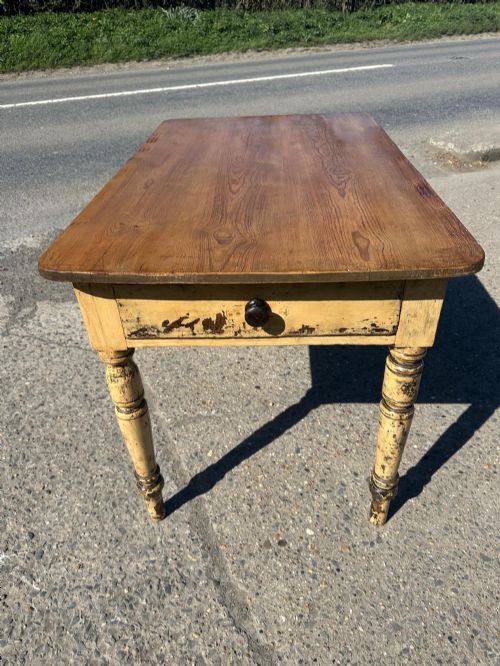
Many pine desks received coats of paint during the nineteenth and early twentieth centuries, particularly in Scandinavian and farmhouse traditions. Surviving examples often retain scraped paintwork or original pigmented surfaces.
Other pieces were left plain to show the natural grain, or waxed later in their working lives to protect the softwood.
How were pitch pine tables used?
Pitch pine saw extensive use in demanding environments such as schools, chapels, and estate offices. Its dense composition made it resistant to heavy daily wear.
Consequently, writing tables and lecterns built from this material often carry the robust proportions typical of institutional furniture.