




Victorian Rustic Work Table
A victorian rustic work table brings practical nineteenth century utility and honest timber into daily domestic spaces.
Victorian Rustic Work Table
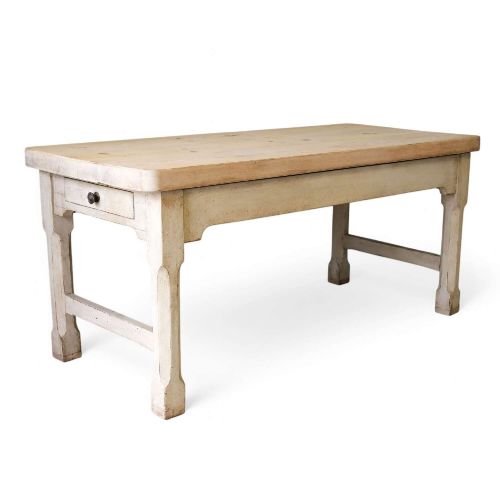
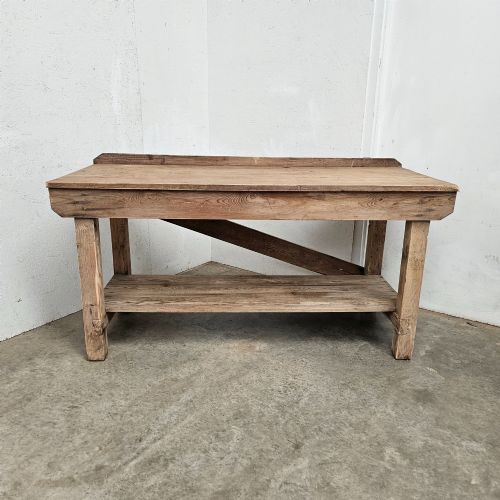
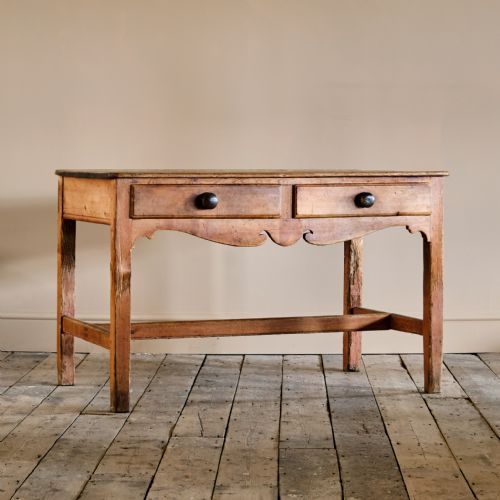
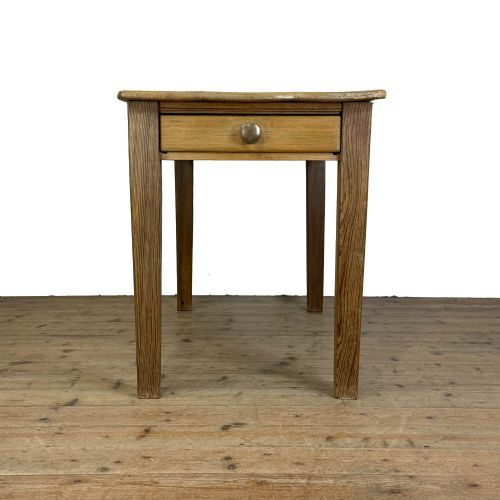
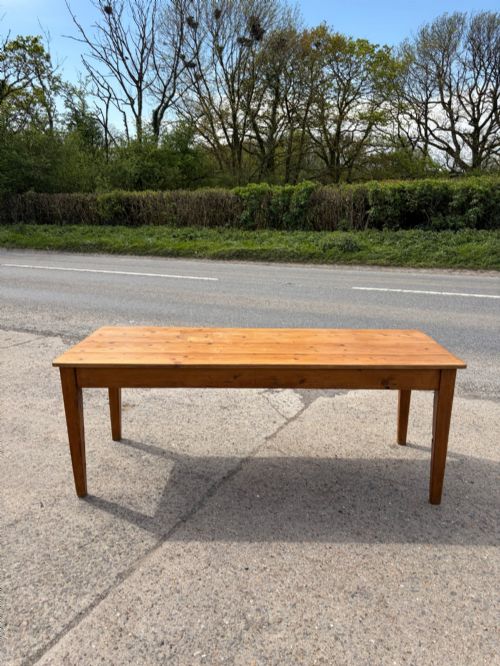
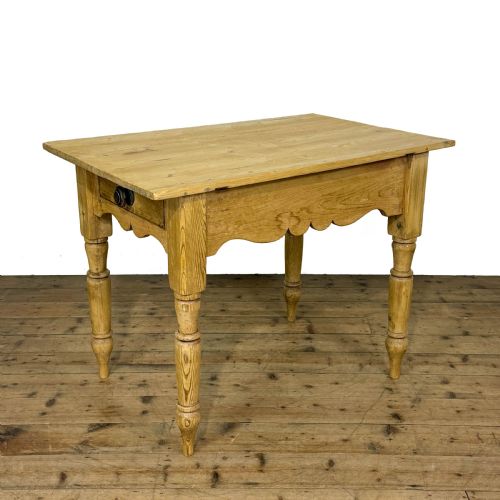
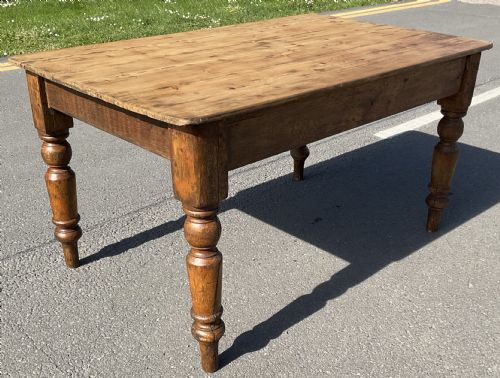
A victorian rustic work table encompasses functional nineteenth century tables designed for dairies, kitchens, and country house preparation rooms. Buyers searching for a victorian rustic work table will frequently encounter nineteenth century pine kitchen tables, dairy tables, and prep tables shaped by utilitarian demands.
The forms span straightforward kitchen and dining tables alongside specialised potting tables, side tables, and chapel tables. Origins range from English country houses and Scottish workshops to French and Italian settings.
Most examples rely on solid pine construction, often accompanied by original painted surfaces or later applied paint finishes. Occasional pieces incorporate wrought iron, brass, or oak to meet heavier structural requirements.
Materials and Construction
Construction relies heavily on solid pine boards assembled for hard daily service in domestic and estate environments. Joinery is straightforward and robust, prioritizing utility over elaborate ornamentation.
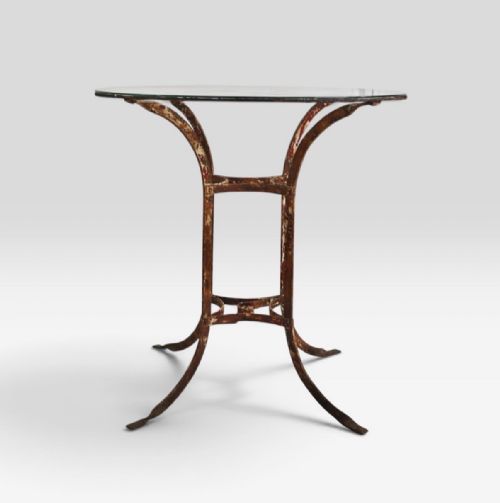
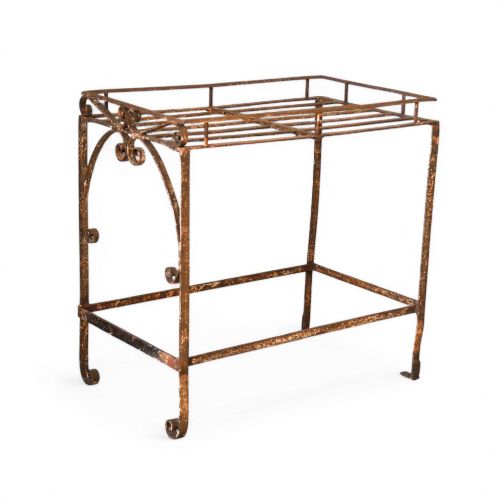
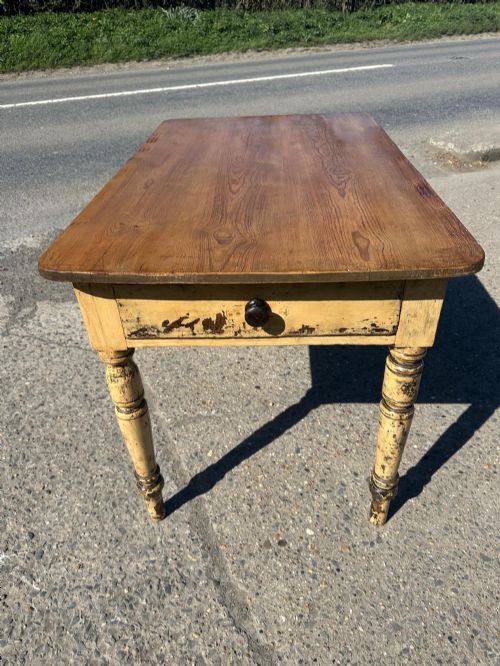
Surfaces frequently display the marks of active use, supplemented by original paint or later applied coats on legs and friezes. Wrought iron and metal elements appear where extra reinforcement is required for garden or estate tasks.
Current listings feature nineteenth-century pine, oak, and wrought iron shaped into kitchen, prep, dairy, and garden tables.
Assessing Quality and Character
Quality rests in the integrity of the timber and the honesty of the surface wear rather than smooth perfection. Tables retaining original paint finishes on their legs and friezes command particular interest.
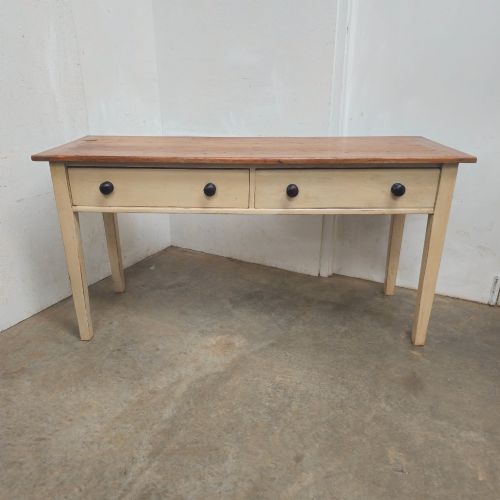
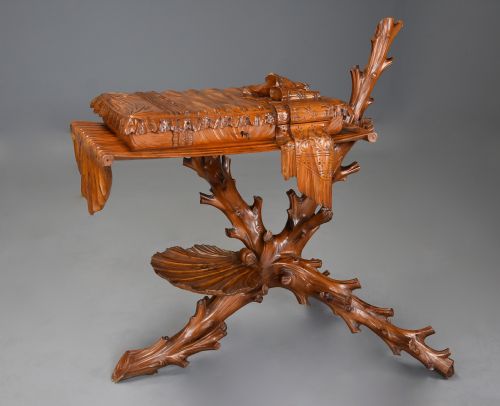
Proportion and structural soundness distinguish standard utilitarian items from finer estate pieces, such as finely carved grotto tables or substantial prep surfaces with integrated drawers.
The Victorian Rustic Work Table Glossary
- Dairy table
- A functional nineteenth century table utilised for milk processing and cheese making, usually featuring a scrubbed pine top. These pieces often display slatted undershelves for drainage.
- Prep table
- A heavy utilitarian table designed for food preparation in large country house kitchens or sculleries. They prioritize sturdy timber construction and ample working space.
- Frieze
- The horizontal band running directly beneath the table top, which frequently houses a single storage drawer in these examples. Drawer construction details help indicate age and origin.
- Grotto table
- A decorative nineteenth century table influenced by naturalistic shell and rockwork motifs, occasionally executed in carved pine. These pieces lean toward ornamental estate use rather than heavy labour.
Victorian Rustic Work Table: Frequently Asked Questions
What is a rustic work table?
A rustic work table is a nineteenth century utility piece built from solid pine or oak for heavy tasks in kitchens, dairies, and gardens.
These tables prioritize sturdy construction and practical surfaces over decorative polish, reflecting their origins in working country environments.
Where were these tables used?
They served in domestic kitchens, country house prep rooms, dairies, schools, and estate gardens across Britain and Europe.
Each environment shaped the form, from simple pine boards for food preparation to wrought iron for outdoor exposure.
How do I care for pine tables?
Maintain the timber by avoiding excessive moisture and cleaning gently with a dry or lightly dampened cloth.
Preserve original painted surfaces by keeping the tables away from direct heat sources and strong chemical cleaners.
How are periods identified?
Periods are determined through construction methods, timber patination, and tool marks left by nineteenth century makers.
Original paint layers and specific regional forms also offer reliable clues to dating.