
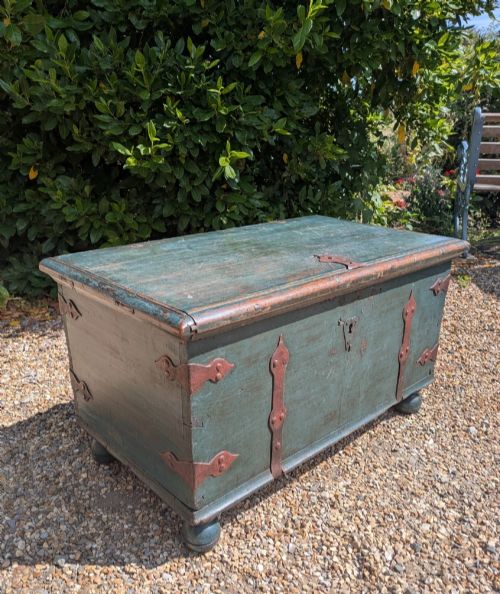
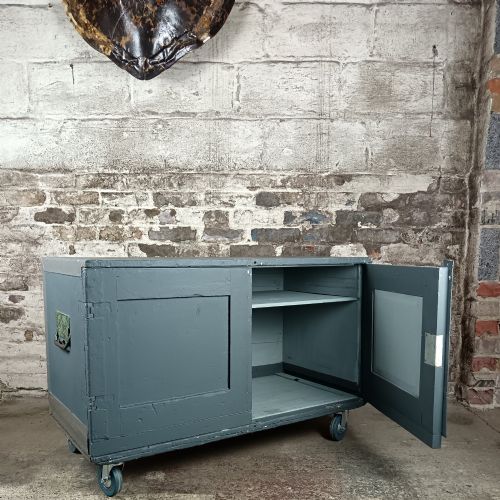

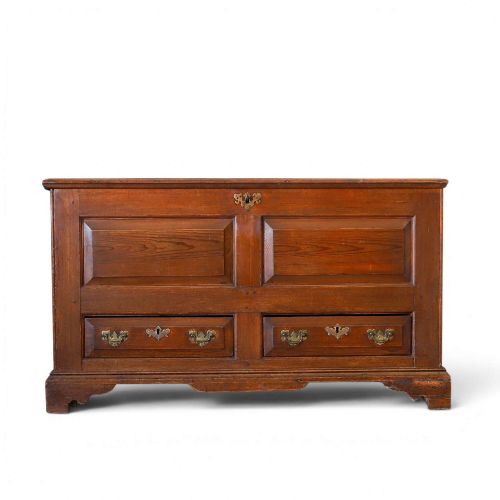
Vintage Pine Storage Box
A vintage pine storage box is a utilitarian vessel built to hold household goods, and you want one for honest, rugged charm.
Vintage Pine Storage Box
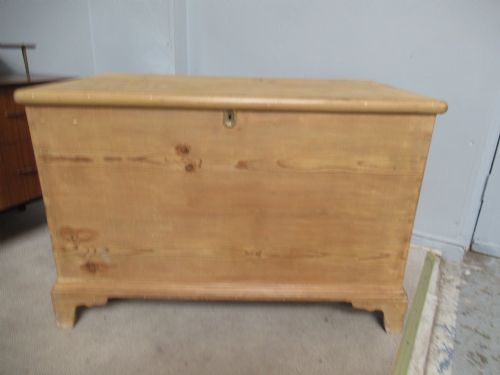
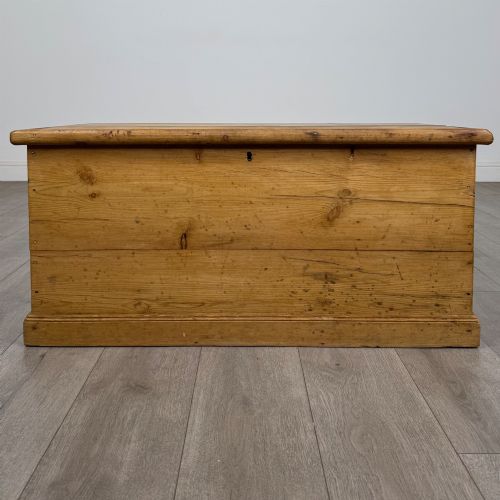
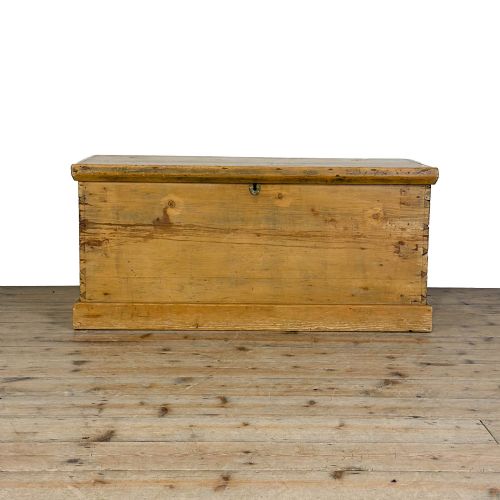
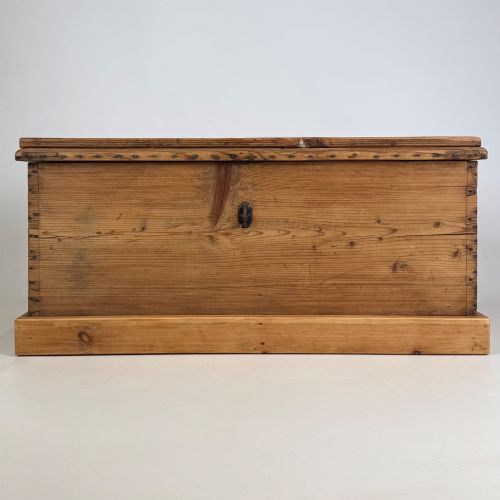
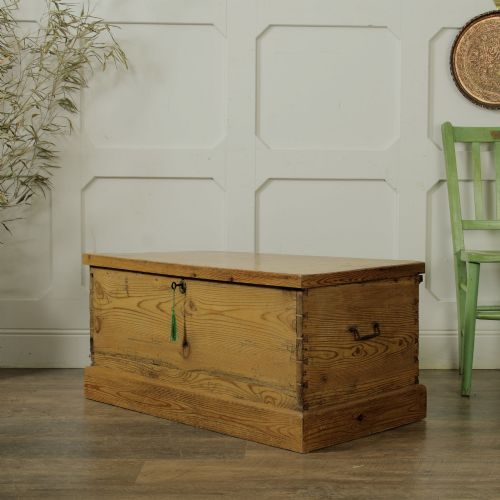
A vintage pine storage box encompasses robust utilitarian forms such as blanket boxes, travel trunks, tool chests, and marriage chests. You are most likely to encounter Victorian and nineteenth-century examples alongside earlier eighteenth-century pieces.
The objects serve practical storage needs through hinged lids and deep interiors. Many retain internal compartments or drawers designed for specific tools, games, or textiles.
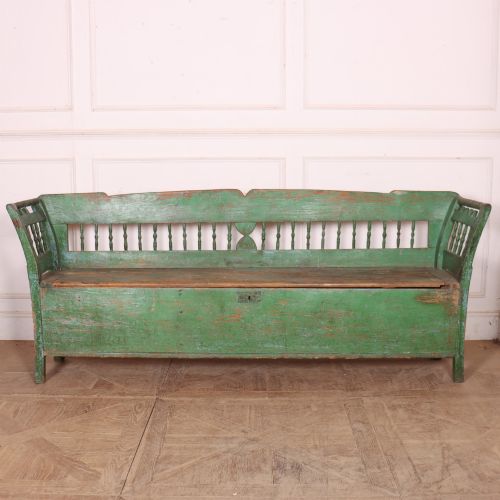
Origins span British workshops, Scandinavian farms, and Hungarian households, reflecting diverse regional construction traditions from rustic country to industrial utility.
How they were made
Construction relies heavily on standard pine and pitch pine, occasionally augmented by elm or Oregon pine, shaped into solid board chests. Joinery is reinforced for heavy transport and daily household use.
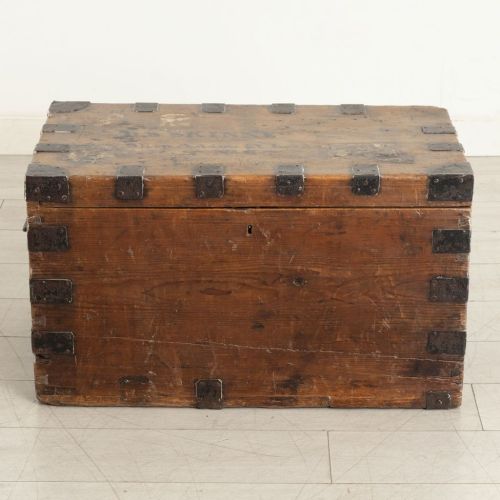
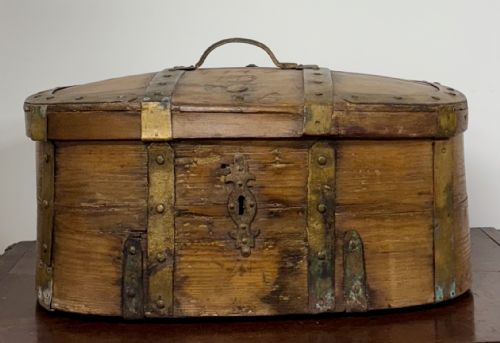
Hardware consists of hand-forged iron strapwork, brass bounds, and metal hinges that secure corners and lids. Surfaces receive finishes of pigmented paint, scumble glaze, or wax over natural wood.
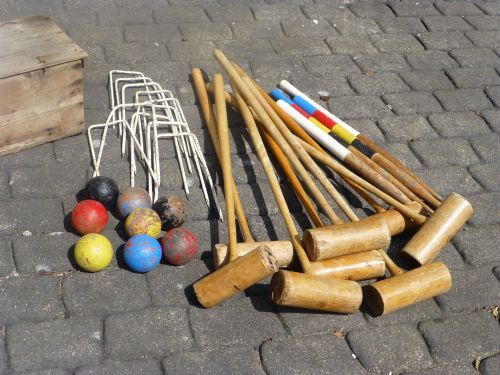
One surviving pine box once carried a complete eight-player croquet set.
What varies in quality
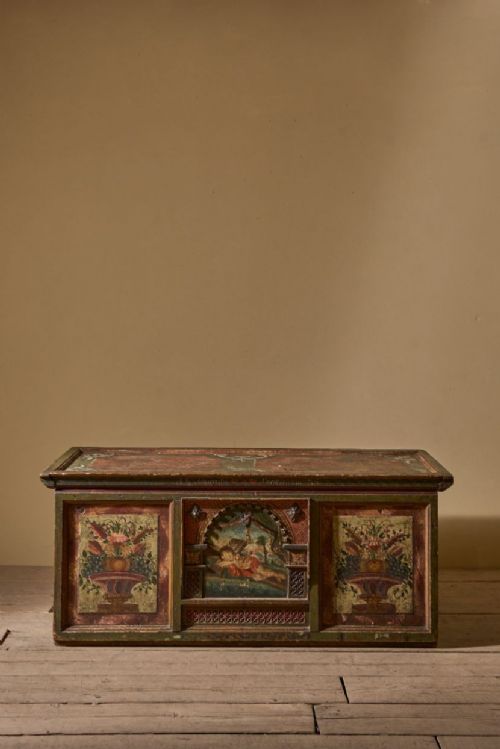
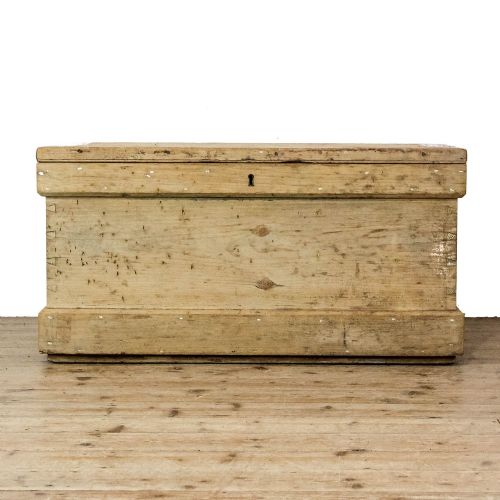
Quality rests in the survival of original decorative surfaces, such as early paintwork, scumble effects, or rich patination on waxed timber. Plain stripped examples differ from those retaining authentic folk art or regional Hungarian and Scandinavian pigment.
Structural integrity depends on the retention of original hand-forged iron strapwork, brass mounts, and internal fitments like till boxes and drawers. Pieces carrying military campaign history or specific provenance command distinct interest.
The Vintage Pine Storage Box Glossary
- Blanket box
- A large chest traditionally used for storing woolen bedding and textiles. These often feature simple rectangular proportions and hinged lids.
- Scumble pine
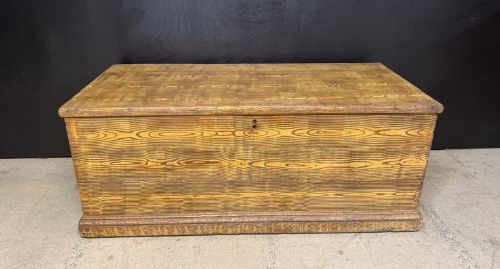
- Pine treated with a translucent glaze layer manipulated with combs or brushes to imitate denser hardwood grains. This decorative technique appears frequently on nineteenth-century painted trunks.
- Pitch pine
- A resinous pine variety noted for its dense grain structure and durability. It was frequently utilised for heavy-duty travel trunks and commercial chests.
- Strapwork
- Flat strips of metal, usually iron, applied to reinforce the corners and joints of a box. Hand-forged examples provide both structural strength and decorative contrast.
- Coffer
- A heavy chest traditionally used for holding valuables or documents. These deep receptacles often exhibit older construction methods dating back to the eighteenth century.
Vintage Pine Storage Box: Frequently Asked Questions
What were vintage pine storage boxes used for?
These boxes served practical domestic and travel roles, holding household blankets, personal garments, tools, and valuable documents.
Many were built specifically for transport as campaign trunks or trade chests, while others remained stationary in farmhouses and workshops.
How do I date an antique pine box?
Dating relies on examining construction marks, hardware types, and timber characteristics. Hand-forged iron strapwork and early paint finishes point towards the eighteenth or early nineteenth centuries.
Later Victorian and Edwardian examples often display machine-sawn boards, brass bindings, or standardised campaign hardware.
Are painted pine trunks original?
Many trunks retain original historic paint finishes, including folk art motifs, scumble glazes, or regional European decoration. Pigment analysis and surface wear help distinguish authentic old paint from later decorative coatings.
Unpainted pieces were often stripped down to bare timber during later restorations.
How do I care for waxed pine furniture?
Maintain waxed pine surfaces by applying a traditional beeswax polish to nourish the dry timber. Avoid placing these boxes in direct sunlight or near heat sources to prevent the wood from splitting.