

Vintage Pine Press
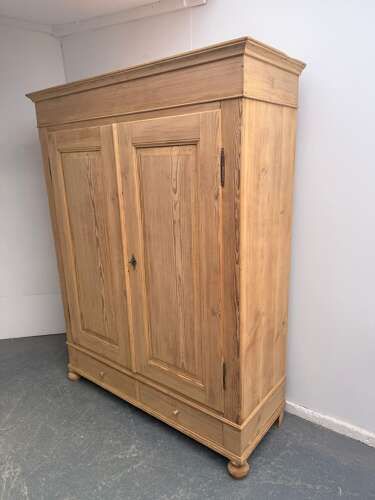
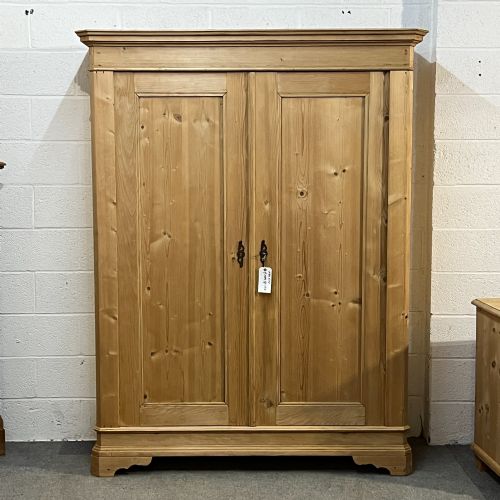
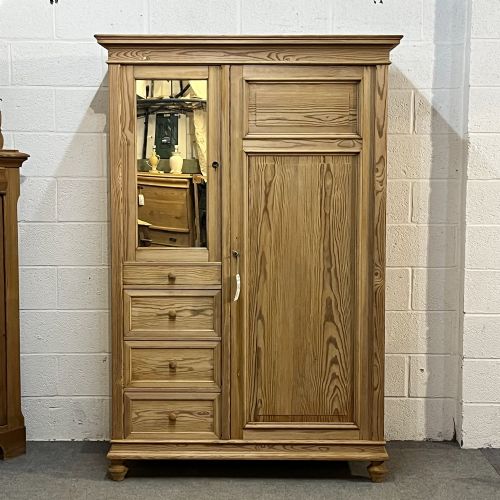
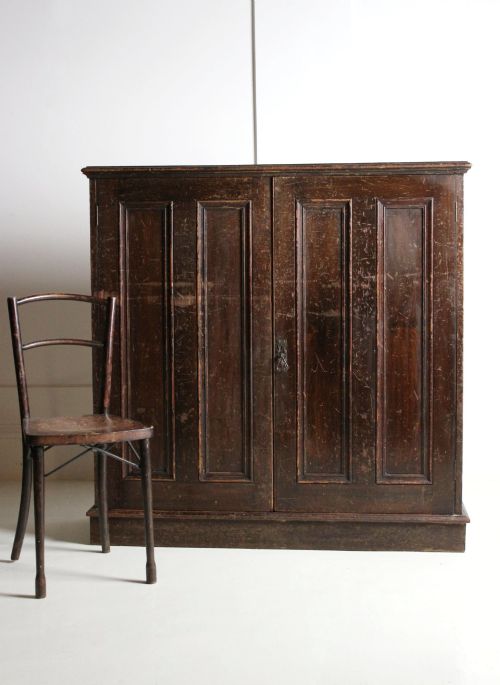
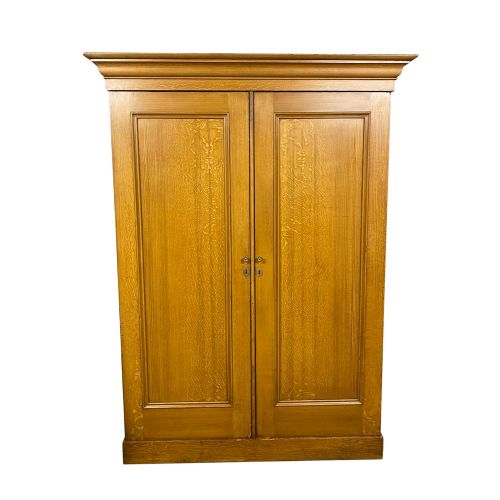
A vintage pine press provides sturdy domestic storage, combining utilitarian proportions with the warm grain and painted surfaces characteristic of country furniture.
Vintage Pine Press
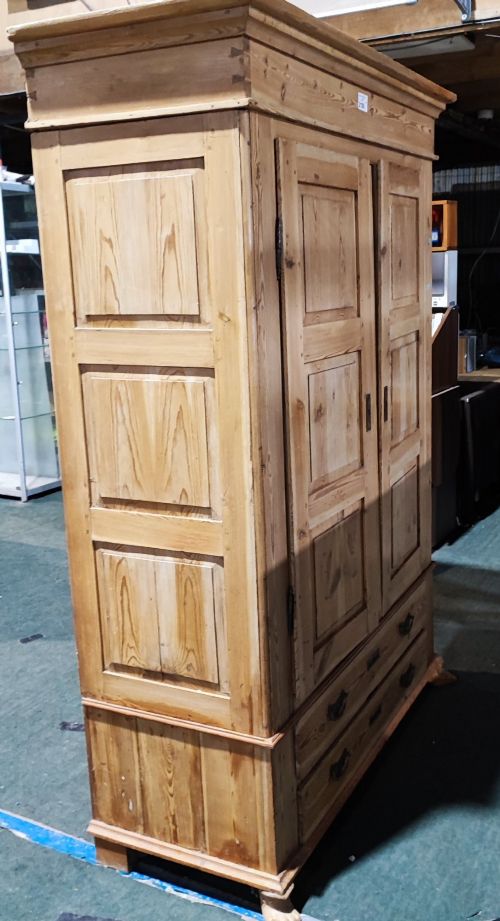
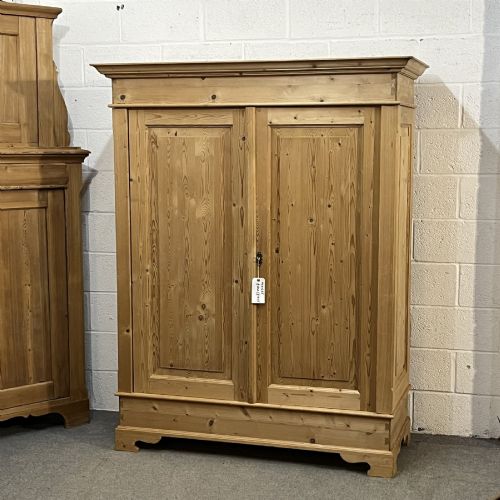
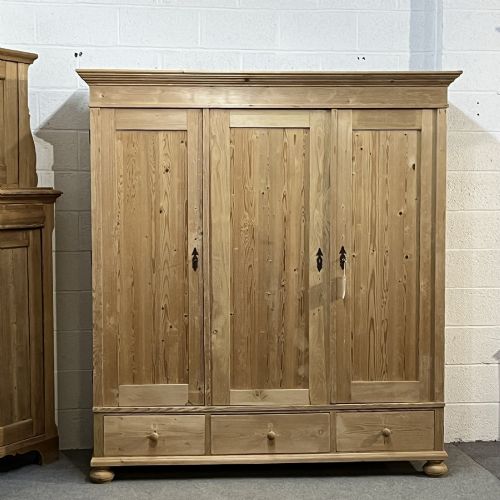
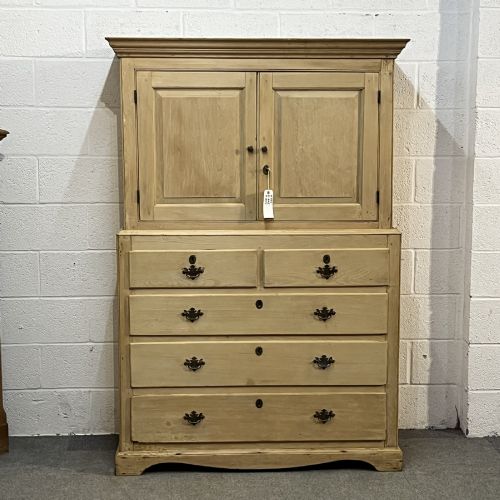
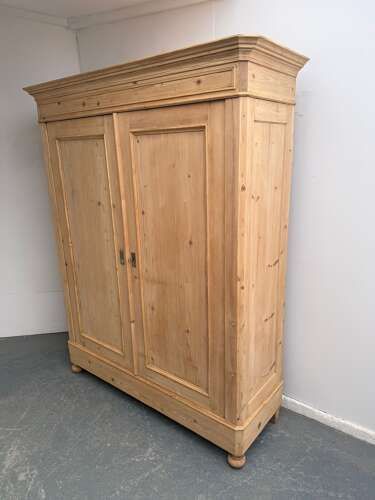
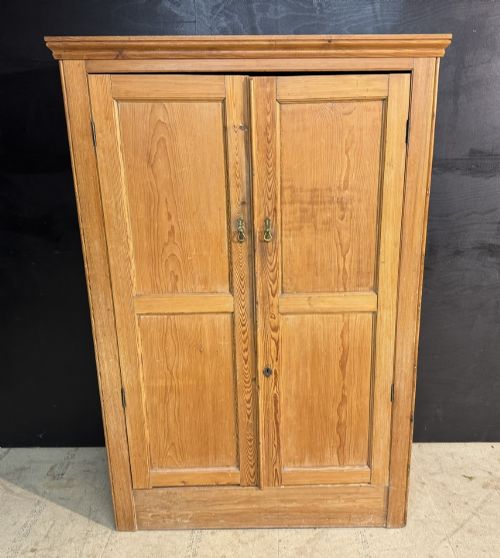
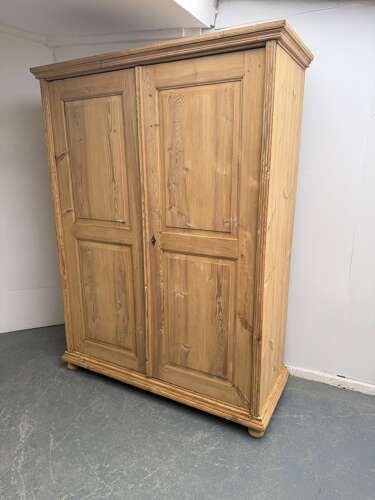
A vintage pine press encompasses large housekeeper cupboards, knockdown wardrobes, and compactum storage units originating from nineteenth-century British, French, Scandinavian, and Hungarian workshops. These utility items were built to house household linen, garments, and provisions in domestic settings, utilising practical carcases that often separated into sections for easier transport.
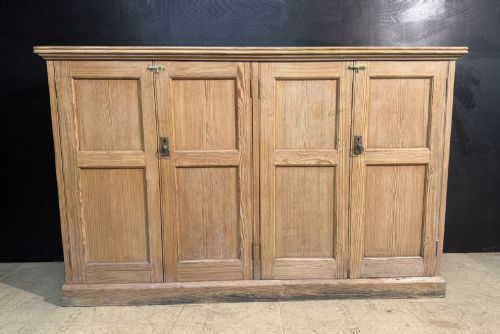
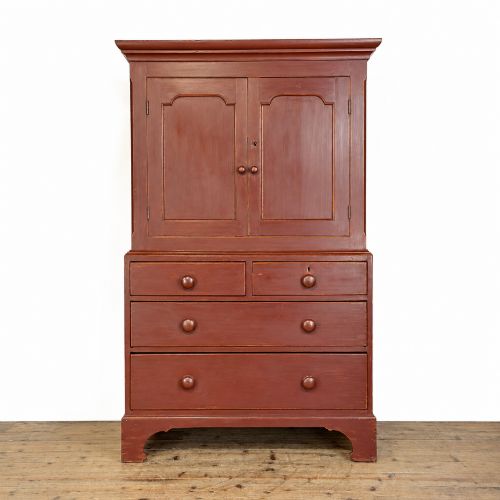
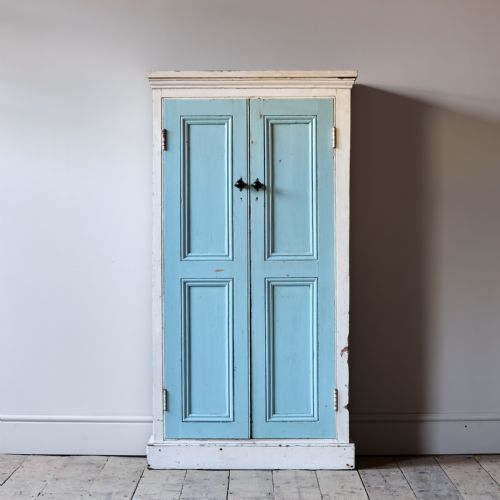
The pieces appearing on this page range from compact single-door hallway cupboards to massive multi-door bedroom wardrobes and painted larder cabinets. Buyers encounter regional variants featuring architectural elements such as bonnet tops, arched cornices, and fielded panels, reflecting both Georgian restraint and Victorian scale.
Materials and Construction
Construction relies on solid pine timbers, occasionally augmented with secondary hardwoods like mahogany or held together with iron, brass, and glass hardware. Cabinetmakers joined carcases using traditional joinery methods suited to heavy daily use, incorporating panelled doors, pegged frames, and fitted interior shelving or hanging space.
Surfaces frequently show historical treatments ranging from natural waxed finishes to original scumble paintwork simulating oak, alongside regional polychrome decoration and plain painted schemes. These finishes were applied to protect the softwood and suit prevailing domestic tastes across different decades.
Vintage Pine Press Retail Price Guide 2026
Typical asking prices for vintage pine press among the pieces listed under this phrase on Sellingantiques today, from the lower quarter to the upper quarter. They describe what is for sale here now, not the wider market.
One remarkably travelled bowl by Rene Lalique hides amongst the heavy country pine cupboards.
Quality and Proportion
Quality rests upon the integrity of the original construction, the balance of the proportions, and the survival of untouched surface treatments like early scumble or regional paint. Pieces retaining their original hardware, working locks, and structural soundness command greater interest than heavily altered examples.
Finer items demonstrate careful timber selection with minimal knot distortion and precise joinery in cornices and footings. The presence of maker attributions or distinct regional characteristics, such as Swedish bonnet tops or Hungarian raised panelling, further distinguishes standard utility furniture from exceptional examples.
The Vintage Pine Press Glossary
- Compactum
- A multi-compartment wardrobe featuring a combination of hanging space, shelves, and internal drawers. This design maximises storage efficiency within a single footprint.
- Scumble paintwork
- A decorative surface technique where a translucent top layer of glaze is manipulated with combs or rags over a lighter base. It was frequently used to imitate more expensive hardwoods like oak.
- Knockdown wardrobe
- A large piece of case furniture engineered with pegged or wedged joints that allow the carcase to be dismantled into flat sections. This innovation facilitated transport up narrow staircases and between rooms.
- Fielded panel
- A wooden door insert with bevelled edges sloping down toward a central raised flat area. This construction method accommodates seasonal wood expansion and contraction without splitting.
Vintage Pine Press: Frequently Asked Questions
How do I care for a waxed pine press?
Maintain the wood by applying a traditional beeswax polish sparingly and buffing with a soft cloth to nourish the dry timber. Avoid placing the cupboard near direct heat sources or in damp environments to prevent warping.
Keep doors properly adjusted on their hinges so that heavy panelled timber shuts squarely without putting undue strain on the original iron or brass fixings.
Will a knockdown wardrobe fit in a modern bedroom?
Many large nineteenth-century presses were built to be dismantled into sections for transport, making them surprisingly versatile for contemporary homes with low ceilings or tight stairwells. Check the construction method before purchase to confirm whether the panels lift apart.
Measure your ceiling height and floor space carefully, noting that these utility pieces often feature substantial projecting cornices that require clearance during assembly.
How can I tell original paint from modern decoration?
Original painted surfaces generally exhibit natural craquelure, authentic wear around handles, and multiple underlying layers visible in areas of friction. Inspect the corners and edges where modern repainting tends to pool or obscure older patina.
Look for consistency in the ageing process across the entire piece, keeping in mind that scumble glazes and regional painted finishes carry distinct tool marks from the original decorating process.
What is the difference between a press and a wardrobe?
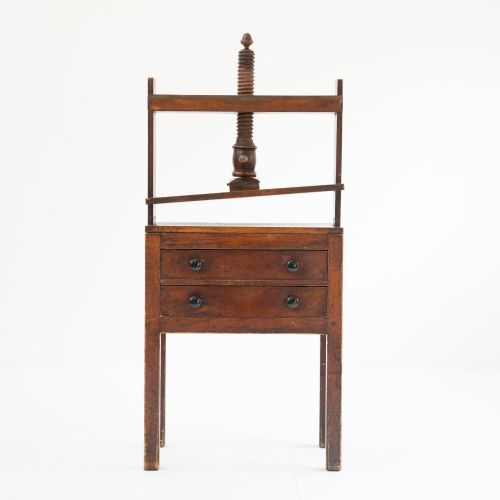
Historically, a press specifically designated a piece of furniture designed for storing folded linen under pressure on sliding trays, often featuring upper cupboards and lower drawers. Over time, the term broadened to describe tall storage cabinets used for general garments.
A wardrobe traditionally concentrates on vertical hanging space behind full-length doors, though many surviving examples combine both hanging compartments and linen shelves within a single carcase.