


Vintage Pine Nightstand
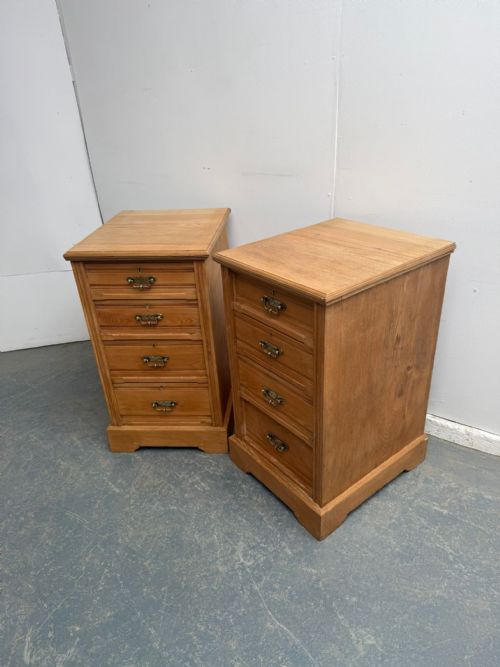
These vintage pine nightstand pieces are practical bedside cabinets and tables from the eighteenth, nineteenth and early twentieth centuries.
Vintage Pine Nightstand
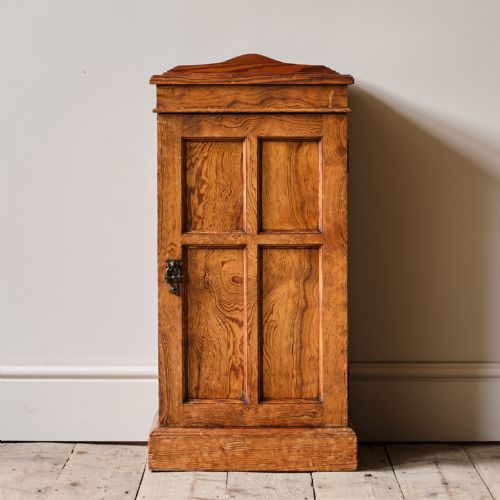
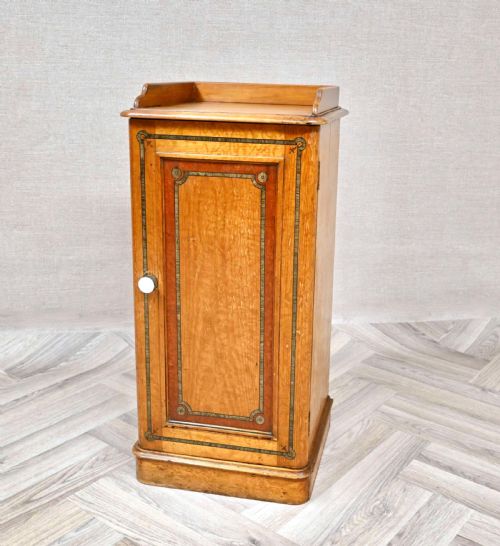
When you search for a vintage pine nightstand, you are looking at utilitarian bedside storage and small tables originating from various nineteenth and early twentieth century periods. The pieces appearing here range from simple nineteenth century pot cupboards and washstands to painted Victorian cabinets and Arts and Crafts bedside tables.
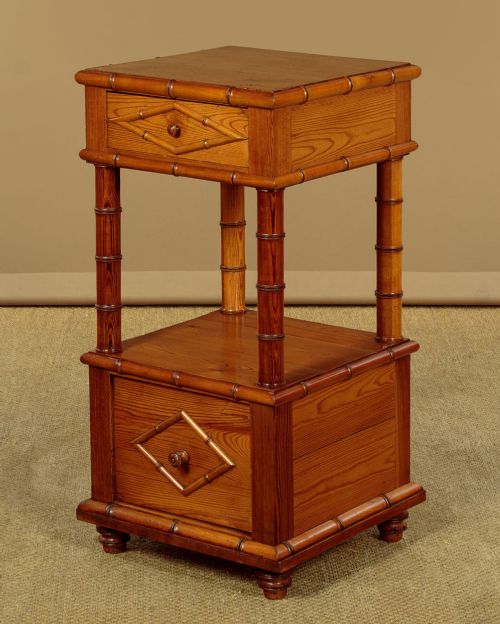
You are most likely to meet Victorian and nineteenth century pine bedside cabinets, often featuring single doors or drawers. These include examples in original paint finishes, faux bamboo styles and marble top configurations designed for domestic bedrooms.
How they were made
The primary material found across these items is pine, frequently accompanied by secondary woods such as oak and ash. Many examples incorporate applied decorative elements including ceramic fittings, brass hardware, iron accents and marble tops.
Construction techniques span plain waxed timber finishes and detailed carved surfaces alongside painted treatments in black, grey, blue and other colours. Several pieces utilise regional styles including Scandinavian country, Gothic revival and English country traditions.
Object types include bedside cabinets, pot cupboards, washstands, side tables, and occasional tables from English, Dutch, and Scandinavian origins.
What varies in quality
The standard of a piece rests upon the integrity of its original construction and the preservation of its timber or early paint surface. Cabinets retaining untouched period painted finishes or integrated marble tops command greater interest than plain or later altered examples.
Construction depth also marks the difference between simpler utilitarian workshop items and finer pieces displaying thoughtful proportions, such as ash detailing, columned sides or specialised hardware like ceramic and brass components.
The Vintage Pine Nightstand Glossary
- Pot cupboard
- A small bedside cabinet originally designed to enclose a chamber pot. These practical items typically feature a single cupboard door and sometimes an internal shelf.
- Washstand
- A piece of furniture made to hold a basin and jug for morning ablutions. Many surviving examples have been adapted or utilised as bedside tables due to their convenient proportions.
- Faux bamboo
- A decorative technique where timber is carved or turned to imitate natural bamboo stalks. This style gained popularity during the late nineteenth century.
- Gothic revival
- An architectural and decorative style drawing inspiration from medieval design. Pieces in this manner often feature pointed arches and robust framing.
- Arts and Crafts
- A design movement emphasising handcraftsmanship and simple vernacular forms. Furniture from this tradition utilises honest construction and visible grain.
Vintage Pine Nightstand: Frequently Asked Questions
What is a pine pot cupboard?
A pine pot cupboard is a small enclosed bedside cabinet built during the nineteenth century to store a chamber pot. These pieces usually feature a single door and a flat top.
Over time, many of these cabinets transitioned into general bedside storage as household sanitation evolved.
How do I identify a Victorian bedside cabinet?
Victorian bedside cabinets are identified by their nineteenth century construction methods, typical timber choices like pine, oak, and ash, and period design details. They often appear with painted finishes or panelled doors.
These cabinets match the domestic scale and bedroom requirements of the nineteenth century.
Did these tables have marble tops originally?
Many nineteenth century bedside cabinets and washstands were manufactured with fitted marble tops to provide a durable, water-resistant surface. These marble slabs sit directly on top of the wooden carcase.
Such additions were particularly common on washstands and higher quality bedside cabinets.
How do I clean a painted pine bedside cabinet?
Cleaning an antique painted pine cabinet requires gentle dusting with a dry or slightly damp cloth to protect the historic paint surface. Avoid harsh chemical cleaners that might strip the original finish.
Preserving the aged patina maintains the character and historical integrity of the piece.