

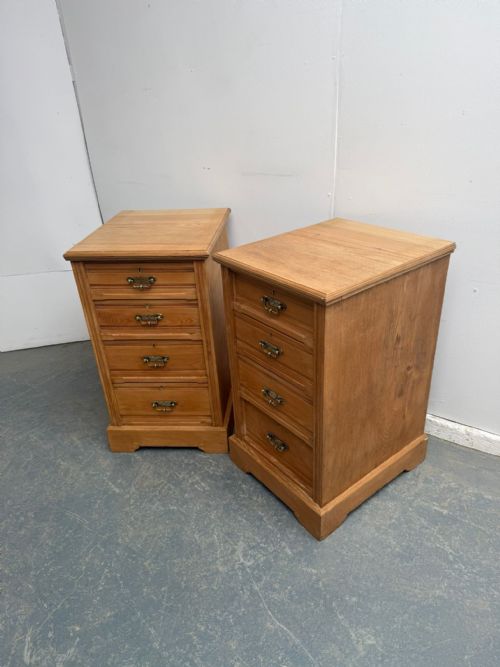


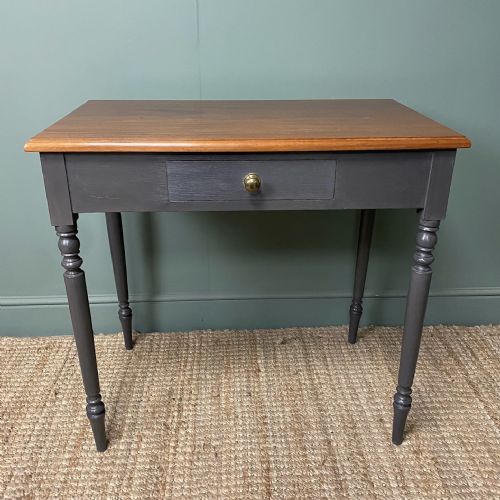


Small Pine Nightstand
A small pine nightstand brings honest, functional utility to the bedside with straightforward timber construction and quiet charm.
Small Pine Nightstand
A small pine nightstand serves as a compact bedside companion for holding necessities within easy arm's reach. The selection on this page centres on sturdy 19th Century and Victorian forms, drawing from English country, Scandinavian country, Arts and Crafts, and rustic farmhouse traditions.
Buyers will encounter various practical configurations among these listings, including bedside cabinets, side tables, side cabinets, bedside tables, chests of drawers, and occasional tables. These pieces range from simple unpretentious cupboards to waxed ash or pitch pine variants and painted surfaces.
Origins stretch across English and Scandinavian workshops, reflecting a broad vernacular history rather than a single unified design school. Whether rendered in plain pine, pitch pine, or simulated painted wood, each piece prioritises utilitarian storage over grand ornamentation.
How they were made
Makers constructed these pieces primarily from solid pine, pitch pine, and ash, selecting domestic softwoods and hardwoods for daily service. Structural framing relied on traditional joinery methods suited to hardworking bedside furniture.
Surfaces frequently received protective treatments such as clear wax to enrich the natural grain or historic layers of paint in the English and Scandinavian traditions. Minor details like brass hardware or ceramic elements occasionally finish the drawers and doors.
Small Pine Nightstand Retail Price Guide 2026
Typical asking prices for small pine nightstand among the pieces listed under this phrase on Sellingantiques today, from the lower quarter to the upper quarter. They describe what is for sale here now, not the wider market.
Some nineteenth-century bedside cupboards still carry the faint, comforting aroma of decades spent holding old tallow candles and lavender bags.
What varies in quality
Quality rests on the integrity of the timber selection and the retention of original surface finishes, whether unadorned wood or historic paint. Dense pitch pine and well-figured ash command attention for their durability and visual depth.
Proportion and construction rigour set apart the finer examples, distinguishing robust country workshop execution from hasty utility work. Original hardware and untouched patination elevate pieces beyond later domestic alterations.
The Small Pine Nightstand Glossary
- Pitch pine
- A heavy, resinous softwood prized for its strength and distinct grain pattern. It appears frequently in robust nineteenth-century furniture.
- Pot cupboard
- A small bedside cabinet originally designed to house a chamber pot. These compact units usually feature a single door enclosing a shelf.
- Occasional table
- A small, movable table intended for versatile placement around a room. They serve supplementary surface needs beside a bed or chair.
- Simulated painted wood
- A decorative finish where common timber is painted to imitate a more costly wood or a richer grain. Artisans applied this technique to elevate simpler pieces.
Small Pine Nightstand: Frequently Asked Questions
What is a small pine nightstand used for?
These compact pieces provide convenient surface space and enclosed storage beside a bed. They easily hold a bedside lamp, books, and small personal items within reach.
Historically, many of these formats evolved from enclosed pot cupboards designed to keep bedroom necessities neatly tucked away out of sight.
How do I date a nineteenth-century nightstand?
Dating relies on observing construction methods, timber choices, and hardware styles characteristic of the period. Subtle tool marks and joint details offer clues to the workshop origin.
Surface treatments, including early paint layers or traditional wax finishes, also help confirm the age and geographical tradition of the piece.
Are painted pine nightstands original?
Many pieces retain historic or traditional painted surfaces applied during the nineteenth century, particularly within Scandinavian and English country traditions. These coatings often show pleasing wear developed over decades of domestic use.
Distinguishing between period paint and later decoration requires careful inspection of the underlying timber and the nature of the surface craquelure.
How do I fit one into a modern bedroom?
The modest scale of these items allows them to sit comfortably alongside contemporary beds without dominating the room. Their neutral timber tones and painted finishes blend readily with various interior schemes.
They function equally well as compact side tables in a living space or hallway when not deployed beside a bed.