

Vintage Pine Kitchen Dresser
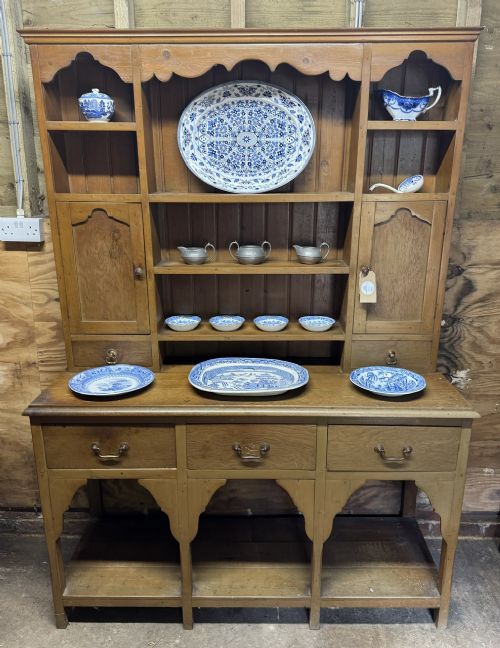
A vintage pine kitchen dresser brings practical storage and honest country character to a room, offering open shelves for display and deep cupboards below.
Vintage Pine Kitchen Dresser
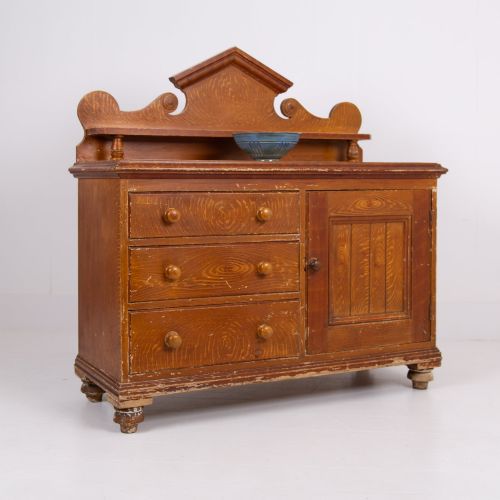
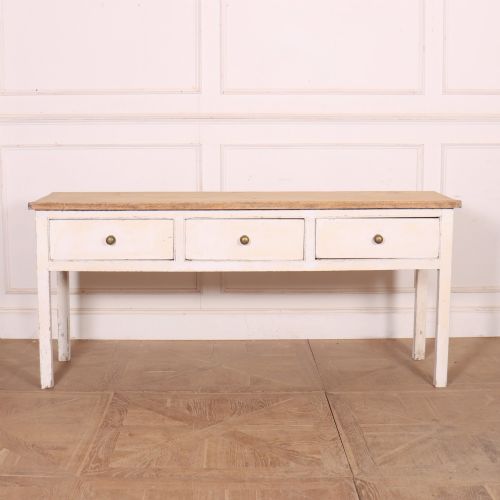
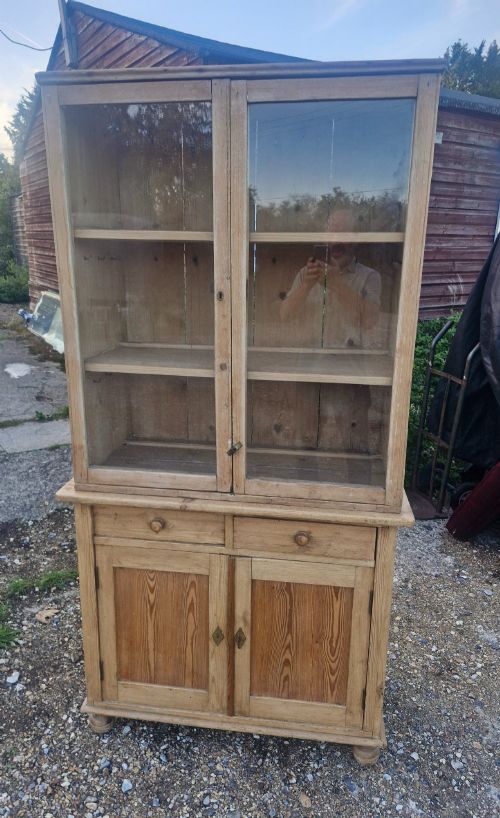
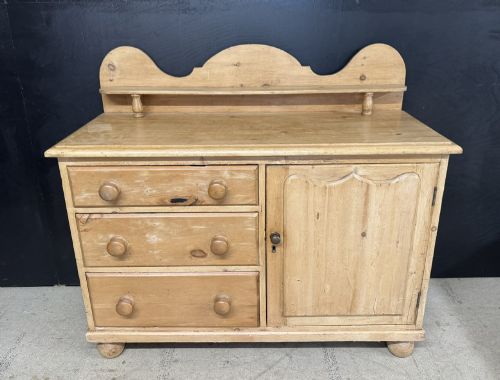
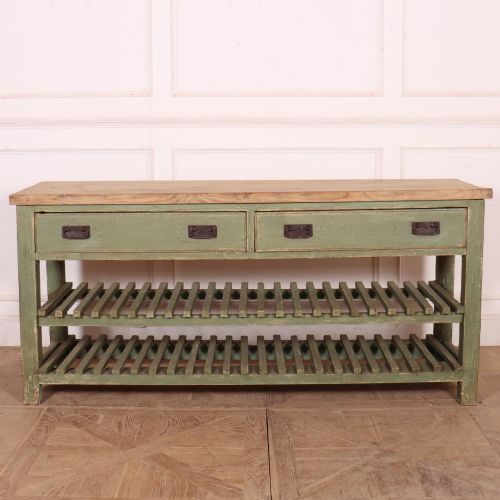
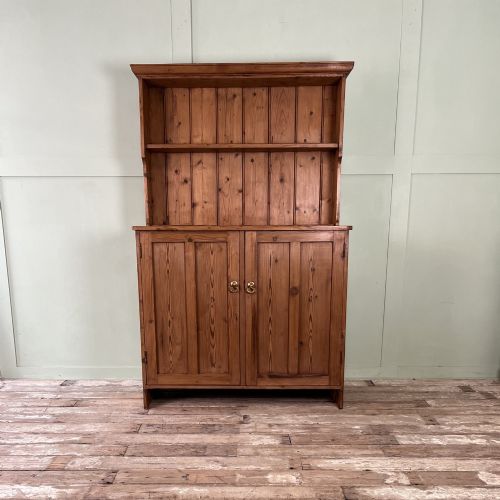
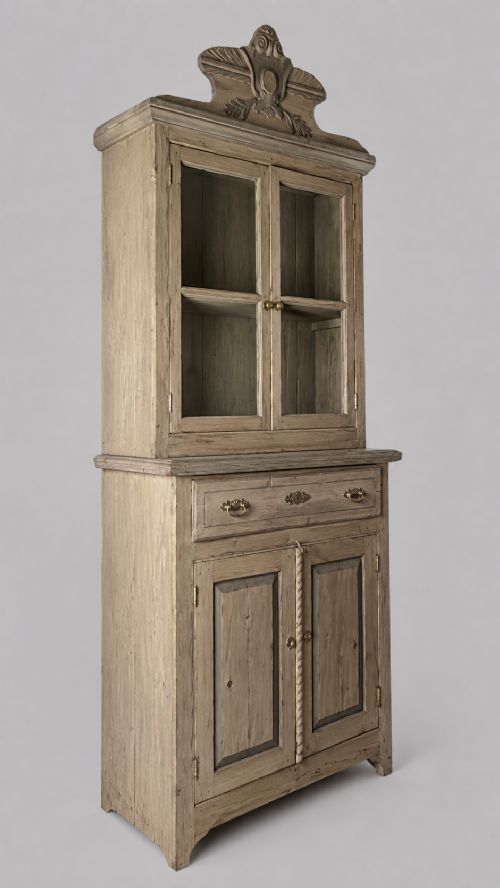
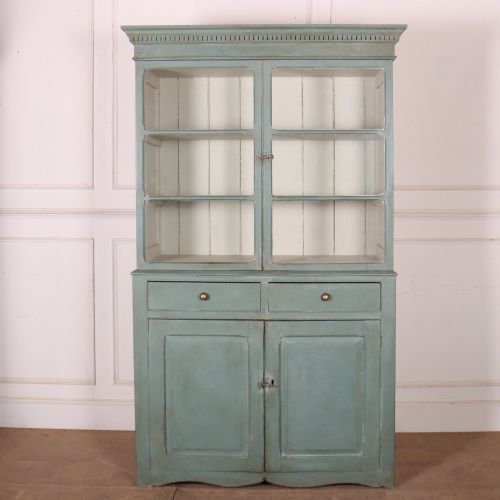
A vintage pine kitchen dresser provides functional storage through a combination of upper display shelving or glazed cabinets paired with lower cupboards, drawers, or open potboards. These utilitarian pieces originate from various regional traditions, spanning English, Welsh, Scottish, French, Scandinavian, and Hungarian workshops.
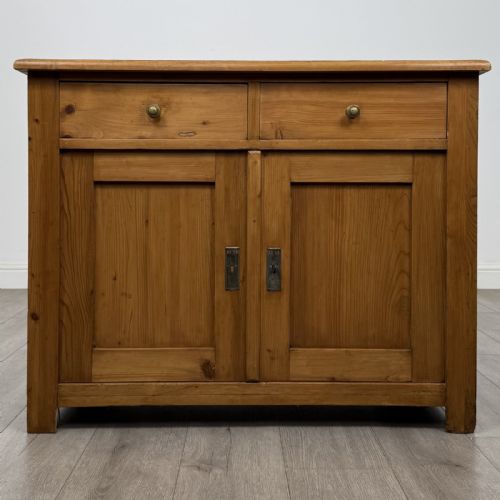
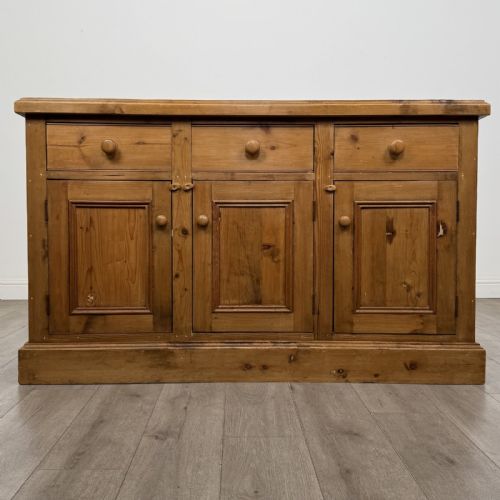
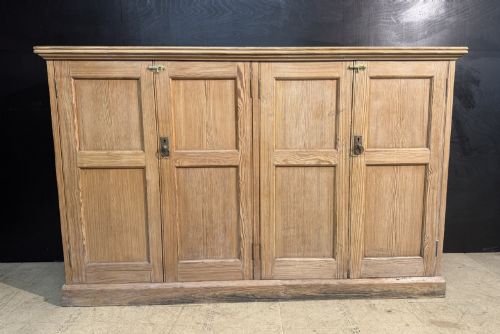
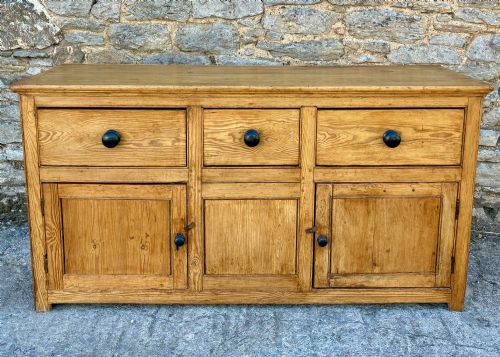
The versions most commonly found here date from the nineteenth century and the Victorian era, alongside Georgian, Edwardian, and early twentieth-century examples. They appear in multiple formats, ranging from full two-piece high dressers to lower dresser bases, potboard units, and dog kennel dressers.
Makers built these pieces for daily domestic use in farmhouse and country kitchens, relying on durable softwood to house crockery, provisions, and utensils. Their forms reflect regional vernacular styles, including rustic farmhouse, Gustavian, Arts and Crafts, and English country designs.
How they were made
Constructed primarily from solid pine, these pieces often incorporate secondary hardwoods for structural framing alongside iron, brass, or wooden hardware for handles and hinges. Joinery relied on traditional methods suited to everyday domestic furniture, producing robust carcasses designed to bear heavy loads of kitchenware.
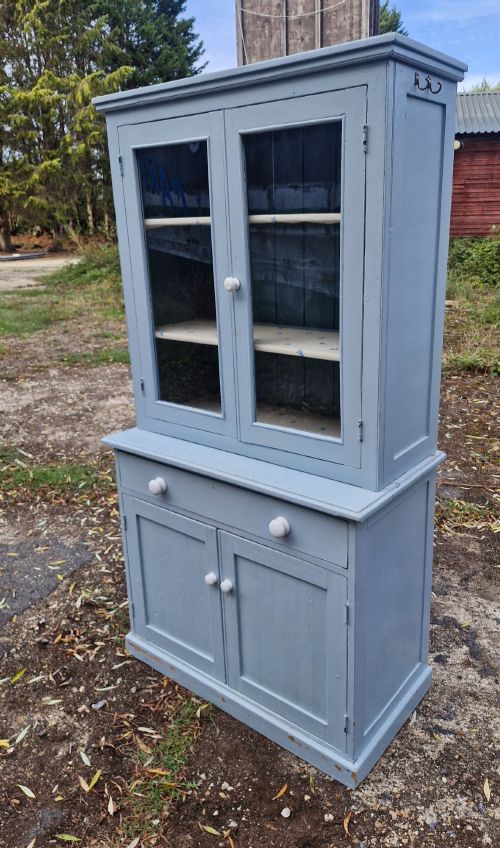
Surface treatments vary significantly between retained natural timber and applied finishes. Many examples survive with their original paint, historic wax, or scraped surfaces, while others feature glazed doors or tiled panels integrated into the upper structure.
Vintage Pine Kitchen Dresser Retail Price Guide 2026
Typical asking prices for vintage pine kitchen dresser among the pieces listed under this phrase on Sellingantiques today, from the lower quarter to the upper quarter. They describe what is for sale here now, not the wider market.
Nineteenth-century dog kennel dressers included a central floor-level void beneath the drawers, thoughtfully designed to keep the farmhouse terrier warm near the hearth.
What varies in quality
The distinction between standard utility furniture and superior examples lies in the integrity of the original surface and the proportion of the timber. Pieces retaining undisturbed original paint or early layered patination carry greater historical interest than those stripped down or repeatedly repainted.
Construction details such as dovetailed drawer boxes, fielded panel doors, and well-balanced proportions separate finer vernacular work from plain workshop output. The retention of original hardware, brass fittings, and glass panes further elevates the character of a piece.
The Vintage Pine Kitchen Dresser Glossary
- Dresser base
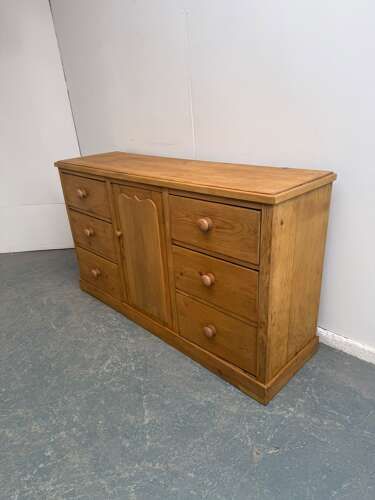
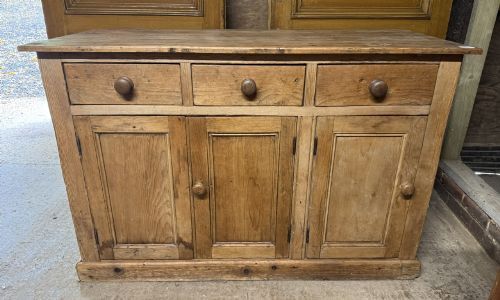
- The lower section of a kitchen dresser, functioning as a standalone sideboard or cabinet with drawers and cupboards.
- Potboard
- An open slatted lower shelf built into the base of a dresser, historically used to store heavy pots and pans.
- Dog kennel dresser
- A regional dresser style featuring a central open recess beneath the drawers, originally intended to house a working dog.
- Glazed cupboard
- An upper storage cabinet fitted with glass-paned doors to display ceramics while protecting them from dust.
- Patina
- The surface sheen and wear developed on wood or paint through decades of handling, cleaning, and exposure to light.
Vintage Pine Kitchen Dresser: Frequently Asked Questions
What is a vintage pine kitchen dresser?
A vintage pine kitchen dresser is a practical storage unit combining open or glazed shelving above with cupboards and drawers below. Makers built them in various regional styles across the eighteenth, nineteenth, and early twentieth centuries.
These pieces served as the central storage hub in domestic kitchens for displaying crockery and storing provisions. Today, they bring rustic utility and historic character to modern dining spaces and kitchens.
How do I date an old pine dresser?
Dating relies on construction methods, timber characteristics, and stylistic markers such as hardware, drawer dovetails, and paint layers. Eighteenth-century and early nineteenth-century pieces often display hand-sawn boards and simpler, heavier proportions.
Later Victorian and Edwardian examples incorporate machine-sawn timber and varied regional detailing like tile inserts or glazed doors. Comparing the structural joints and surface wear helps narrow down the period of manufacture.
Are pine dressers suitable for modern kitchens?
Pine dressers fit well in contemporary spaces by offering substantial storage capacity combined with warm, tactile timber surfaces. Their open shelves allow for functional display of everyday tableware or decorative ceramics.
Because they come in various formats, from compact bases to tall two-piece cabinets, they adapt easily to different room sizes and ceiling heights.
What is the difference between a dresser base and a high dresser?
A dresser base consists solely of the lower cabinet section, featuring drawers and cupboards topped with a flat surface. A high dresser includes both this lower base and an upper superstructure with shelves or a glazed cabinet.
Dresser bases function similarly to sideboards, while high dressers provide combined display and storage in a single tall unit.