




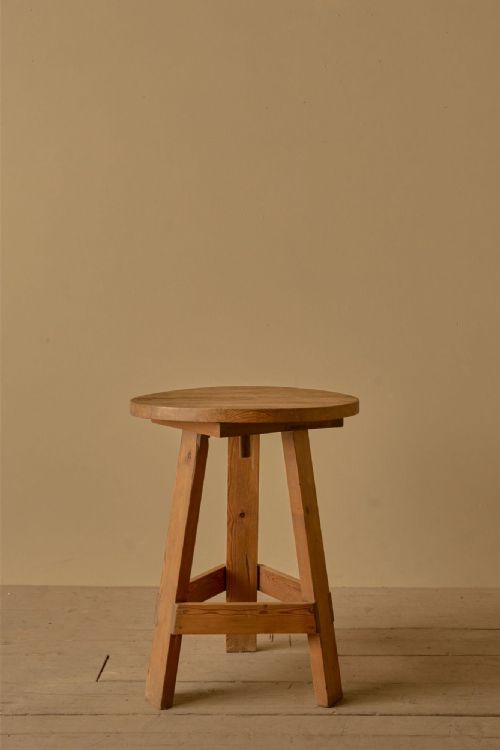
Vintage Pine Display
Vintage pine display pieces bring honest character and practical storage to a room, offering warm timber tones and glazed fronts.
Vintage Pine Display
Vintage pine display items encompass a varied selection of functional storage furniture designed to showcase ceramics, books and collected objects. When you search for vintage pine display, you encounter practical items built for domestic and commercial interiors from the eighteenth century through to the early twentieth century.
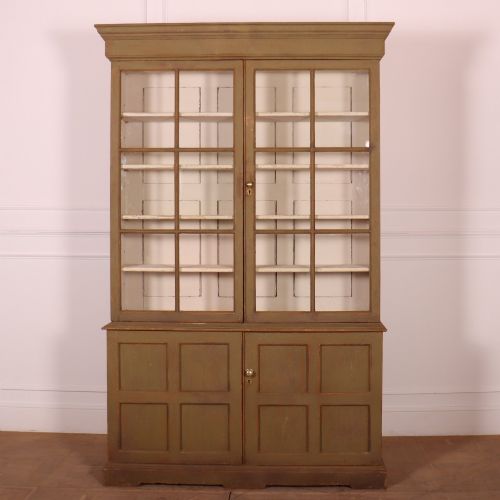
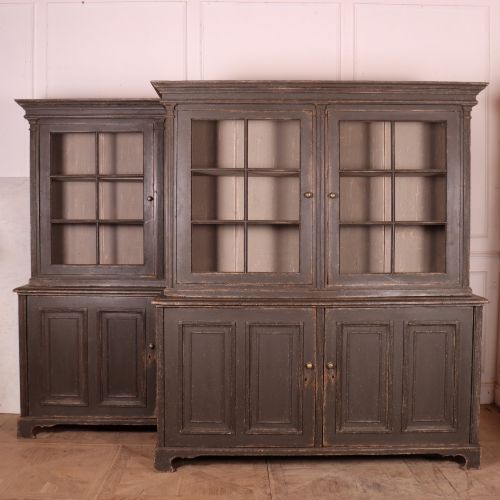
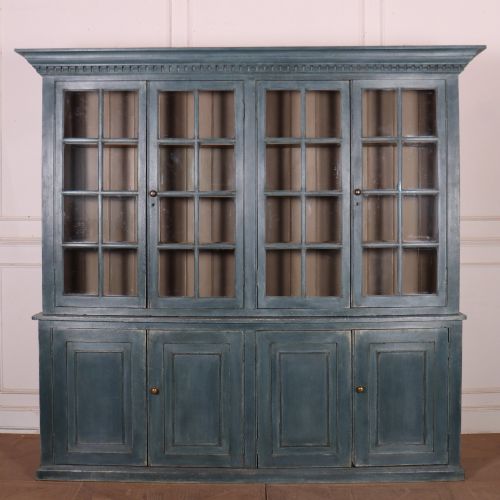
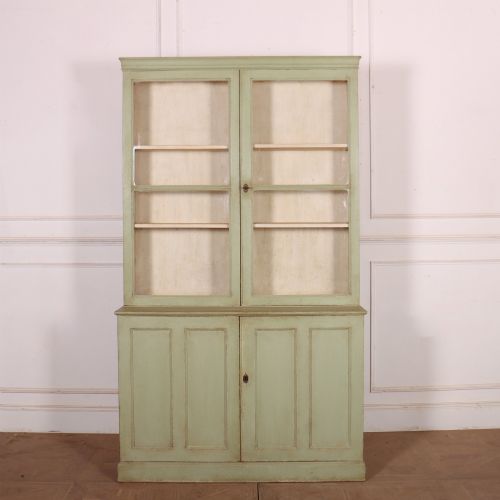
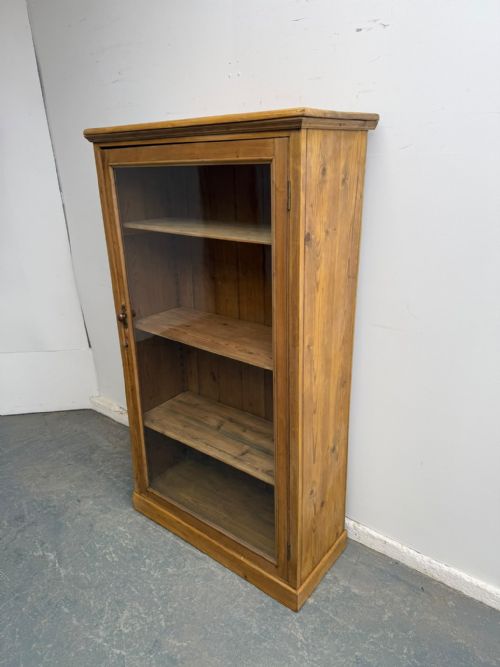
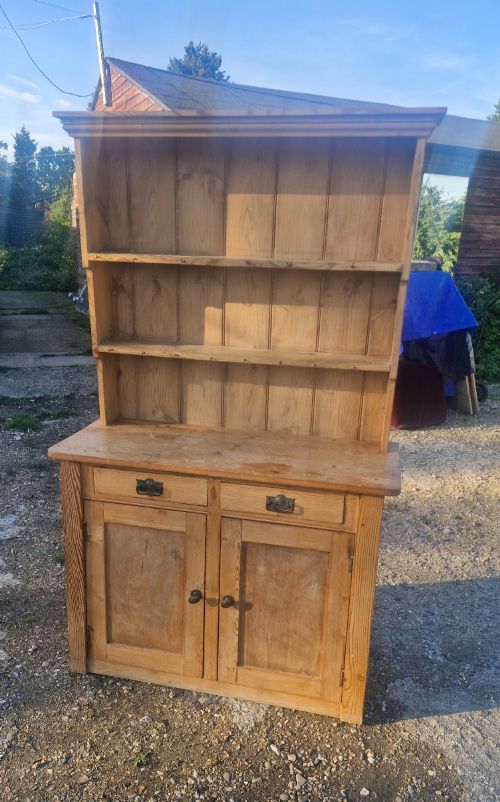
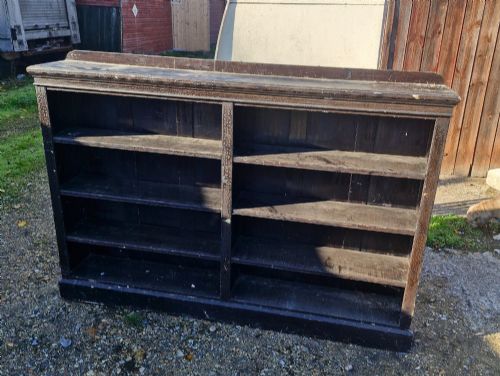
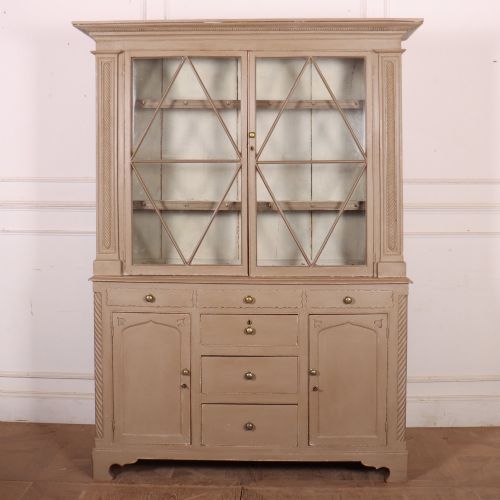
The most frequent examples on this page are glazed kitchen dressers, two-part cupboards and open bookcase display shelves originating from English, French, Hungarian and Scottish workshops. These pieces range from substantial breakfront cabinets and shop fittings to smaller wall shelves, corner cupboards and glazed shop counters.
Makers utilised resilient softwoods, applying layers of paint, wax or natural finishes that have aged over decades of use. Regional variations appear across West Country, Welsh and continental pieces, each displaying distinct proportions, hardware and surface patinas.
How they were made
Carpenters constructed these items using solid pine timber, often framing glazed doors with delicate wooden glazing bars and incorporating brass or iron hinges and latches. Construction methods relied on traditional joinery techniques suited to utility furniture intended for heavy domestic or shop use.
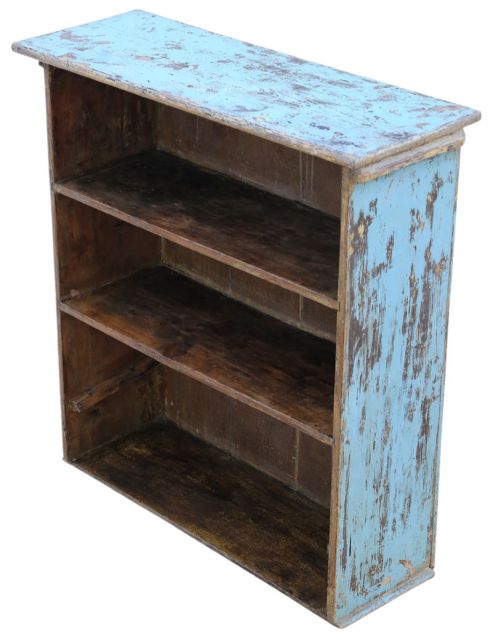
Surfaces received various treatments depending on their original purpose, ranging from clear wax to heavy layers of paint in cream, teal, blue and white. Many items retain original painted interiors or distressed exterior finishes that document their long operational history in kitchens, shops and rural homes.
Vintage Pine Display Retail Price Guide 2026
Typical asking prices for vintage pine display among the pieces listed under this phrase on Sellingantiques today, from the lower quarter to the upper quarter. They describe what is for sale here now, not the wider market.
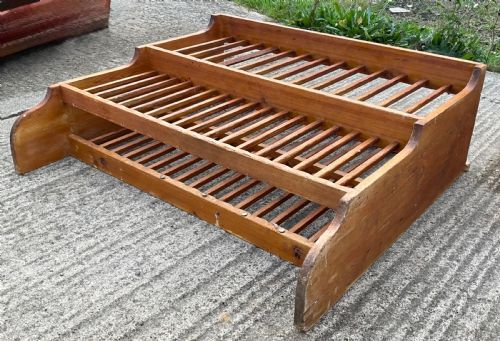
A few items whisper of bygone culinary demands, including a game hook rack designed to suspend the daily catch.
What varies in quality
Quality rests in the integrity of the timber framing, the proportion of the proportions and the survival of original surface treatments such as early paint or natural wax patinas. Pieces retaining their original glass panes, functional brass hardware and uncompromised internal shelving stand out.
Construction depth also dictates standing, with two-part dressers and breakfront cabinets requiring precise joinery to maintain structural stability over centuries. The presence of untouched regional characteristics, such as specific West Country or continental moulding details, elevates an example.
The Vintage Pine Display Glossary
- Glazed
- Fitted with glass panes in doors or panels to allow visibility of the contents while protecting them from dust.
- Breakfront
- A piece of furniture where the central section projects forward from the flanking sections, creating architectural depth.
- Patina
- The surface texture, sheen and colour developed by wood and paint over decades of handling, cleaning and exposure to light.
- Two-part
- Furniture constructed as two separate sections, typically a base cabinet supporting an upper glazed display cabinet or dresser top.
Vintage Pine Display: Frequently Asked Questions
Where did these display cabinets originate?
The pieces originate from various domestic and commercial settings across England, Scotland, Wales, France and Hungary. Workshops built them for everyday use in country kitchens, rural shops and domestic parlours.
Over time, surviving examples have transitioned from utilitarian storage to decorative interior furnishings prized for their honest construction and aged surfaces.
How do I care for waxed pine furniture?
Maintain waxed pine by dusting regularly with a soft, dry cloth and applying a traditional beeswax polish sparingly when the wood appears dry. Avoid placing these items in direct sunlight or near heat sources to prevent the timber from warping.
Keep humidity levels stable in the room to preserve both the soft softwood structure and any historic painted finishes.
Are the glass panes original?
Many items retain their original glass, which often exhibits minor surface bubbles, waviness and thickness variations typical of earlier manufacturing methods. Examining the glass closely reveals these subtle distortions that distinguish historic panes from modern replacements.
Original glazing bars and putty secure these fragile elements within the pine door frames.
How are painted finishes preserved?
Preserving historic paint involves gentle cleaning with a damp cloth rather than harsh chemical solvents that might strip the underlying layers. Many pieces display original layers of cream, blue or teal paint that have worn naturally around handles and edges.
Accepting this existing wear protects the authentic character and historic integrity of the surface.