
Vintage Pine Cupboard
A vintage pine cupboard brings honest utility and warmth to a room, offering practical storage with the character of age.
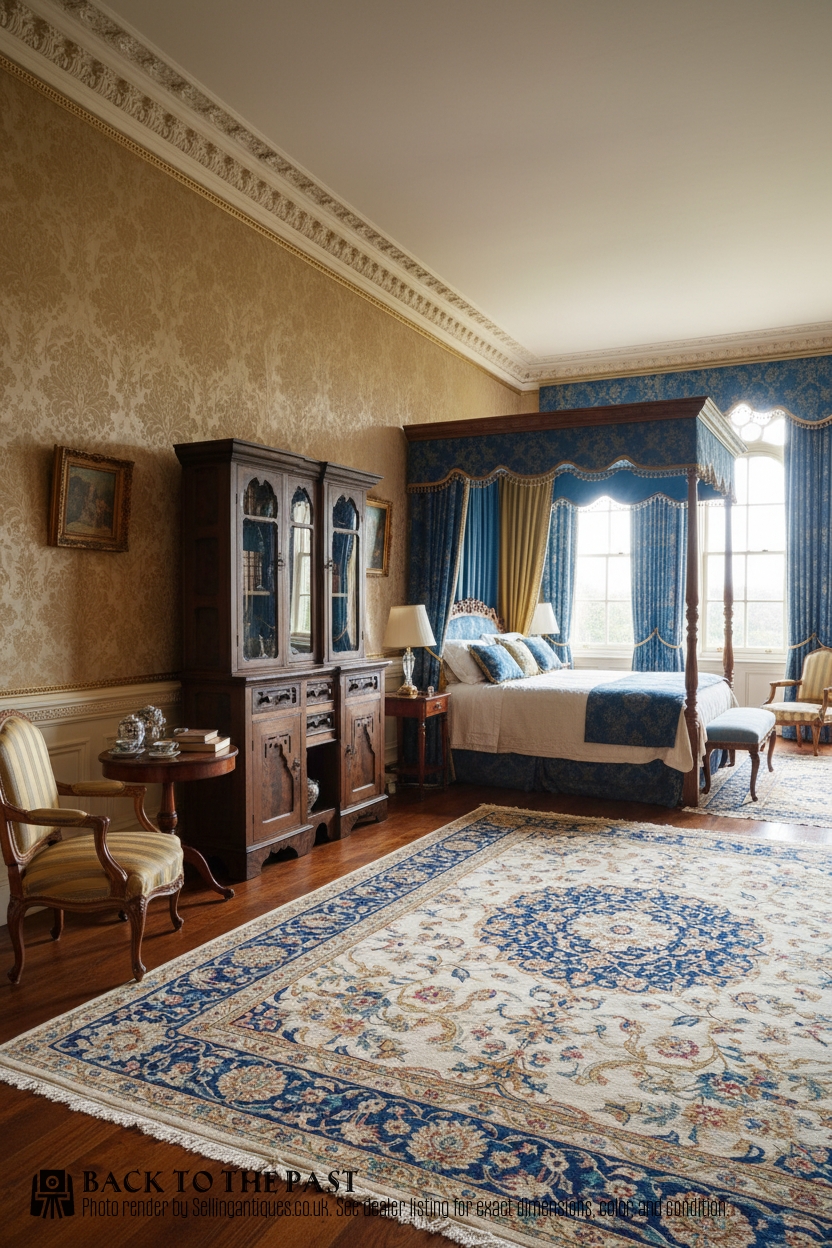
Vintage Pine Cupboard
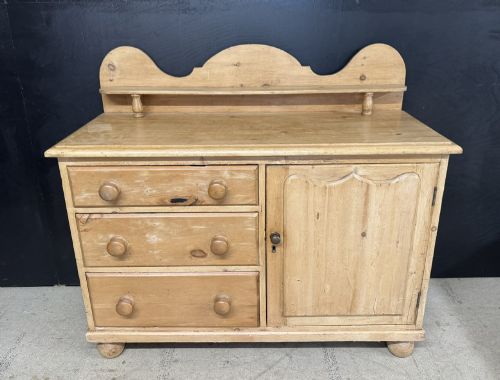
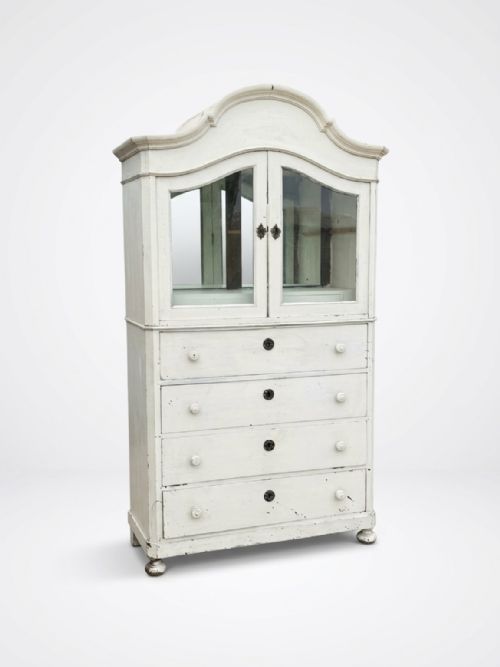
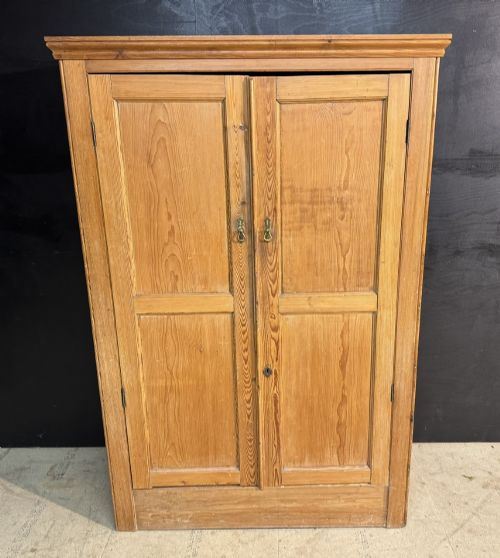
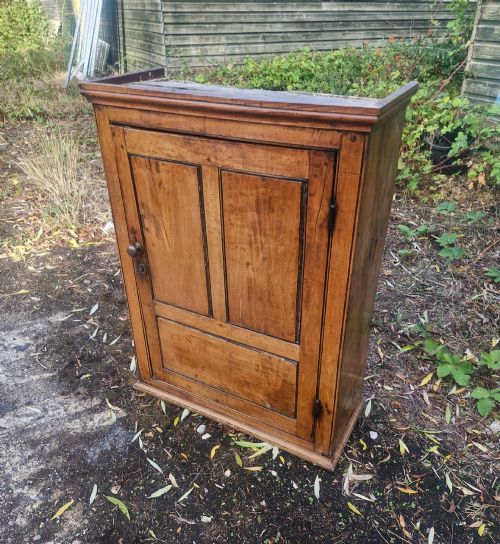
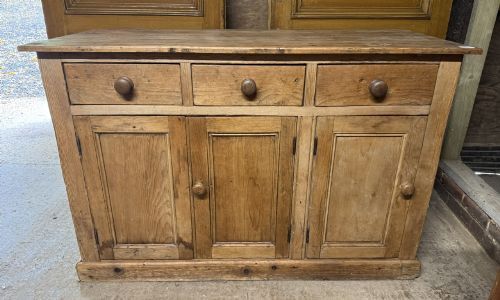
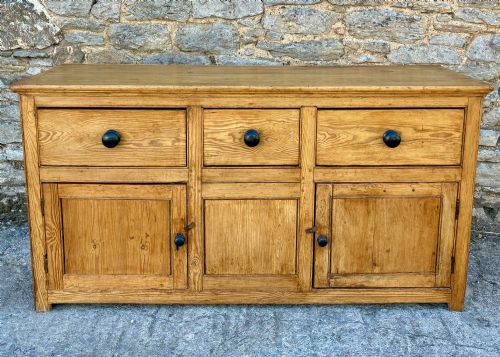
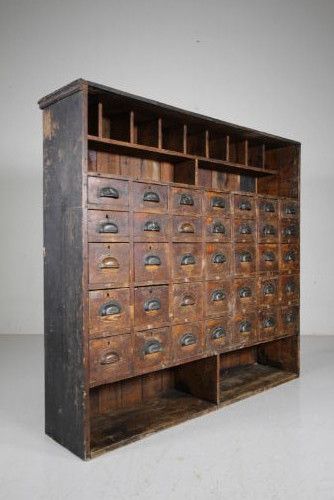
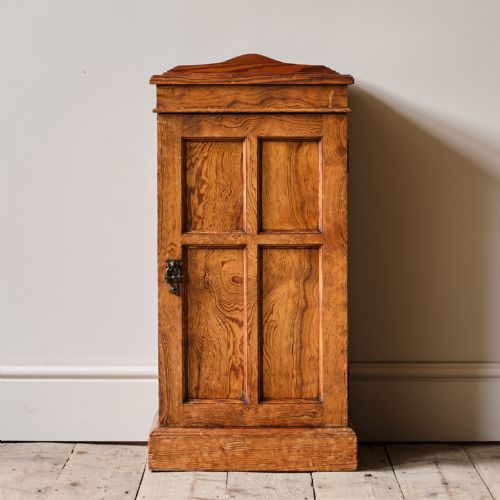
A vintage pine cupboard serves as a functional storage piece originating from domestic, workshop, and retail settings across Britain and continental Europe. When you search for a vintage pine cupboard, you encounter diverse regional forms ranging from compact bedside cabinets and wall-mounted shelves to large housekeeper cupboards and multi-drawer banks.
The pieces span periods from the Georgian era through the Victorian age into the early twentieth century, reflecting the utilitarian needs of kitchens, larders, and utility rooms. French provincial, Scottish country, and rustic farmhouse styles dominate the selection, each displaying practical proportions and straightforward construction designed for daily use.
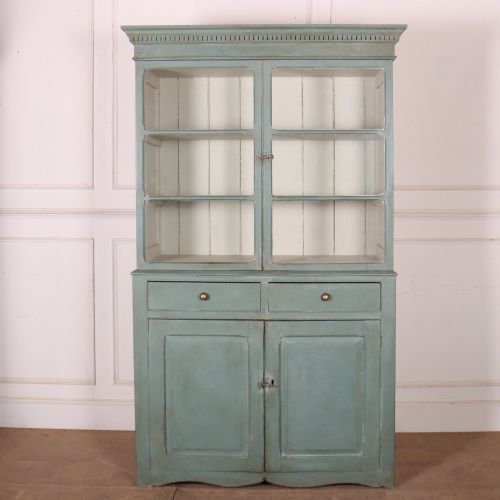
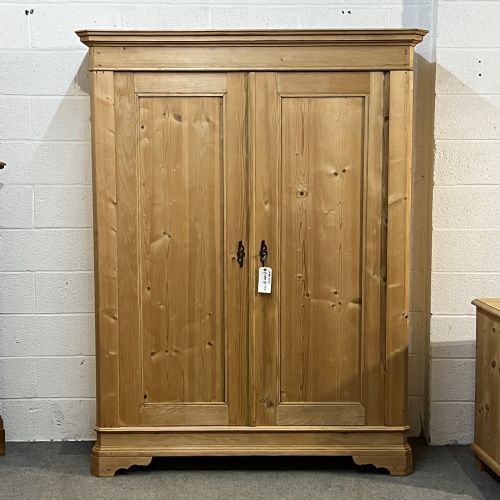
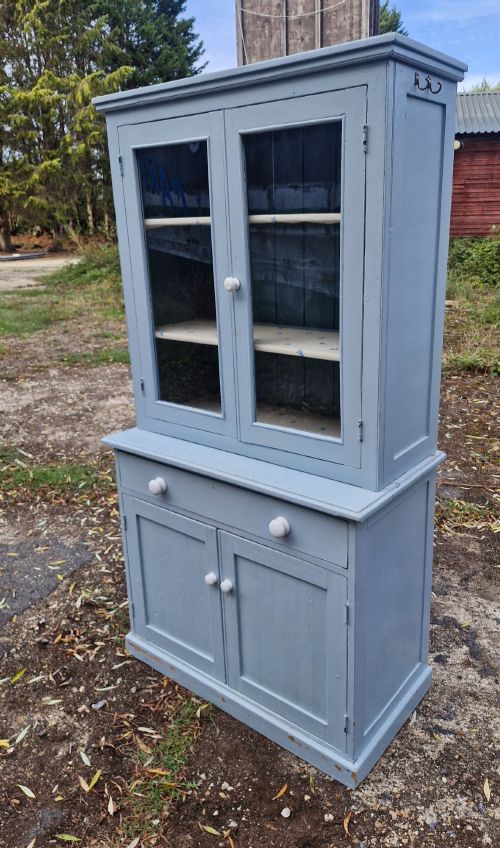
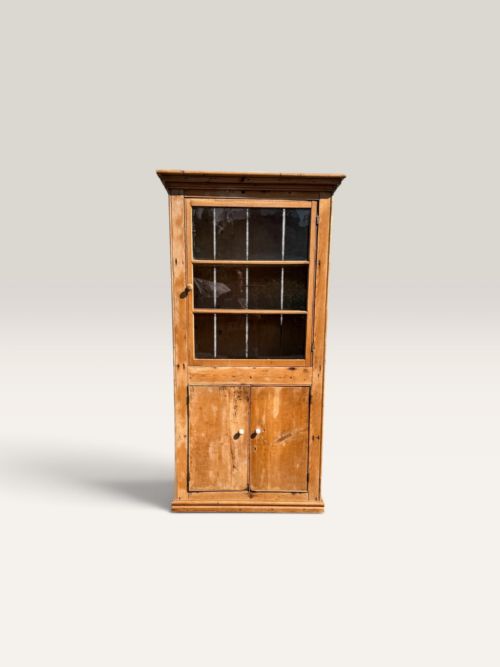
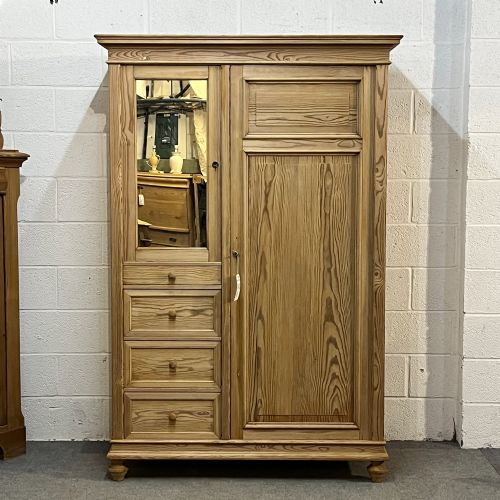
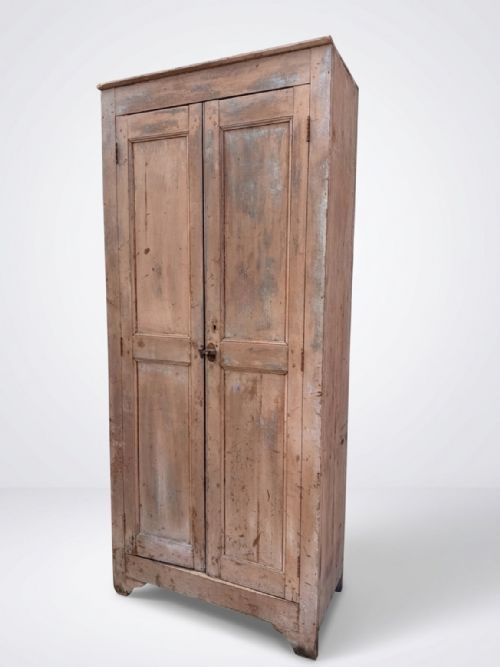
Tall wardrobes, glazed kitchen cabinets, and two-part cupboards represent the most common larger formats found on this page. Smaller variations include pot cupboards, alcove cabinets, and confiturier jam cupboards which suit modern domestic spaces seeking traditional timber texture.
Materials and technique
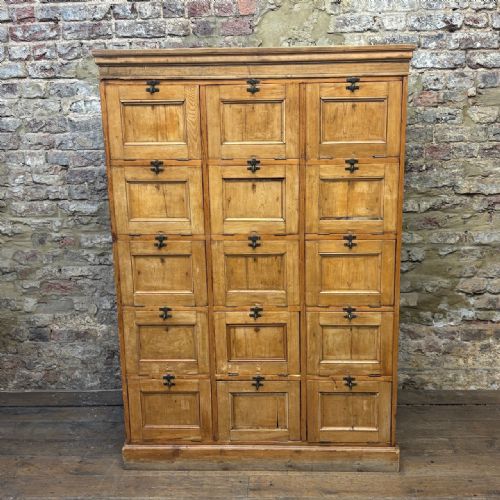
Makers constructed these pieces primarily from solid pine and pitch pine, often utilising iron and brass for hinges, handles, and locking hardware. Glass panels appear in glazed kitchen cabinets and bookcase doors, while metal fittings support industrial locker cabinets and multi-drawer filing units.
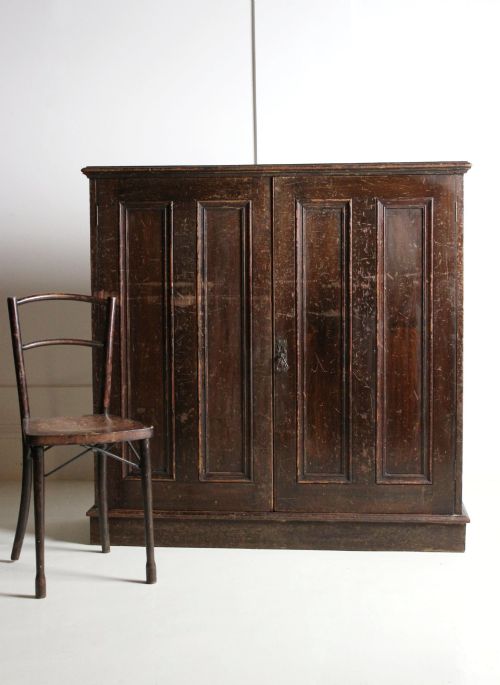
Surface treatments vary significantly between stripped waxed finishes and original paintwork, including scumble faux oak decoration and traditional colour pigments. Cabinet makers relied on durable joinery techniques such as dovetailed drawers and panelled doors to ensure structural longevity across heavy-use items.
One remarkably honest Victorian wardrobe arrives ready for your choice of wax or paint, preserving its DIY potential.
Distinctions in standard
Quality rests upon the integrity of the original timber and the survival of early surface treatments such as untouched scumble paint or historic wax patination. Superior examples retain their original brass or iron hardware and structural soundness without excessive replacement timber.
The refinement of joinery and proportions separates standard utility pieces from finer architectural items like bonnet top cabinets and Gothic revival designs. Honest signs of wear from kitchen or workshop use add contextual depth, provided the core construction remains stable and unaltered.
Luxmore's of Ilfracombe
The Vintage Pine Cupboard Glossary
- Scumble
- A decorative paint technique used to imitate the grain of more expensive hardwoods like oak. Artisans applied a translucent glaze over a lighter base coat and dragged combs or brushes through it.
- Compactum
- A multi-compartment wardrobe designed for efficient clothing storage. These tall pieces typically combine hanging space with internal drawers, shelves, and linen presses.
- Confiturier
- A small French cupboard traditionally used for storing confit jars and preserves. They usually feature a single door above a small drawer or cupboard section.
- Locker cabinet
- A utilitarian multi-door storage unit originating from industrial or institutional settings. They provide numerous individual compartments secured with iron latches.
- Pitch pine
- A dense, resinous softwood sourced mainly from North America and utilised for heavy-duty furniture. It displays a prominent grain pattern with deep reddish-brown tones.
Vintage Pine Cupboard: Frequently Asked Questions
How do I date an old pine cupboard?
Dating relies on examining construction methods, hardware, and surface treatments visible on the piece. Hand-cut dovetails, rosehead nails, and original painted finishes often point toward eighteenth or nineteenth-century origins.
Subsequent alterations, replacement screws, and modern fixings indicate later repairs or adaptations. Comparing the proportions and styling details with documented regional pieces helps narrow down the decade of manufacture.
What is scumble paint?
Scumble paint is a decorative surface finish designed to mimic the rich grain of expensive hardwoods like oak. Painters applied a translucent tinted glaze over a solid base coat and manipulated it with specialised tools.
This technique allowed modest pine furniture to emulate high-status cabinetry during the Victorian period. Surviving original scumble work is prized by collectors for its texture and historical authenticity.
Are these cupboards suitable for modern kitchens?
These cupboards integrate seamlessly into contemporary interiors by providing substantial freestanding storage without fitted units. Kitchen dressers, larder cupboards, and prep tables offer practical spaces for dishware, dry goods, and food preparation.
Their solid timber construction and historic patination introduce warmth and character to minimalist or modern spaces. Measuring ceiling heights and internal depths ensures large wardrobes and multi-drawer units fit comfortably.
How should I care for waxed pine furniture?
Maintaining waxed pine involves applying a quality beeswax polish sparingly and buffing it with a soft cloth to preserve the sheen. Regular dusting prevents particle buildup that can dull the traditional patina over time.
Keep wooden furniture away from direct heat sources and strong sunlight to prevent the timber from warping or splitting. Avoid harsh chemical cleaners which strip away historic wax layers and dry out the grain.