
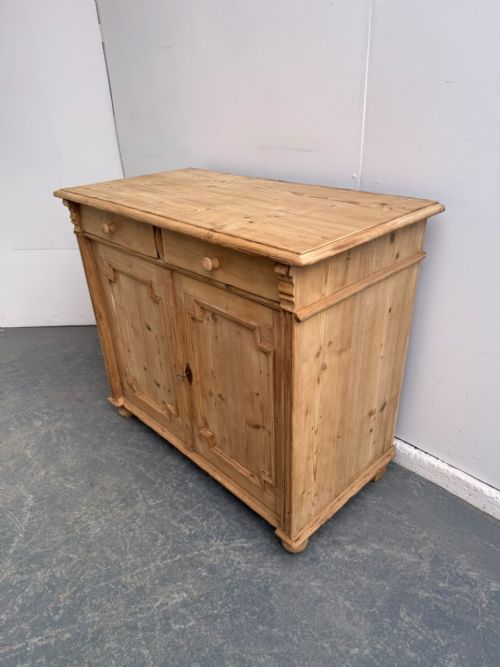
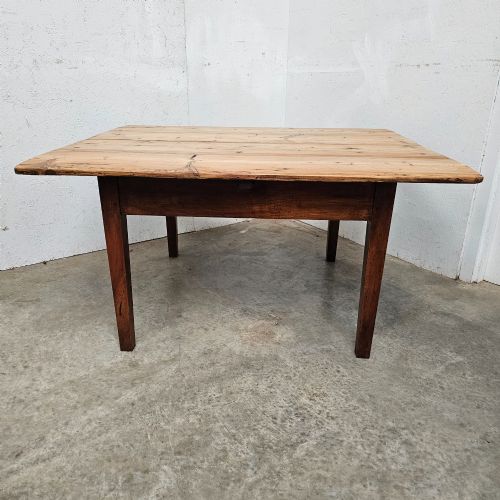
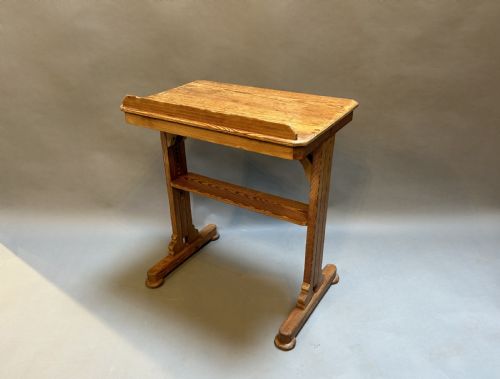



Vintage Pine Base Table
A vintage pine base table brings honest utility and warm grain to a room, offering a sturdy surface shaped by decades of everyday use.
Vintage Pine Base Table
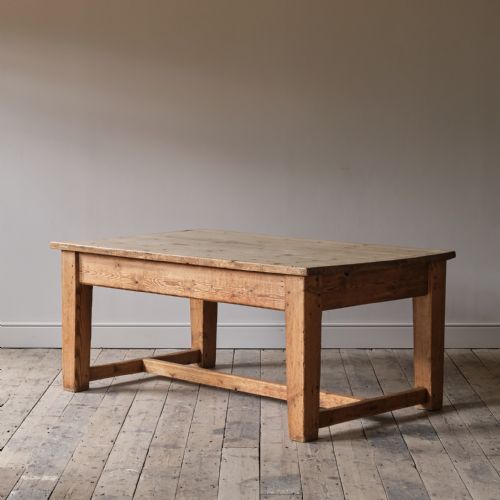
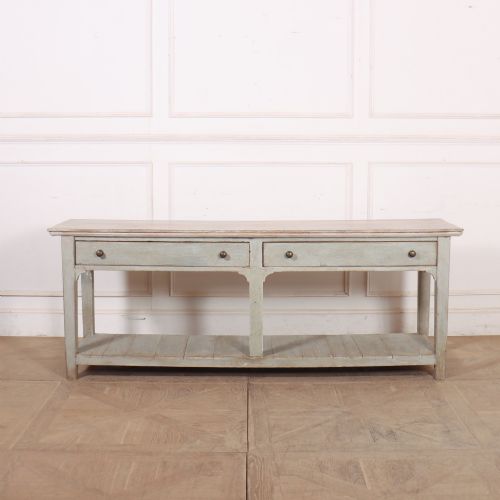
A vintage pine base table combines a utilitarian timber top with a sturdy underframe, often designed for demanding domestic or rural work. You encounter these pieces primarily as kitchen tables, dining tables, and robust dresser bases built from the eighteenth century onwards.
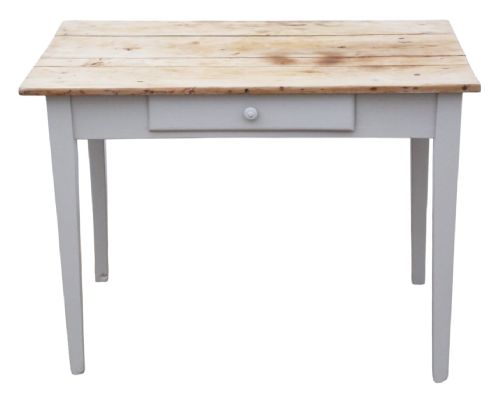
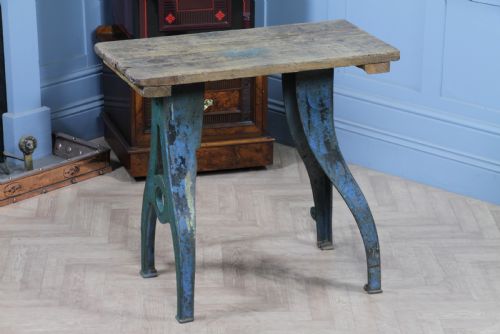
The materials and forms reflect everyday utility, ranging from simple scrubbed top tables to painted kitchen work surfaces and industrial pieces with cast iron supports. English country and rustic farmhouse styles dominate, bringing unpretentious character and practical proportions to domestic spaces.
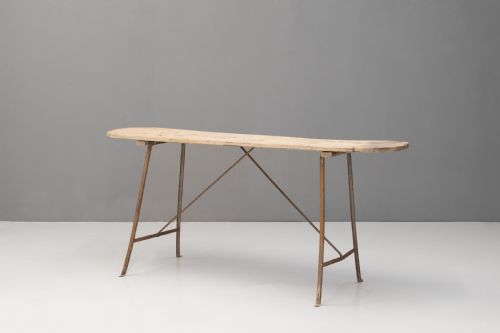
Makers utilised durable timbers, pairing pine tops with oak, fruitwood, or painted timber frames, and occasionally incorporating metal for industrial strength. These tables serve reliably as central gathering points, retaining the marks of daily preparation and communal meals.
How they were made
Makers constructed these tables using solid timber planks for the tops, often scrubbed clean or finished with layers of old paint. The underframes rely on mortise and tenon joinery, secured with wooden pegs or augmented later by cast iron and brass components.
Surfaces frequently show the natural wear of unvarnished pine, alongside remnants of historic painted finishes in various tones. Carpenters selected timber for local availability and strength, ensuring the bases could support heavy daily tasks.
The listings feature pine combined with oak, fruitwood, cast iron, and brass across 18th-century, 19th-century, and early 20th-century periods.
What varies in quality
Quality depends upon the integrity of the timber joints and the retention of original surface treatments, such as untouched layers of old paint or well-scrubbed scrub-tops. Tables with well-proportioned plank tops and stable, uncompromised bases demonstrate superior craftsmanship.
The distinction lies in whether a piece preserves its authentic domestic character without excessive structural intervention or unsympathetic modern replacements. Original hardware, honest patination, and robust frame construction elevate an example above standard utility pieces.
The Vintage Pine Base Table Glossary
- Scrub top
- A wooden table top designed to be vigorously scrubbed clean with water and sand after food preparation. This process leaves the softwood grain raised and light in colour.
- Dresser base
- A low sideboard or cabinet featuring drawers and cupboards beneath a flat top. They served as primary storage and workspace in traditional kitchens.
- Potboard
- An open slatted lower shelf fitted between the legs of a dresser base or table. It was traditionally used to store pots, pans, and heavy kitchen earthenware.
- Cricket table
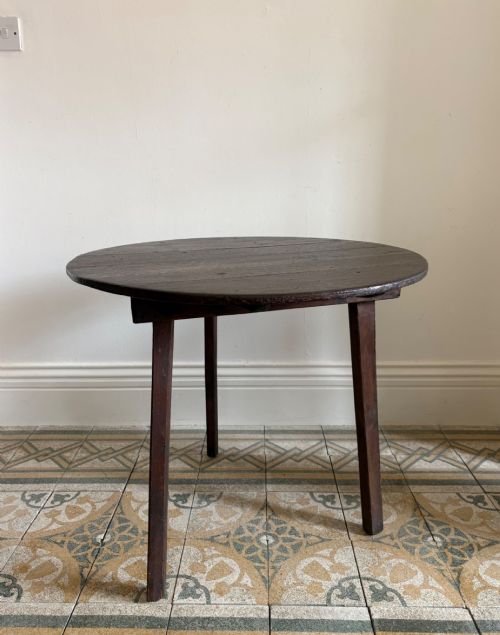
- A small, lightweight table typically supported by three splayed legs. This design provided stability on uneven flagstone floors.
- Refectory
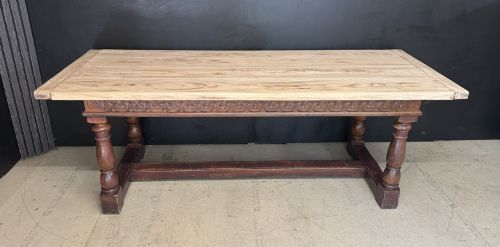
- A long, narrow dining table originally built for communal dining halls. The form prioritises length and stability for group meals.
Vintage Pine Base Table: Frequently Asked Questions
How do I clean a scrubbed pine top?
Clean scrubbed pine surfaces with a damp cloth and mild soap, avoiding harsh chemical strippers that dry out the grain. Regular gentle wiping preserves the pale, historic finish.
Allow the wood to dry naturally after cleaning. Avoid soaking the timber to prevent warping or splitting in the historic planks.
Can I use a kitchen table for daily dining?
These tables were built precisely for heavy domestic use, making them durable surfaces for modern dining and food preparation. Their robust construction handles daily family life with ease.
Consider placing felt pads beneath hot dishes to protect the aged surface. The existing marks and dings simply add to the ongoing history of the piece.
How do I date an old pine table?
Dating relies on observing construction methods, tool marks, timber selection, and the wear patterns on the legs and top. Hand-cut joints and early fastening techniques indicate eighteenth or nineteenth-century origins.
Layers of old paint and surface patination also provide clues to age. Compare the timber thickness and joinery style with documented pieces from similar periods.