

Three Leg Table
A three leg table brings compact utility and straightforward design to a room, offering historic character through timber and tripod forms.
Three Leg Table
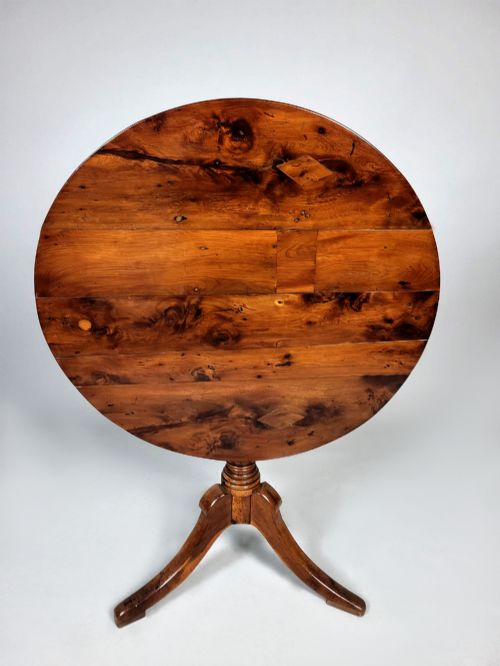
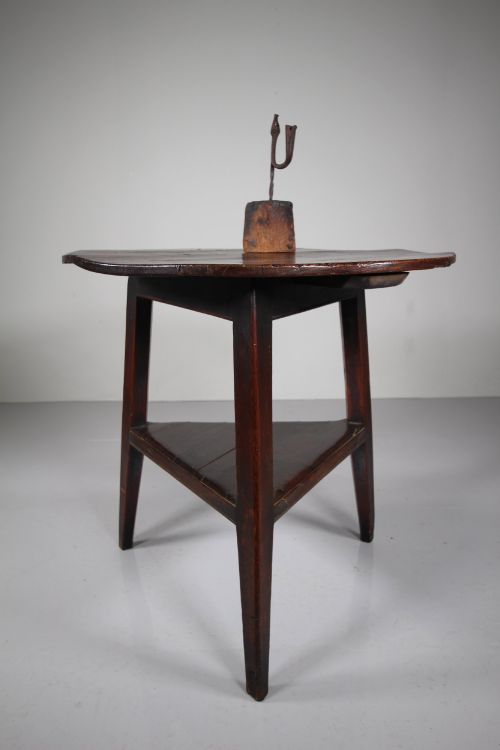
A three leg table encompasses forms such as the traditional cricket table, the tripod occasional table and the small lamp stand. These pieces emerge across periods from the eighteenth century to the early twentieth century, reflecting domestic needs for portable and stable surfaces.
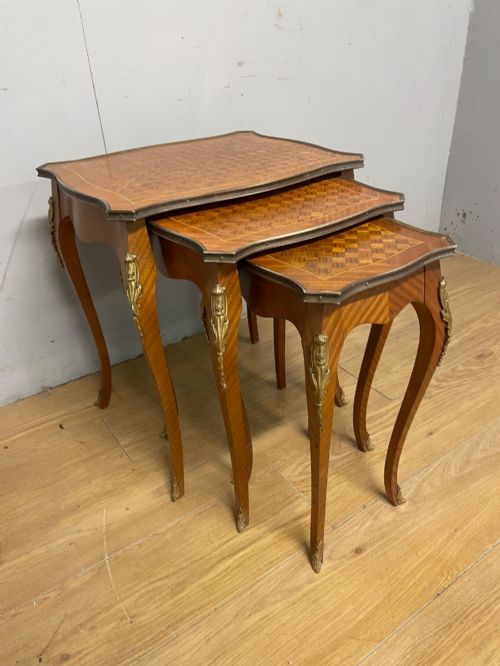
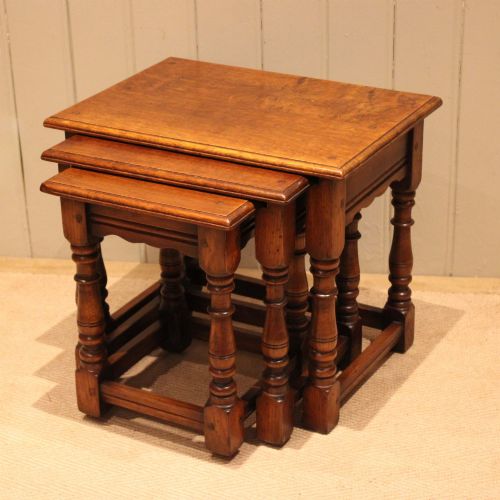
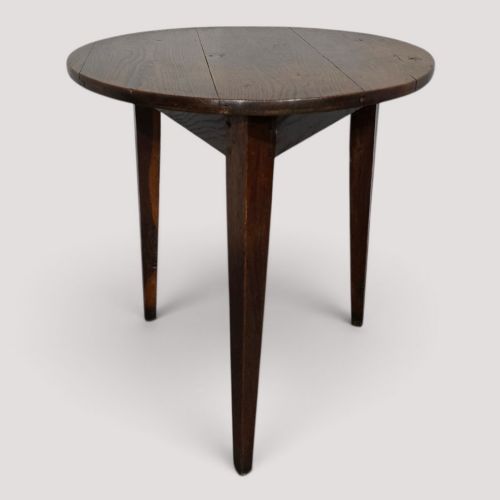
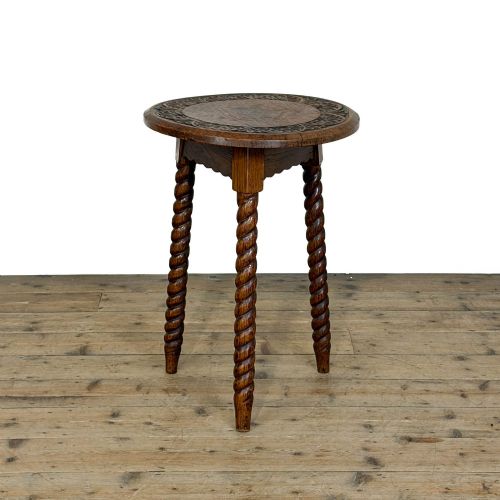
The version most commonly met on this page is the oak or mahogany cricket table, often featuring a circular top supported by three splayed legs. Alongside these, buyers find occasional tables, plant stands and nests of three tables sharing a tripartite or three-piece construction.
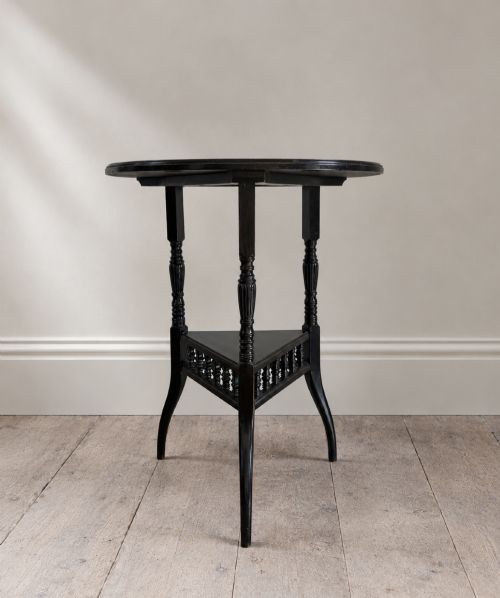
Origins span English country workshops and larger cabinet-making traditions, drawing on styles from Georgian simplicity to Arts and Crafts utility. The selection includes occasional pieces in walnut, pine and ebonised hardwood alongside earlier oak examples.
How they were made
Construction relies heavily on timbers such as oak, mahogany, walnut and pine, selected for their grain and structural strength. Cabinet makers utilised solid woods for early cricket tables, turning legs on a lathe and joining them directly into the underside of the top.
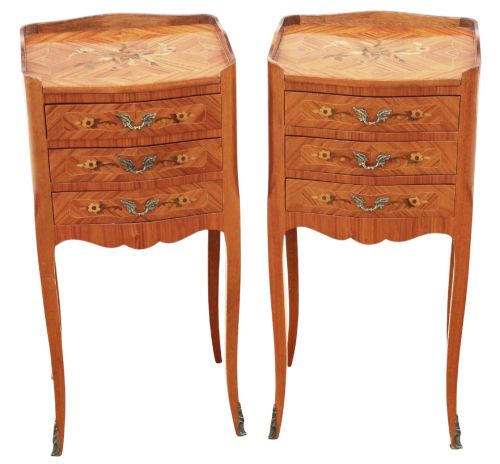
Decoration and finish vary by period, ranging from chip-carving and barley twist turnings on Victorian oak to fine marquetry and gilt brass mounts on later walnut pieces. Joinery techniques include pegged joints on seventeenth and eighteenth century examples and simpler housing on later vernacular pieces.
What varies in quality
Quality rests on the selection of timber, the integrity of the joints, and the crispness of the turning on the legs. Superior examples display well-figured mahogany or dense, mature oak with patination built through decades of use.
Construction refinement separates standard vernacular items from finer cabinet work, visible in how the legs meet the top and whether secondary timbers match the primary wood. The balance of the tripod structure and the retention of original surface finishes dictate the standing of an individual piece.
S and H Jewell·William and Gibton
The Three Leg Table Glossary
- Cricket table
- An early small wooden table with three legs, traditionally associated with English vernacular furniture and circular tops. These pieces often feature triangular stretchers for extra stability.
- Tripod table
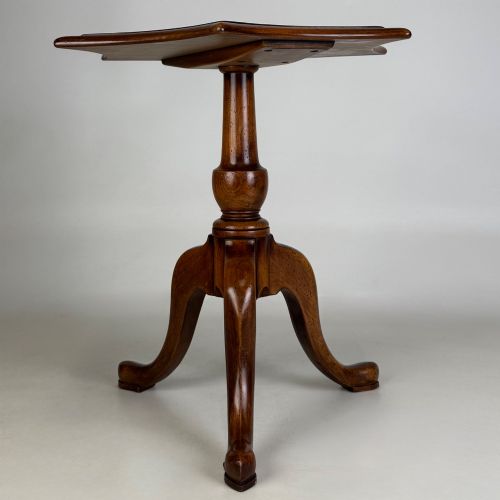
- A freestanding table supported by three legs radiating from a central pillar or directly from the underside of the top. This configuration prevents rocking on uneven historic floors.
- Nest of tables
- A set of graduating tables designed to fit one beneath another to save floor space when not in use. They appear frequently in mahogany, oak and burr walnut from the Victorian period onwards.
- Ebonised
- Wood treated with a dark stain or finish to imitate ebony, a technique common in Arts and Crafts and late nineteenth century design. It provides a striking contrast to natural timber interiors.
- Pad foot
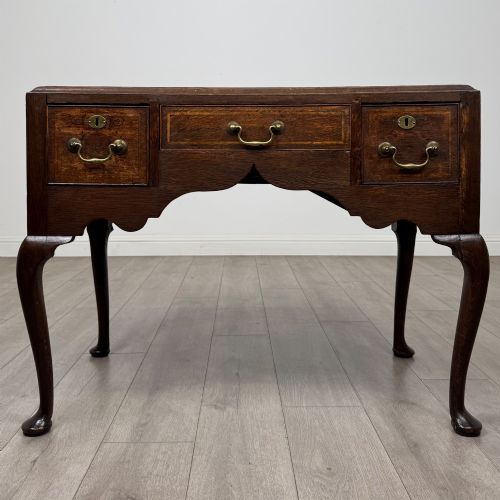
- A simple rounded foot found on cabriole and straight legs of eighteenth century tables. It rests flat on the floor without requiring separate castors.
Three Leg Table: Frequently Asked Questions
What is a cricket table?
A cricket table is a small, three-legged wooden table dating primarily from the eighteenth and nineteenth centuries. These pieces were originally used in domestic settings for serving food or holding household items.
They are characterised by three splayed legs that provide stability on uneven floors and typically feature a circular wooden top made of oak or pine.
How do I date an antique three leg table?
Dating relies on examining the timber species, construction methods, and tool marks left by the maker. Eighteenth-century examples usually feature pegged joints and solid oak construction with rich patination.
Later Victorian and Edwardian pieces often incorporate machine-cut elements, secondary timbers, and styles such as Arts and Crafts or Jacobean Revival.
Where should I place a tripod table?
Tripod tables suit corners, beside armchairs, or as lamp stands in living spaces. Their compact footprint and three-legged base allow them to fit into narrow gaps where four-legged tables fail.
They work well displaying small decorative objects, books, or table lamps without dominating the room.