



Round Oak Tavern Table
A round oak tavern table brings sturdy charm and genuine working history into a room, offering a versatile surface built for daily use.
Round Oak Tavern Table
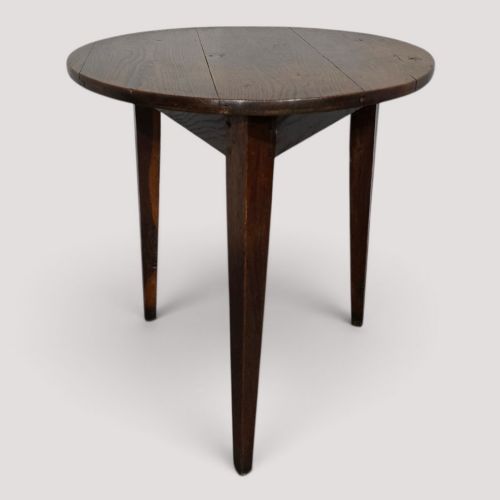
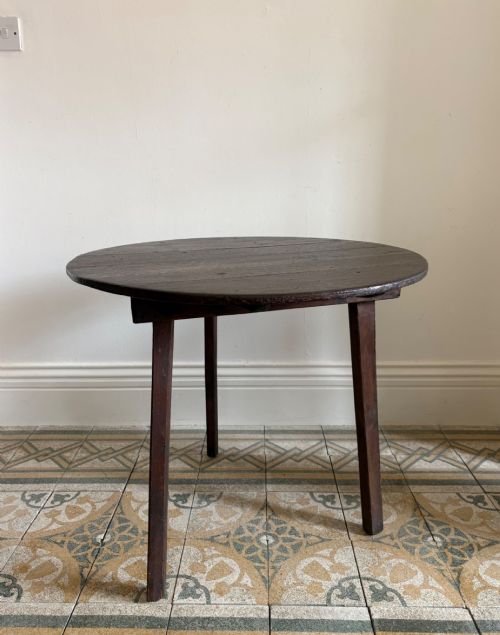
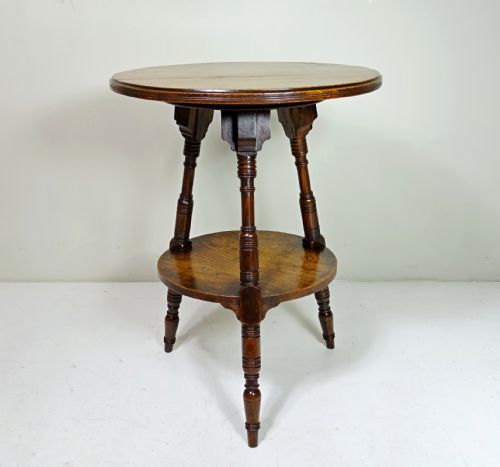
When you search for a round oak tavern table, you are looking at sturdy wooden surfaces designed for robust daily use in historic social settings. The pieces listed here span several distinct periods including the Georgian era, the nineteenth century, and the Edwardian period. Alongside oak, makers utilised elm, pine, and pollard oak to construct these practical furnishings.
The examples most commonly encountered on this page take the specific form of cricket tables, alongside occasional tables, side tables, and pub tables. Stylistically, they draw upon English country, Welsh vernacular, and rustic country traditions. These tables represent the straightforward, unpretentious furniture of past generations.
How they were made
Makers built these tables primarily using solid timber such as oak, elm, and pine, often combining woods with an oak top and a pine base. Iron appears as part of the construction on certain folding or utilitarian forms like coaching tables. This mixed-material approach reflects the resourceful building methods of rural carpenters.
Construction techniques focused on straightforward utility, relying on plank tops and sturdy underframes rather than ornate decoration. The resulting tables display the honest joinery characteristic of vernacular workshops across England and Wales.
Materials recorded across the inventory include oak, pine, elm, pollard oak, iron, and hardwood.
What varies in quality
Quality in these pieces rests upon the character of the timber and the integrity of the original construction. Tables featuring superior pollard oak or rich elm display greater visual depth than simpler pine-based alternatives. The balance between the top and the supporting base dictates the overall physical presence of the table.
The authenticity of the period joinery separates standard vernacular pieces from those with finer craftsmanship. A well-preserved top paired with an unaltered base retains the genuine utilitarian spirit sought by collectors.
The Round Oak Tavern Table Glossary
- Cricket table
- A small wooden table traditionally featuring three legs, designed to stand steadily on uneven flagstone floors. This form remains a staple of country vernacular furniture.
- Pollard oak
- Timber taken from a tree that has been pruned at a height above the reach of browsing animals, producing a dense grain with distinctive clustered markings. This material provides a highly decorative surface.
- Vernacular
- Everyday objects built by local craftspeople using regional traditions and readily available materials rather than high-style academic designs. These pieces tell the story of local woodworking practices.
- Plank top
- A table surface constructed from solid boards joined together rather than a single wide slab. This method was essential for creating stable circular tops from manageable pieces of timber.
Round Oak Tavern Table: Frequently Asked Questions
What is a round oak tavern table?
A round oak tavern table is a sturdy, practical piece of furniture originally designed for use in public houses and rural homes. These tables typically feature a circular wooden top supported by three or four legs.
They were built to withstand heavy daily use in busy social environments. Their compact form made them ideal for smaller spaces and tight corners.
How were these tables used?
These tables served as reliable surfaces for eating, drinking, and gathering in domestic and public settings. Their robust construction meant they could handle the rough treatment of a bustling tavern.
In homes, they functioned as handy occasional tables or dining surfaces for smaller households. Their simple design allowed them to be moved easily around a room as needed.
How do I live with one?
Living with a historic wooden table involves embracing its existing character, including the marks and scuffs accumulated over centuries. Treating the surface with care prevents modern damage while preserving the natural patina of the aged timber.
Positioning the table away from direct heat sources helps protect the wood from drying out or splitting. A simple wax polish maintains the lustre of the oak and elm surfaces.
How do I tell periods apart?
Distinguishing between periods requires looking at the construction methods, tool marks, and choice of timber. Georgian pieces often display finer vernacular joinery, while later nineteenth-century examples may incorporate mixed woods like pine bases with oak tops.
Stylistic cues such as Arts and Crafts influences point towards the Edwardian era. Examining the underside and the fixings provides further clues regarding the age of the piece.