


Vintage Pet Portrait
A vintage pet portrait captures the distinct personality of a beloved animal through traditional painting and drawing techniques passed down across generations.
Vintage Pet Portrait
A vintage pet portrait represents cherished domestic animals, most frequently dogs and cats, captured across various artistic movements from the nineteenth century through the mid-twentieth century.
The pieces appearing here span from nineteenth century naive school works and Victorian canvases to mid-century realists, offering diverse interpretations of animal subjects.
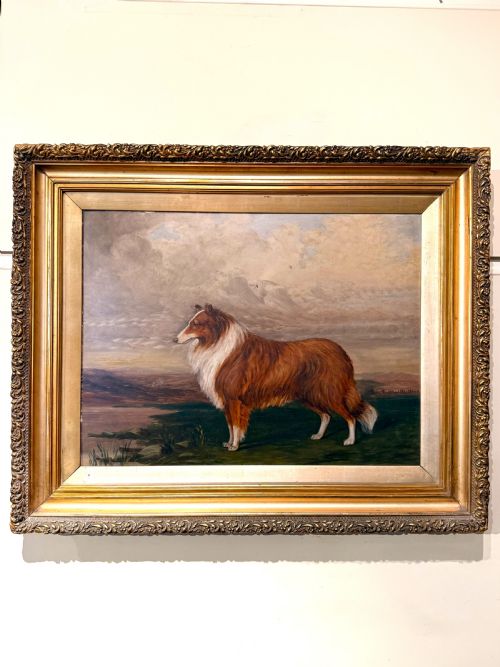
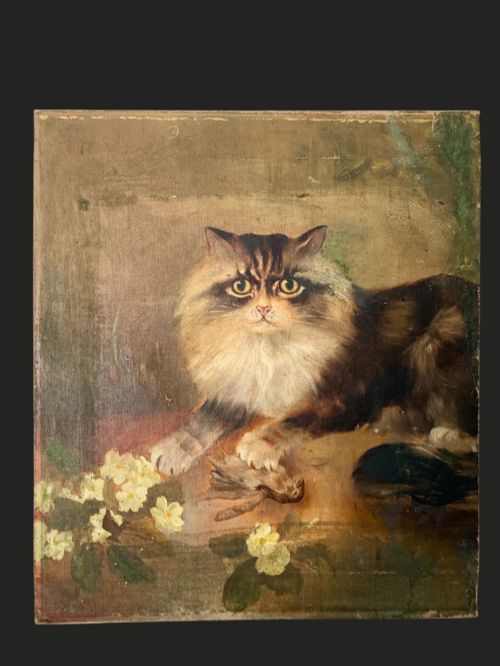
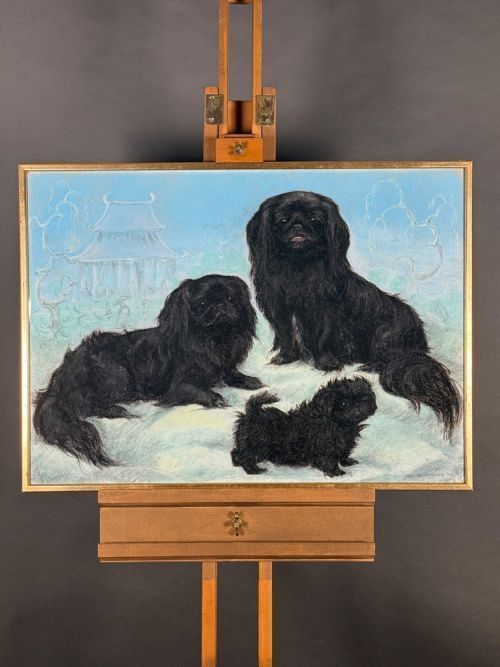
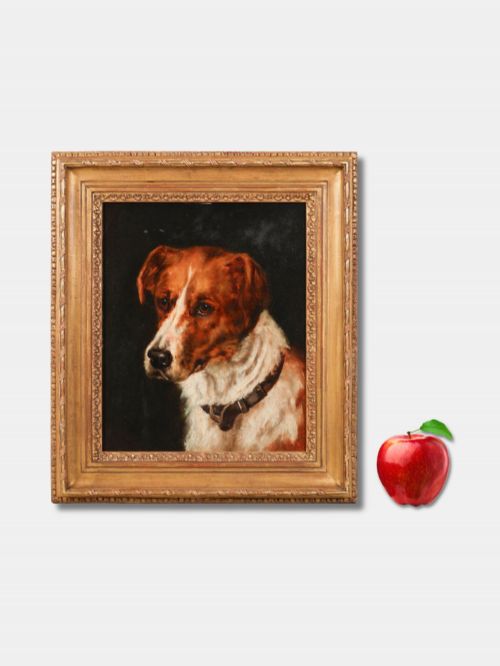
Buyers will encounter framed oil paintings, panel works, board studies, and pastel drawings depicting individual pets, group scenes, and formal animal studies.
How They Were Made
Artists utilised oil paint applied to canvas, wooden board, or panel, often building rich texture and depth to render the fur and expression of each animal.
Works on paper utilised pastel and watercolour mediums, sometimes mounted within traditional frames featuring gesso and gold leaf detailing.
Materials across the listings include oil paint, canvas, wood, board, gesso, and gold leaf.
What Varies in Quality
The skill of the hand dictates the success of a vintage pet portrait, separating mechanical renderings from works that capture the alert intelligence and physical presence of the animal.
Composition and anatomical accuracy vary significantly, with accomplished artists conveying convincing bone structure and character beneath the fur, while simpler naive pieces rely on charm and directness.
William Barraud·LM Webb·Agnes Augusta Tallboys·ME Hankinson·Valentine Thomas Garland·Florence Mabel Hollams·Francisco Jose Domingo y Marques·Samuel John Carter·A Betts·Frank Owen Salisbury·Benedict Angell Hyland
The Vintage Pet Portrait Glossary
- Naive school
- An aesthetic characterised by a childlike perspective and simplified perspective, often produced by self-taught artists. These works prioritise direct emotional expression over strict academic proportion.
- Oil on board
- A painting method where pigment suspended in drying oil is applied directly to a rigid wooden or composite board rather than woven fabric. This surface offers a stable ground for detailed brushwork.
- Gesso
- A plaster-like mixture applied to wooden panels or frame mouldings to prepare a smooth surface for painting or gilding. It creates a solid foundation that accepts gold leaf effectively.
- Pastel
- A dry drawing medium composed of powdered pigment and a binder, shaped into sticks. Artists blend these pigments directly on paper to achieve soft textures well suited to animal fur.
Vintage Pet Portrait: Frequently Asked Questions
How do I identify a nineteenth-century dog painting?
Examine the framing materials, canvas preparation, and stylistic markers typical of the period, such as traditional realists or naive school approaches.
Look for period-appropriate backing boards, handwritten inscriptions, and pigment characteristics consistent with nineteenth-century oil and canvas work.
What animals appear in these vintage portraits?
The selections predominantly feature dogs and cats, ranging from individual spaniels, terriers, and pugs to multi-cat tea party scenes.
Artists recorded specific breeds including Pekingese, St Bernards, collies, and pugs alongside domestic moggies and kittens.
Are these artworks framed?
Many pieces arrive within their original or period frames, which often incorporate gesso and gold leaf details.
Framing styles reflect the era of creation, from ornate Victorian mouldings to simpler mid-century wooden surrounds.
How should I care for an oil painting on board?
Keep the artwork away from direct sunlight and steady humidity fluctuations to protect both the wooden support and the oil paint layer.
Dust the surface gently with a soft, dry brush and avoid chemical cleaners on the paint or gesso frame.