


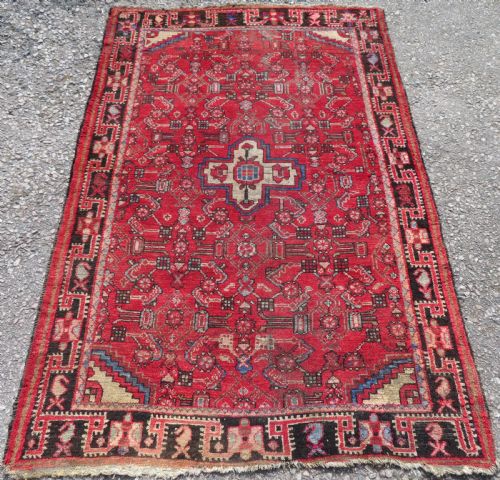
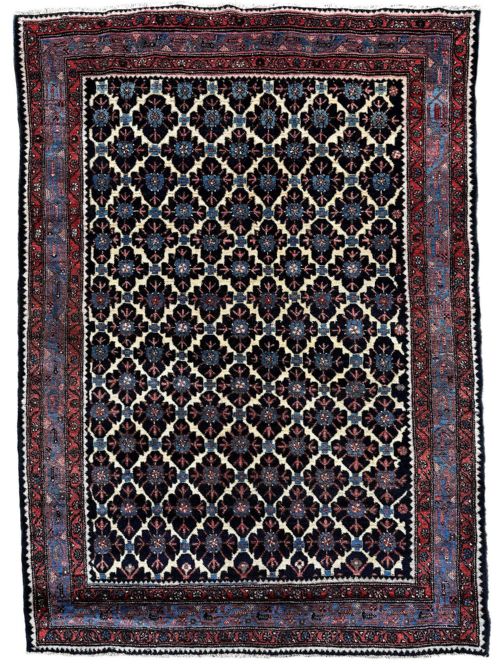


Vintage Persian Hamadan Rug
These heavy hand-knotted floor coverings bring rich West Persian village character and enduring warmth to any interior.
Vintage Persian Hamadan Rug
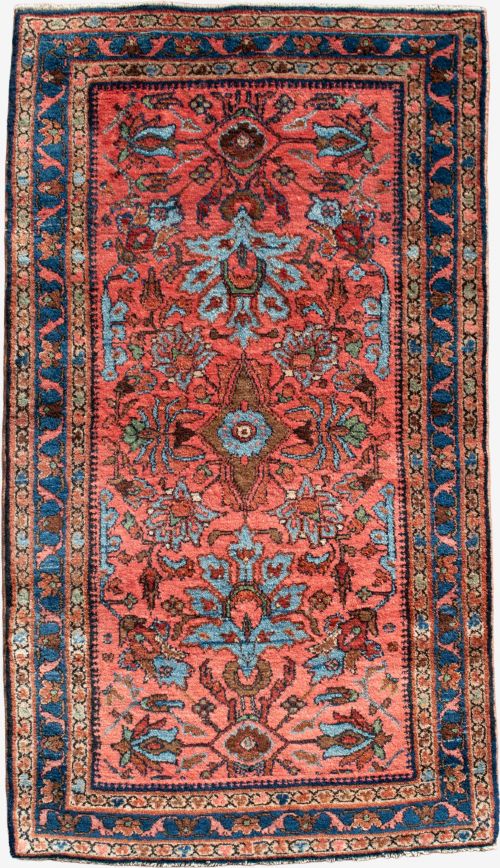
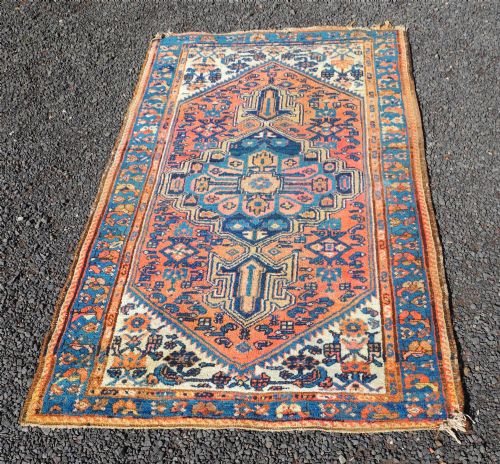
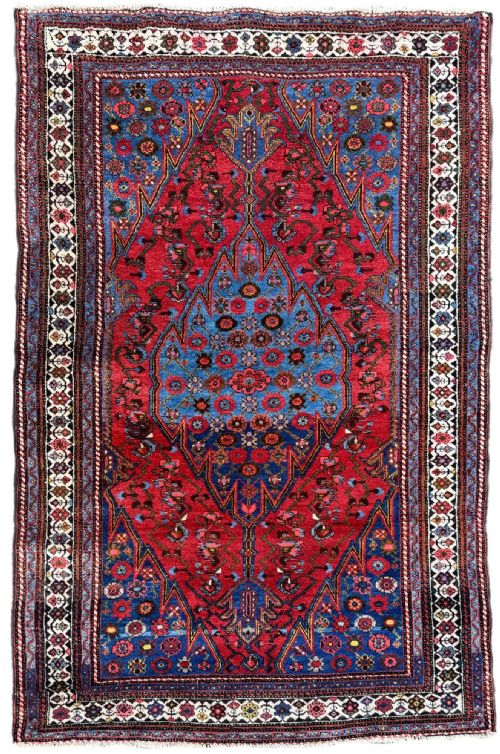
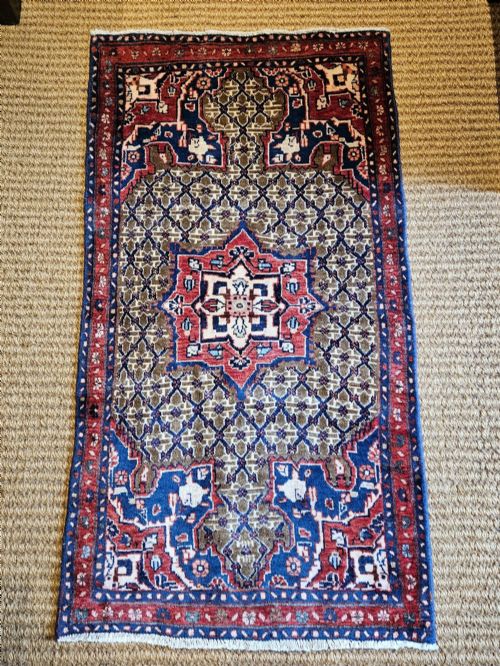
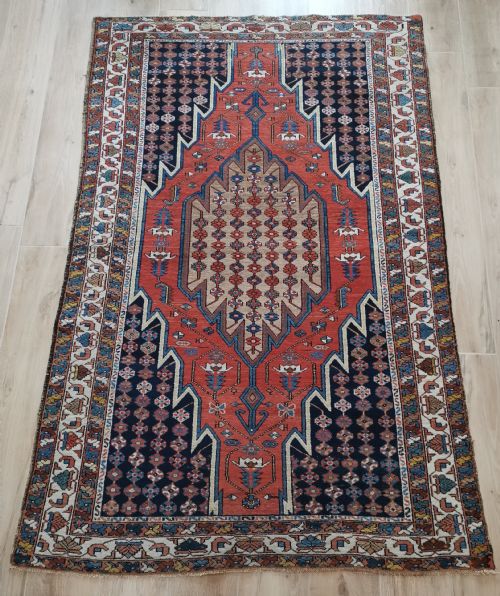
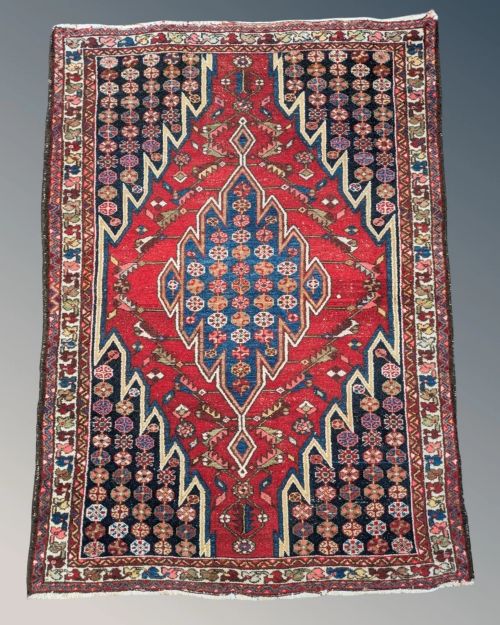
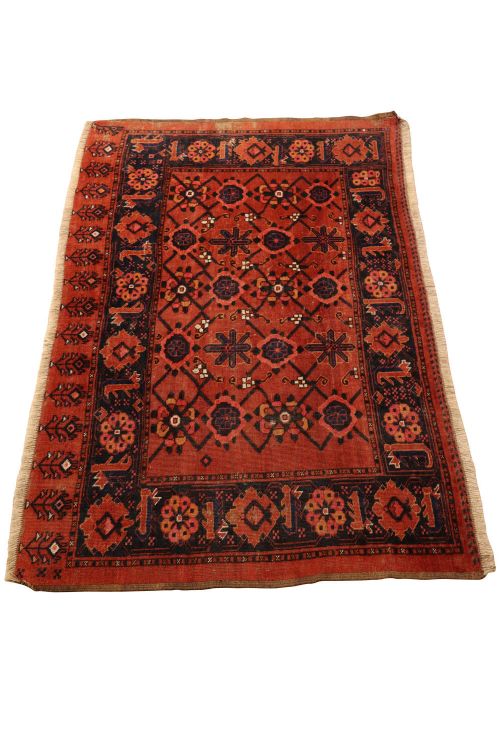
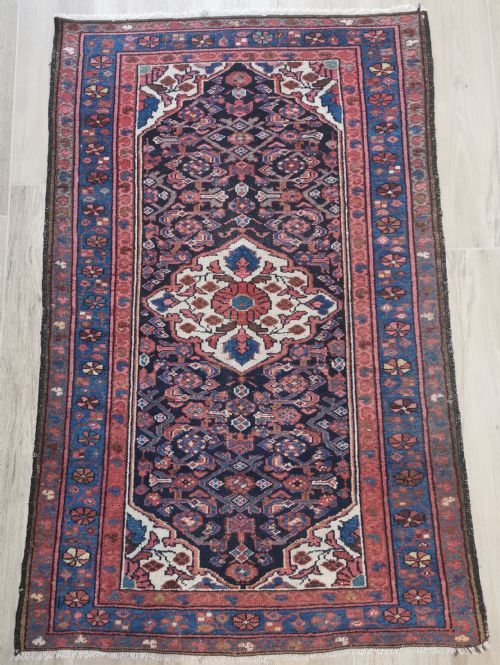
When you search for a vintage persian hamadan rug, you examine robust village and tribal floor coverings originating from the wider Hamadan region of West Persia. These pieces include smaller hearth-sized formats, room-scale carpets, and long narrow runners suited to hallways.
The selection ranges from traditional geometric village designs to pieces bearing Kurdish or Malayer influences, created by weavers working across the region from the late nineteenth century into the twentieth century. Standard area sizes and elongated runners dominate the selection, offering versatile options for corridors and living spaces.
How they were made
These floor coverings rely on sturdy wool piles hand-knotted onto dependable cotton foundations, creating a dense structure designed for heavy domestic use. Artisans utilised local dyeing traditions and hand-knotting techniques specific to individual West Persian villages to achieve durable, resilient textiles.
Weavers constructed these pieces with thick pile structures that absorb foot traffic while maintaining structural integrity over decades of daily wear in country houses and town interiors alike.
Vintage Persian Hamadan Rug Retail Price Guide 2026
Typical asking prices for vintage persian hamadan rug among the pieces listed under this phrase on Sellingantiques today, from the lower quarter to the upper quarter. They describe what is for sale here now, not the wider market.
The site listings span production dates from the eighteen-seventies through the nineteen-forties, constructed using wool and cotton materials.
What varies in quality
Quality rests in the tightness of the knotting, the crispness of the tribal design work, and the integrity of the wool pile across the surface. Denser knotting and well-balanced proportions separate finer village carpets from simpler utility runners.
The survival of original side cordings and end finishes also dictates the standing of an individual piece, alongside the clarity and saturation of the natural wool tones.
The Vintage Persian Hamadan Rug Glossary
- Hamadan
- A vast market city in West Persia that serves as the collection and trading centre for hundreds of surrounding weaving villages. Pieces bearing this attribution display a wide diversity of tribal and geometric patterns.
- Runner
- A long, narrow carpet format designed specifically for hallways, corridors, and staircases. These pieces provide durable floor coverage in high-traffic linear spaces.
- Kelleh
- A large rectangular carpet format, typically longer than it is wide, traditionally utilised in Persian domestic interiors. These grander pieces offer substantial floor presence.
- Malayer
- A neighbouring West Persian weaving district renowned for refined room-scale carpets and smaller rugs. Pieces from this area frequently share stylistic traits with Hamadan village production.
Vintage Persian Hamadan Rug: Frequently Asked Questions
How do I clean a wool rug?
Regular gentle vacuuming without a beater bar removes surface dust trapped within the thick wool pile. Professional specialist cleaning remains essential for deep washing to protect the cotton foundation.
Avoid immersion in water or harsh chemical detergents at home, as moisture damages traditional natural dyes and weakens the foundational structure over time.
Where should I place a runner?
Long narrow runners suit hallways, entryways, and corridors where heavy daily foot traffic requires durable floor protection. Their elongated dimensions bridge separate rooms while adding warmth to transitional spaces.
Ensure you position a suitable non-slip underlay beneath the piece to keep it flat and prevent shifting on hard wooden or tiled floors.
Are these pieces durable?
Traditional West Persian village floor coverings use sturdy wool piles knotted onto cotton foundations for exceptional longevity. Their dense construction withstands generations of domestic use when placed in appropriate interior settings.
Rotating the piece every year ensures even wear patterns across high-traffic areas and balances exposure to natural sunlight.
How do I date a village rug?
Examining the wool quality, dye palette, and structural characteristics provides clues to the era of manufacture. Pieces from the late nineteenth and early twentieth centuries display distinct regional weaving traits and hand-spun materials.
Subtle irregularities in geometry and minor variations in wool texture confirm the hand-knotted village origins rather than later machine production.