




Vintage Hamadan Floor Rug
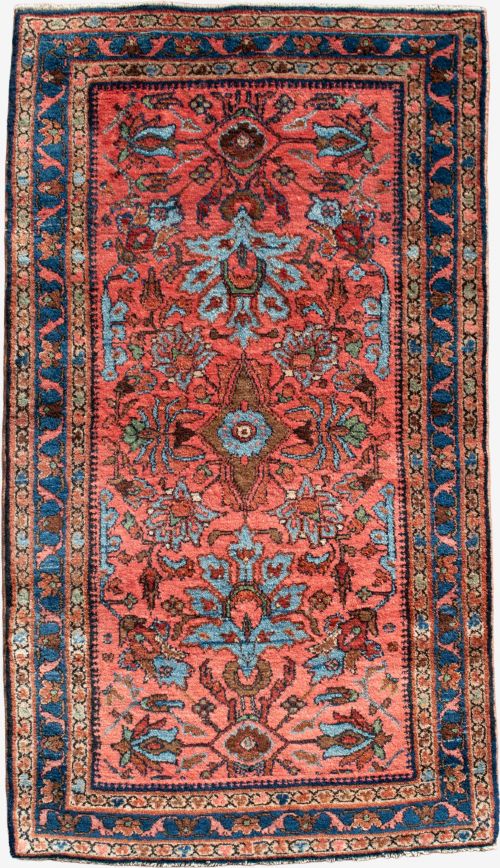
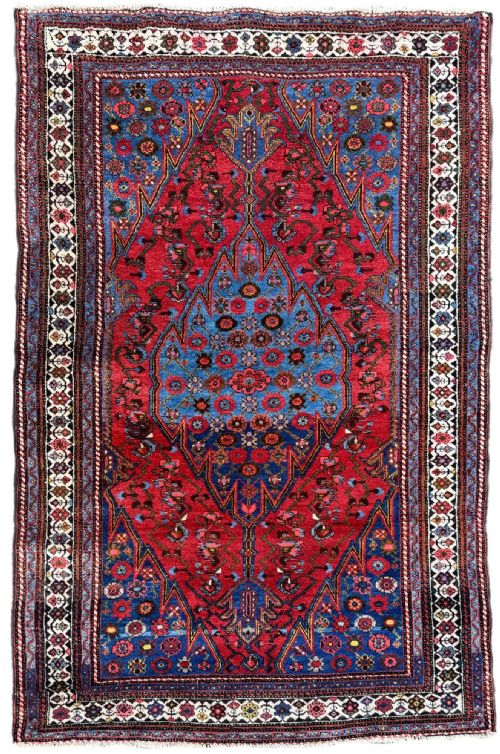
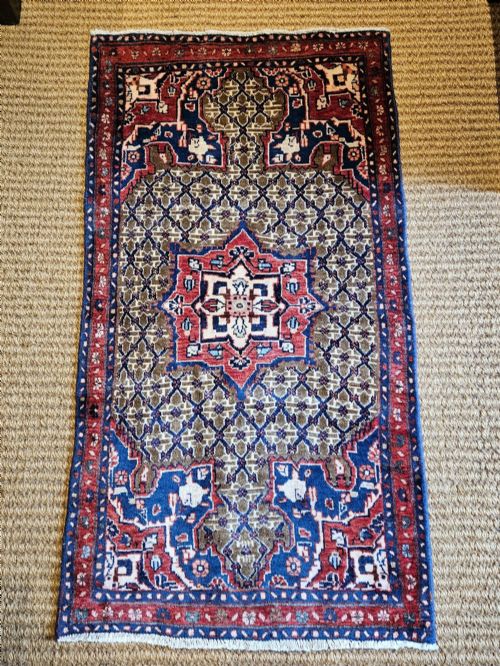
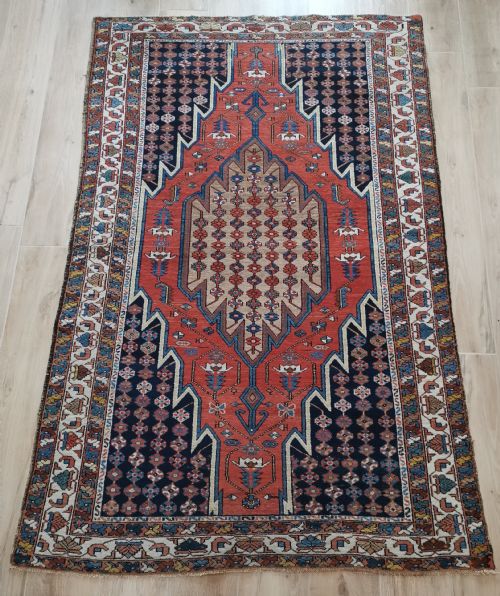
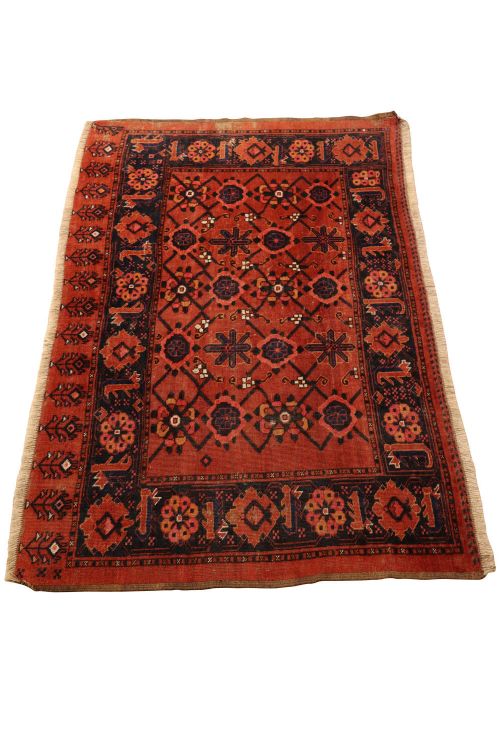
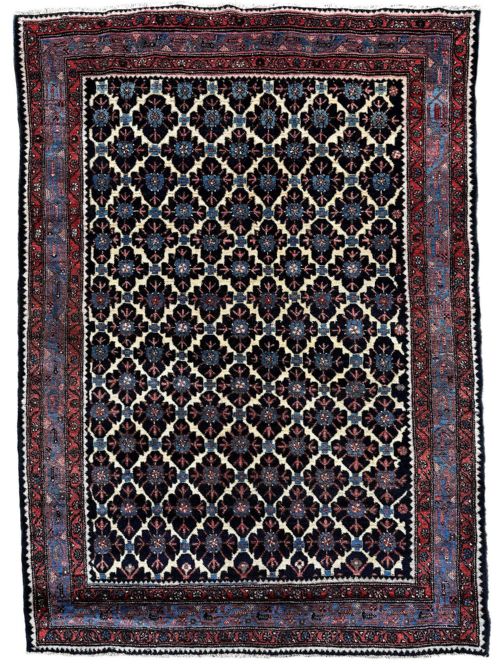
A vintage hamadan floor rug brings genuine Persian tribal character and wool warmth to a room.
Vintage Hamadan Floor Rug
Every vintage hamadan floor rug originates from the West Persian region known for village and tribal weaving traditions. Buyers searching for a vintage hamadan floor rug encounter sturdy floor coverings produced across various decades from the late nineteenth century through the mid twentieth century.
The selection here encompasses room-sized carpets, hearth-sized formats, and narrow runners. Most examples display traditional Persian tribal patterns woven in local village workshops rather than grand city centres.
How they were made
Makers constructed each vintage hamadan floor rug using wool for the pile and cotton for the foundation structure. The hand-knotted technique binds these natural fibres tightly together to withstand generations of foot traffic.
Weavers utilised hand-spun wool dyed with traditional local colourants to form geometric medallions and floral lattice designs across the surface. These dense wool knots create the durable fabric characteristic of West Persian village textiles.
Vintage Hamadan Floor Rug Retail Price Guide 2026
Typical asking prices for vintage hamadan floor rug among the pieces listed under this phrase on Sellingantiques today, from the lower quarter to the upper quarter. They describe what is for sale here now, not the wider market.
Regional designations include specific West Persian villages such as Mazlaghan and Borodjert alongside broader Hamadan and Malayer classifications.
What varies in quality
Knot density and wool quality distinguish finer weaving from simpler utility pieces. Greater precision in the hand-knotted motifs and finer yarn preparation elevate certain examples above standard village production.
State of preservation and scale also define the standing of individual pieces. Large carpets and early nineteenth century dates command attention through their surviving structural integrity and visual depth.
The Vintage Hamadan Floor Rug Glossary
- Hamadan
- A vast market town and weaving region in West Persia that collected and distributed village rugs. Many surrounding settlements produced distinctive tribal wool carpets sold under this regional grouping.
- Hand-knotted
- A manufacturing method where individual strands of wool are tied by hand onto a cotton warp and weft foundation. This laborious technique ensures the rug lies flat and endures decades of use.
- Mazlaghan
- A style of village rug associated with the Hamadan region featuring bold geometric medallions and contrasting corner spandrels. These pieces share the wool and cotton construction typical of West Persian weaving.
- Borodjert
- A specific village within the Hamadan region known for distinctive local floor rugs. Pieces from this locale often incorporate floral lattice designs.
- Runner
- A long, narrow carpet format designed for hallways, corridors, or alongside furniture. These rectangular pieces follow the same hand-knotted wool construction as larger room carpets.
Vintage Hamadan Floor Rug: Frequently Asked Questions
Where were these rugs made?
These rugs were woven in villages and tribal settlements across the West Persian region surrounding the town of Hamadan. Local weavers produced them using regional wool and traditional hand-knotted methods.
Production spanned local workshops and home settings rather than large commercial factories. Each piece reflects the specific design vocabulary of its originating village.
How do I care for wool rugs?
Regular gentle vacuuming without a beater bar keeps wool pile free from embedded grit and dust. Professional cleaning maintains the natural lanolin in the wool fibres.
Positioning a suitable underlay beneath the carpet prevents slippage and reduces friction against hard flooring. This simple addition preserves the cotton foundation over years of daily use.
How can I tell the age?
Dating relies on structural characteristics, wool characteristics, and design elements typical of specific decades from the late nineteenth to the mid twentieth century. Natural dye variations and wear patterns also indicate older production periods.
Comparing the knotting style and regional motifs helps place an example within its general era. Surviving carpets from the eighteen-nineties and nineteen-tens display distinct material patination.
Are these suitable for hallways?
Narrow runner formats and smaller area rugs fit naturally into corridors and narrow circulation spaces. Their durable wool construction withstands regular walking traffic.
Checking specific dimensions ensures proper clearance for doors opening above the floor covering. These formats bring West Persian warmth to transitional spaces.