
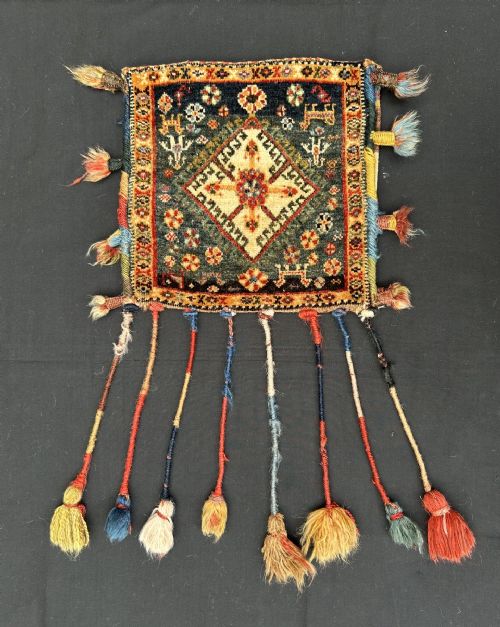
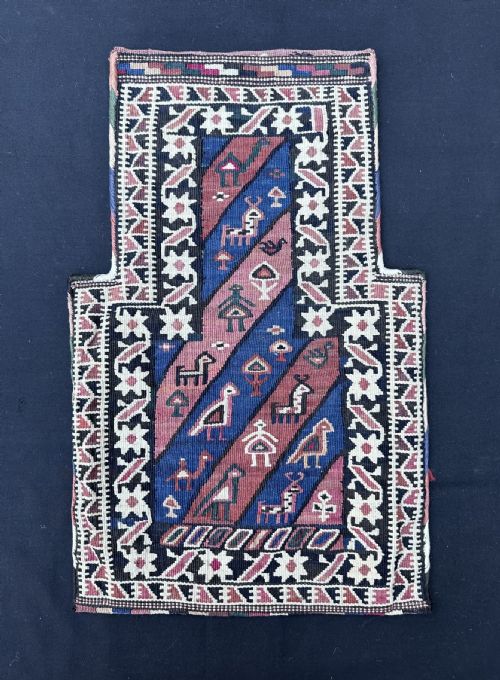
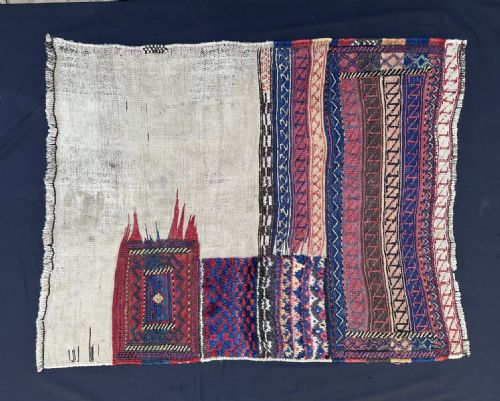
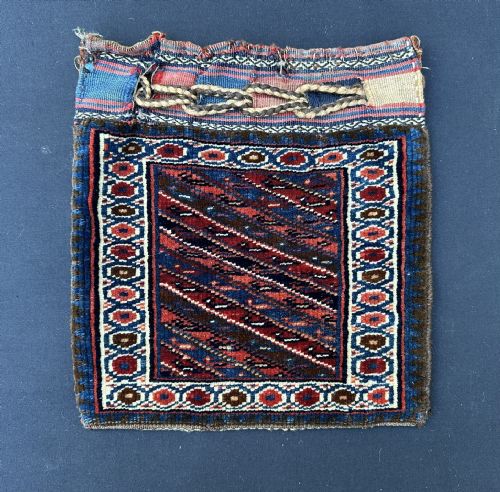




Vintage Persia Woven Rug
A vintage persia woven rug brings rich colour and enduring tribal history straight to the floor.
Vintage Persia Woven Rug
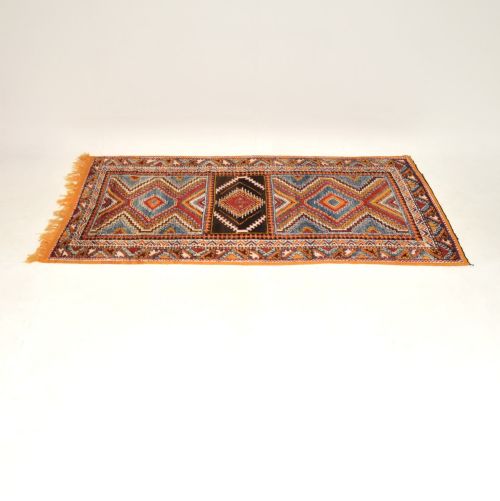
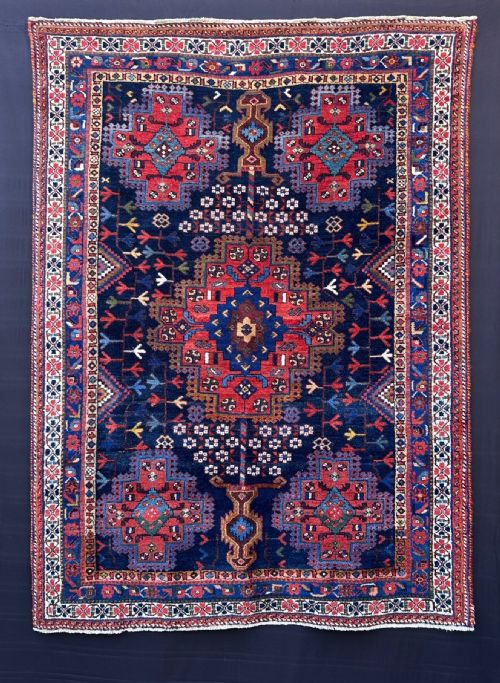
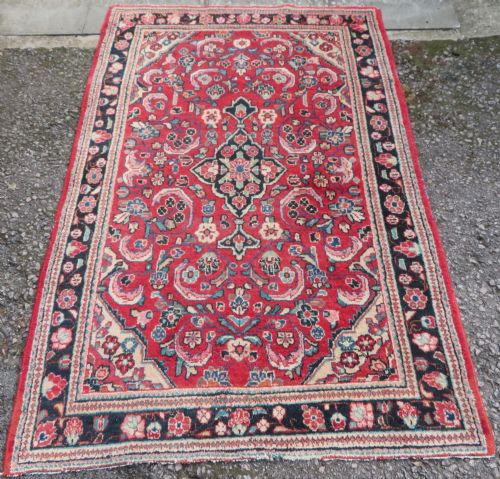
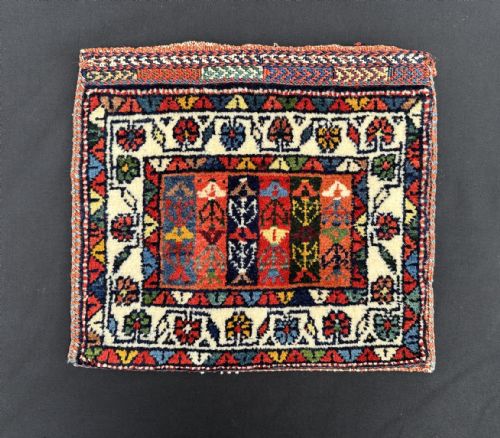
Most pieces met on this page stem from distinct tribal confederacies and weaving traditions such as the Afshar, Qashqa'i, and Bakhtiari. These functional items translate historical nomadic artistry into tangible floor coverings and decorative hangings.
Materials and construction
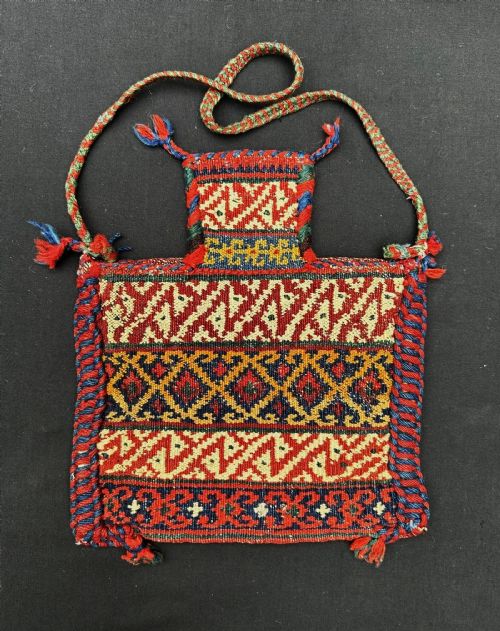
Makers utilised hand-spun wool and sturdy cotton foundations, occasionally incorporating goat hair and leather for added durability in utilitarian bags. Natural dyes provide the enduring palette seen across these nineteenth and early twentieth-century textiles.
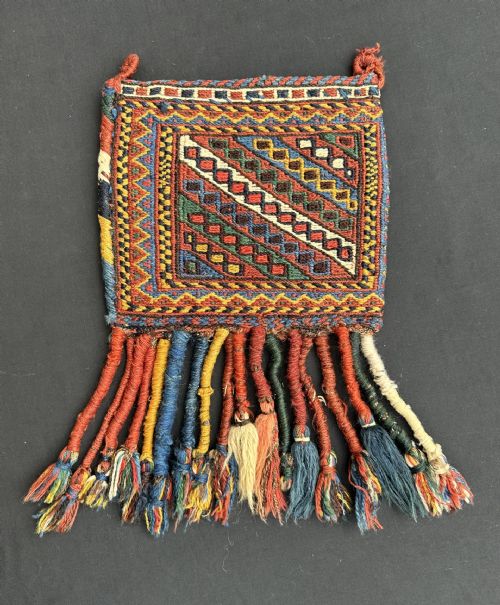
Weavers employed traditional knotting and flat-weaving techniques, producing both piled carpets and flat-woven soumak or tacheh structures designed to withstand daily nomadic life.
Nomadic weavers occasionally wove tiny protective amulets directly into the edges of salt-bags to ward off the evil eye.
Distinctions in craftsmanship
Quality rests in the precision of the tribal designs, the integrity of the natural dyes, and the fineness of the wool preparation. Master weavers achieved exceptional tightness in the knotting and remarkable clarity within complex geometric or medallion motifs.
Condition and structural survival differentiate examples that retained their original edges and complete pile from those showing heavy wear or modern alterations. The purity of the wool and the depth of the palette determine the ultimate visual presence of the textile.
Benlian
The Vintage Persia Woven Rug Glossary
- Soumak
- A flat-weave technique utilising a wrapping method over the warp threads that creates a sturdy textile without a raised pile. This method allows for crisp diagonal lines in geometric patterns.
- Sofreh
- A spread or cloth traditionally used for kneading dough, sharing meals, or handling bread within nomadic households. These textiles frequently display striking central fields and symbolic borders.
- Boteh
- A stylised almond or paisley motif representing a floral spray or cypress tree, deeply rooted in Persian design. It appears frequently across Afshar and village weavings.
- Warp
- The stationary vertical threads stretched upon the loom that form the structural skeleton of the rug. The exposed ends often terminate in decorative fringes.
- Weft
- The horizontal threads passed alternately over and under the warp threads to bind the knots and secure the structure of the carpet. Multiple weft shots add firmness to village carpets.
Vintage Persia Woven Rug: Frequently Asked Questions
How do I clean a vintage rug?
Gentle surface brushing and professional specialist washing preserve the delicate natural dyes and hand-spun wool fibres without causing shrinkage or bleeding.
Avoid harsh chemical detergents and heavy mechanical scrubbing that weaken the historical cotton foundation.
Can I place these rugs in high-traffic hallways?
Sturdy village runners and densely knotted carpets handle moderate foot traffic well when supported by a quality underlay.
Delicate salt-bags and antique flat-weaves benefit from placement in lower-traffic areas to protect their fragile historical structures.
How do I identify tribal origins?
Characteristic border motifs, specific colour palettes, and unique structural quirks reveal the specific regional confederacy behind each textile.
Comparing knot counts and secondary wool colours helps isolate whether a piece belongs to the Afshar, Qashqa'i, or Bakhtiari traditions.
What underlay should I use?
A breathable, natural rubber mesh underlay prevents slipping while allowing air circulation beneath the dense wool pile.
Avoid plastic or solid rubber backings that trap moisture and deteriorate historical cotton warps over time.