



Vintage Pastoral Landscape Art
Vintage pastoral landscape art captures rural scenes, countryside rivers and farming life through oil paintings, watercolours and tapestries.
Vintage Pastoral Landscape Art
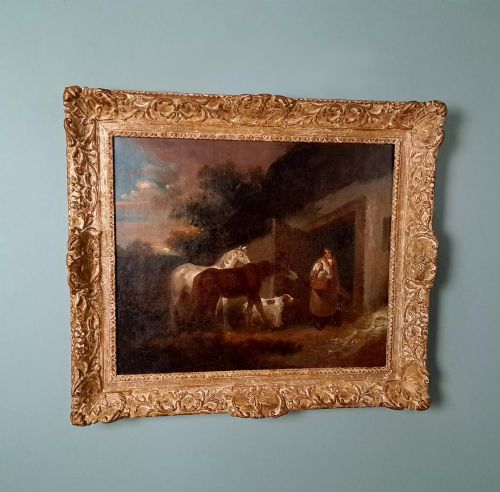
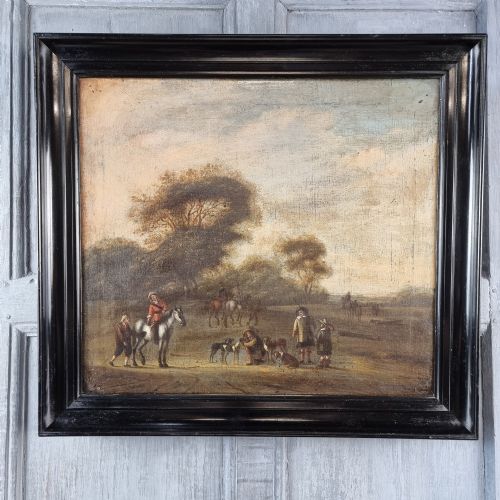
Vintage pastoral landscape art centres on traditional depictions of country life, agricultural scenes and natural vistas found across Britain and Europe. You will encounter works spanning the seventeenth through the early twentieth centuries, reflecting changing interpretations of the countryside over generations.
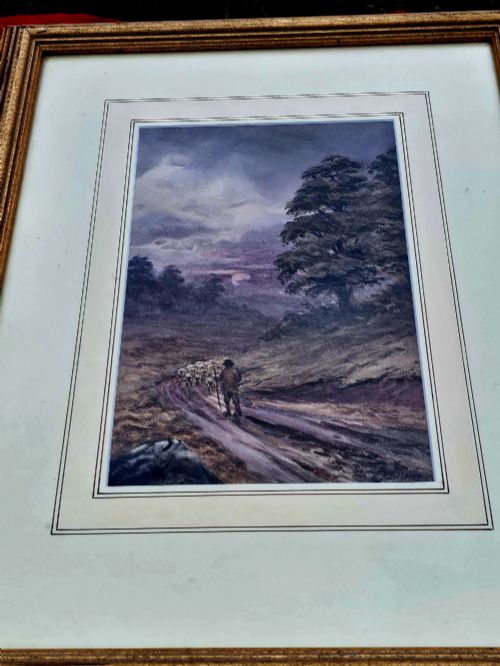
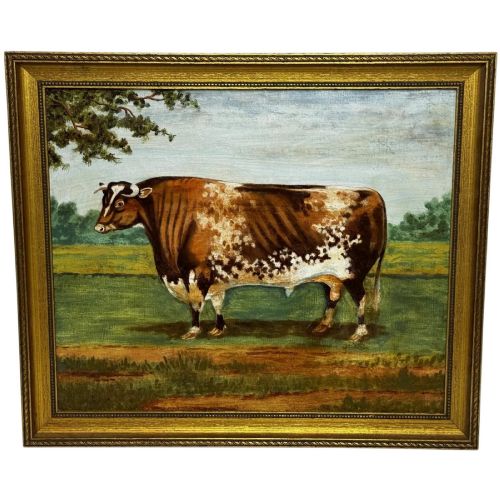
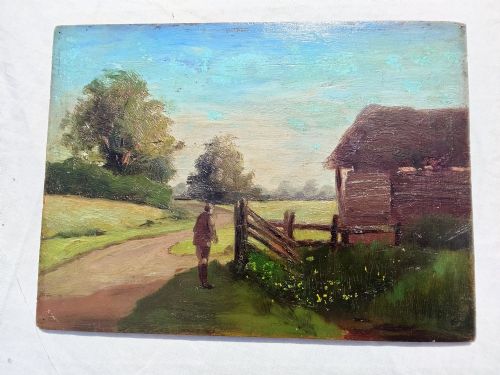
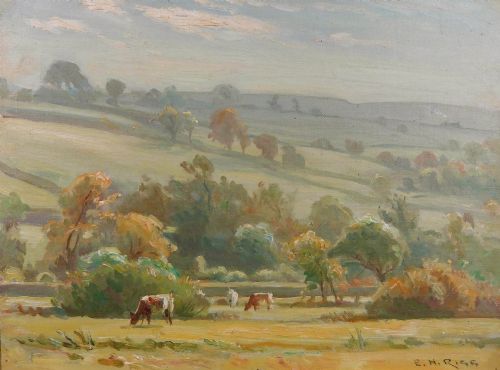
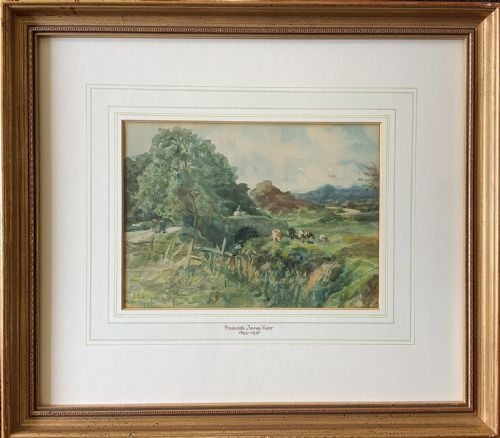
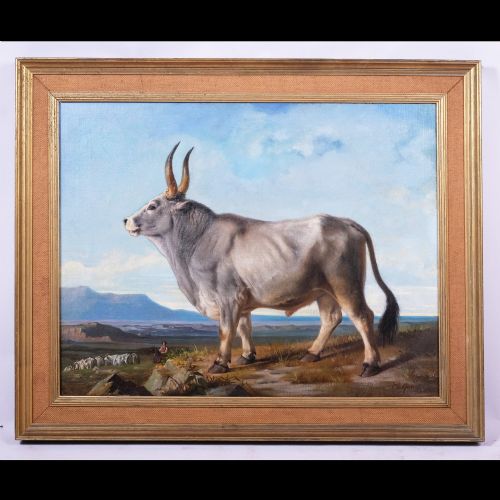
The selections here range from oil paintings on canvas and wood panel to watercolours on paper and large woven wall tapestries. Many pieces focus on agricultural subjects like cattle, sheep and farming laborers within rural or woodland settings.
British and Scottish school works predominate, alongside examples influenced by continental movements such as French tapestries and Italian views. These objects preserve historical visions of rural trades, domestic animals and river valleys.
Materials and methods in the collection
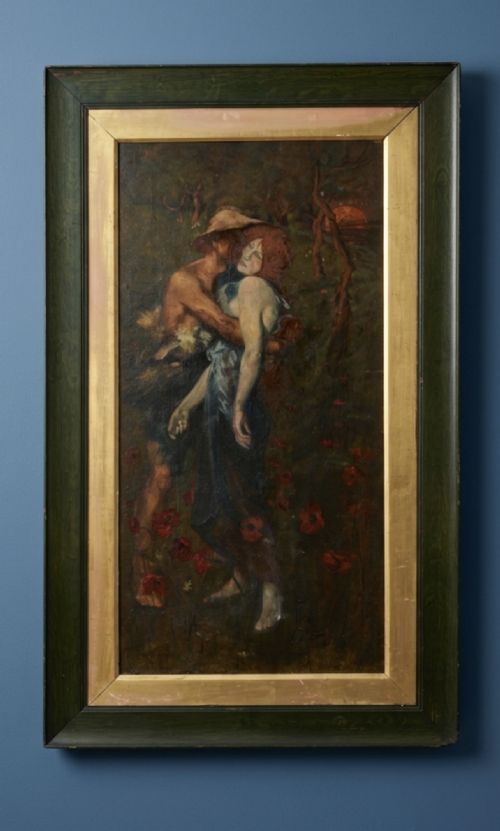
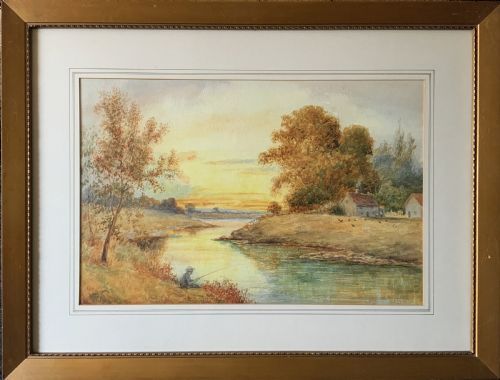
Painters utilised oil paint on canvas, wooden boards and wooden panels, frequently layering pigments to achieve depth in foliage and skies. Watercolours on paper offer lighter translucent effects, often framed alongside original protective glass.
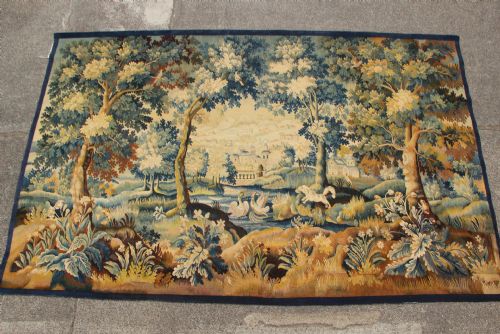
Textile works involve intricate weaving techniques, seen in wool and silk verdure tapestries from Aubusson and detailed eighteenth-century needlework pictures. Gilt framing complements many of the canvas and paper works, preserving the edges of the media.
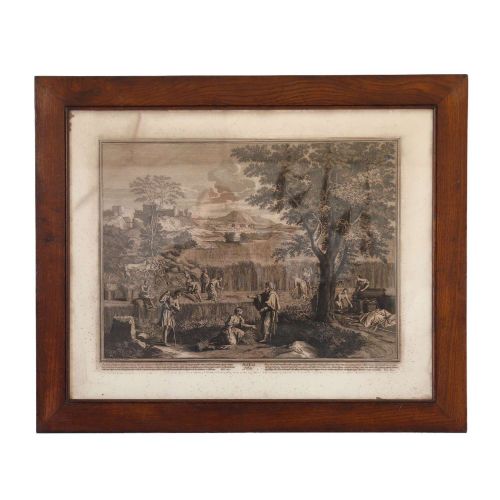
Listings feature works from the seventeenth, eighteenth, nineteenth and early twentieth centuries, executed in oil, watercolour, engraving and tapestry.
Distinctions in quality across the range
Execution of detail in figures, animal anatomy and botanical elements separates highly accomplished works from more formulaic compositions. Mastery of light, atmospheric perspective and brushwork control determine the visual strength of a painting.
The preservation of the primary medium, whether canvas integrity, paper stability or textile tension, influences the overall condition. Original framing and documented attribution to known regional schools or specific artists elevate the historical interest of a piece.
Tom Campbell·William Joseph Shayer Senior·Ernest Higgins Rigg·Frederick James Kerr·John Emms·Charles Clair·Henry Charles Fox·James William Booth·Owen Bowen·Ernest Pile Bucknall
The Vintage Pastoral Landscape Art Glossary
- Pastoral landscape
- A genre of art depicting rural life, shepherds, agricultural workers and domestic animals in idealized or natural country settings. These scenes often emphasise tranquility and traditional agrarian pursuits.
- Verdure tapestry
- A wall hanging featuring a stylized landscape rich in foliage, trees and often animals or birds. Aubusson workshops produced notable examples of these large woven textiles.
- Oil on panel
- A painting executed on a wooden board rather than stretched canvas. This rigid support was common in earlier centuries before canvas became dominant.
- British School
- A designation for artists working within Britain whose styles reflect shared national traditions rather than a single formal academy. It groups together regional landscape and portrait painters.
- Watercolour
- A paint consisting of pigment suspended in a water-soluble vehicle, typically applied to paper. It allows for transparent washes and delicate tonal gradations.
Vintage Pastoral Landscape Art: Frequently Asked Questions
What subjects appear in pastoral art?
Pastoral art focuses primarily on rural life, featuring herds of cattle and sheep, agricultural workers, rivers and wooded countryside. Domestic animals and farming labour form the core of these rural compositions.
Artists also incorporated cottages, bridges and distant hills to frame the natural environment, reflecting agrarian routines from past centuries.
How do I date a pastoral painting?
Dating relies on stylistic clues, framing materials, inscriptions and the artist's recorded working period. Canvas types and wooden panel preparation also offer chronological indicators.
Signatures, exhibition labels on the reverse and historical attire of figures depicted provide further context for establishing the decade of creation.
Where were verdure tapestries made?
Verdure tapestries originated in various European weaving centres, with Aubusson in France noted for producing large decorative wall panels. These textiles often feature lush botanical motifs and landscape elements.
Master weavers utilised wool and silk threads to build up complex woodland scenes designed to insulate rooms and decorate grand interiors.
What is the difference between oil and watercolour?
Oil paintings use pigments bound in drying oils applied to canvas or wood, allowing for rich textures and deep colour layering. Watercolours employ water-soluble pigments on paper, creating lighter and more translucent compositions.
Oils generally require rigid supports and protective varnishes, whereas watercolours are typically preserved behind glass to prevent environmental damage.