

Vintage Paper Stand
A vintage paper stand organises daily reading and correspondence, combining the practical utility of timber furniture with the crisp design of past decades.
Vintage Paper Stand
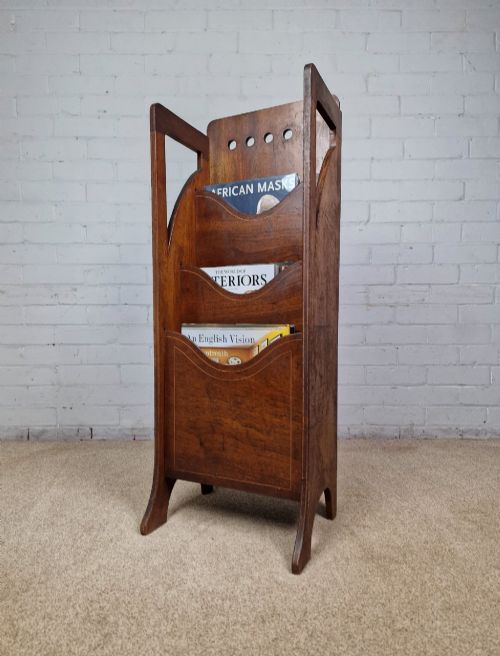
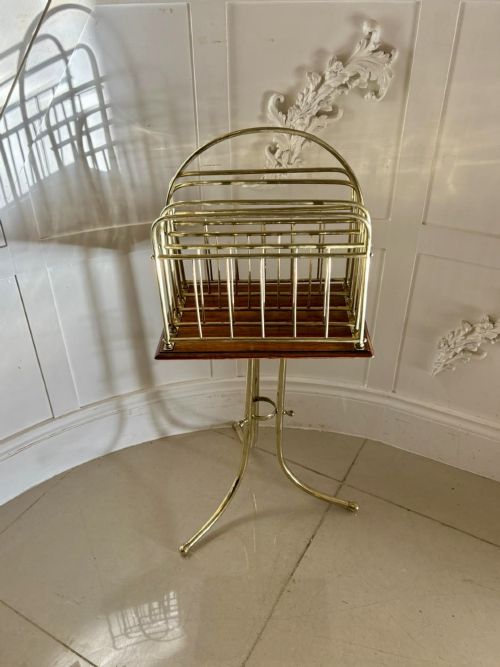
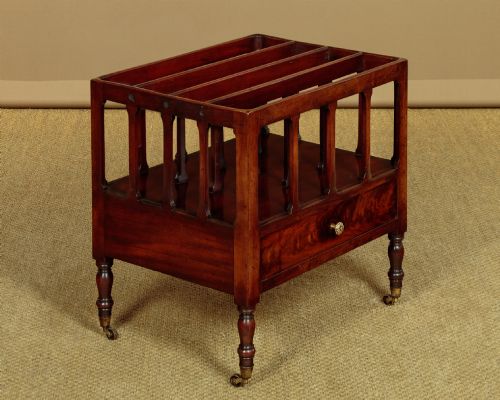
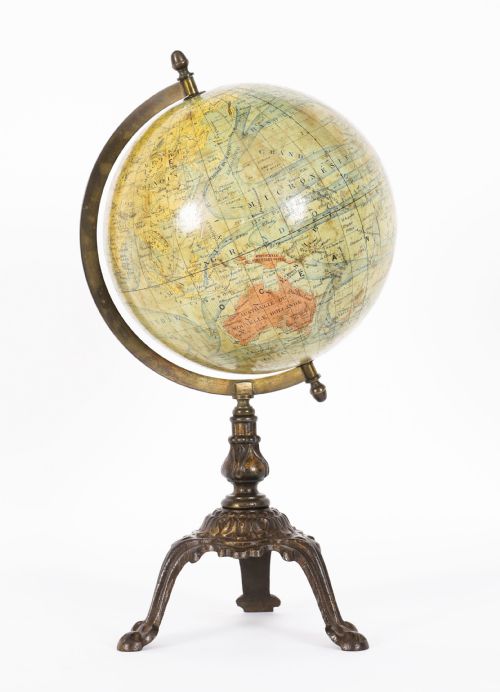
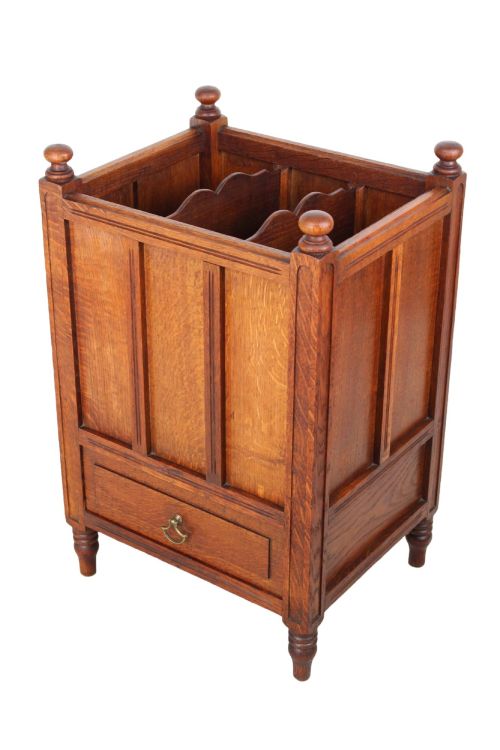
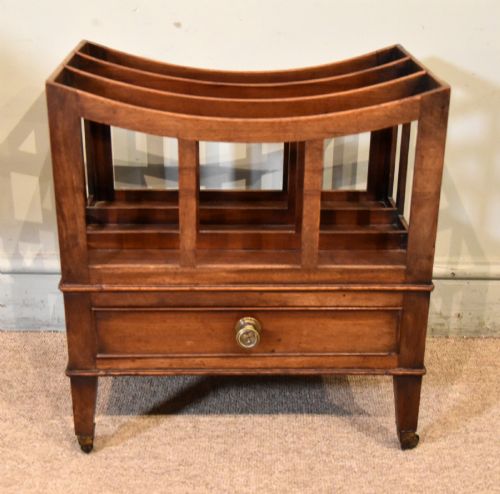
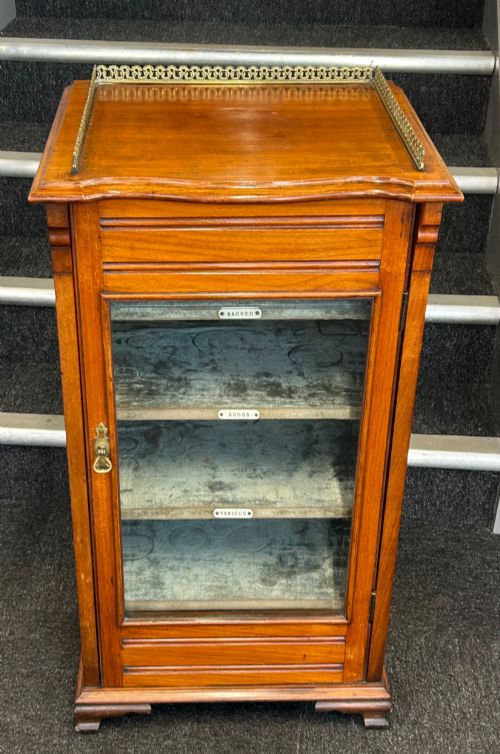
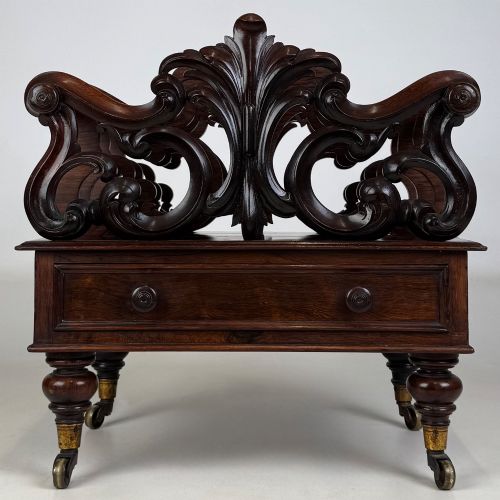
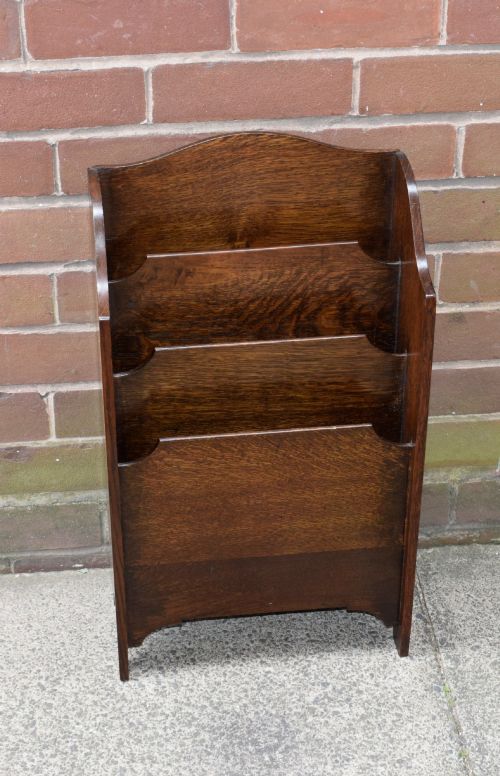
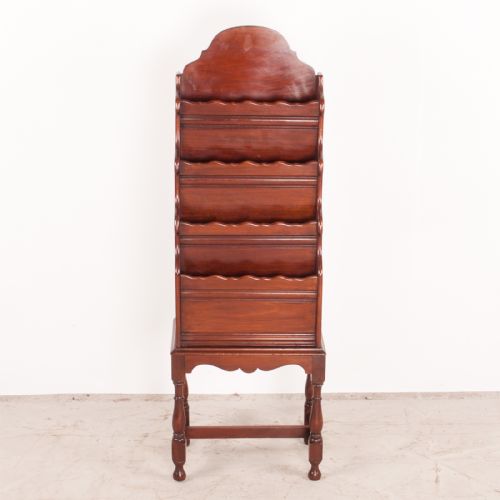
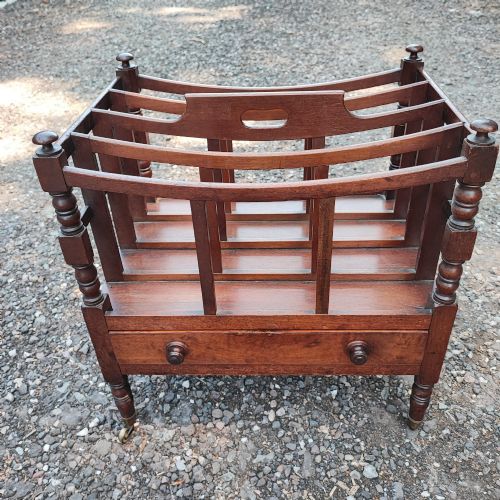
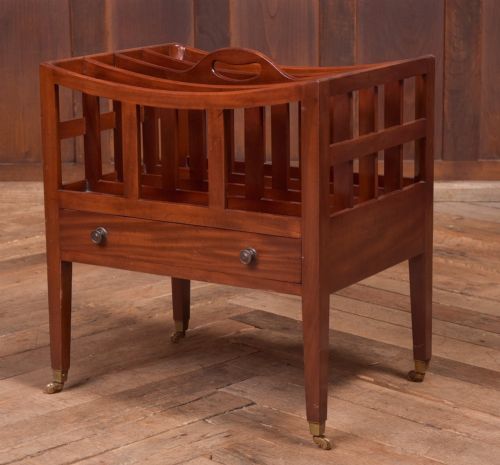
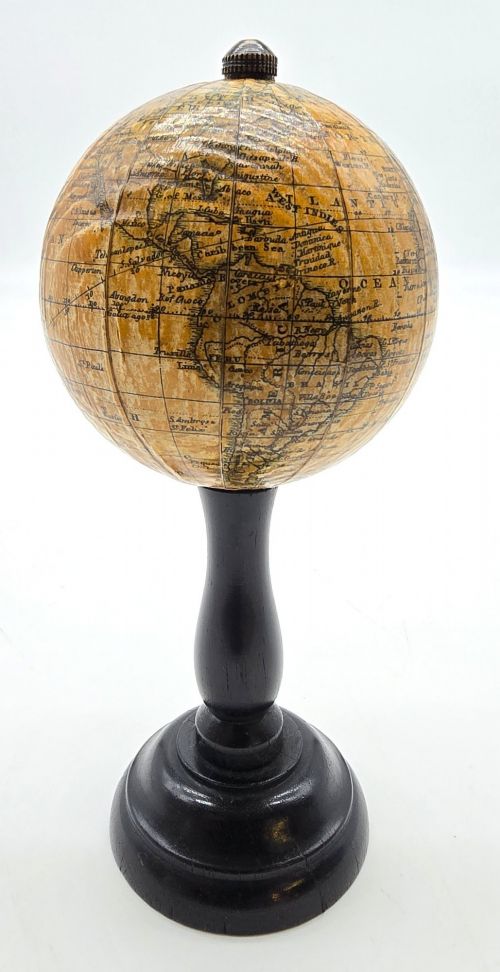
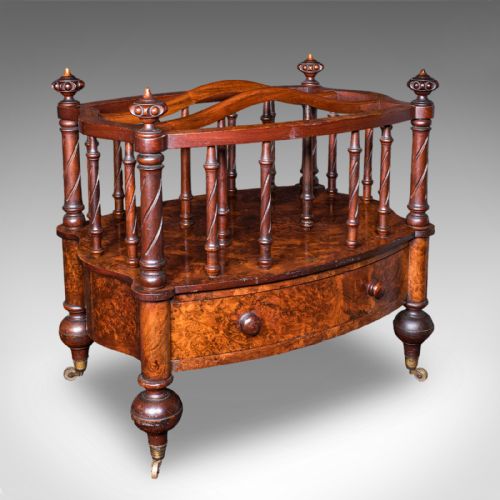
A vintage paper stand encompasses a variety of domestic furnishings designed to hold periodicals, sheets, and folios in an orderly fashion. The selection spans distinct forms, from traditional canterburys and music cabinets to globes and desk accessories.
Buyers frequently encounter pieces originating from the nineteenth and twentieth centuries, fashioned during the Victorian, Edwardian, and Regency periods. Mahogany and walnut variants dominate the listings alongside examples in oak, rosewood, and brass.
The assortment reflects changes in household organisation, ranging from partitioned floor-standing receptacles to compact table stands. Each version serves the primary function of keeping paper materials accessible while adding timber or metal character to a room.
Standards of Manufacture
Quality emerges in the selection of timber veneers and the crispness of carved or turned details on uprights and legs. Superior examples display carefully matched burr walnut or figured mahogany rather than plain secondary woods.
The integrity of internal partitions and joints determines how well a stand withstands daily use. Thoughtful proportions and balanced weight distribution separate refined cabinet work from utilitarian storage boxes.
Some paper stands doubled as impromptu resting spots for slumbering Victorian cats who found the slatted divisions surprisingly snug.
Lebegue & Cie·Henry Arthur Roberts·J. Forest·Malby's
The Vintage Paper Stand Glossary
- Canterbury
- A low, partitioned stand originally designed for holding sheet music or loose papers. These pieces typically feature slatted dividers and small castors for mobility.
- Music Cabinet
- An enclosed piece of furniture with multiple drop-front or drawer-style shelves intended for sorting scores. They were common additions to Edwardian drawing rooms.
- Globe
- A spherical map mounted on a stand, representing the earth or celestial sphere. Terrestrial versions often rest on turned wooden or cast metal pedestals.
- Folio
- A large volume or case designed to hold unbound sheets, prints, or maps. Regency examples provide substantial storage capacity for large paper formats.
- Aesthetic Movement
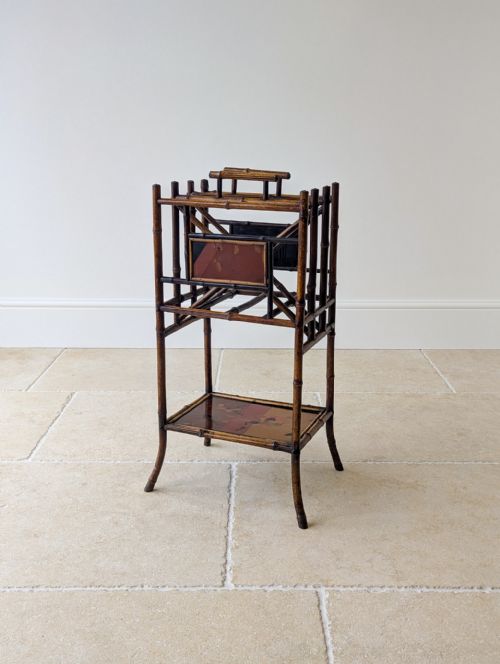
- A late nineteenth-century design style that emphasised decorative art over narrative content. Pieces from this movement often incorporate bamboo or simplified structural forms.
Vintage Paper Stand: Frequently Asked Questions
What is a vintage paper stand used for?
These stands serve to organise periodicals, newspapers, sheet music, and correspondence within domestic spaces. Their compartmentalised designs keep loose reading matter tidy and upright.
Historically, specific forms catered to particular rooms, such as music cabinets in parlours or canterburys beside armchairs for daily journals.
How do I distinguish between Victorian and Edwardian stands?
Victorian pieces tend to use darker, heavily figured woods like rosewood and burr walnut, often featuring ornate carvings or Aesthetic bamboo structures. They reflect a heavier, more decorative approach to interior furnishings.
Edwardian stands generally favour lighter oak or mahogany with simpler lines, reflecting a shift towards airier domestic spaces and more restrained ornamentation.
Where should I place a globe stand in a room?
Floor-standing globes function well as focal points in studies or libraries, positioned away from direct sunlight to protect the paper cartography. Table-top versions suit desks, sideboards, or bookcases.
Ensure the placement allows clear viewing angles for the cartographic details without crowding surrounding furniture.
How do I care for wooden music cabinets and canterburys?
Maintain the timber by applying a microcrystalline wax periodically to nourish the surface and protect the polish. Avoid placing wooden stands near direct heat sources or damp areas.
Dust internal partitions regularly with a soft cloth to prevent the accumulation of grit in corners and joints.