
Vintage Panelled Doors
Vintage panelled doors offer solid timber construction and historic character, bringing period charm and architectural presence into modern interiors.
Vintage Panelled Doors
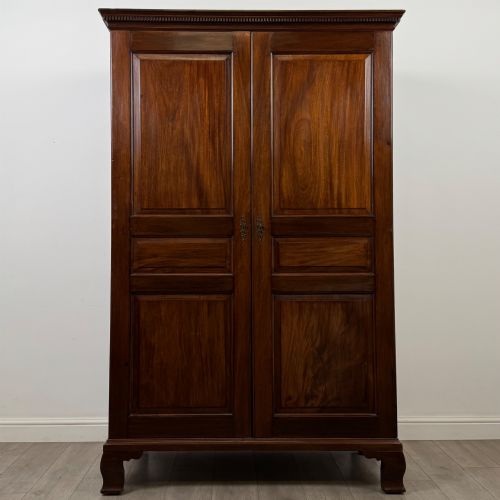
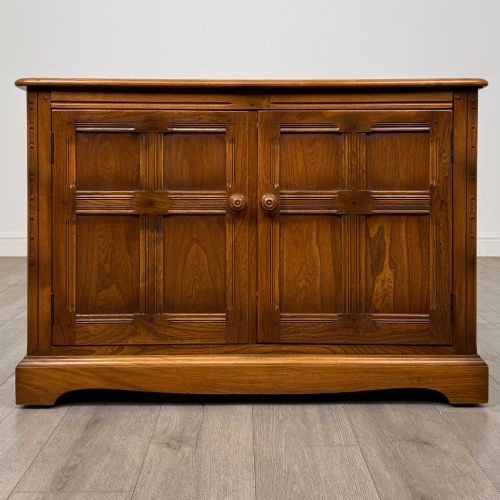
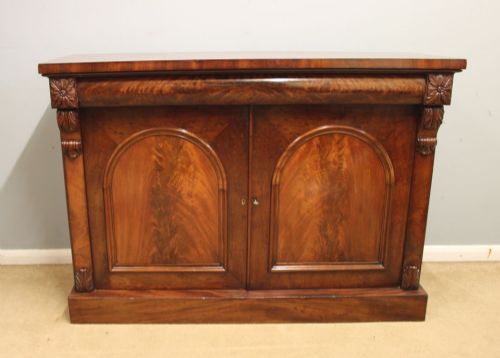
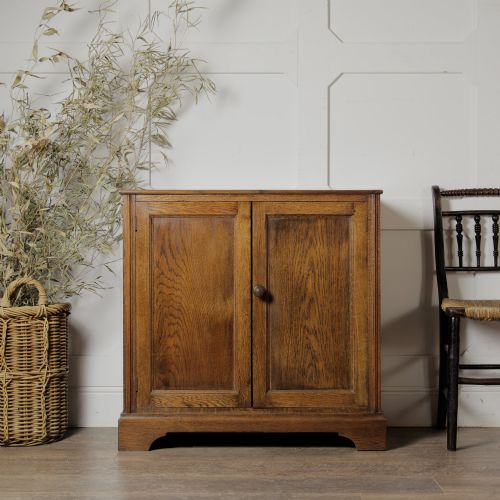
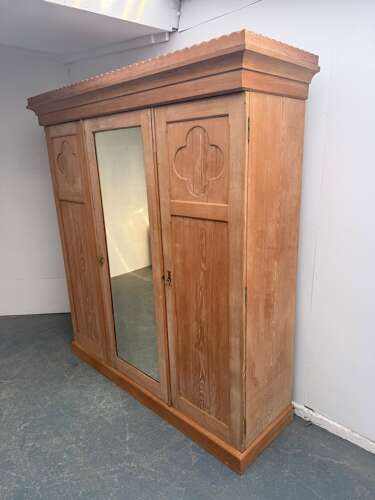
Vintage panelled doors comprise architectural elements and cabinetry components built across the nineteenth and twentieth centuries, incorporating styles from Georgian, Victorian, and Edwardian periods. Buyers searching for vintage panelled doors encounter substantial timber constructions designed originally for domestic rooms, storage cupboards, and larger structural openings.
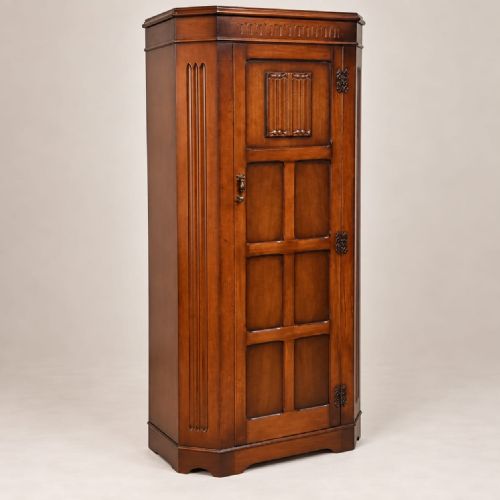
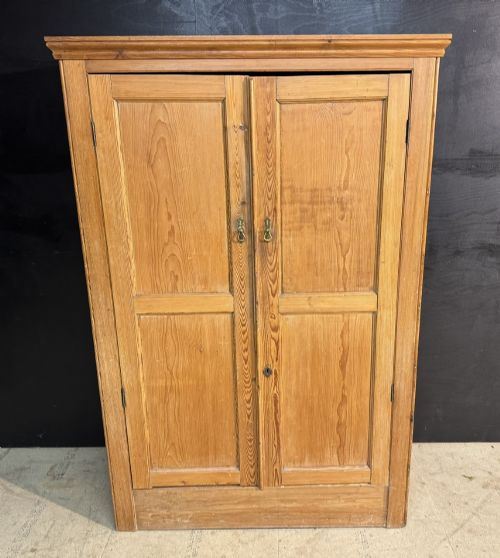
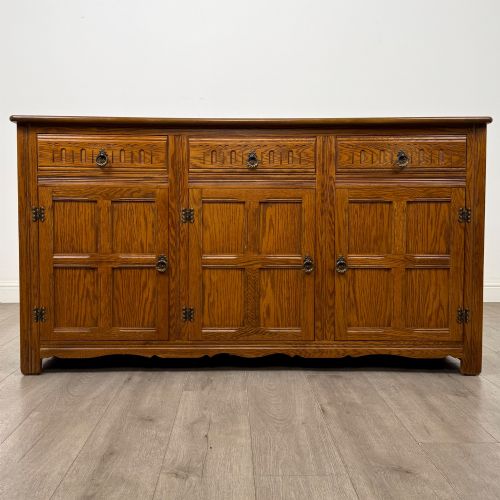
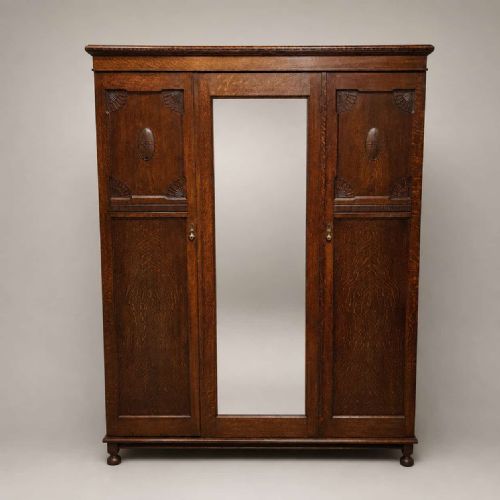
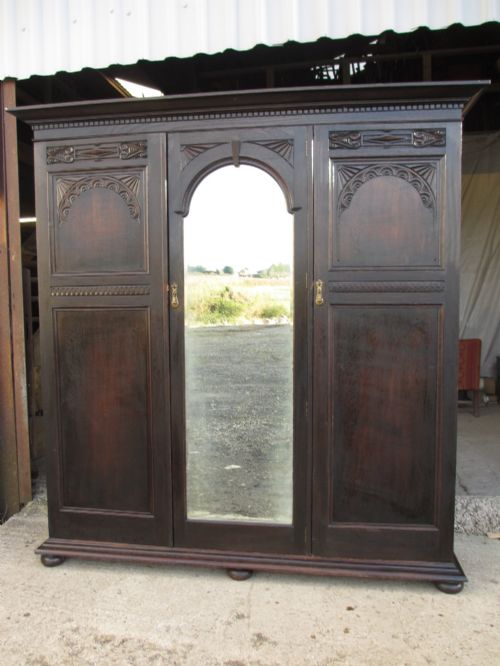
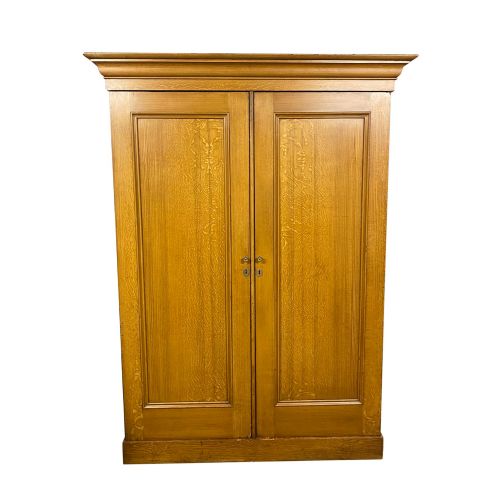
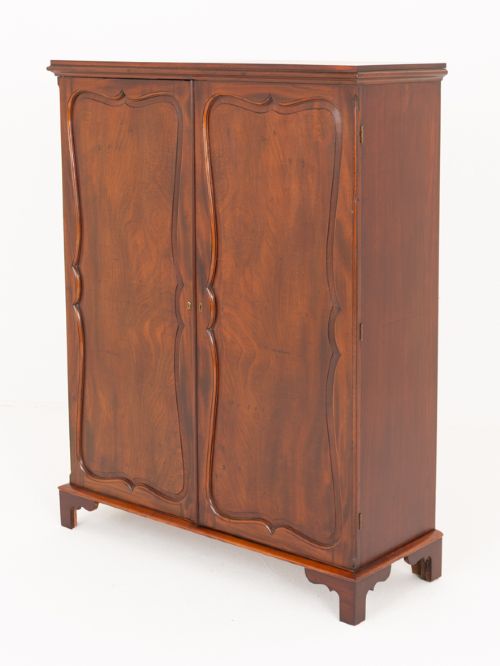
The selection ranges from architectural salvage fragments and over-door carvings to intact timber cupboard doors and full wardrobe structures made in traditional formats. Oak, pine, and mahogany appear frequently across these pieces, reflecting the standard domestic timber choices of the eras in which they were produced.
Materials and Construction
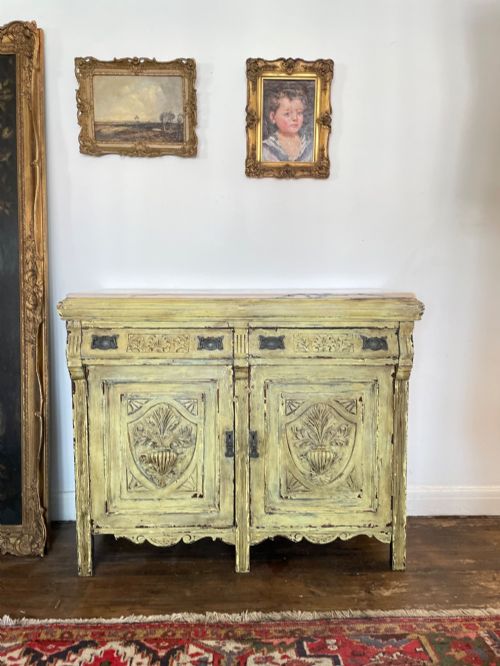
Makers utilised solid hardwoods such as oak, mahogany, and walnut alongside softer timbers like pine, shaping panels through traditional joinery techniques appropriate to each period. Surface treatments recorded in the evidence include wax finishes, painted scumble effects imitating oak, and natural grain patination accumulated over decades of use.
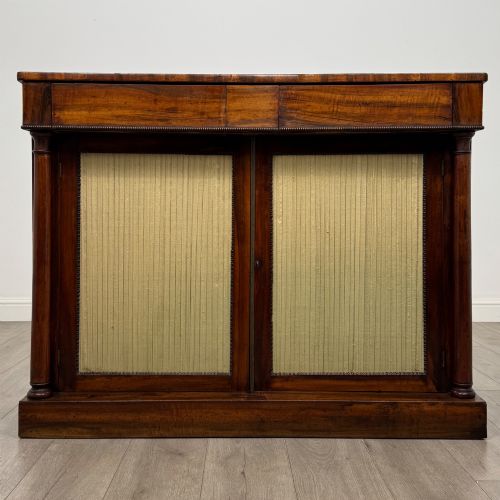
Hardware elements integrate brass, iron, and bronze components, ranging from functional hinges and latches to decorative handles and metal grilles. Construction methods prioritise durability, evident in framed panel assemblies designed to accommodate natural timber movement.
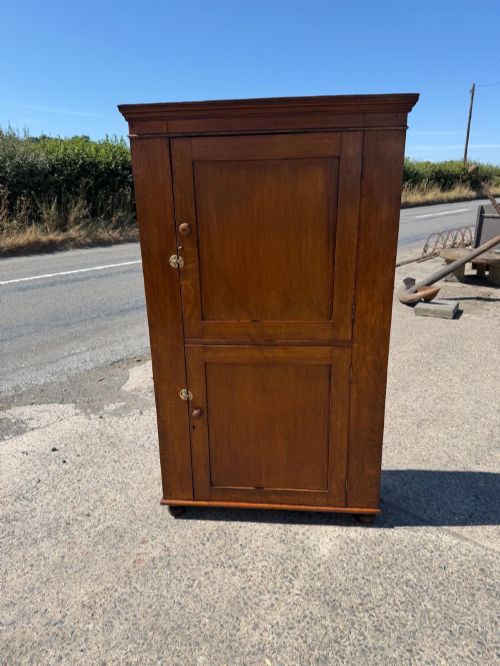
Object forms range from architectural salvage and wardrobe cupboards to over-door carvings, corner cupboards, and sideboards.
Assessing Quality and Build
The standard of a piece rests on the selection of timber and the precision of the joinery, with dense hardwoods like oak and mahogany demonstrating superior longevity compared to softer woods. Original surface treatments, such as early scumble paintwork or period wax finishes, elevate the integrity of the object.
The refinement of carved details, the weight and authenticity of brass or iron hardware, and the structural soundness of the panel assembly distinguish finer examples from utilitarian pieces. Complete matched pairs or units retaining original frames command distinct attention from collectors seeking authentic architectural salvage.
The Vintage Panelled Doors Glossary
- Scumble paintwork
- A decorative surface technique using translucent glaze applied over a base colour to imitate the grain of finer timbers like oak. This finish protects the wood while adding visual depth.
- Architectural salvage
- Building elements and fixtures rescued from older structures for reuse in interior design or restoration. Items range from individual doors to carved over-door panels.
- Compactum
- A large fitted wardrobe or combination piece incorporating hanging space, shelves, and drawers within a single carcass. These sturdy units maximise storage capacity in period bedrooms.
- Fielded panel
- A wooden panel with bevelled or recessed edges that fits into a surrounding frame. This traditional construction method accommodates natural timber expansion and contraction.
- Jacobean Revival
- A nineteenth-century design style emulating seventeenth-century English furniture characteristics. Pieces typically feature dark oak, heavy mouldings, and geometric carved motifs.
Vintage Panelled Doors: Frequently Asked Questions
What periods do these pieces date from?
The listings span from the eighteenth century through the Victorian and Edwardian eras into the early twentieth century. Pieces reflect the prevailing design movements and cabinet-making standards of each specific decade.
Commonly encountered materials and stylistic influences shift gradually across these periods, moving from Georgian mahogany proportions to heavy oak and pine utility forms of the early nineteen-twenties.
How do I identify the wood used?
Examination of grain patterns, weight, and colour helps determine the timber species, with oak and mahogany showing distinct cellular structures. Softer alternatives like pine often display knot clusters and lighter overall weight.
Surface treatments such as original paint, dark wax, or clear polish can obscure the underlying wood, requiring close inspection around unfinishing edges or joints.
What styles are most common?
Georgian, Victorian, and Edwardian aesthetic traditions dominate the available items, alongside Arts and Crafts and Gothic Revival influences. These styles dictate the proportions, moulding profiles, and decorative carvings found on the timber surfaces.
Regional variations and revival movements, such as Jacobean Revival, also appear frequently among the listed cabinetry and architectural fragments.