





Vintage Painted Side Chairs
These vintage painted side chairs bring immediate character to a room, offering practical seating imbued with historical charm and decorative surface work.
Vintage Painted Side Chairs
Vintage painted side chairs encompass an eclectic group of seating furniture designed without arms, primarily intended for occasional use or dining. When searching this phrase, buyers encounter examples ranging from eighteenth-century continental seating to nineteenth-century vernacular and revival pieces.
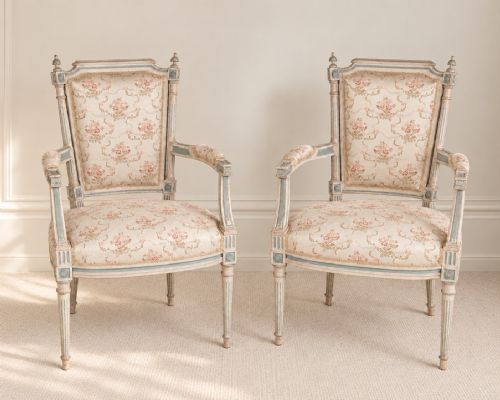
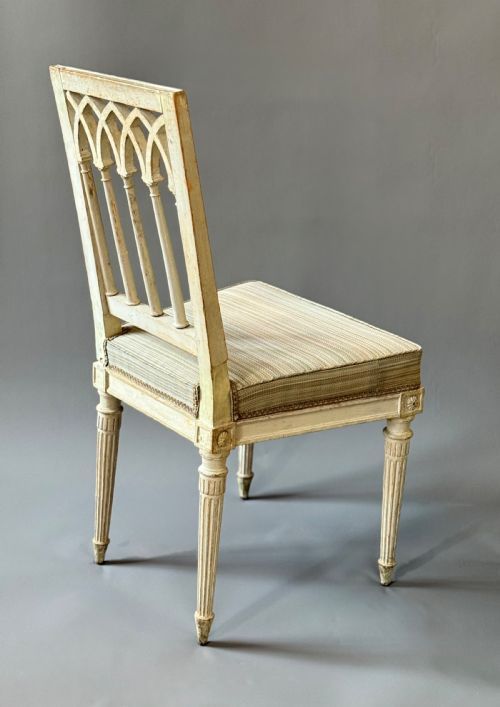
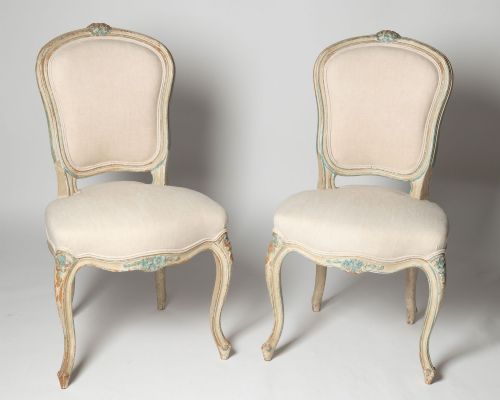
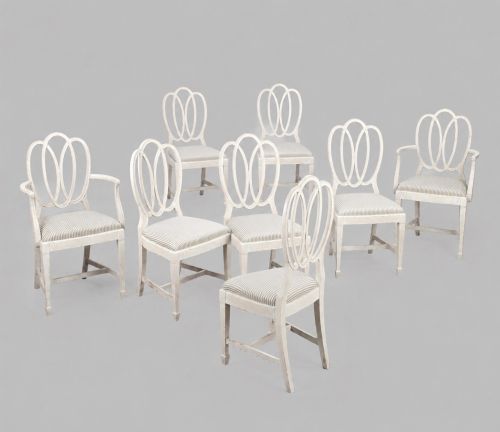
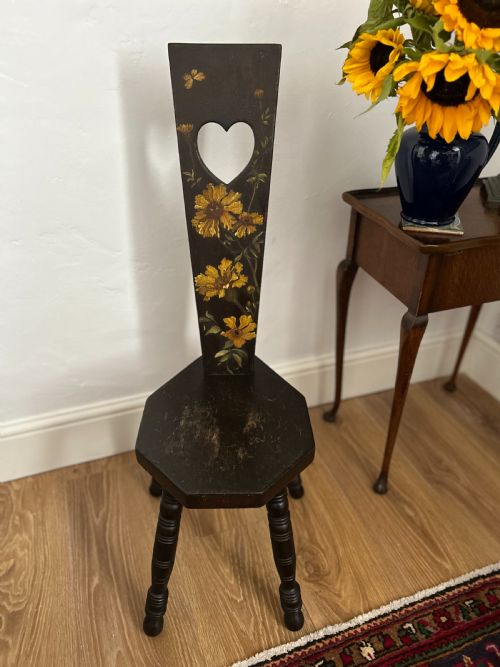
The selection frequently includes matched sets alongside pairs and individual statement chairs. Styles span from French Louis-inspired forms and Regency bamboo-turnings to rustic folk art and Gothic Revival models.
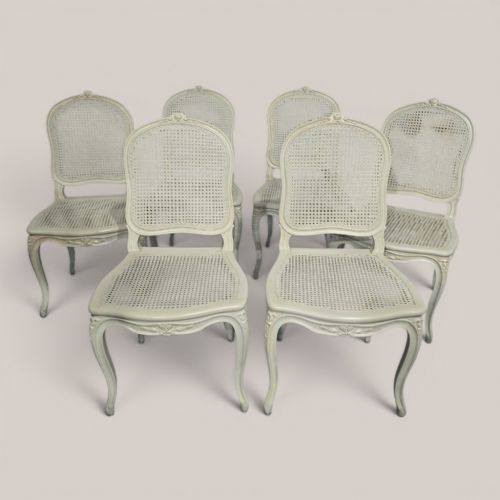
Materials vary widely across these pieces, combining painted wood frames with traditional seating surfaces like cane, rush, and upholstered pads. Buyers will find surfaces displaying anything from original scumble glazes to later decorative painted finishes.
Materials and construction methods
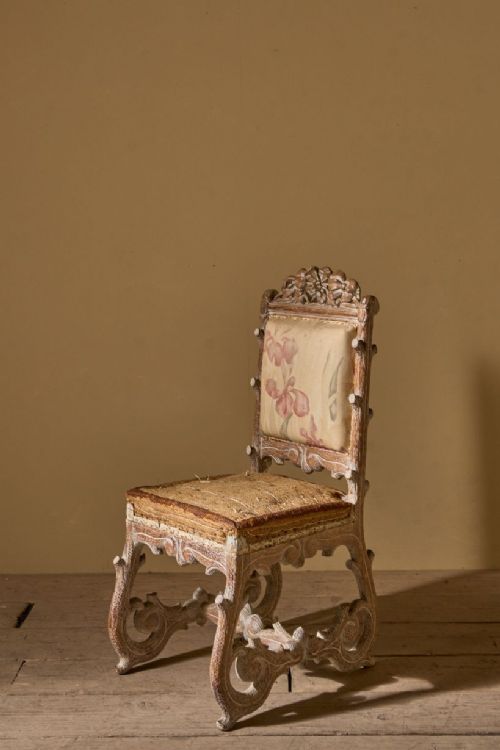
Makers constructed these frames from various hardwoods, employing traditional joinery such as mortise and tenon to ensure structural stability. Carved details frequently adorn the crest rails and stiles of finer examples, while simpler folk pieces rely on turned spindles.
The decorative surfaces rely on layers of paint, gesso, and sometimes lacquer or scumble glazes applied over wood. Seating areas often integrate natural materials like woven rush and cane, or incorporate upholstered foundations covered in fabric and velvet.
Vintage Painted Side Chairs Retail Price Guide 2026
Typical asking prices for vintage painted side chairs among the pieces listed under this phrase on Sellingantiques today, from the lower quarter to the upper quarter. They describe what is for sale here now, not the wider market.
Listings feature painted wooden frames paired with natural woven rush, cane, and various fabric upholsteries across multiple centuries.
Assessing quality in painted seating
Quality rests significantly on the integrity of the wooden framework and the survival of the original decorative surface. Pieces displaying undisturbed early paint or authentic scumble finishes command greater attention than those subjected to repeated modern overpainting.
The finesse of the carving and the tightness of the joinery distinguish high-end regional and formal pieces from more utilitarian vernacular seating. Original seating materials, whether intact cane work or period upholstery elements, further influence the standing of an individual chair.
The Vintage Painted Side Chairs Glossary
- Scumble paint
- A decorative glazing technique involving semi-opaque paint manipulated to imitate wood grain or create mottled textures. This finish appears frequently on nineteenth-century vernacular seating.
- Faux bamboo
- Turned woodwork carved and painted to resemble natural bamboo stalks. This style gained popularity during the Regency and nineteenth-century periods.
- Bergere
- An enclosed upholstered armchair with wooden framing, often featuring exposed painted finishes. These pieces commonly appear in French nineteenth-century groupings.
- Gesso
- A plaster-like mixture applied to wood frames to provide a smooth base for gilding or fine painting. It supports intricate decorative relief work on period frames.
- Rush
- A marsh plant woven to create durable, textured seat bases. It is frequently found on rustic and vernacular chairs.
Vintage Painted Side Chairs: Frequently Asked Questions
How do I style these chairs?
These chairs function effectively around a dining table, as occasional seating in a hallway, or paired beside a bedroom dressing table. Their decorative surfaces allow them to stand alone as sculptural accents in neutral interiors.
Mixing single chairs or mismatched pairs creates a collected, eclectic aesthetic rather than a rigid uniform look. Consider the height of the seat relative to your existing tables before placing them for daily use.
Are these chairs suitable for daily use?
Most antique side chairs function well for everyday seating provided the underlying wood joints remain secure. Lighter framework requires sensible handling rather than heavy-handed wear.
Evaluating the stability of the frame and the condition of woven rush or cane seats helps determine their practicality. Professional conservation can often reinforce older joints without compromising the historic surface.
How do I care for painted surfaces?
Maintenance requires gentle dusting with a dry microfiber cloth, avoiding harsh modern chemical cleaners that strip historic paint. Keeping the chairs away from direct sunlight and excessive humidity prevents the wood from warping and the paint from flaking.
Wax is occasionally used on specific waxed finishes, but unvarnished or delicate painted surfaces should remain untouched by polishes. Consult a conservator if the paint layers begin to lift or show active instability.
How do I tell different periods apart?
Distinguishing periods relies on observing the interplay of structural silhouettes, decorative motifs, and the composition of the paint layers. Eighteenth-century models often display refined carving and thinner, hand-mixed pigment layers, whereas nineteenth-century revival pieces lean into heavier proportions and distinct regional quirks.
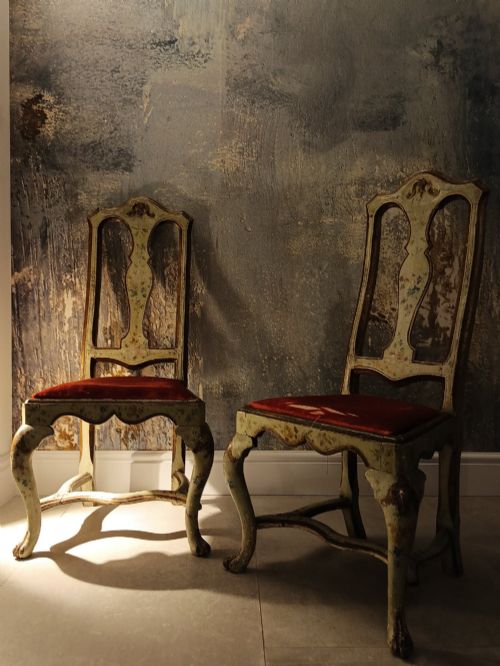
Examining tool marks, fastener types, and the natural ageing of the underlying wood provides further clues to a piece's age. Comparing specific regional traits, such as Venetian flourishes versus British vernacular turning, clarifies the origin.