






Vintage Painted Porcelain
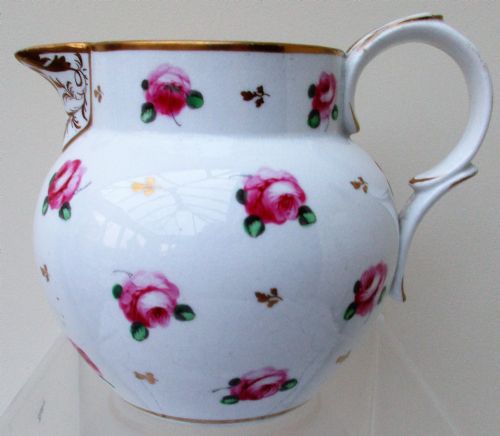
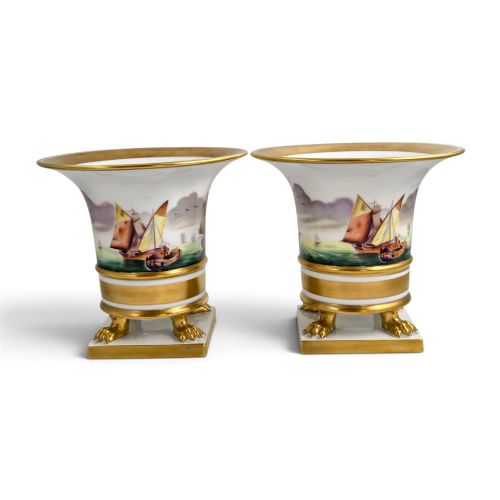
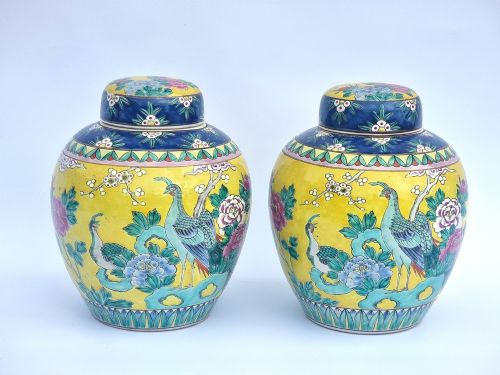
These examples of vintage painted porcelain range from Regency cabinet plates and Georgian jugs to Japanese Imari vases and Chinese ginger jars.
Vintage Painted Porcelain
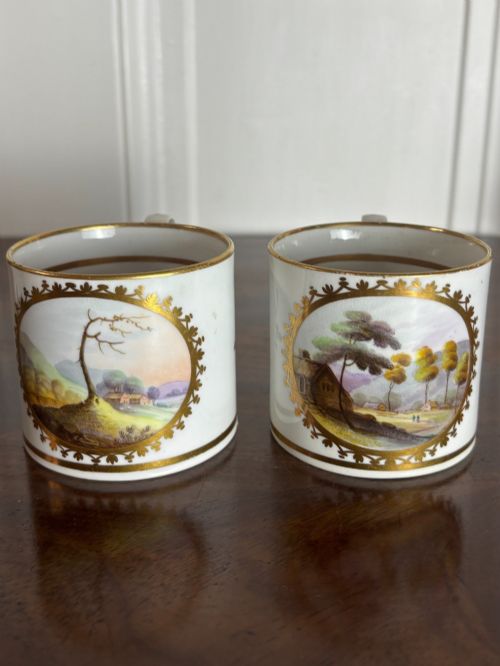
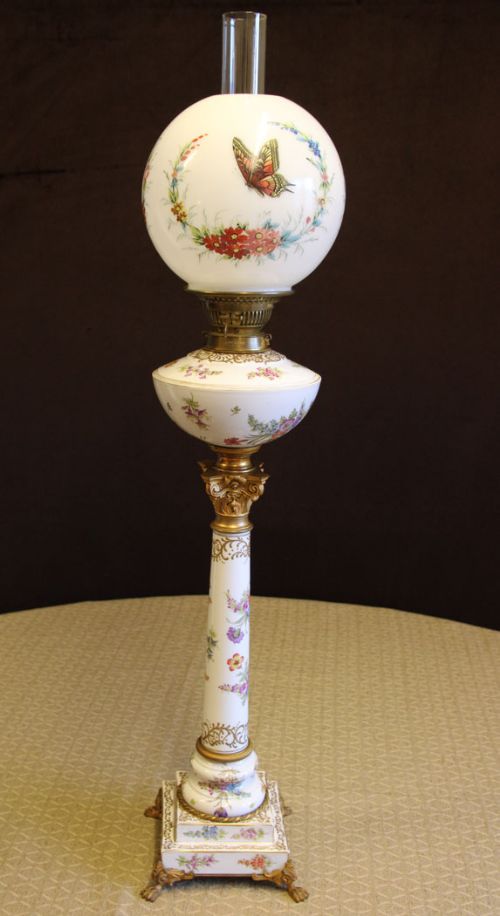
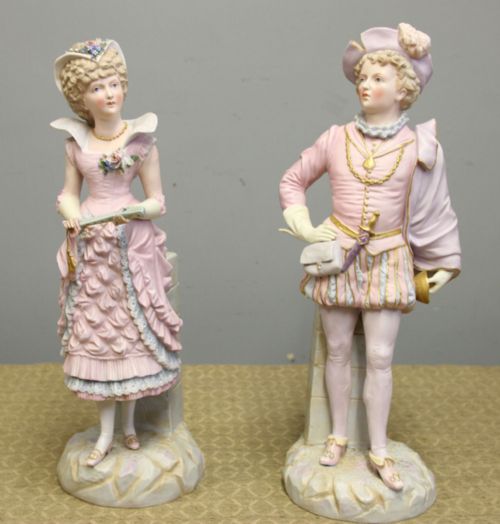
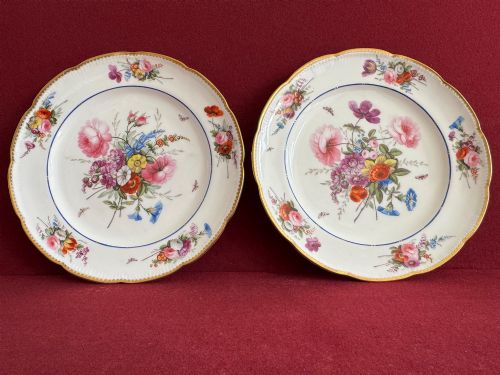
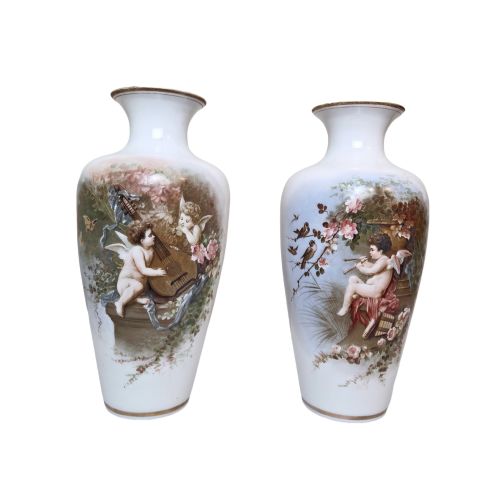
When you search for vintage painted porcelain, you encounter a broad spectrum of decorated ceramic objects spanning multiple centuries, from eighteenth-century English coffee cans and nineteenth-century French cabinet cups to twentieth-century Chinese ginger jars and Japanese Satsuma vases. These items take many functional and decorative forms, including cabinet plates, table lamps, spill vases, decorative dishes, bowls, and figural sculptures.
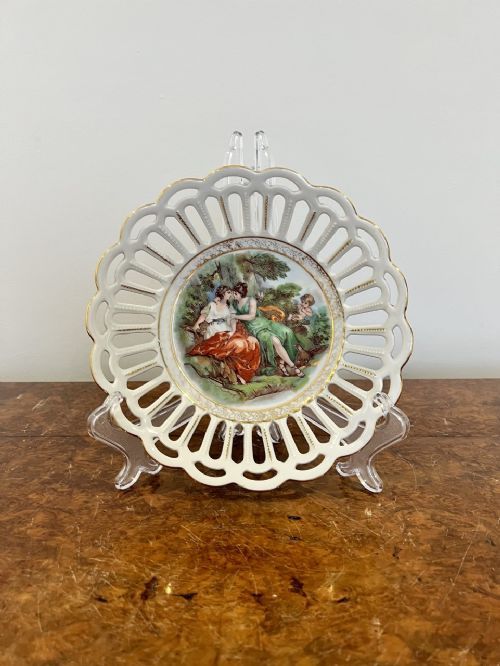
The assortment on this page draws heavily from diverse stylistic traditions, incorporating nineteenth-century European factories alongside Japanese Meiji and Showa period imports. You will find items decorated with landscape paintings, Watteau scenes, birds, and floral motifs, reflecting both domestic British porcelain production and international export wares.
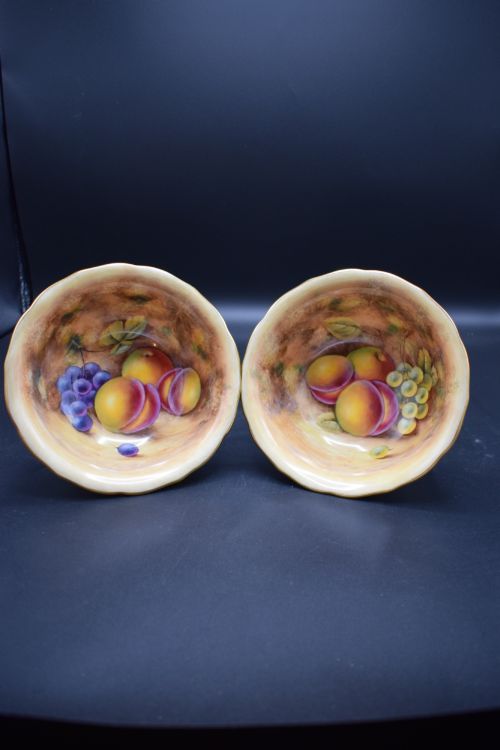
Buyers seeking these items often look for specific decorative qualities, such as hand-painted enamel details, cobalt blue grounds, and gilding. The selection ranges from early Derby and Worcester pieces to later nineteenth-century French Old Paris wares and twentieth-century decorative bowls.
How they were made
The manufacture of these pieces relies on fine ceramic bodies, predominantly standard porcelain and bone china, shaped into vessels, figures, and plates before receiving initial firing. Artisans then applied coloured enamels, often combining hand-painted pictorial scenes with gold leaf and gilding to accentuate rims, handles, and borders.
Firing techniques varied across different periods and workshops, with traditional wood or coal kilns giving way to more controlled methods in nineteenth- and twentieth-century factories. Painting was executed directly onto the glazed surface or beneath the glaze, depending on whether the piece originated from European kilns or East Asian traditions such as Kutani and Imari.
Vintage Painted Porcelain Retail Price Guide 2026
Typical asking prices for vintage painted porcelain among the pieces listed under this phrase on Sellingantiques today, from the lower quarter to the upper quarter. They describe what is for sale here now, not the wider market.
Several eighteenth-century tea vessels earned the charming name coffee cans simply because they dispensed with handles entirely.
What varies in quality
Quality in these ceramics rests primarily on the precision and artistry of the hand painting, distinguishing standard factory production from finely executed pictorial work. Pieces featuring detailed landscape miniatures, careful brushwork on figures, and precise enamel application stand apart from simpler transfer-printed or hastily decorated wares.
The handling of gilding and secondary materials also dictates the standing of a piece, with heavy, burnished gold leaf indicating higher workshop standards than thin, flat metallic paint. Furthermore, the crispness of the porcelain moulding and the clarity of the glaze contribute to the overall refinement of the finished object.
Herend·Royal Copenhagen·Royal Doulton·Nymphenburg·Meissen·Spode
The Vintage Painted Porcelain Glossary
- Cabinet Plate
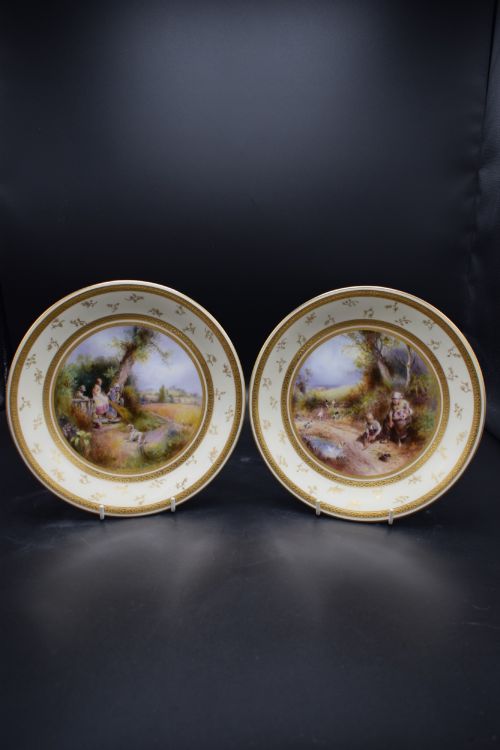
- A decorative plate intended for display in a cabinet or on a wall rather than for dining use. These often feature intricate hand-painted central scenes and elaborate gilded borders.
- Ginger Jar
- A high-shouldered ceramic storage vessel originally used for spices, typically featuring a matching domed lid. Many examples from later periods serve purely decorative functions.
- Imari
- A style of Japanese export porcelain characterised by a palette of underglaze blue, iron red, and gold. This aesthetic heavily influenced European factories during the eighteenth and nineteenth centuries.
- Parure
- A set of matching jewellery designed to be worn together, occasionally incorporating miniature painted porcelain panels. These small works of art mirror the enamel techniques found on larger vessels.
- Spill Vases
- Tall, narrow cylindrical containers designed to hold taper candles or wooden spills used for lighting fires. They frequently take the form of miniature architectural structures or castles.
Vintage Painted Porcelain: Frequently Asked Questions
How do I identify eighteenth-century porcelain?
Eighteenth-century porcelain is generally identified by the weight of the paste, unglazed foot rims where the piece rested in the kiln, and hand-pencilled factory marks or painters' numerals underneath.
Decoration from this era typically relies on hand-mixed enamel colours and underglaze blue, showing subtle irregularities that distinguish early studio production from later mass-manufactured items.
What is the difference between porcelain and bone china?
True porcelain is a hard-paste ceramic composed of kaolin and petuntse, fired at very high temperatures to create a dense, vitreous body that transmits light. Bone china incorporates animal bone ash into the clay mixture, producing a slightly warmer tone and a slightly softer paste.
Both materials accept hand-painted enamel decoration and gilding equally well, though they originated from different manufacturing traditions in Europe and Asia.
How should I clean painted porcelain pieces?
Painted porcelain and gilded surfaces require gentle maintenance using only lukewarm water and a mild detergent when necessary. Harsh scrubbing or soaking must be avoided to protect delicate enamel work and gold leaf.
After washing, pieces should be dried immediately with a soft, lint-free cloth rather than left to air dry, particularly if they feature metal mounts or older repairs.
Can I use antique decorative bowls for food?
Using antique painted bowls for serving food is generally discouraged because older glazes and enamel pigments can contain lead or other substances not rated for modern culinary use. Additionally, acidic foods can permanently etch or stain the delicate hand-painted surfaces and fragile overglaze decoration.
These objects are best preserved for dry display or decorative use around the home, allowing the painted scenes to remain protected from daily wear.