
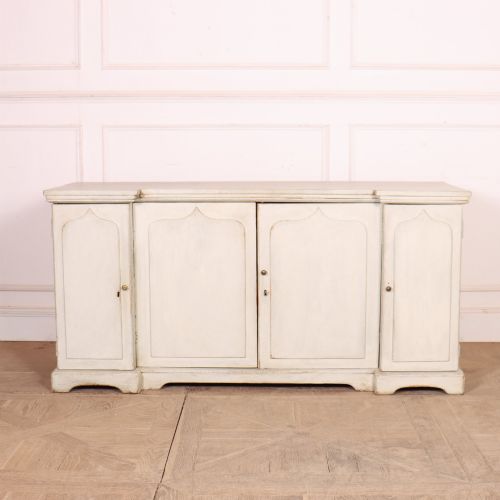
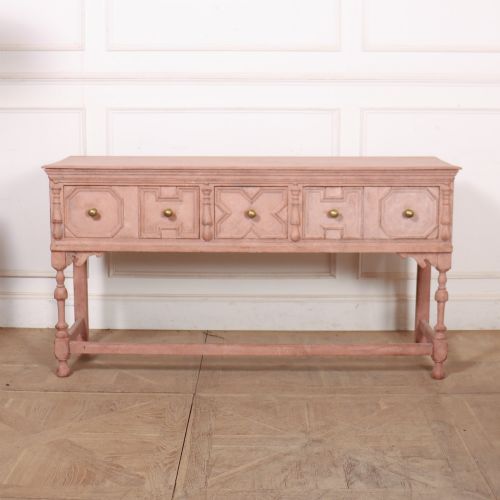
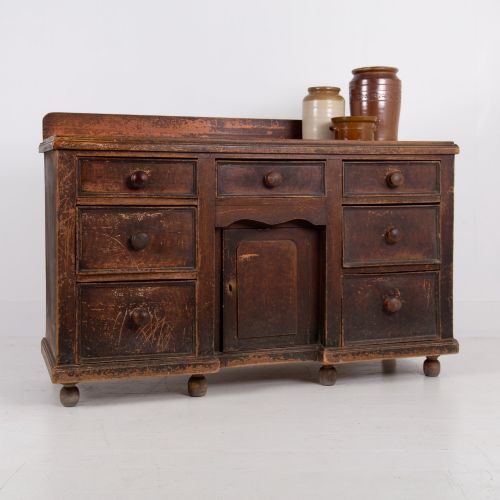
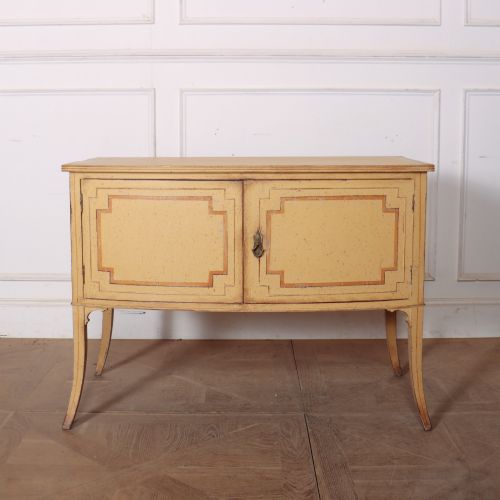



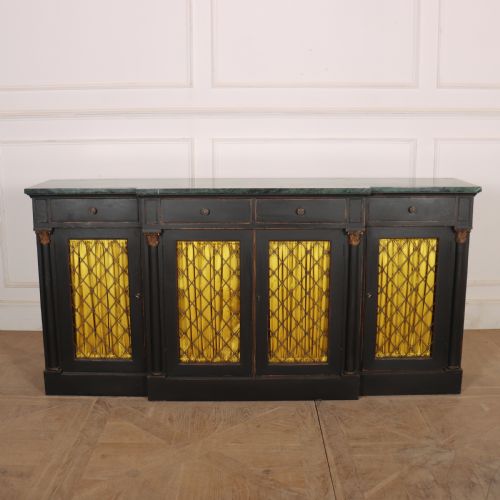


Vintage Painted Low Sideboard
A vintage painted low sideboard provides sturdy storage with character, drawing on 18th-century, 19th-century, and Victorian traditions of country furniture.
Vintage Painted Low Sideboard
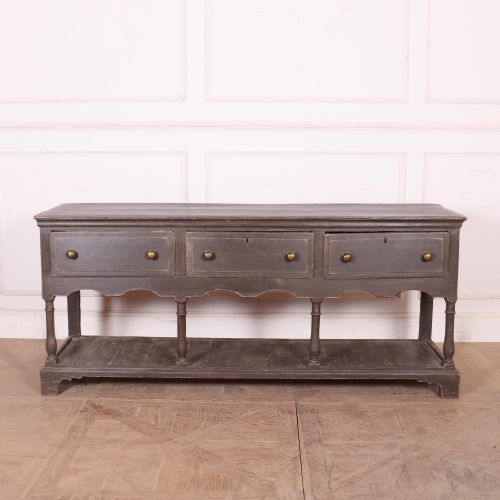
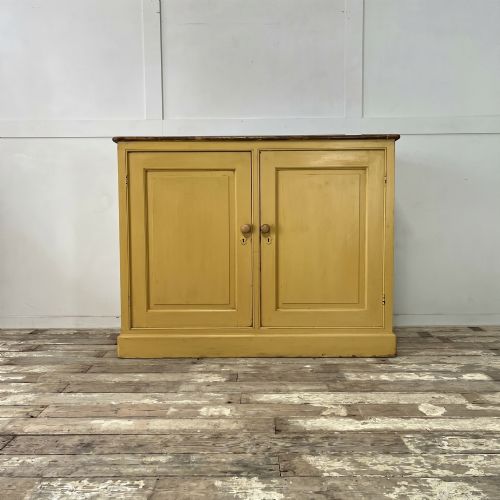
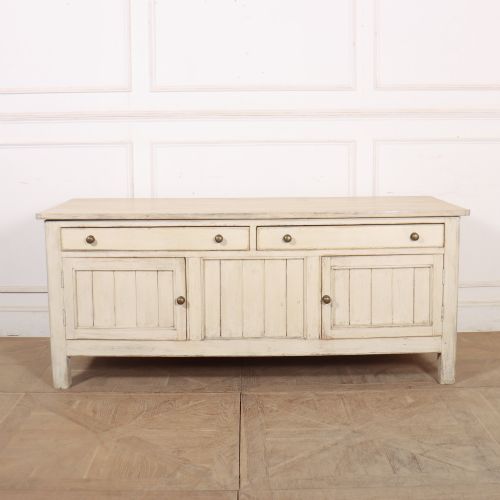
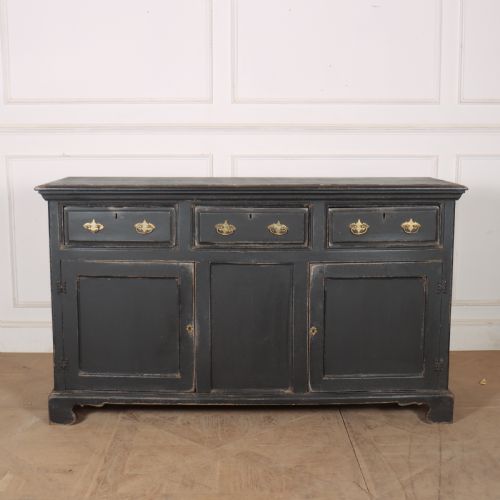
Buyers seeking a vintage painted low sideboard often encounter English country dresser bases, side cabinets, and storage cupboards spanning the eighteenth, nineteenth, and early twentieth centuries. These pieces emerge from regional traditions, including English Country House, Scottish Country, and Rustic Farmhouse styles.
The selection on this page relies heavily on utilitarian forms such as dresser bases, potboard bases, and side cabinets rather than formal parlour furniture. Original or later painted surfaces predominate, distinguishing these robust items from polished hardwoods of the same eras.
Origins stretch across English workshops to Scottish dairies and Swedish households, yielding low storage units built for practical domestic use. Proportions remain low and grounded, designed to fit modern living spaces while retaining historical integrity.
Materials and construction methods
Construction relies primarily on sturdy timbers such as pine and oak, complemented by painted wood and timber surfaces. Iron and brass hardware, including hinges and pulls, secure doors and drawers across periods from the Georgian era through to the 1920s.
Surfaces carry paint finishes ranging from original layers to later decorative coats, applied over solid timber frames. Joinery reflects traditional workshop methods suited to heavy daily use in kitchens, dairies, and school rooms.
A Scottish dairy dresser likely smelled of fresh churned butter for the first fifty years of its working life.
Judging quality in painted low furniture
Quality rests in the integrity of the timber frame and the historical honesty of the painted surface. Pieces retaining original paint layers show distinct patination compared to items refinished in later decades.
Structural harmony between the top surface, drawers, and lower potboards or cupboards determines the calibre of a piece. Robust proportions and clean lines within styles like English country and Regency distinguish superior examples from ordinary utility items.
The Vintage Painted Low Sideboard Glossary
- Dresser base
- A low wooden storage unit featuring drawers above cupboards or an open potboard shelf below. It forms the foundation of traditional country dining rooms and kitchens.
- Potboard
- An open lower shelf fitted beneath a dresser base to store heavy pots and dishes. This traditional feature elevates the main body of the furniture off the floor.
- Breakfront
- A piece of furniture where the central section projects forward from the flanking outer cabinets. This architectural device creates depth and shadow on sideboards and bookcases.
- Potboard dresser base
- A low sideboard style incorporating an open lower shelf for display and storage beneath the primary work surface. These units typify 18th-century and 19th-century vernacular furniture.
- Side cabinet
- A low freestanding storage cupboard designed to sit against a dining room or hallway wall. They provide enclosed shelving behind doors.
Vintage Painted Low Sideboard: Frequently Asked Questions
What rooms suit a painted low sideboard?
These low cabinets fit naturally into dining rooms, kitchens, hallways, and living spaces where surface area and enclosed storage are both required. Their restrained height allows them to sit comfortably beneath mirrors or art without overwhelming a room.
The utilitarian origins of these pieces mean they handle daily domestic use with ease. Placing one in a hallway provides immediate drop-zone space for keys and post, while a kitchen placement offers traditional counter-height utility.
How do I care for painted wood surfaces?
Painted furniture requires gentle cleaning with a soft, slightly damp cloth to remove dust and daily grime. Avoid harsh chemical cleaners that might degrade older paint layers or modern wax treatments.
Keeping the furniture away from direct heat sources and excessive moisture prevents the underlying pine or oak from warping. Regular dusting preserves the character of the paint finish over time.
What is the difference between a dresser base and a side cabinet?
A dresser base traditionally combines a row of working drawers across the top with cupboards or an open potboard beneath. They were built for heavy domestic tasks in kitchens and dairies.
A side cabinet generally focuses purely on enclosed cupboard storage behind doors, lacking the prominent drawer configuration of a dresser base. Both provide low-profile storage suited to contemporary interiors.
How do I identify original paint?
Original paint shows natural wear patterns, minor crackle, and soft edges accumulated through decades of domestic use. It adheres closely to the wood grain and often reveals subtle variations in tone under close inspection.
Later repainting tends to sit heavier on the timber with uniform opacity and fewer signs of historical friction. Examining the interior edges and hardware can help clarify whether the surface finish dates to the piece's construction or a subsequent update.