




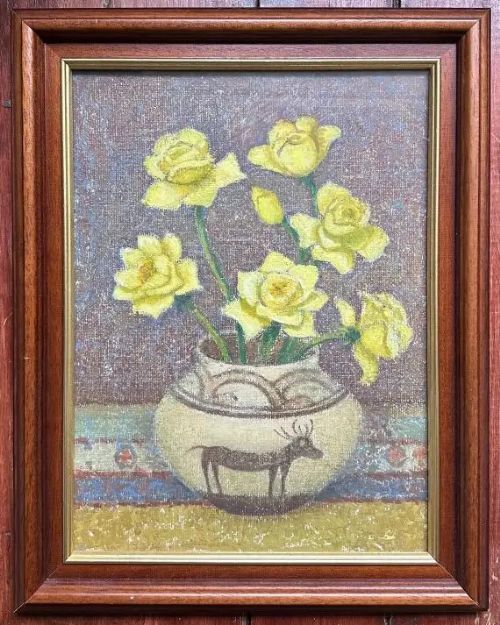
Vintage Painted Floral Vase
A vintage painted floral vase brings botanical charm to a room, presenting hand-finished blossoms across ceramic and porcelain bodies.
Vintage Painted Floral Vase
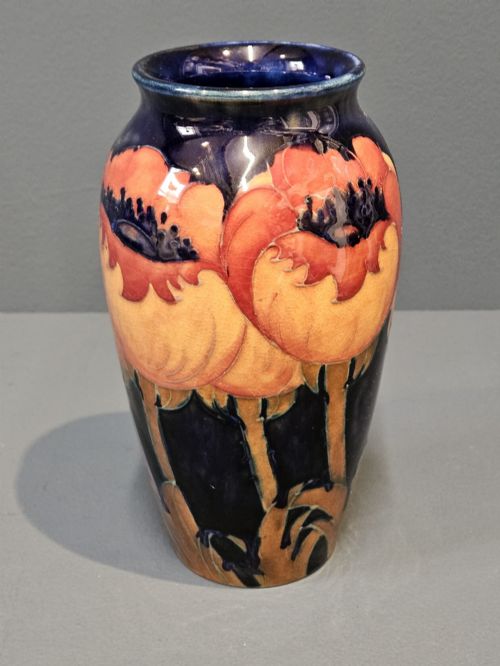
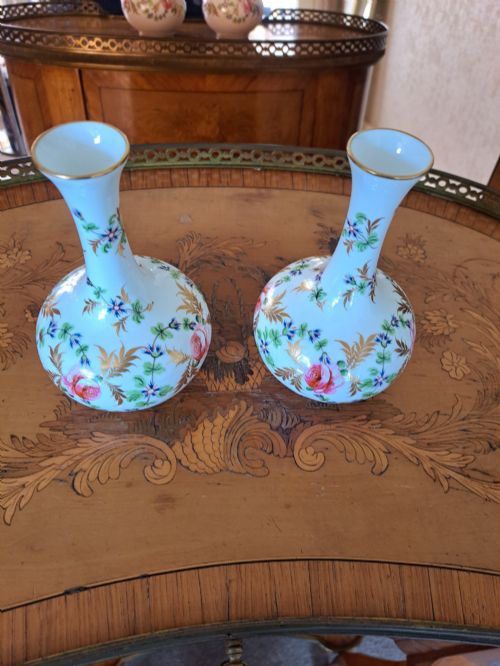
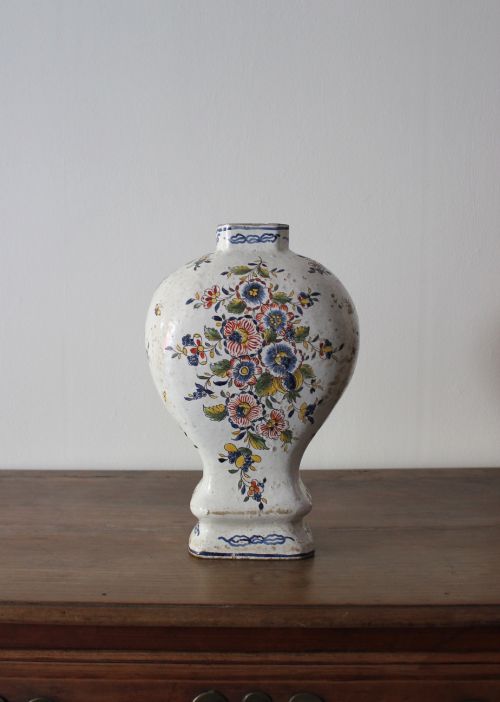
A vintage painted floral vase unites botanical illustration with ceramic forms, ranging from earthenware and porcelain to faience and glazed stoneware bodies. When exploring this selection, buyers encounter everything from modest cabinet pieces to large decorative vessels created across diverse periods.
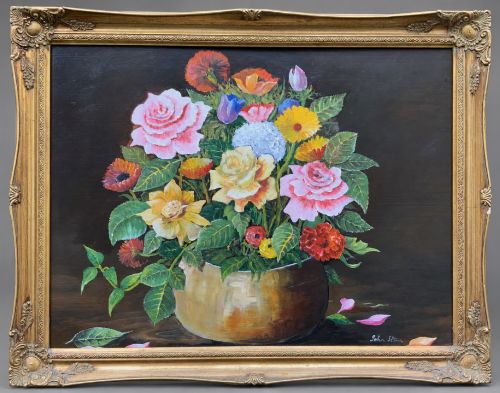
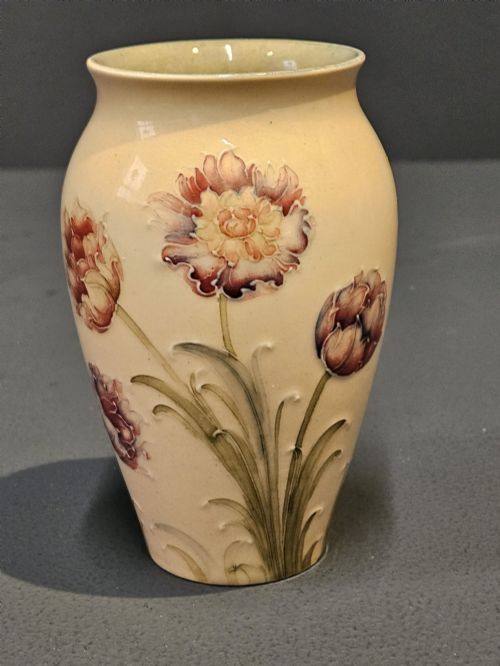
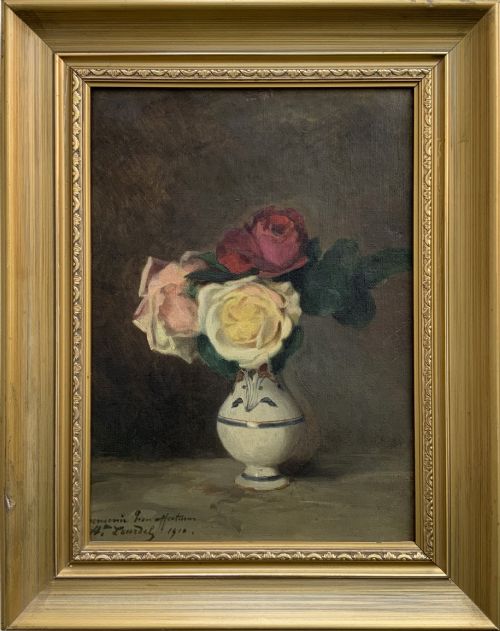
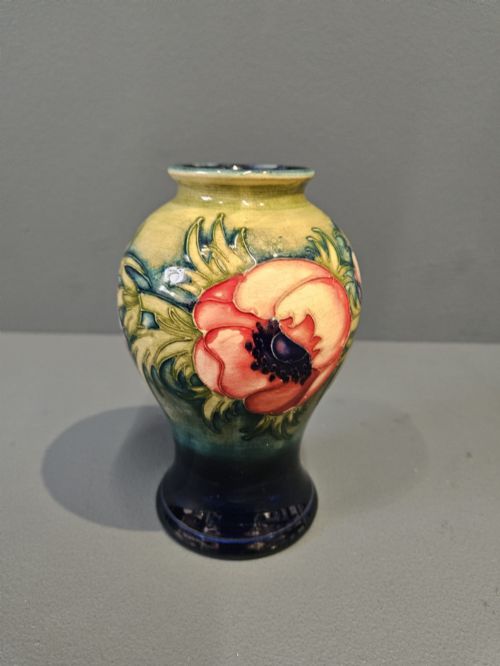
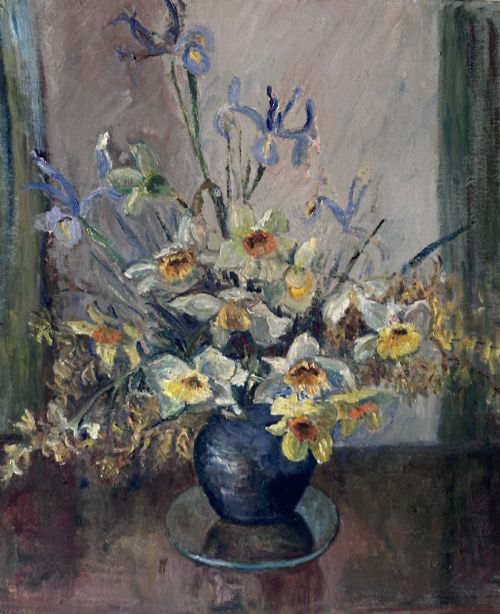
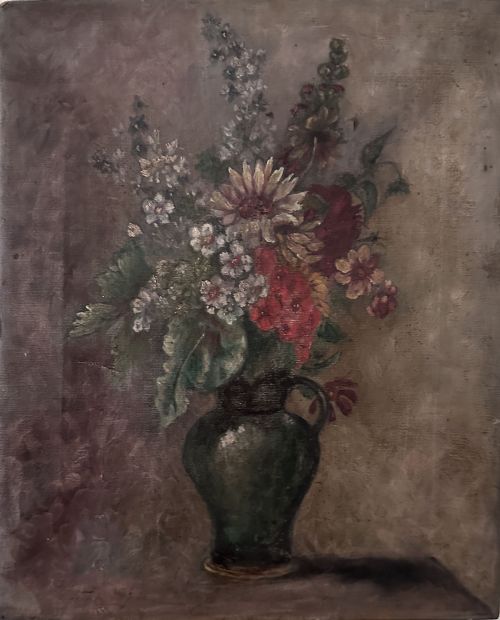
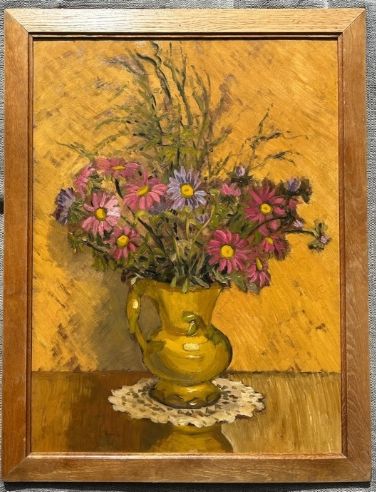
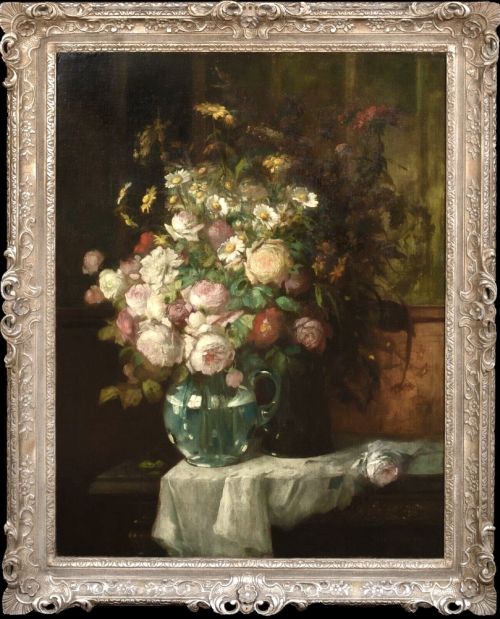
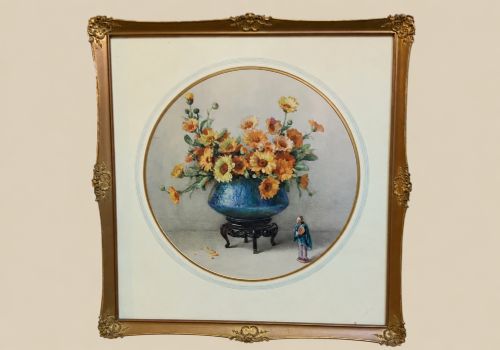
The objects stem from various traditions, including British potteries, continental workshops, and Japanese imari production. Many examples display hand-painted floral motifs directly upon the surface, while others present painted depictions of floral subjects within related oil paintings and watercolours.
How they were made
Ceramic pieces are shaped from clay bodies, fired, and finished with glazes, enamels, or hand-painted mineral pigments applied directly to the surface. Selected examples incorporate gilding or bronze mounts to accent the contours of the body.
Painted works utilise oil on canvas, oil on board, or watercolour on paper to capture floral still life subjects. Artisans applied pigments with brushwork ranging from impressionist strokes to detailed botanical studies.
Vintage Painted Floral Vase Retail Price Guide 2026
Typical asking prices for vintage painted floral vase among the pieces listed under this phrase on Sellingantiques today, from the lower quarter to the upper quarter. They describe what is for sale here now, not the wider market.
Listings include ceramic vessels and floral still life paintings spanning the eighteenth, nineteenth, and twentieth centuries.
What varies in quality
Quality rests upon the execution of the hand-painted decoration, where the precision and expressiveness of the floral motifs distinguish standard production from superior work. Brushwork that demonstrates deliberate control and nuanced colour application elevates the status of the piece.
The integrity of the form and the preservation of the glaze or paint surface define the standard. Pieces that retain crisp enamels, clear underglaze cobalt, or vibrant pigments without excessive wear occupy the upper tier of the range.
Moorcroft·Crown Derby·Doulton Lambeth·Royal Doulton·Meissen·TG Green·H & R Daniel
The Vintage Painted Floral Vase Glossary
- Imari
- A style of Japanese porcelain featuring underglaze blue and overglaze red, gold, and other colours. This decorative approach became widely exported and copied in European potteries.
- Faience
- Tin-glazed earthenware produced across Europe, known for a smooth white surface suitable for painted decoration. It provides an opaque background for floral and botanical designs.
- Enamel
- Opaque or translucent glass-like material fused to a ceramic or metal surface by firing. It yields vibrant coloured decoration that resists fading over time.
- Garniture
- A set of three or more matching vases or urns designed to be displayed together on a mantelpiece or sideboard. These decorative groups share coordinated shapes and painted motifs.
Vintage Painted Floral Vase: Frequently Asked Questions
How do I identify a hand painted floral vase?
Examine the surface under magnification to check for the slight raised texture of brushstrokes and variations in pigment density. Hand-painted examples lack the uniform dot pattern characteristic of mechanical transfer printing.
Look closely at the edges of the floral motifs where individual brush marks remain visible. Potteries often signed superior pieces with painted monograms or factory marks on the underside.
Can I use these vases for fresh flowers?
Ceramic and porcelain vases with intact glazed interiors hold water safely for fresh arrangements. Unglazed earthenwares or pieces with delicate enamel work require a glass liner to protect the historic interior.
Check the base and body for any hairline cracks before filling the vessel with water. Gentle hand washing preserves the painted decoration and prevents damage to historic glazes.
What periods do these pieces come from?
The selection spans from the eighteenth century through the nineteenth and twentieth centuries, incorporating Victorian, Art Nouveau, and Art Mid-Century styles. Each era brings distinct ceramic forms and painting techniques.
Nineteenth-century examples often display ornate gilding and lush floral arrangements, while later twentieth-century pieces lean towards impressionist or simplified botanical designs.
How do I care for antique ceramic vases?
Display the pieces away from direct sunlight to prevent the painted floral pigments and enamel colours from fading over time. Dust the surfaces regularly with a soft, dry brush.
Avoid harsh chemical cleaners or submersion in hot water when cleaning painted ceramics. Warm water and a mild soap applied with a soft cloth suffice for removing dust.