


Vintage Painted Dining Table
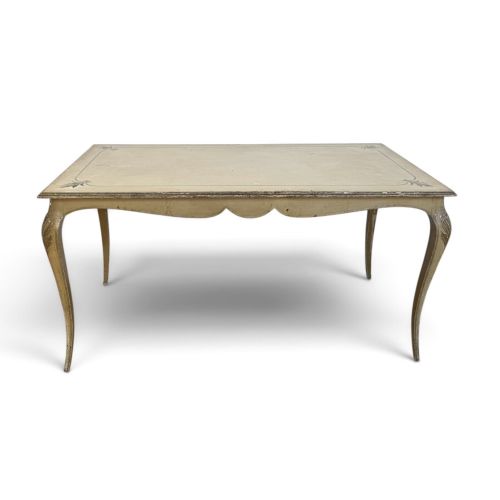
A vintage painted dining table brings immediate character to a room, offering scrubbed pine tops and layers of historic colour.
Vintage Painted Dining Table
A vintage painted dining table spans farmhouse, kitchen, and tavern forms originating from the nineteenth and early twentieth centuries. These boards reflect utilitarian daily use across English, French, and Scandinavian workshops.
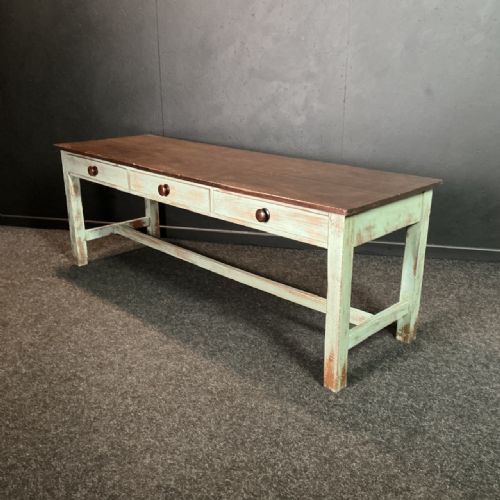
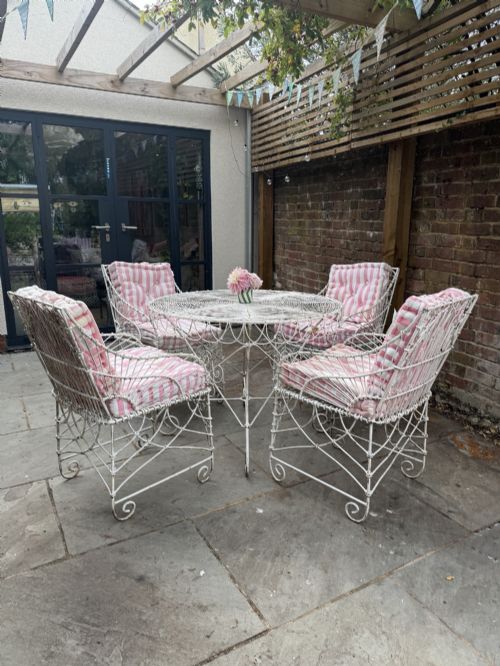
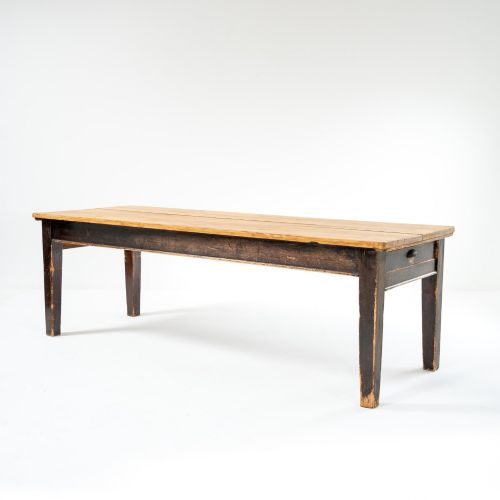
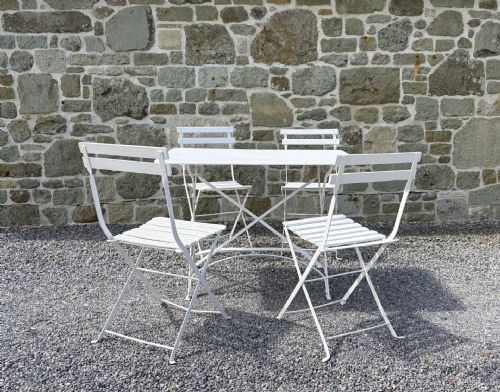
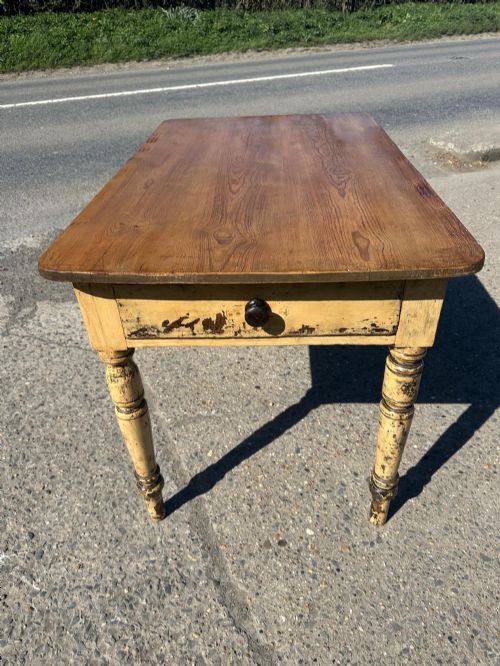
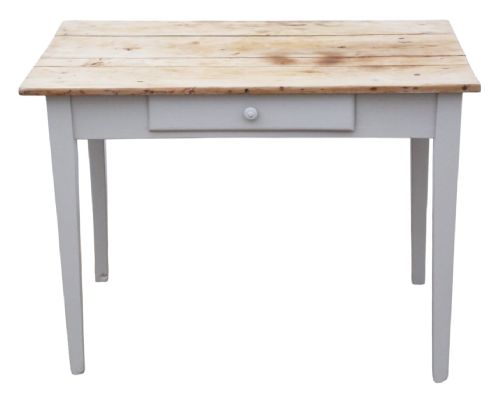
The most common examples on this page are nineteenth century pine kitchen tables, often built with scrubbed timber tops and painted wooden bases. Buyers also encounter drop-leaf slagbords, folding metalwork, and industrial steel frames.
Makers utilised local timbers suited to regional needs, resulting in sturdy structures designed for dining, preparation, and tavern service.
Materials and construction
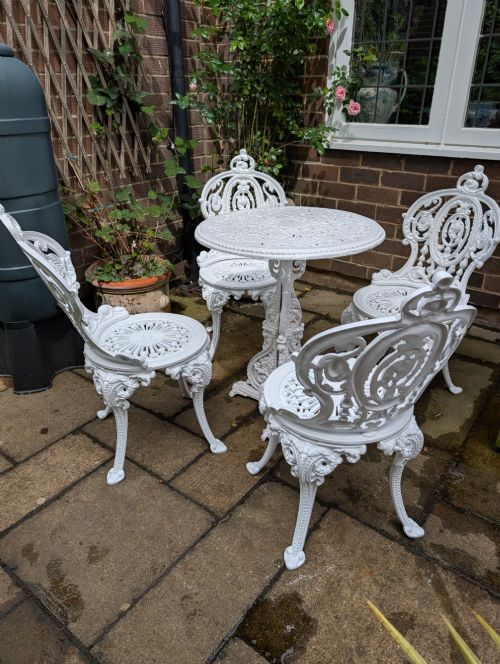
Makers constructed these pieces principally from solid pine and scrubbed wood, paired with iron, cast iron, or wrought iron for industrial and garden variants. Structural joints relied on traditional carpentry methods suitable for heavy domestic and commercial use.
Surfaces received traditional treatments such as Falu paint, gilt highlights, and multi-layered historic pigments that evolved through decades of repainting. Scrubbed wooden tops were left bare for scrubbing and food preparation, contrasting with painted legs and aprons.
The listings span from the nineteenth century through the 1930s, featuring pine, iron, and oak across French and Scandinavian designs.
Assessing quality and authenticity
Quality rests in the integrity of the original surface, where genuine layers of old paint and untouched scrubbed timber tops elevate a piece. Evidence of sincere working life, such as cleated ends and multi-plank construction, defines superior examples.
Proportion and structural balance separate standard workshop tables from finer items like drop-leaf gateleg mechanisms or detailed tavern framing.
Christopher Dresser
The Vintage Painted Dining Table Glossary
- Scrub-top
- A wooden tabletop left unpainted and scrubbed clean with water and sand during daily kitchen work. This finish creates a pale, tactile surface contrasted against painted bases.
- Slagbord
- A traditional Scandinavian drop-leaf table supported by swing legs. These spacesaving tables accommodated rural dining rooms and kitchens.
- Falu paint
- A matte red or dark Earth paint originating from copper mine waste in Sweden. This mixture preserved exterior and interior pine woodwork for generations.
- Gateleg table
- A dining table with hinged leaves supported by movable legs that swing outward like a gate. This mechanism allows the table to expand or contract according to space.
- Cleated ends
- Wooden battens fixed across the ends of a tabletop to prevent warping. This construction method keeps multi-plank boards flat over decades of humidity changes.
Vintage Painted Dining Table: Frequently Asked Questions
How do I clean a painted table?
Wipe surfaces gently with a damp cloth, avoiding harsh chemical cleaners that strip historic pigments.
Wax unpainted scrubbed wooden tops periodically to protect the timber from moisture and staining.
Are these tables suitable for daily use?
These pieces were built for rigorous kitchen and tavern tasks, making them durable for contemporary dining.
Use coasters and placemats to protect historic painted bases and sensitive wooden surfaces from hot dishes.
How do I identify original paint?
Examine the surface under natural light for multiple thin layers and natural wear around the edges. Genuine historic paint exhibits micro-cracking and subtle fading consistent with age.
Avoid pieces with uniform modern emulsions applied over stripped timber.