
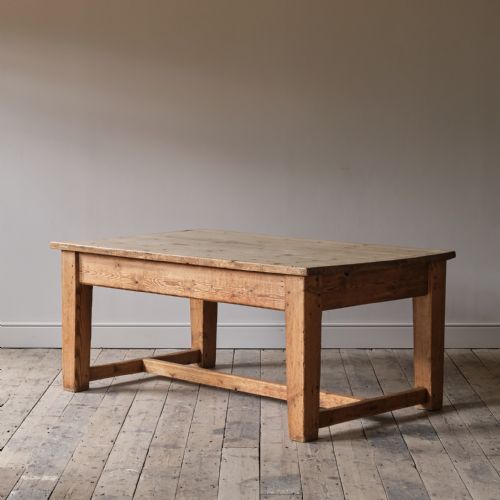
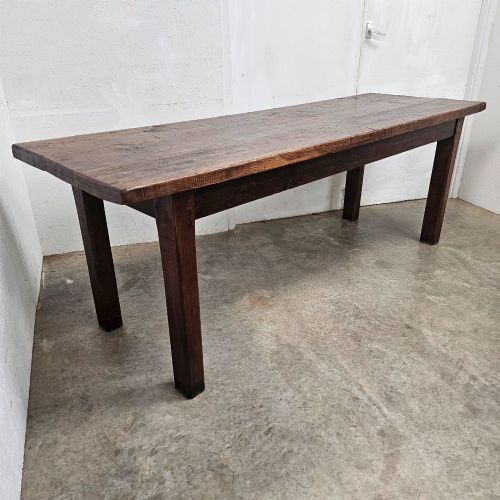


Vintage Wooden Tavern Table
A vintage wooden tavern table offers a sturdy gathering place with honest character, built to endure generations of daily use.
Vintage Wooden Tavern Table
A vintage wooden tavern table provides a robust surface originally designed for public houses, inns, and domestic kitchens. These pieces serve well as kitchen work surfaces, dining tables, or occasional tables in modern homes.
The selections span from the Georgian period through Victorian times and into the early twentieth century, including the 1920s and 1930s. Buyers frequently encounter pine and oak examples, often featuring thick tops and simple construction.
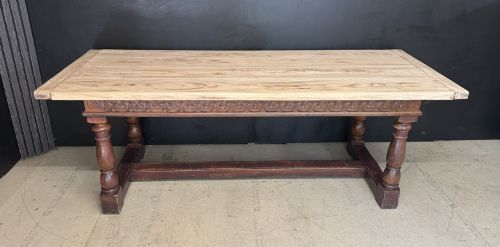
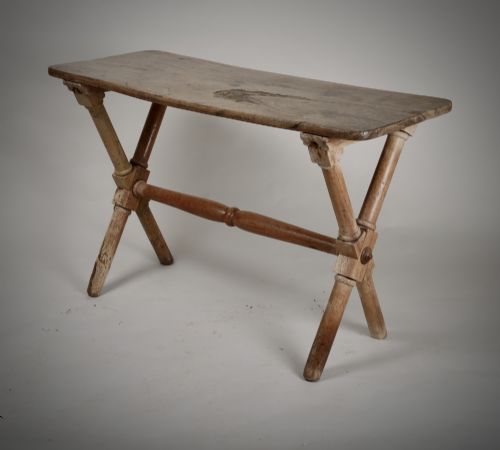
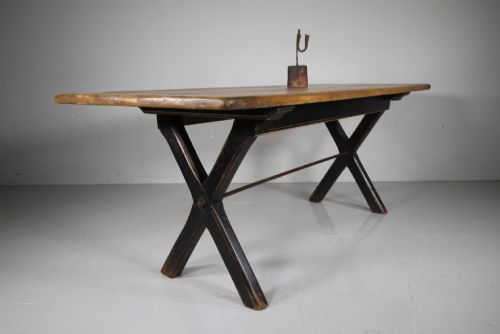
Many items display regional variations such as English and Welsh origins, alongside rustic farmhouse and arts and crafts styles. Forms range from standard four-legged pub tables to trestle designs and X-framed variants.
How these pieces were made
Carpenters constructed these tables using solid timbers like pine and oak, frequently selecting thick planks for heavy use. Two-plank tops with cleated ends appear regularly among the nineteenth-century examples.
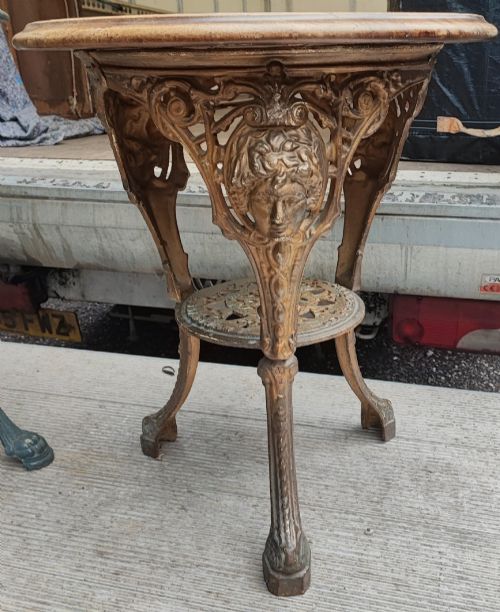
Makers utilised structural supports such as trestles, cast iron bases, and X-legs to ensure stability under heavy loads. Surfaces often received simple coats of paint or stained hardwood finishes rather than complex polish.
Listings feature periods from the Georgian era through to the 1930s, using pine, oak, cast iron, and painted timber.
What varies in quality
The proportion of timber thickness relative to the overall scale dictates the structural integrity of the table. Thicker tops and substantial legs provide greater stability and demonstrate a higher grade of utilitarian construction.
Originality of surface finish determines the visual character of each piece. Tables retaining their early painted surfaces or natural patinated timber sit at the upper end of the scale compared to later refinished examples.
The Vintage Wooden Tavern Table Glossary
- Cleated ends
- Wooden battens fixed across the ends of a tabletop to prevent warping. This technique keeps multi-plank tops flat over decades of atmospheric change.
- Trestle table
- A table comprising a horizontal beam supported by two vertical legs or frames. This design allows maximum legroom along the length of the surface.
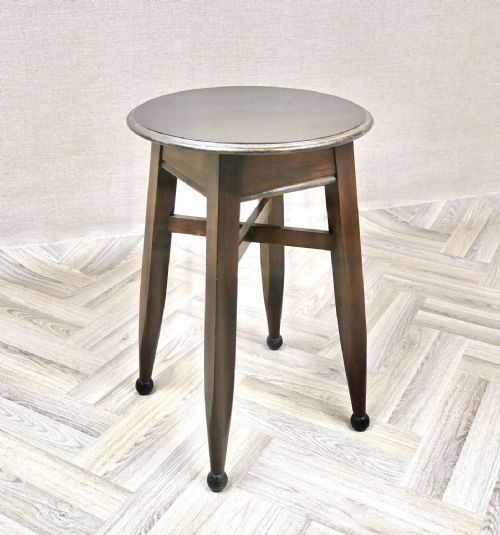
- Cricket table
- A small, light table traditionally featuring three legs. The design provides stability on uneven flagged tavern floors.
- Refectory table
- A long, narrow dining table originally used in monastic dining halls. These surfaces suit large communal gatherings.
- Patina
- The surface sheen and colour acquired by wood through age and handling. This visual depth develops naturally from years of cleaning and use.
Vintage Wooden Tavern Table: Frequently Asked Questions
How do I clean a wooden tavern table?
Wipe the surface with a slightly damp cloth and dry it immediately with a soft towel. Avoid harsh chemical cleaners that strip the historic finish.
Apply a traditional beeswax occasionally to nourish the dry timber and maintain the natural sheen.
Can I use a pub table for daily dining?
These tables were built for heavy commercial and domestic use, making them exceptionally durable for everyday meals. Their robust construction handles daily family life with ease.
Consider the height and knee clearance of older designs before pairing them with modern chairs.
How do I date a 19th-century pine table?
Examine the timber boards for hand-sawn marks and the fixings for handmade or early machine-cut nails. Tool marks left by the carpenter reveal the production methods of the era.
Compare the framing style and leg turnings to documented pieces from Victorian and Edwardian periods.
What is the difference between pub and tavern tables?
The terms are often used interchangeably to describe sturdy tables found in historical drinking establishments. Pub tables frequently incorporate cast iron elements alongside wood.
Tavern tables typically lean towards entirely wooden construction with thick plank tops and simple stretcher bases.