
Vintage Painted China Plate
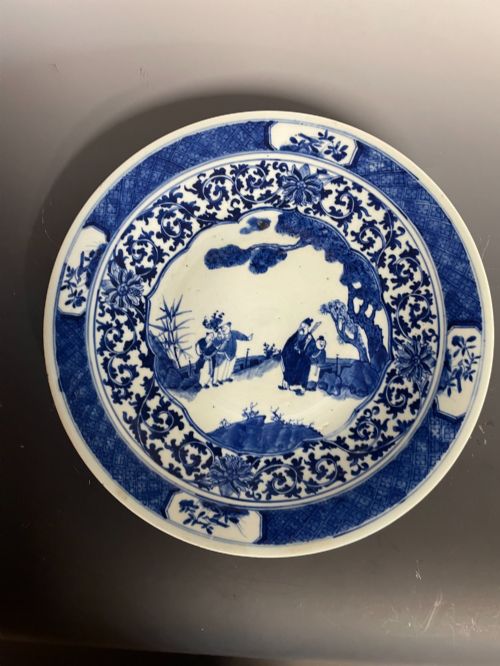
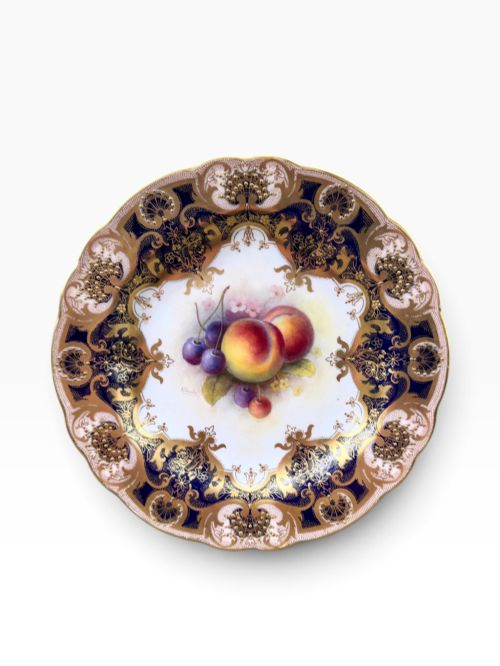
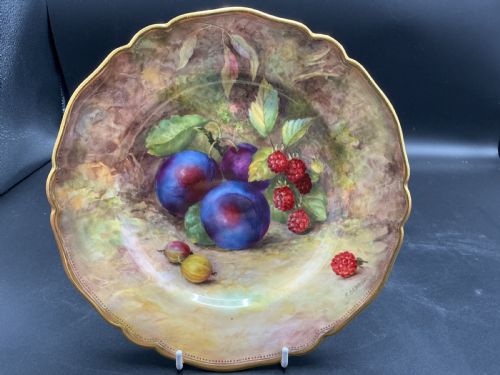
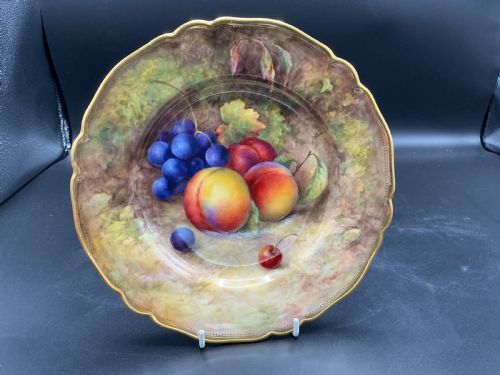
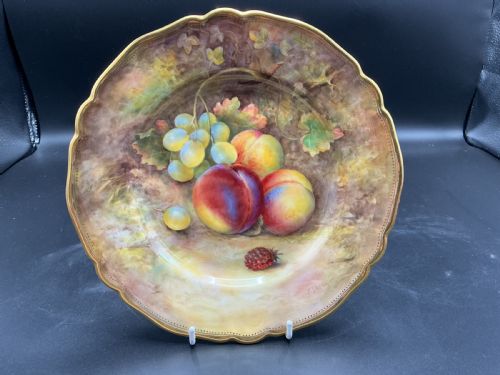
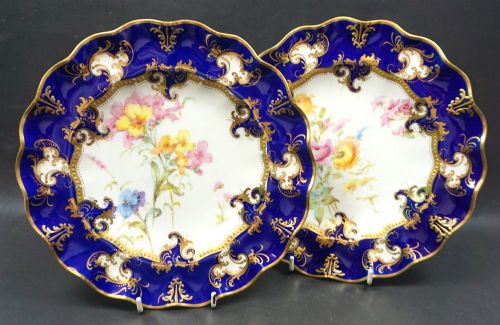
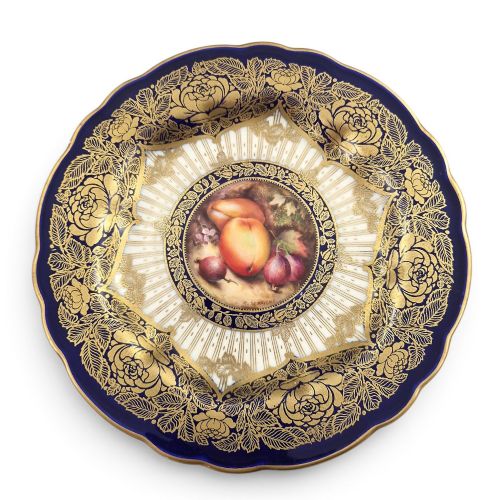
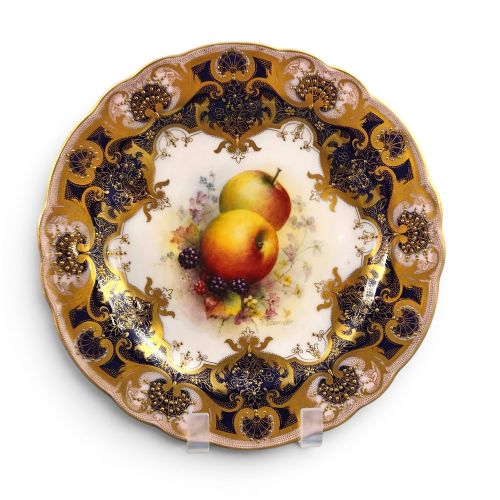
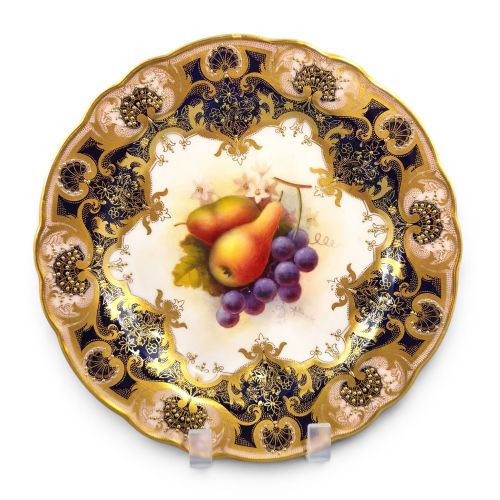
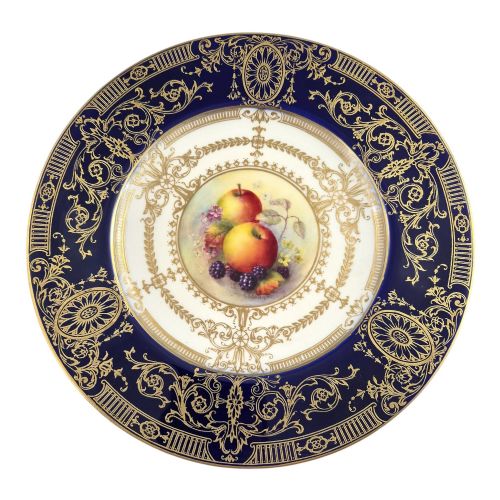
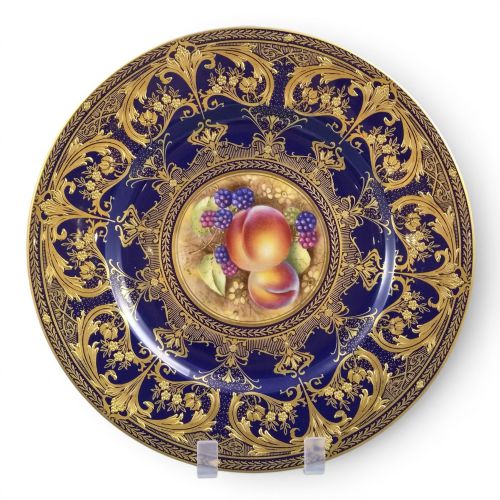
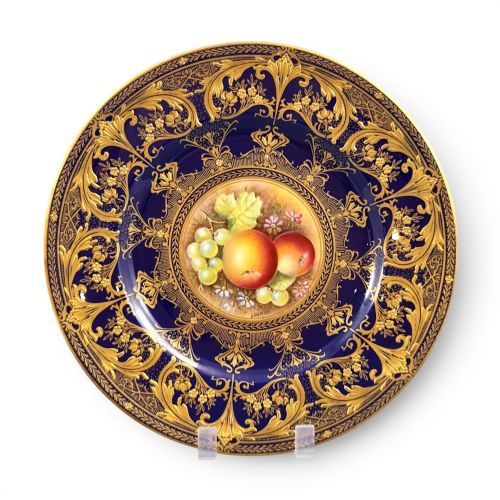
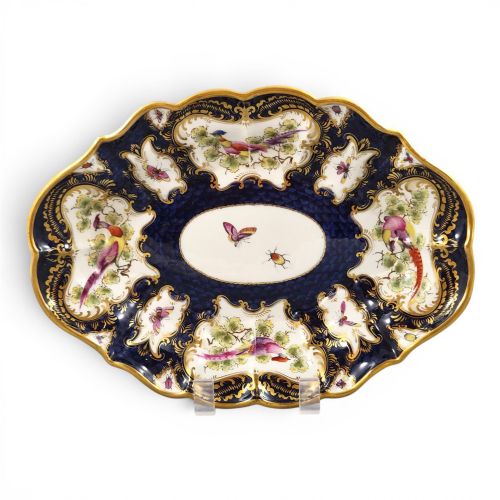
A vintage painted china plate brings hand-painted colour and intricate botanical or fruit scenes directly to the table or cabinet.
Vintage Painted China Plate
Every vintage painted china plate on this page spans periods from the eighteenth century through the mid-twentieth century, encompassing Victorian, Edwardian, and Art Deco aesthetics. Buyers encounter decorative cabinet plates, dessert dishes, and soup bowls created for display or formal dining rather than heavy daily use.
Materials and methods
Potters shaped fine paste porcelain, bone china, or ironstone before applying an initial high-temperature kiln firing to set the ceramic body. Artisans then painted detailed botanical, fruit, or abstract scenes by hand using mineral pigments.
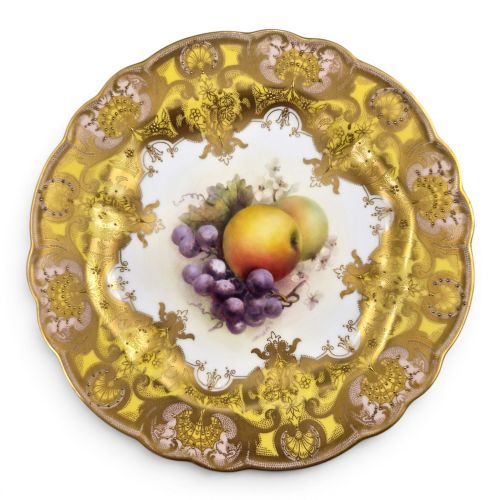
Gilding, gold leaf, and enamel details were applied in subsequent firing stages to fuse the metallic accents securely onto the glaze.
Some painterly plates preserve the exact brushstroke hesitation of an artist working by daylight in a Staffordshire studio a century ago.
Factors of distinction
The skill of the individual artist dictates visual merit, particularly on hand-painted fruit and floral cabinet plates where signed works by known porcelain painters command greater attention. The precision of the brushwork, the depth of the enamel colours, and the richness of the gilding separate standard production items from master-painted display pieces.
The complexity of the ceramic form, such as rope edges, basketweave moulding, or shaped borders, influences the overall character of the piece alongside the clarity of underlying factory marks.
Royal Worcester·Royal Crown Derby·Royal Doulton·Clarice Cliff·Meissen
The Vintage Painted China Plate Glossary
- Cabinet plate
- A decorative ceramic dish intended primarily for display in a cabinet or on a wall rather than for practical dining use. These often feature elaborate hand-painted scenes and gilded borders.
- Bone china
- A type of soft-paste porcelain incorporating bone ash, known for its high strength, chip resistance, and translucent white body. English potteries utilised this material extensively for fine tableware.
- Gilding
- The application of gold leaf or powdered gold suspended in a medium to the surface of ceramics. This technique highlights rims, handles, and painted borders.
- Imari
- A style of Japanese export porcelain characterised by a distinctive palette of underglaze blue, iron red, and gilt highlights. European potteries frequently copied these traditional motifs.
- Ironstone
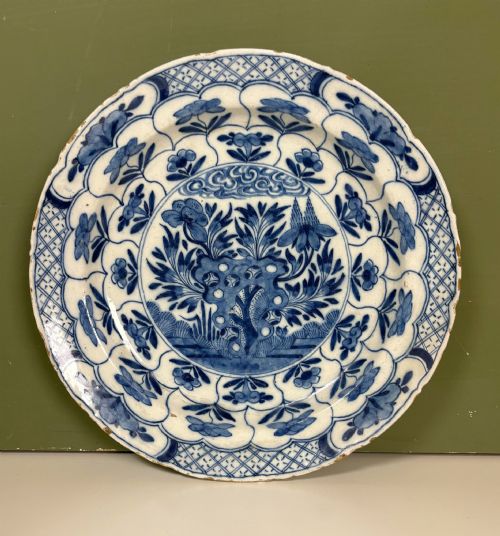
- A heavy, durable type of earthenware patented in the nineteenth century to imitate porcelain. It provides a sturdy base for transfer-printed and painted designs.
Vintage Painted China Plate: Frequently Asked Questions
How do I display a cabinet plate?
Cabinet plates look best mounted securely on walls using specialist wire hangers or displayed upright on plate stands inside glass-fronted furniture.
Keep them away from direct sunlight to preserve the vibrancy of the hand-painted enamels and gold leaf.
Can I use these plates for serving food?
Most antique decorative dishes and cabinet plates are intended for visual appreciation rather than regular culinary use.
Historic glazes and delicate gold trim can wear down under cutlery or dishwasher cycles, so gentle hand washing is essential if used.
How do I identify the maker?
Look closely at the underside of the ceramic for stamped factory marks, painted pattern numbers, or impressed ciphers.
Signatures near the edge of the painted scene often indicate the individual artist rather than the pottery itself.
What is the difference between porcelain and ironstone?
Porcelain is a vitrified, translucent ceramic fired at high temperatures, offering a refined and delicate appearance.
Ironstone is a denser, opaque earthenware designed for durability, resulting in a heavier plate with a robust feel.