



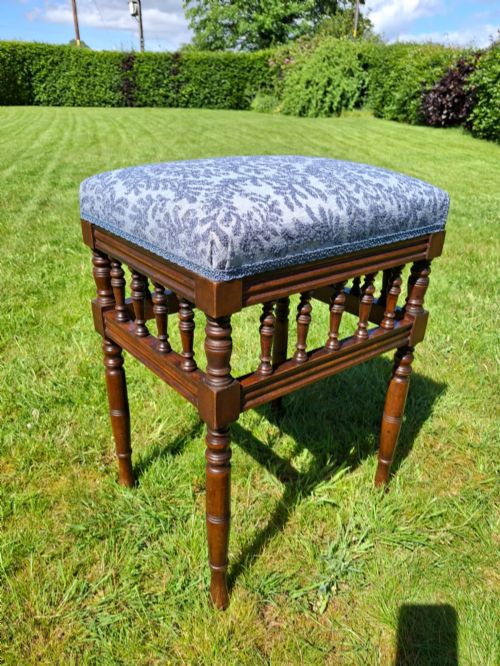


Vintage Padded Bench Stool
A vintage padded bench stool brings useful seating and period character to a hallway, bedroom or music room.
Vintage Padded Bench Stool
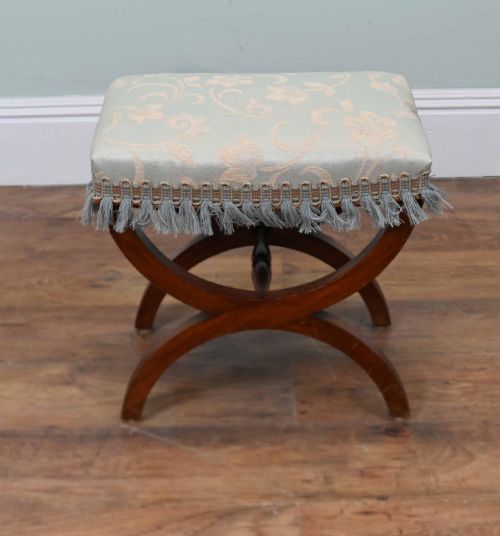
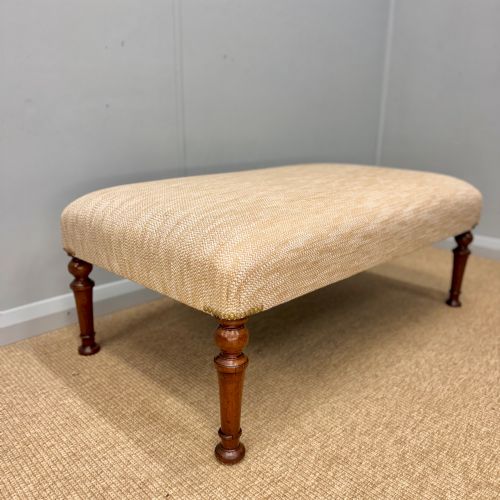
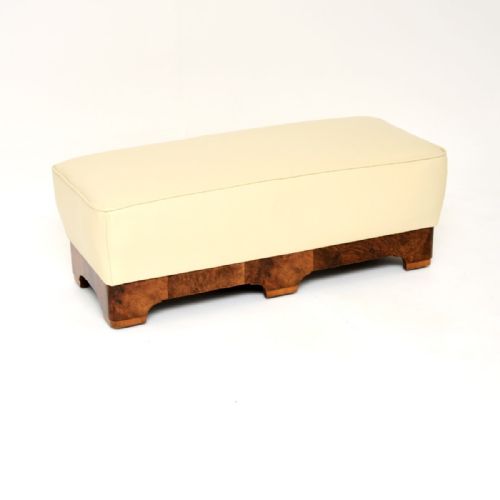
A vintage padded bench stool encompasses versatile seating pieces designed for domestic utility and comfort across multiple historical periods. Buyers searching for a vintage padded bench stool will encounter forms ranging from piano stools and dressing table seats to long footstools and window benches.
The selections span the nineteenth century, the Edwardian era, and the nineteen-thirties, reflecting diverse regional styles such as English Country House, Art Deco, and French revival designs. Mahogany, walnut, and rosewood form the structural foundations of these seating pieces, paired with textile, leather, or velvet upholstery.
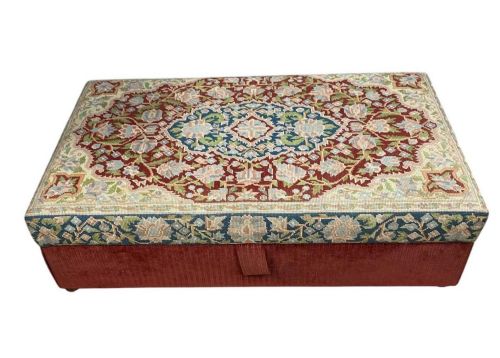
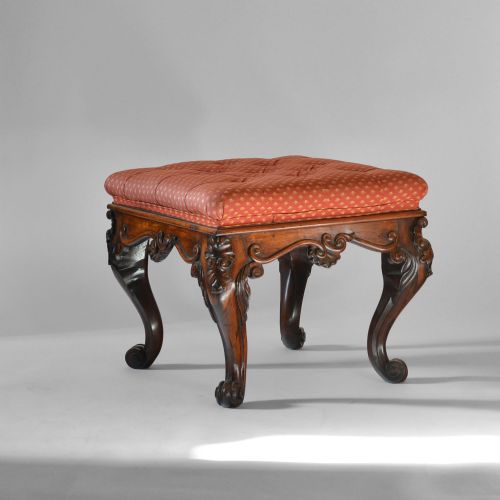
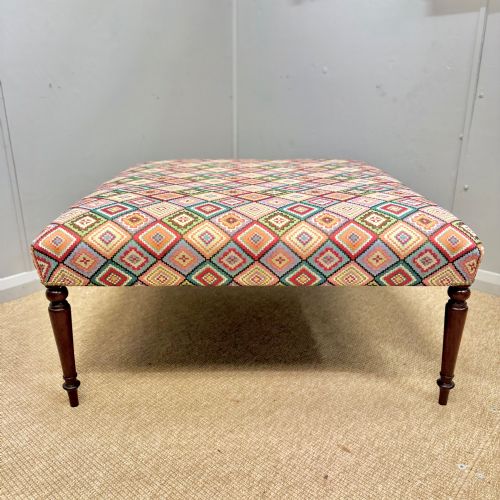
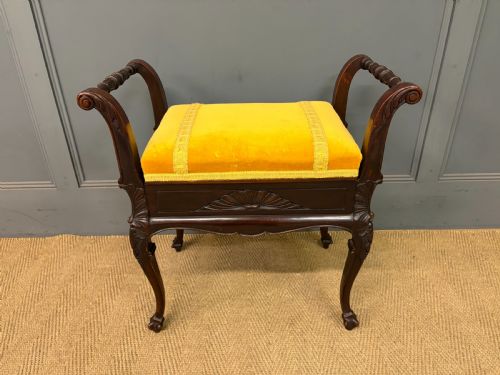
Piano stools and dressing table variants appear frequently alongside large geometric footstools and duet benches. Many examples feature upholstered pads or buttoned surfaces supported by cabriole legs, cross stretchers, or twisted rope uprights.
Materials and construction methods
Cabinetmakers utilised dense hardwoods including mahogany, walnut, oak, and teak to build sturdy frames capable of withstanding daily domestic use. Joinery techniques varied from traditional pinned mortise and tenon joints to turnings on lathes for cabriole legs and cross stretchers.
Upholstery involved stuffing textile, wool, leather, or velvet pads over webbing or spring foundations, secured occasionally with traditional buttoning. Decorative details such as brass fittings, inlaid wood veneers, and hand-carved motifs completed the frames of higher-status pieces.
Vintage Padded Bench Stool Retail Price Guide 2026
Typical asking prices for vintage padded bench stool among the pieces listed under this phrase on Sellingantiques today, from the lower quarter to the upper quarter. They describe what is for sale here now, not the wider market.
The documented pieces span the Victorian era, the Edwardian period, and Art Deco designs from nineteen-thirty.
Distinctions in craftsmanship and finish
Quality rests upon the selection of timber and the precision of the underlying frame joinery rather than mere surface appearance. Finely carved cabriole legs, crisp geometric inlay, and solid secondary timbers indicate superior workshop production compared to simpler utilitarian alternatives.
The integrity of the upholstery foundation and the quality of the textile covering dictate both comfort and visual appeal. Original timber patination, careful restoration of the polished finish, and structural stability separate standard everyday seating from exceptional examples.
Jas Shoolbred
The Vintage Padded Bench Stool Glossary
- Cabriole leg
- A furniture leg that curves outward at the knee and tapers inward to an ankle, commonly found on eighteenth and nineteenth-century seating.
- Duet stool
- An elongated piano stool designed to seat two players side by side during musical practice or performance.
- Cross stretcher
- Horizontal wooden braces connecting the legs of a stool near the base to provide structural rigidity and decorative symmetry.
- Chinoiserie
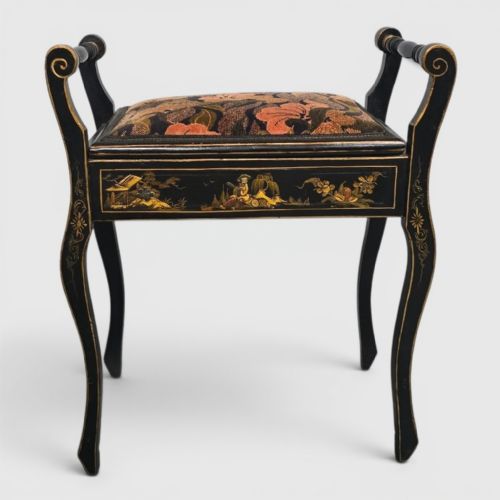
- A European artistic style reflecting Chinese motifs and decorative techniques, frequently applied to piano and dressing table stools.
- Needlepoint
- A type of canvas work embroidery utilised historically to create durable and decorative upper covers for padded footstools.
Vintage Padded Bench Stool: Frequently Asked Questions
What is a duet piano stool?
A duet piano stool is an extended seating form built to accommodate two musicians sharing a keyboard instrument.
These pieces typically date from the late nineteenth or early twentieth century and provide a broader surface than standard solo piano seats.
How do I identify an Edwardian bench?
Edwardian benches are characterised by lighter proportions, mahogany or inlaid walnut frames, and refined aesthetic influences from the early twentieth century.
They often feature subtle string inlay or upholstered pads that reflect the transitional tastes of the period.
Where were these stools used?
These versatile pieces served primarily in bedrooms before dressing tables, beside pianos for musical practice, or placed in hallways as window seats.
Longer bench variants also functioned as footstools or companion pieces in principal reception rooms.
What wood types are most common?
Mahogany and walnut appear most frequently across nineteenth-century and Edwardian seating frames.
Less common alternatives include rosewood, oak, teak, and giltwood depending on the regional style and period of manufacture.