



1930s Dressing Table Seat
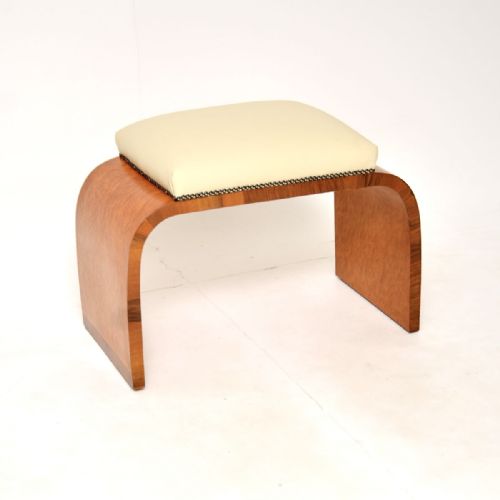
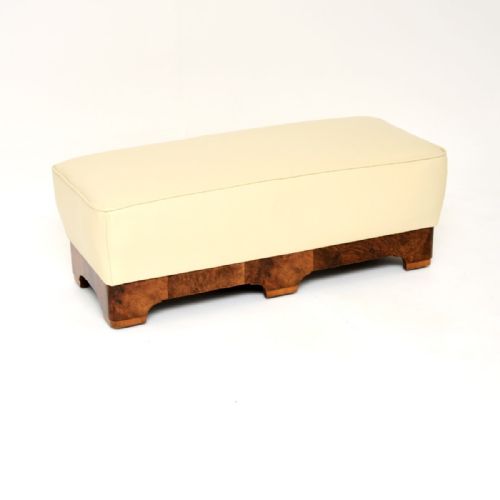
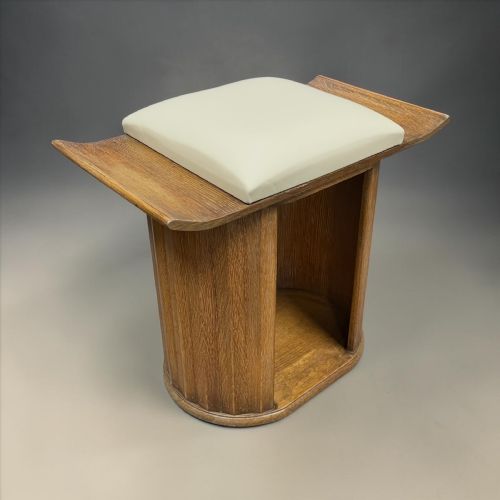
These 1930s dressing table seat examples bring distinct Art Deco lines to the bedroom, pairing compact utility with striking grain patterns.
1930s Dressing Table Seat
A 1930s dressing table seat provides a compact and functional perch for the bedroom, often doubling as a piano stool or small ottoman. These pieces emerge directly from the Art Deco period, capturing the geometric discipline and streamlined forms of that decade.
The most common formats on this page are low stools and side chairs designed to slide neatly beneath vanity units. They draw upon English workshop traditions while embracing modern materials and finishes.
How they were made
Cabinet makers utilised choice hardwoods like walnut, oak, and sycamore, often applying decorative veneers such as burr walnut and birds eye maple to create striking surface patterns. These timbers provided a sturdy structural foundation while displaying the natural grain.
Upholstery completed the design, frequently featuring leather or fabric top covers. Metal elements also appear occasionally to accent the frames and support the streamlined aesthetic.
1930s Dressing Table Seat Retail Price Guide 2026
Typical asking prices for 1930s dressing table seat among the pieces listed under this phrase on Sellingantiques today, from the lower quarter to the upper quarter. They describe what is for sale here now, not the wider market.
Some seats hid your sheet music just as easily as your powder compact.
What varies in quality
The choice of veneer defines the visual weight of the piece, with richly figured burr walnut and birds eye maple marking out the more ambitious examples. Plain walnut or oak frames represent the simpler end of the design spectrum.
Harry and Lou Epstein·Hille
The 1930s Dressing Table Seat Glossary
- Art Deco
- A design style characterised by sleek geometric shapes, streamlined forms, and modern industrial materials. It dominated international design during the interwar period.
- Burr Walnut
- A highly prized timber veneer obtained from the deformed growth or burl of a walnut tree. It yields intricate, swirling grain patterns.
- Birds Eye Maple
- A figure in maple wood where the grain resembles tiny, swirling eyes. It creates a distinctive dotted pattern across the surface.
- Sycamore
- A pale hardwood often used for lighter furniture frames and interior details. It provides a clean, neutral contrast to darker veneers.
1930s Dressing Table Seat: Frequently Asked Questions
What is a 1930s dressing table seat?
A 1930s dressing table seat is a small chair or stool designed to sit beneath a vanity table during the interwar period. These pieces match the compact, geometric requirements of Art Deco bedroom suites.
They often feature upholstered tops in leather or fabric, sometimes incorporating hidden storage compartments for cosmetics or accessories.
How do I identify Art Deco furniture?
Art Deco furniture relies on clean lines, geometric symmetry, and the use of striking decorative veneers like burr walnut or birds eye maple. Decoration is derived from the natural grain patterns rather than carved ornamentation.
Such pieces typically exhibit a low, horizontal emphasis that suits the modern room layouts of the 1930s.
Were these seats used for anything else?
Many examples from this era served dual purposes as piano stools or small footstools, reflecting the multifunctional nature of interwar interior design. Some versions included internal storage beneath the seat lid.
Their compact scale allowed them to move easily between the dressing room, music room, and bedroom as needed.
How should I care for timber veneer?
Burr walnut and birds eye maple veneers require protection from direct sunlight and excessive moisture to prevent fading and lifting. Regular dusting with a soft, dry cloth preserves the polished finish.
Conditioning the wood periodically helps maintain the natural oils within the historic timber.