

Vintage Overmantel
A vintage overmantel brings historical weight and reflective light to a room, anchoring a fireplace with grand proportions and period craftsmanship.
Vintage Overmantel
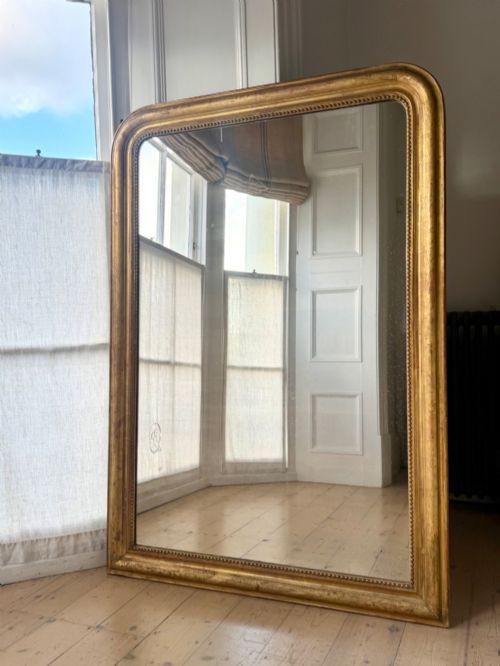
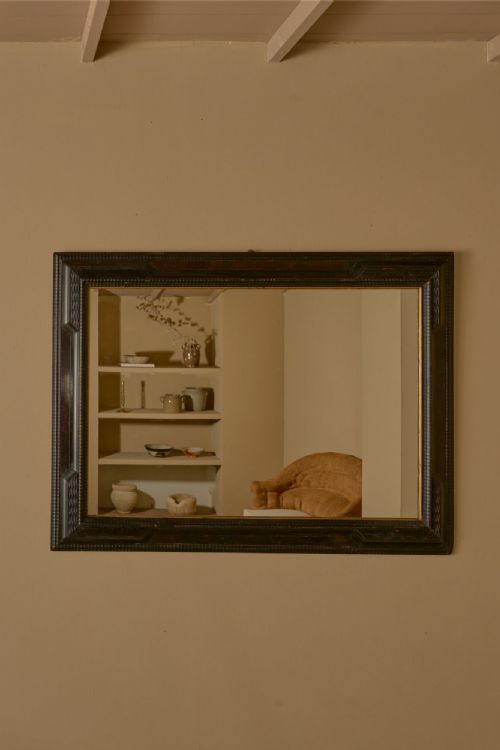
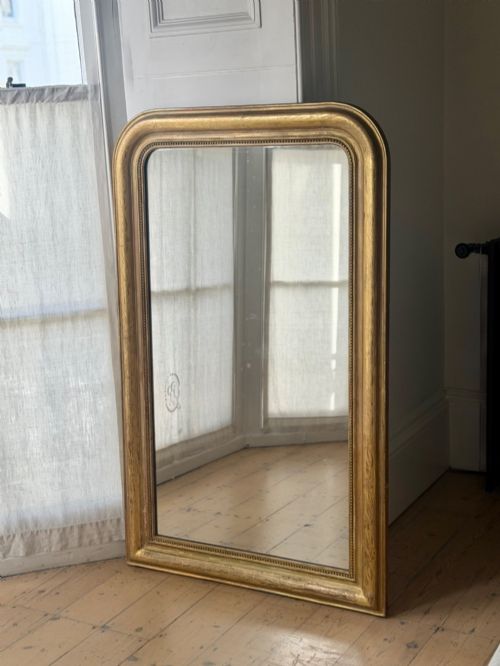
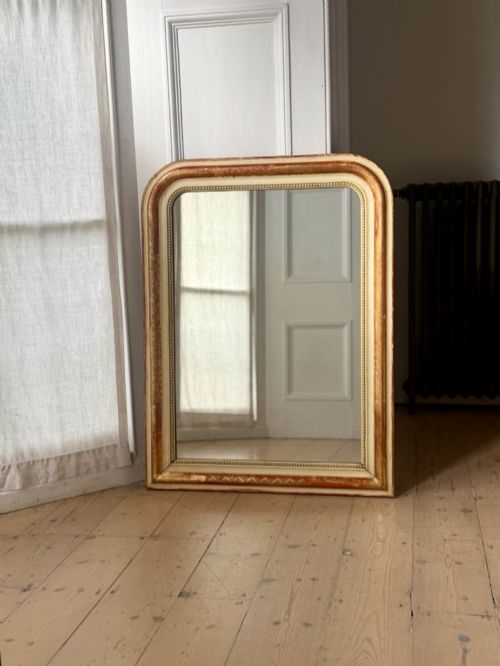
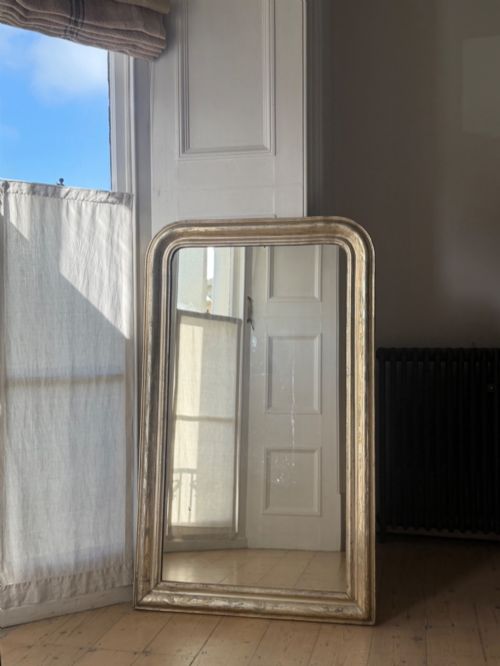
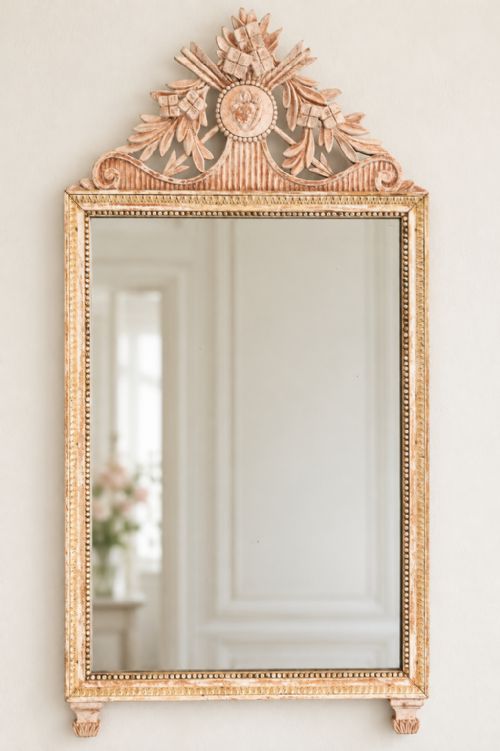
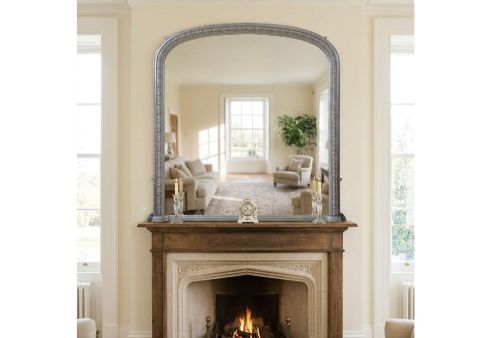
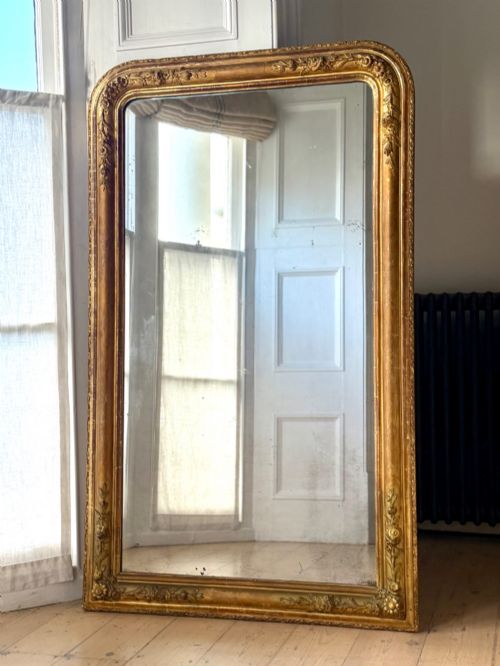
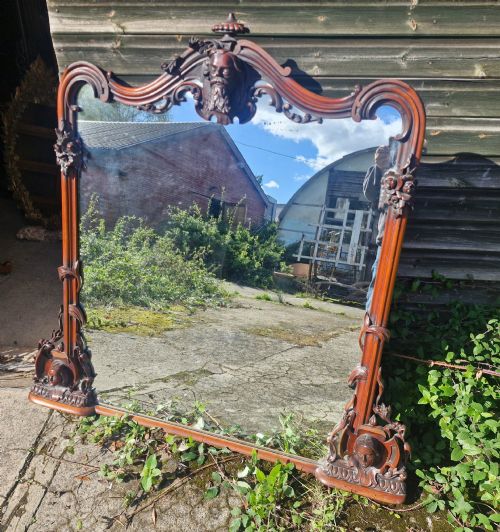
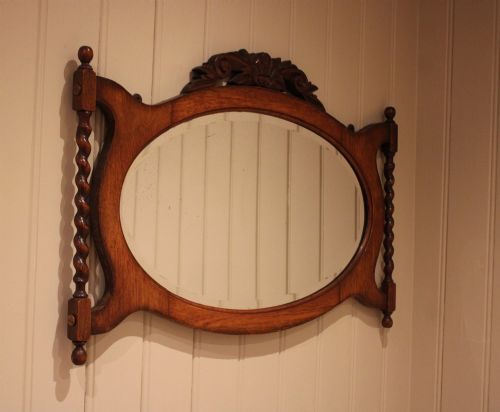
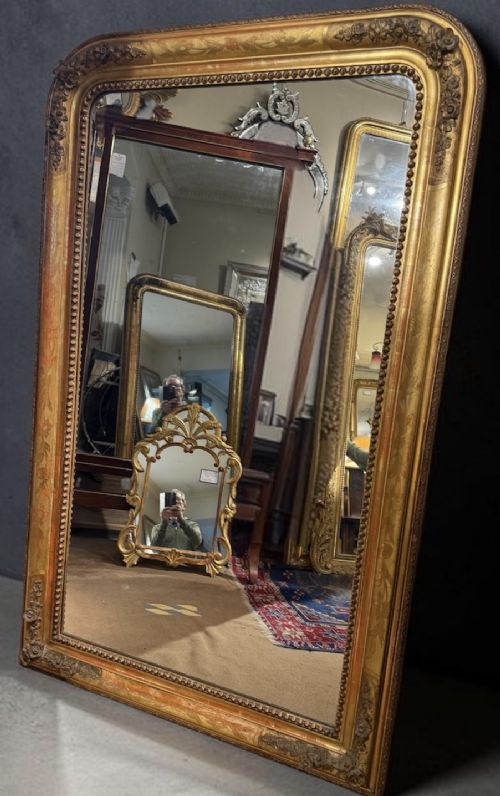
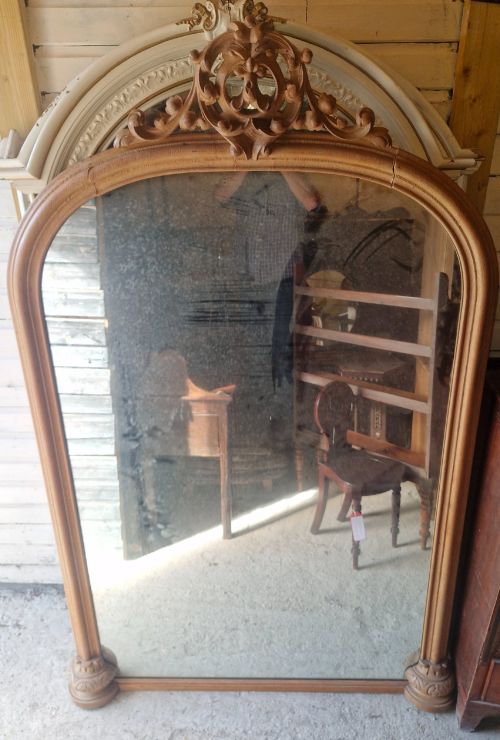
When you search for a vintage overmantel, you are looking at large architectural mirrors designed to sit directly above a fireplace mantelpiece. The pieces gathered here span from the Regency and Victorian eras into the early twentieth century, taking forms such as expansive wall mirrors and dedicated overmantel variants. You will most frequently encounter nineteenth-century French Louis Philippe designs alongside robust English oak and giltwood frames.
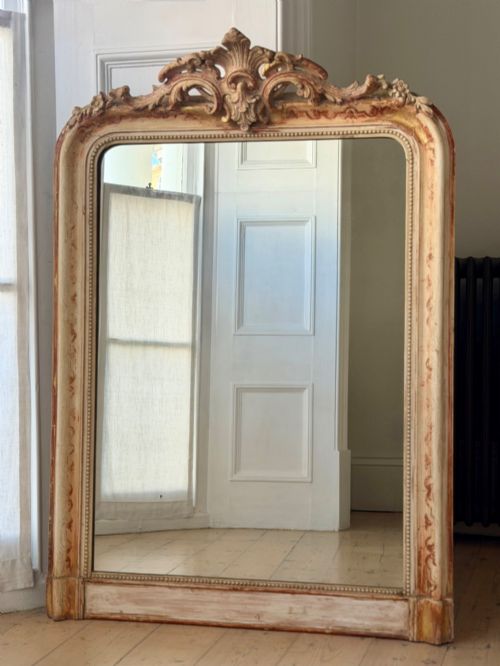
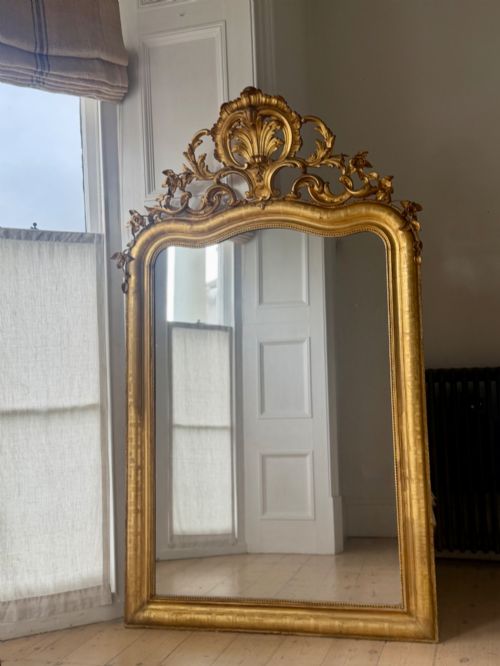
Makers and artisans of these periods built them to dominate chimney breasts, using wide proportions and tall arched or rectangular frames to draw the eye upward. French examples often show softened corners and restrained neoclassical lines, whereas Victorian pieces lean toward heavier gilding and elaborate carved ornamentation. Each object reflects the domestic scale and interior aesthetic of its original period.
How they were made
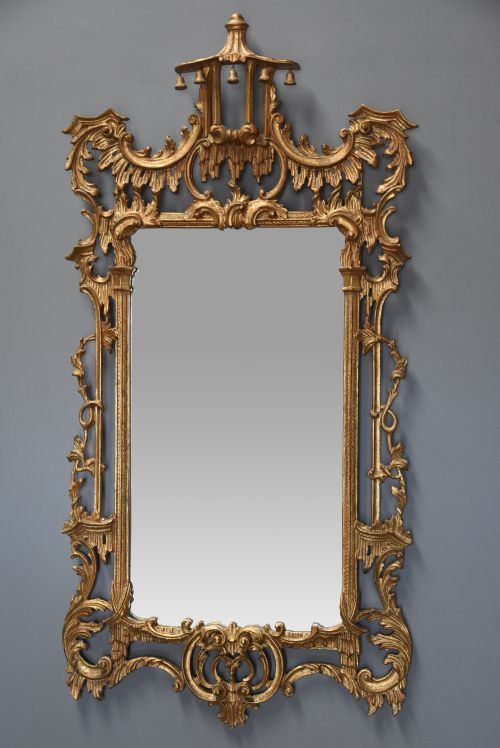
Carpenters and gilders constructed these frames using solid timbers such as oak, mahogany, and satinwood, frequently applying layers of gesso to build up intricate relief decoration before gilding with gold leaf or silver gilt. Many nineteenth-century examples employ mercury glass plates, which produce a distinct mottled reflection and deeper tonal quality than modern float glass.
Carvers worked directly into the wood or moulded gesso layers to create scrolling foliage, ribbons, and crests, securing the heavy glass plates within deep rabbets at the back. Painted finishes and bare gesso surfaces also appear, showing the underlying hand of the craftsman through visible tool marks and brushwork.
Vintage Overmantel Retail Price Guide 2026
Typical asking prices for vintage overmantel among the pieces listed under this phrase on Sellingantiques today, from the lower quarter to the upper quarter. They describe what is for sale here now, not the wider market.
What varies in quality
The distinction between ordinary and exceptional pieces lies in the depth of the carving and the integrity of the original gilding. Finer mirrors display crisp, hand-chiselled detail in the woodwork and coherent proportions that balance scale against ornamentation without appearing crowded.
The condition and authenticity of the mirror plate itself dictate much of the piece's standing. Original mercury glass with undisturbed foxing and silvering carries greater historical character than a later replacement plate fitted into an older frame.
Waring and Gillow
The Vintage Overmantel Glossary
- Louis Philippe
- A mid-nineteenth-century French style characterised by simple rectangular or arched frames with rounded upper corners and subtle decorative moulding. It offers a cleaner profile than heavy Victorian ornamentation.
- Gesso
- A plaster-like mixture applied to wood frames as a base for gilding or painting. It accepts fine carving and moulding before metal leaf is laid down.
- Mercury glass
- An early type of mirror plate produced by pouring a silvering mixture of mercury and tin behind double-walled glass. It yields a characteristic cloudy, darkened reflection.
- Pier mirror
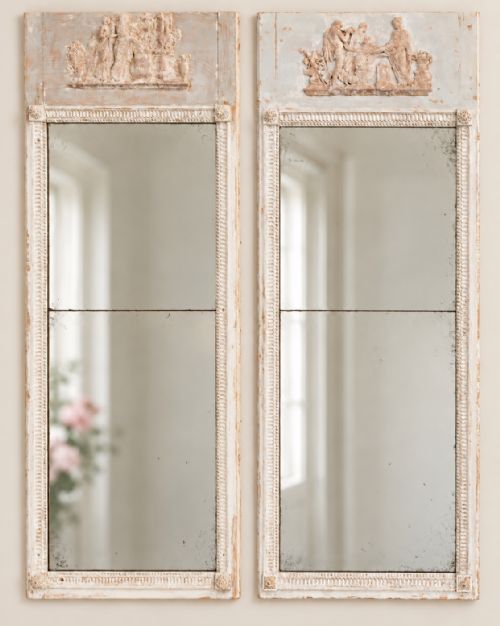
- A tall, narrow mirror designed to hang on the wall space between two windows or above a low pier table. They share similar decorative vocabularies with overmantels.
- Overmantel
- A large mirror or panel specifically proportioned to sit on the chimney breast directly above a fireplace mantel. They often feature horizontal emphasis or arched crests to fit low ceilings.
Vintage Overmantel: Frequently Asked Questions
What is mercury glass?
Mercury glass is an early nineteenth-century mirror plate made by sealing a reflective amalgam behind glass, creating a deep, dark reflection. Over time, the silvering naturally deteriorates to form spots and clouds known as foxing.
This ageing process gives vintage pieces their distinct character and proves the glass is contemporary with the older frames. Modern replacements lack this unique optical depth.
How do I clean an antique gilt frame?
Dust giltwood and gesso frames gently with a dry, soft brush or a feather duster to prevent dislodging delicate raised ornamentation. Avoid all commercial cleaning sprays, water, and abrasive cloths, which strip gold leaf and soften gesso.
Water can penetrate cracks in the old finish and cause the underlying wood to swell or warp. Regular, gentle dusting is all a stable antique surface requires.
Can an overmantel be placed on a floor?
Many large overmantels are heavy enough to rest securely on a mantel shelf while being anchored to the wall for safety. Placing them directly on the floor as leaners creates a relaxed, contemporary interior effect while retaining period scale.
When leaning a mirror, secure the top frame to wall anchors to prevent tipping. This method suits rooms with high ceilings where standard hanging height places the glass too high.