





Vintage Oval Serving Plate
These vintage oval serving plate examples combine practical hospitality with period craftsmanship, bringing enduring style to any table.
Vintage Oval Serving Plate
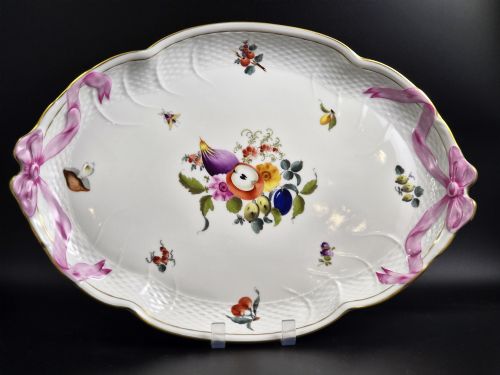
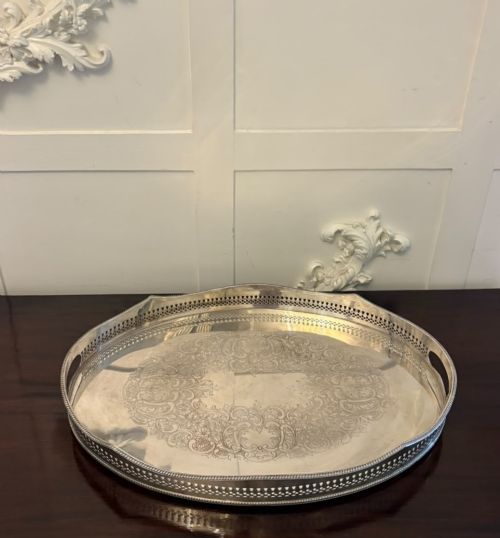
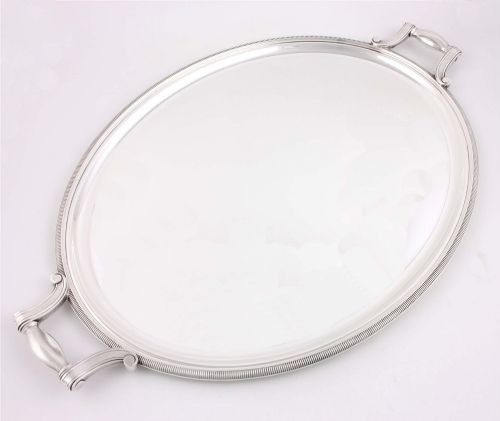
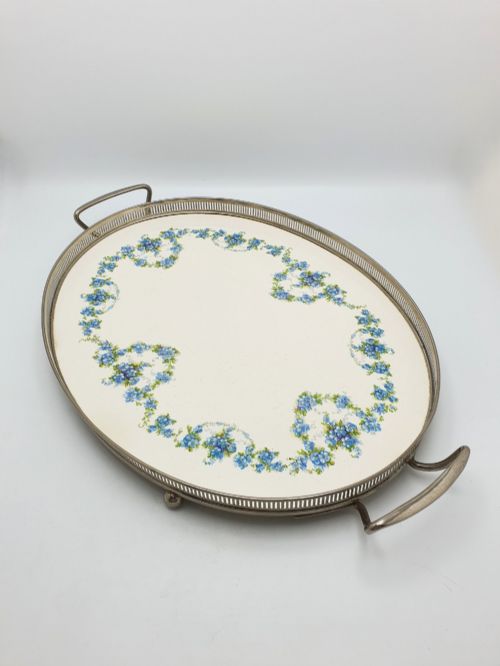
A vintage oval serving plate bridges the gap between functional tableware and decorative display, serving food or holding drinks with equal poise. When exploring these items, buyers encounter forms ranging from generous meat platters to refined cocktail trays.
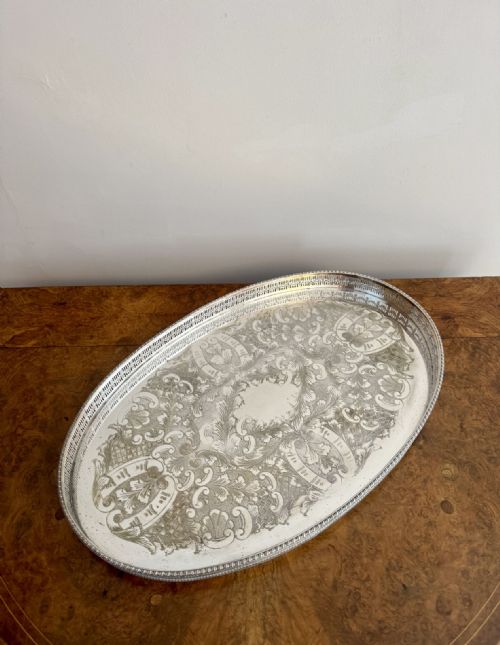
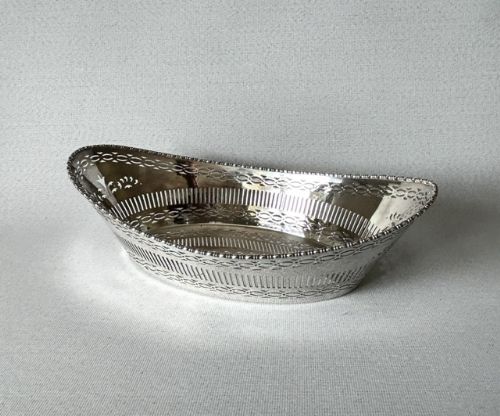
The selection leans heavily toward Edwardian and Victorian creations, alongside pieces from the nineteenth and early twentieth centuries. Many examples incorporate handles, pierced galleries, or engraved surfaces designed to catch the eye.
Originating from English, French, and Continental workshops, these platters reflect the domestic habits of past eras. Everyday dining and formal entertaining both demanded vessels shaped specifically to present roasts, tea services, or drinks.
Distinctions in Quality
The depth and clarity of hand engraving separate ordinary items from exceptional ones. Crisp lines in engraved scrolls and distinct details in floral motifs show the steady hand of a master craftsman.
Substantial weight and solid construction define better pieces, particularly in silver plated items where thick metal resists bending. Superior plating retains its bright finish longer across generations of use and cleaning.
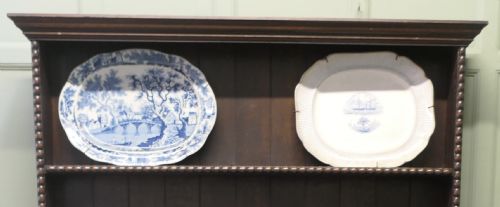
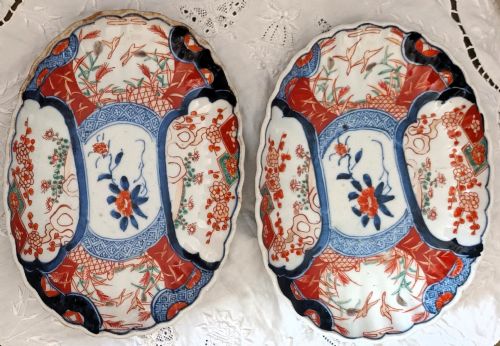
Ceramic quality shows in the evenness of the glaze and the sharpness of transfer-printed details without blurring. Well-balanced forms sit squarely on tables without rocking or tilting.
Mappin & Webb·Christofle·Asprey London·Roberts & Belk·Henry Wilkinson·Peters Hamburg·Meissen
The Vintage Oval Serving Plate Glossary
- Silver Plate
- A thin layer of silver bonded to a base metal core such as copper or nickel silver. This technique allowed makers to produce impressive tableware at a fraction of the cost of solid silver.
- EPNS
- Electroplated Nickel Silver, a common base material for nineteenth and twentieth-century metalware. An electrical current applied silver to a durable nickel alloy foundation.
- Transfer Print
- A ceramic decoration method using an engraved copper plate to transfer a design onto paper and then onto pottery. It allowed factories to produce complex blue and white patterns consistently.
- Ironstone
- A heavy, durable type of earthenware patented in the nineteenth century. It offered chip resistance and strength suitable for large meat platters.
- Gallery
- A raised pierced metal rim surrounding the edge of a tray. This decorative border kept glasses and decanters securely in place.
Vintage Oval Serving Plate: Frequently Asked Questions
How do I clean silver plated trays?
Use a soft cloth and a gentle, non-abrasive silver polish formulated for plated items. Avoid harsh scrubbing that can wear away the thin silver layer.
Store them in dry environments and handle them carefully to preserve the original finish and engraved details.
Can I use these for serving food today?
Metal and ceramic platters function well for serving dry foods, breads, or canapes during gatherings. Ensure older ceramic pieces are free from heavy wear if used directly with wet ingredients.
Many collectors prefer to use them for display, drinks service, or as centrepieces on dining tables.
What is Old Sheffield Plate?
Old Sheffield Plate is an early form of plating where a sheet of silver was fused to a copper core by heat and pressure. Items made this way often show subtle hints of copper where the silver layer has thinned.
This technique predates modern electroplating and appears on eighteenth and early nineteenth-century pieces.
How do I date a ceramic meat platter?
Examine the back of the piece for factory marks, impressed stamps, or registration numbers. The style of the blue and white transfer print also provides clues to the manufacturing decade.
Weight, glaze characteristics, and footrim construction help narrow down the period of production.