




Vintage Oval Framed Art
Vintage oval framed art spans centuries of portraiture, mirrors, and delicate watercolours held inside curved wooden, metal, or gilt surrounds.
Vintage Oval Framed Art
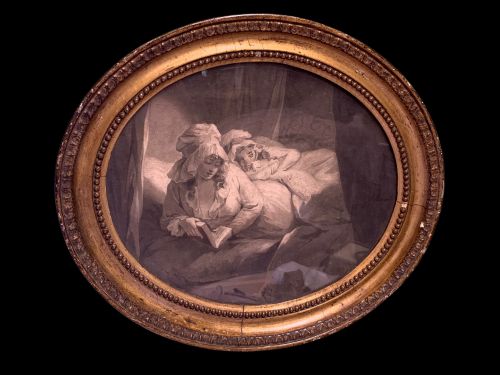
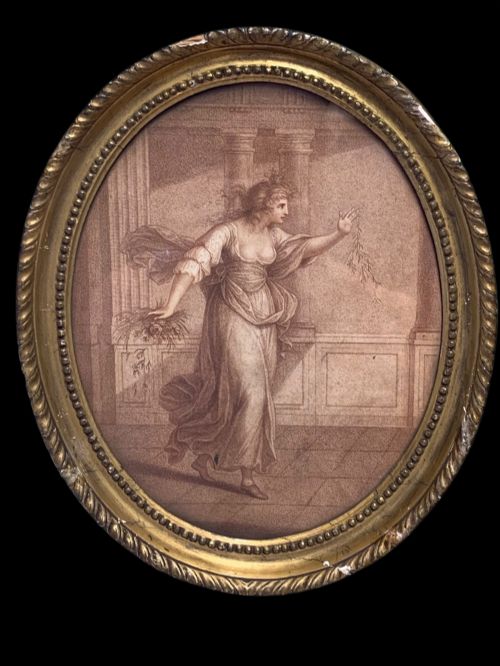
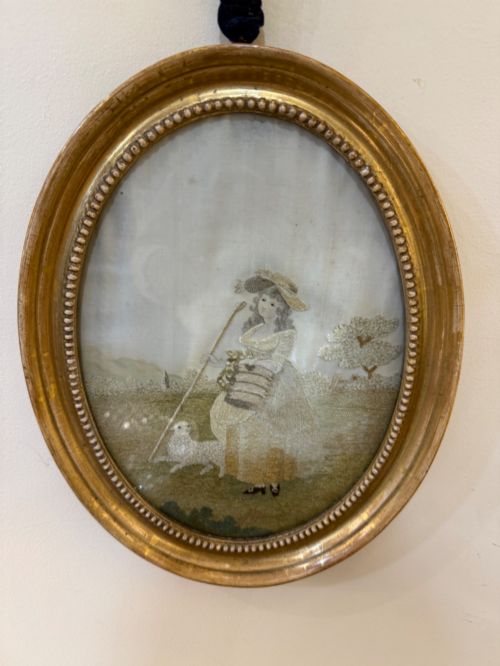
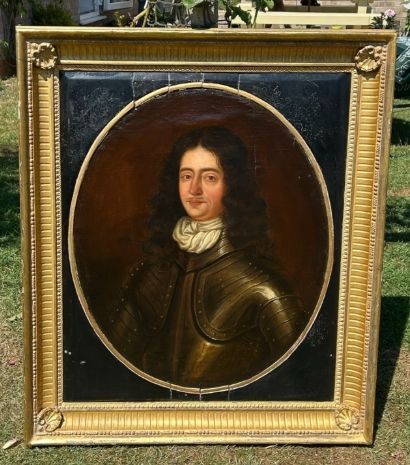
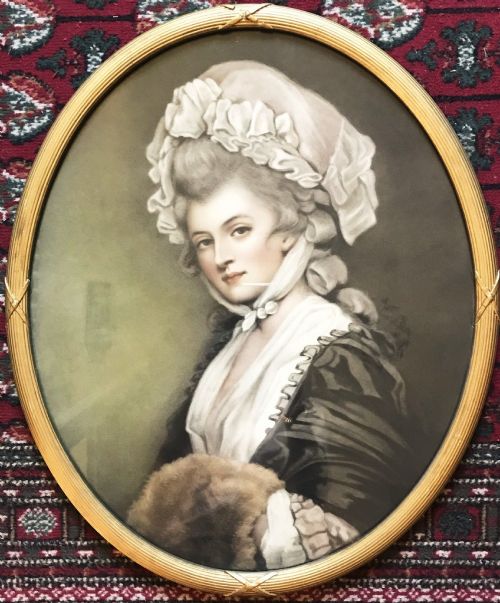
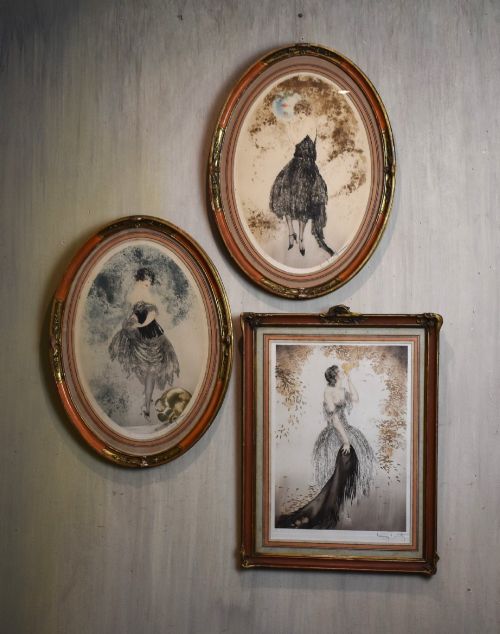
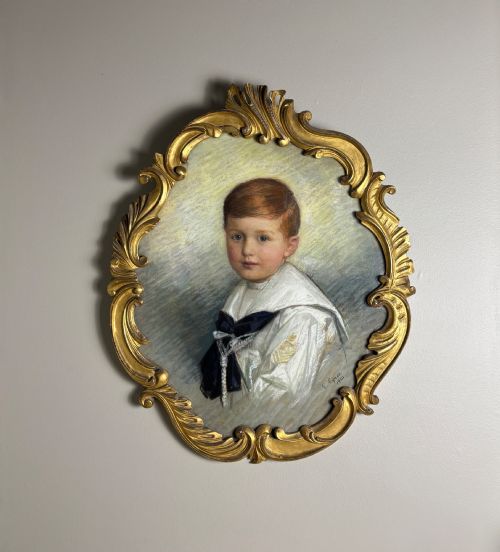
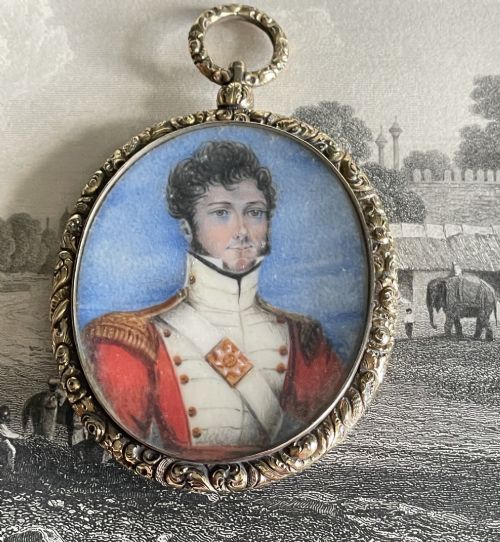
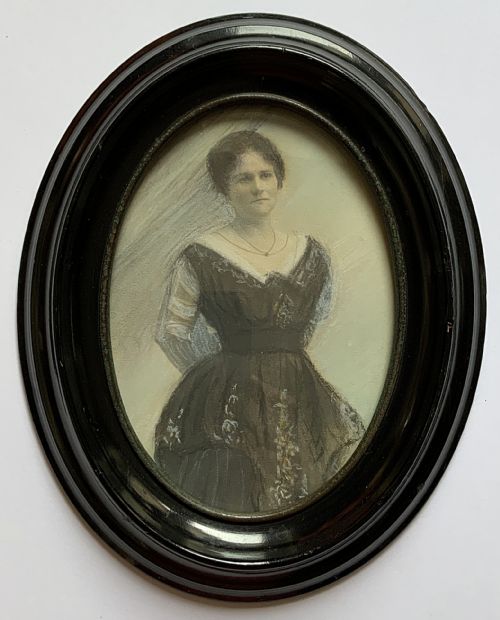
Vintage oval framed art encompasses a diverse range of wall mirrors, portrait miniatures, oil paintings, prints, and photographs housed within distinct curved borders. Buyers searching this phrase encounter everything from 18th-century stipple engravings and Georgian Berlin silks to early 20th-century silver photo frames and Arts and Crafts copper mirrors.
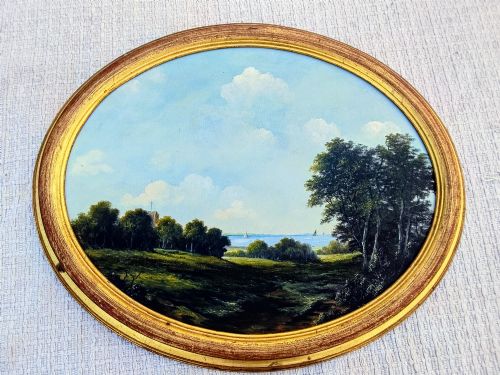
The objects derive from periods spanning the 17th century through the Art Deco era, with Victorian and Edwardian portraiture and mirrors appearing frequently. Works range from intimate watercolour and pastel studies to landscapes in oil on canvas and card.
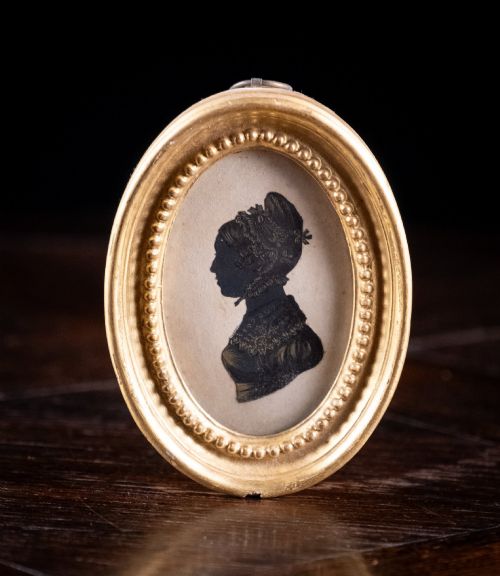
Forms vary from utilitarian oak and beech wood wall mirrors to decorative enamel plaques, mother-of-pearl pictures, and signed miniature portraits. Each piece relies upon the natural symmetry of the curved format to draw the eye toward the subject within.
How they were made
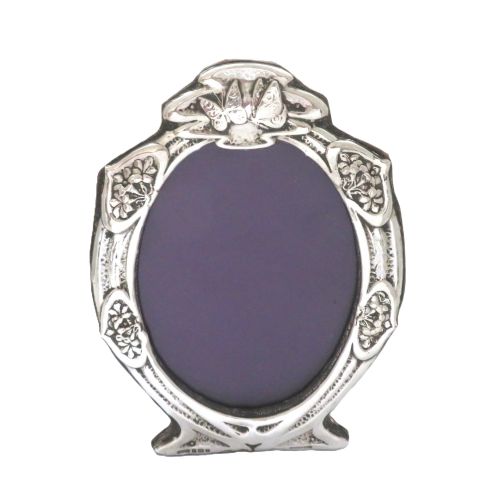
Makers utilised traditional hand-working techniques across various media, applying oil, watercolour, plumbago, and ink to canvas, paper, card, and enamel. Frames were constructed from carved wood, giltwood, ebonised timber, and cast or embossed metals including sterling silver, brass, copper, and bronze.
Glazing protects many of the paper works, engravings, and delicate portrait miniatures, often paired with fitted mounts and silk or velvet backings. Metal frames incorporate chased or repoussé decoration, while wooden surrounds utilise gilt or lacquer finishes to complement the artwork inside.
Listings include portrait miniatures, oil paintings, engravings, watercolours, mirrors, and photograph frames across multiple centuries.
What varies in quality
Quality rests in the execution of the primary artwork and the integrity of its enclosing frame, distinguishing finely painted miniatures or period canvases from mass-produced decorative prints. Hand-painted watercolours, signed artist works, and period engravings demonstrate superior craftsmanship compared to later reproductions.
The cohesion between the artwork and its original or period-correct surround dictates the desirability of the piece. Matching periods of frame and picture, alongside the preservation of original glass, backing materials, and metal patination, elevate individual examples.
Dumini Leopoldo·Liberty and Co·Louis Icart·Emily Eyres·Arthur Percy Dixon·James Hardy Junior·Bown Jones·Sir Thomas Lawrence·Susie Lassam
The Vintage Oval Framed Art Glossary
- Stipple engraving
- A printmaking technique using dots to create tonal gradations and subtle shadows. This method was widely utilised for portraiture during the eighteenth century.
- Plumbago
- A drawing executed in graphite, taking its name from the Latin word for lead. These miniature works provide precise monochromatic detail.
- Ex Voto
- A votive offering presented to a shrine or sacred place in fulfillment of a vow. These devotional items frequently appear in Italian religious art.
- Repoussé
- A metalworking technique where the metal is hammered from the reverse side to form a raised design in relief. This method defines many decorative silver and copper frames.
Vintage Oval Framed Art: Frequently Asked Questions
How do I hang vintage oval framed art?
Most pieces utilise a secure ring or wire attached to the reverse of the frame. Ensure the fixing matches the weight of the specific wooden or metal surround.
Group smaller frames thoughtfully alongside larger rectangular mirrors or paintings to balance the distinct curved geometry on the wall.
Are these frames original to the artwork?
Many pieces retain their period or original surrounds, particularly items from the eighteenth and nineteenth centuries. Descriptions note when a frame is period-appropriate to the artwork.
Inspect the joinery, backing materials, and mounting methods to understand the history of the object and its enclosure.
How should I clean delicate portrait miniatures?
Keep delicate watercolours, prints, and portrait miniatures away from direct sunlight to prevent fading of the pigments and paper. Dust wooden and metal frames gently with a dry cloth without applying harsh chemical sprays.
Leave glazed surfaces untouched unless handled by a professional restorer to protect the fragile interior.
What materials are common in these frames?
Frames are constructed from carved giltwood, ebonised timber, oak, beech, and cast metals including brass, copper, and sterling silver. Some decorative examples feature mother-of-pearl or red lacquer.
Artwork materials range from oil on canvas and card to delicate watercolours, pastels, engravings, and silk.