


Gilt Oval Wall Art
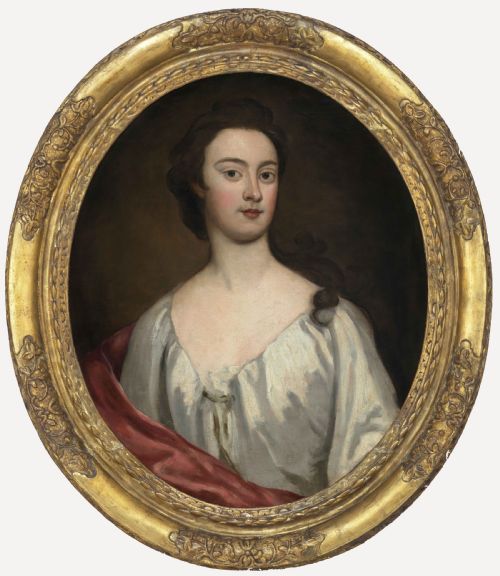
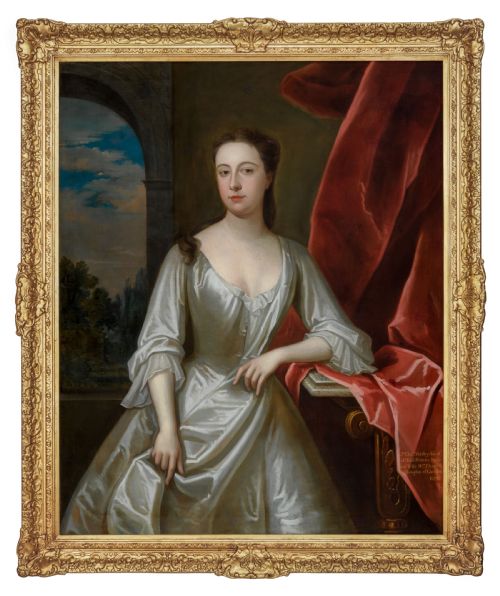
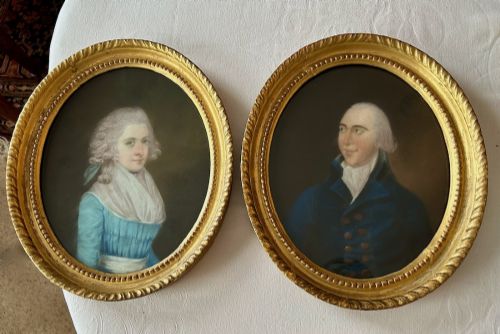
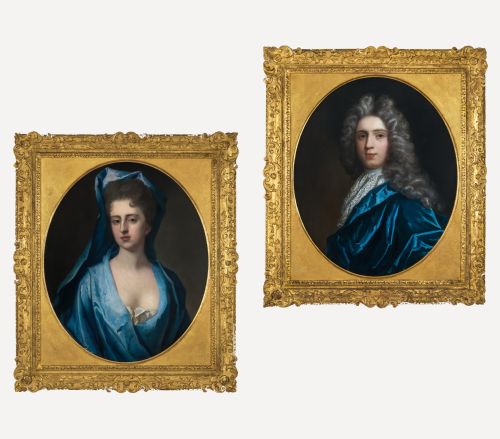
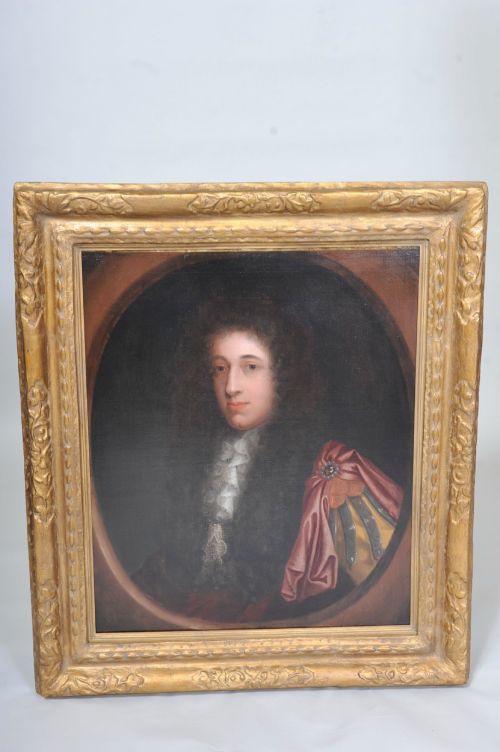
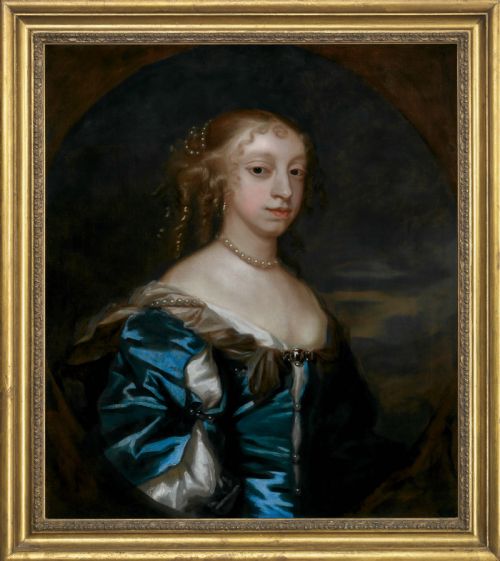
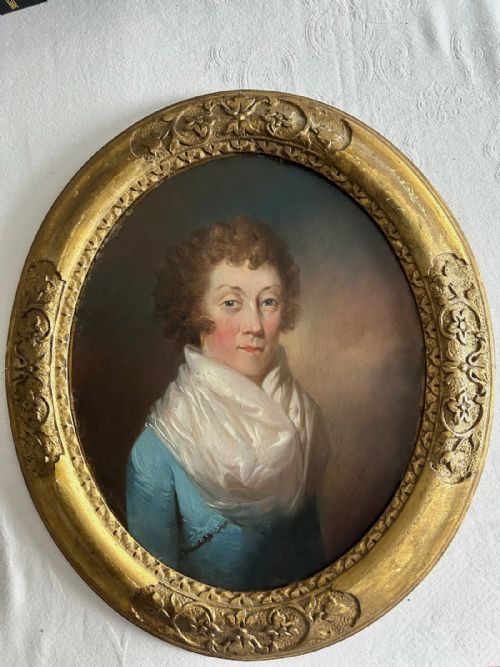
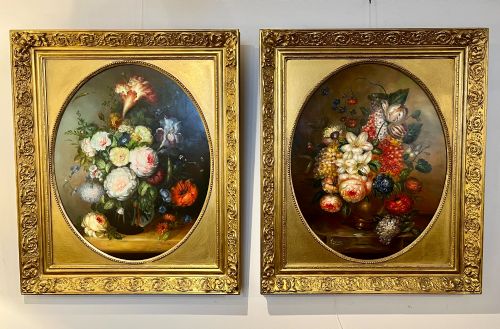
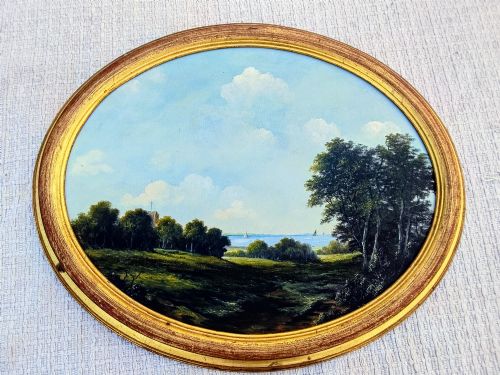
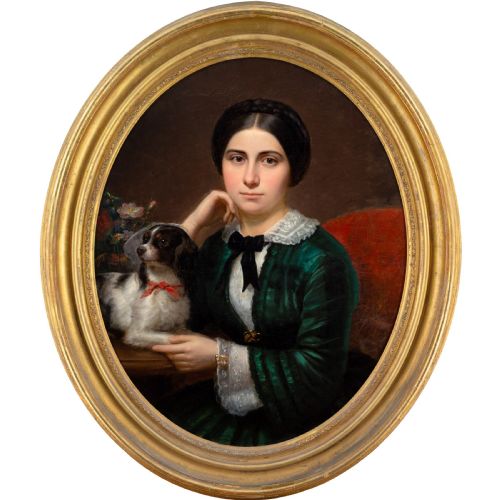
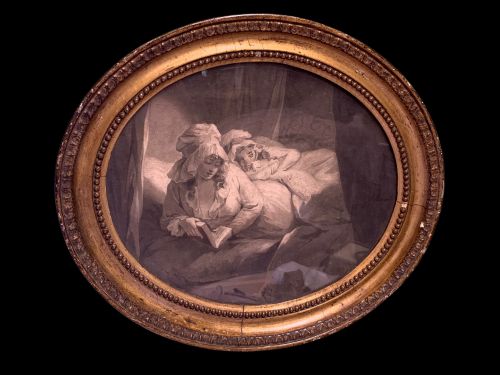
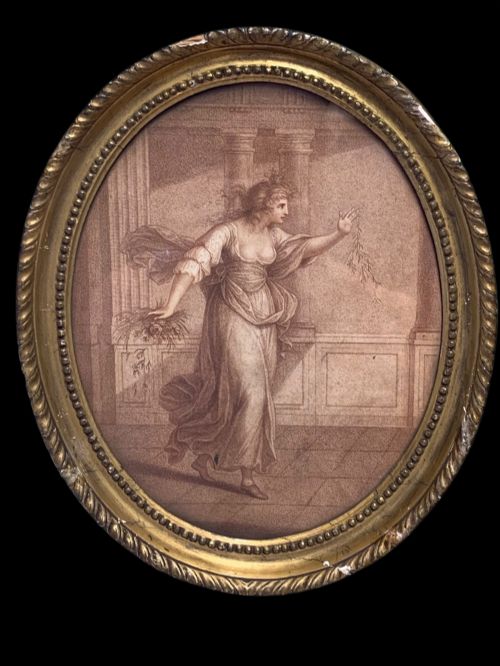
Gilt oval wall art encompasses centuries of framed portraiture, oils on canvas, pastels and silhouettes housed within gold leaf and giltwood surrounds.
Gilt Oval Wall Art
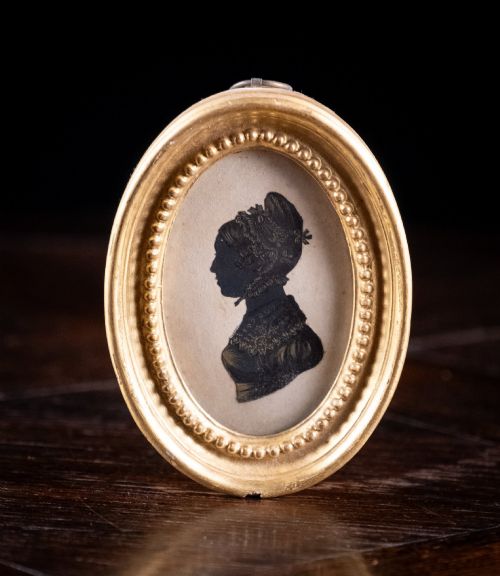
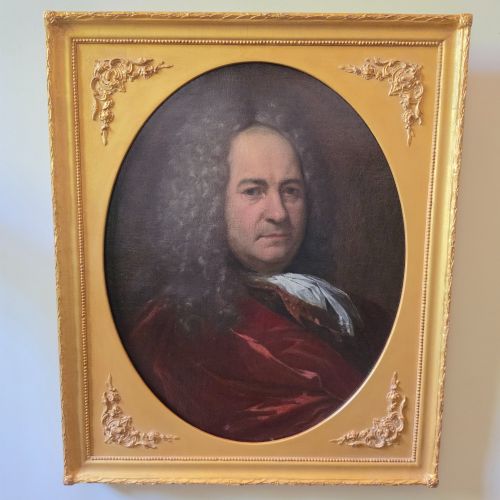
These pieces comprise framed works such as oil paintings, pastel portraits, engravings, silk works and silhouette portraits. The most common examples met here are 18th-century and 19th-century oil on canvas portraits and framed prints executed in vertical oval formats.
Makers and artists range from named portraitists of the English School to continental painters and anonymous 19th-century printmakers. Formats vary from miniature portrait studies to large-scale framed canvas works.
The aesthetic bridges several periods, drawing on Georgian, Regency, Victorian and Edwardian tastes. Each piece uses its curved frame to draw the eye directly to the central subject matter.
Materials and construction
Surrounds utilise traditional methods, combining wood carved or moulded into curved shapes and finished with gold leaf, giltwood or gilt brass. Canvases, boards, paper and silk form the primary substrates for the visual art contained within.
Artisans applied oil paint, pastel, stipple engraving, cut paper and silk work techniques directly onto these surfaces. Protective glazing frequently covers sensitive pastels, prints and silhouettes.
Listings feature mediums spanning oil on canvas, pastel, silk work, glass and giltwood from the 17th to the 20th century.
Distinguishing quality across pieces
Quality rests upon the execution of the central artwork, whether a finely painted oil portrait with subtle light handling or a delicate pastel and silk work. The integrity of the surrounding gilt frame, including the crispness of the moulding and the preservation of the original gold leaf, elevates the piece.
Period harmony matters significantly, particularly where the artwork and its specific oval frame have remained together since creation. Finer examples display masterly draughtsmanship and sympathetic framing that enhances the composition without overpowering it.
Sir Godfrey Kneller·Michael Dahl·Thomas Murray·Dumini Leopoldo·John Russell·Pieter Borseler·Jeremiah Davison·Louis Icart·Emily Eyres
The Gilt Oval Wall Art Glossary
- Giltwood
- Wood that has been coated with gold leaf or gold paint. This technique provides the bright metallic finish seen on traditional frames.
- Stipple engraving
- A printmaking method using dots to create tonal gradations and subtle shading. It was frequently employed for portraiture during the 18th century.
- Silhouette
- A solid dark profile portrait, typically cut from paper or painted. Early examples often appeared in miniature oval formats.
- Oil on canvas
- Pigment bound in an oil medium applied to stretched woven fabric. This combination forms the basis of many historical paintings.
- Pastel
- A dry drawing medium consisting of powdered pigment and a binder. Pastels require protective glazing to prevent smudging.
Gilt Oval Wall Art: Frequently Asked Questions
How are these pieces hung?
Most pieces feature secure mounting loops or rings attached to the reverse of the wooden frame. Their curved shapes require balanced placement to hang straight.
Wall fixings should match the weight of the heavier giltwood frames to ensure safety.
Can I place them in direct sunlight?
Direct sunlight damages sensitive mediums such as pastels, silk works and oil paints over time. Placing them away from bright windows preserves the colours.
UV-protective glazing helps shield vulnerable paper and canvas surfaces in well-lit rooms.
How do I clean a gilt frame?
Dusting gently with a soft, dry brush removes surface particles without disturbing the delicate gold leaf. Moisture and harsh cleaning agents must be avoided entirely.
Professional conservation is recommended for deep cleaning antique giltwood surfaces.
What periods do these artworks cover?
The selection spans from the late 16th-century Renaissance through the 17th, 18th and 19th centuries into the Edwardian and Art Deco eras. Georgian and Regency pieces appear frequently among the portraits.
Earlier works often reflect formal court painting styles while later pieces embrace romantic or domestic subjects.