




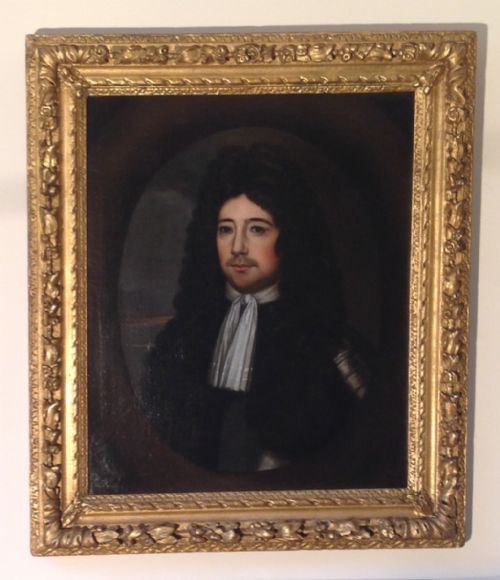

Oval Giltwood Wall Picture
An oval giltwood wall picture brings warmth and reflected light to a room through carved wooden frames and glass-protected art.
Oval Giltwood Wall Picture
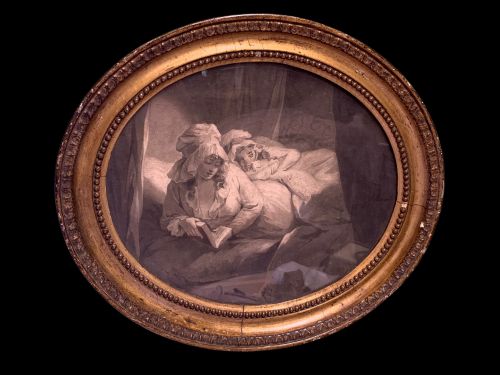
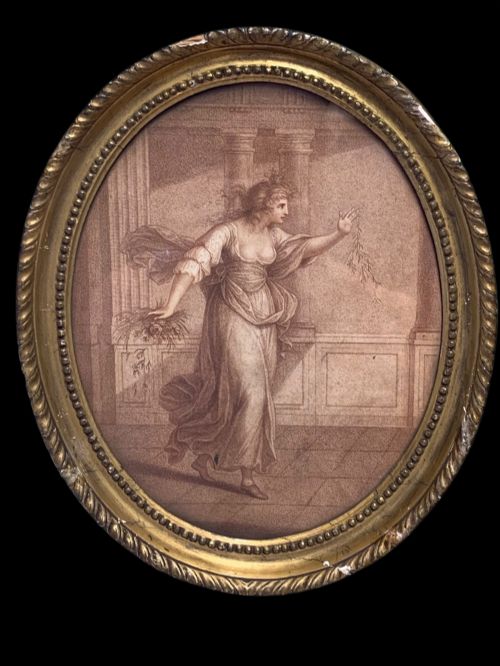
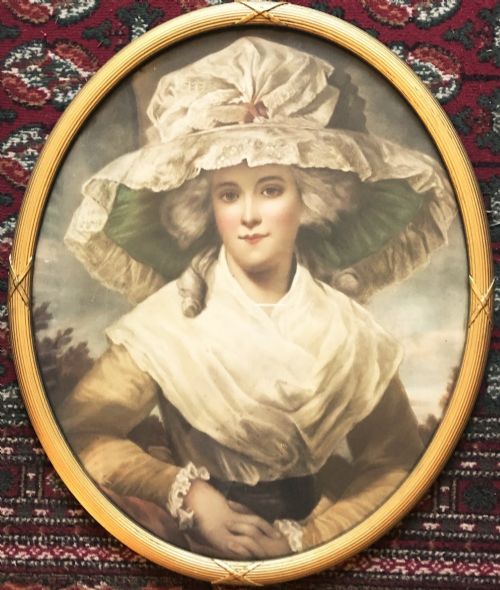
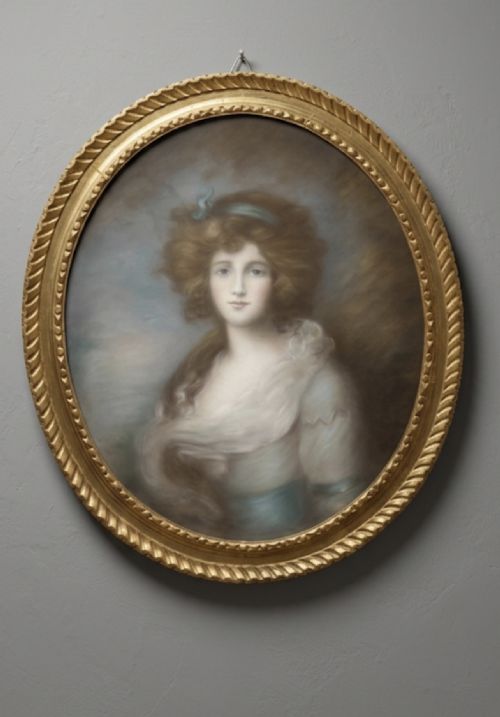
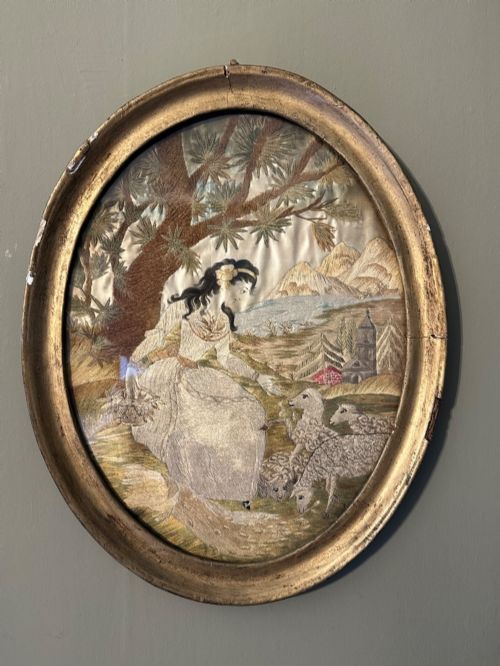
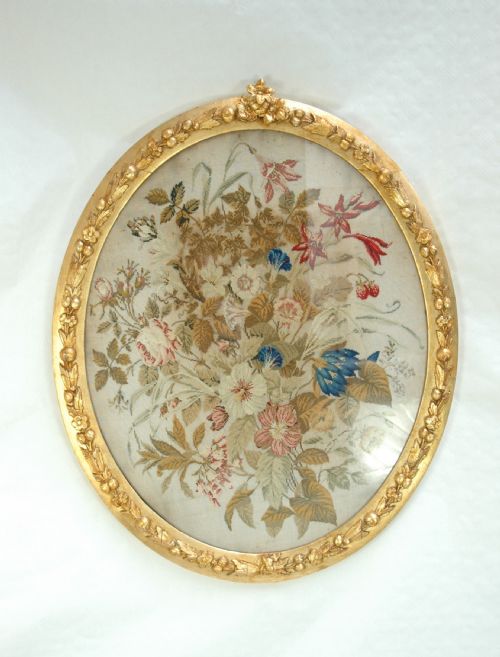
When you search for an oval giltwood wall picture, you encounter a selection of framed wall art and mirrors spanning the eighteenth, nineteenth, and early twentieth centuries. These pieces combine decorative carved wooden frames with portraits, prints, needlework, and mirrors designed for wall display.
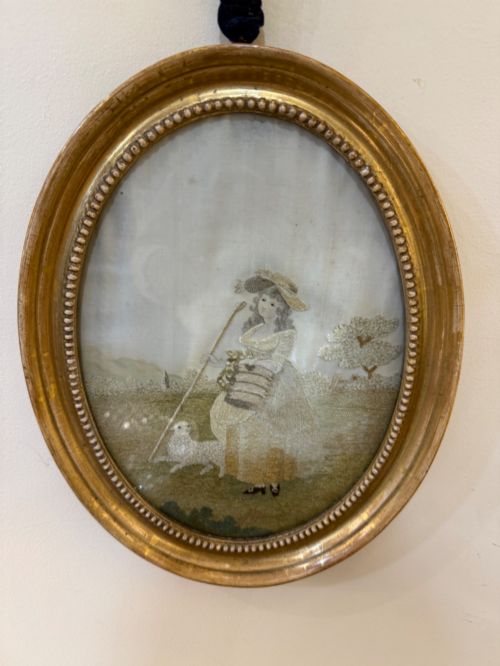
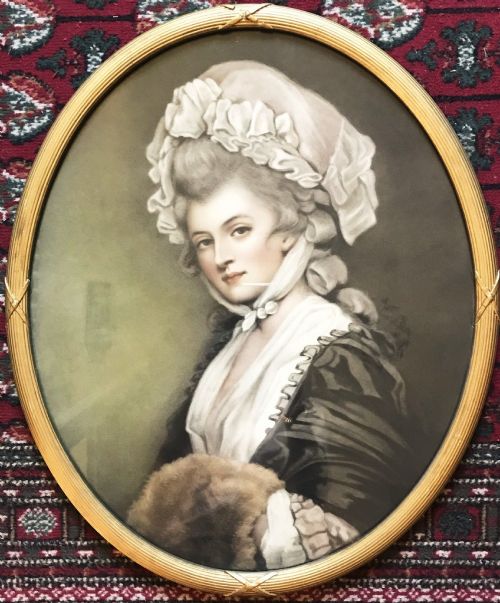
The assortment on this page includes Georgian needlework, Regency silk work, nineteenth-century pastel portraits, and Victorian and Edwardian framed prints alongside small giltwood mirrors. They range from eighteenth-century engravings in period frames to grand Regency and Edwardian pieces.
Most examples feature glazed protection for delicate paper, silk, or pastel works housed within moulded or ornate oval wooden borders. They serve primarily as focal points in traditional interiors, bringing historical character and craftsmanship to domestic walls.
How they were made
Makers constructed these frames from timber finished with gesso and gold leaf or gilt paint to achieve a lustrous metallic sheen. Carved gesso allowed for intricate decorative details and relief work along the curved wooden moulding.
The artwork within comprises diverse historic media including stipple engravings, mezzotints, watercolours, Berlin silk work, and pastel portraits. These delicate textile and paper pieces are typically mounted behind glass to protect them from environmental damage.
Listings feature periods spanning from the seventeenth century through the Georgian, Regency, and Edwardian eras, utilising materials such as glass, gesso, silk, and gold leaf.
What varies in quality
The refinement of the gesso carving and the depth of the gilding set finer examples apart from simpler mouldings. Superior frames exhibit crisp, hand-carved ornamentation rather than soft or repetitive cast details.
The artistic merit of the internal picture, whether a hand-painted watercolour, a detailed silk work, or a clear early engraving, dictates the overall desirability of the piece. Original period glass and undisturbed backing papers further elevate the integrity of the object.
The Oval Giltwood Wall Picture Glossary
- Giltwood
- Wood that has been coated with gold leaf or metallic paint for a decorative finish. This technique creates the bright, reflective surfaces characteristic of traditional frames.
- Gesso
- A plaster-like mixture applied to wood frames to create a smooth surface for carving and gilding. It enables intricate relief decoration along the curved borders.
- Stipple engraving
- A printmaking method using dots to build up tones and texture. It was frequently used for portraits during the eighteenth and nineteenth centuries.
- Berlin silk work
- Embroidery executed in coloured silks on canvas using a checked pattern guide. Popular during the Georgian and Victorian eras, these works were often displayed in oval frames.
Oval Giltwood Wall Picture: Frequently Asked Questions
How should I hang an oval giltwood wall picture?
Use a secure picture hook rated for the weight of the frame, ensuring it is fixed firmly into a wall stud or uses appropriate wall anchors. Because many older frames are heavy due to their timber and gesso construction, checking the hanging wire or rings on the back is essential.
Position the piece at eye level where it can catch natural light without being exposed to direct sunlight, which can fade historic paper, silk, and watercolours over time.
How do I clean a giltwood frame?
Dust the carved surface very gently with a dry, soft-bristled brush or a clean microfibre cloth. Avoid using water, household cleaners, or polishes, as moisture and chemicals can damage the delicate gold leaf and gesso layers.
Take care around areas where the gilding may be fragile or slightly worn from age. Professional conservation is recommended if the frame requires deeper cleaning or repairs.
Are these frames original to the artwork?
Many historic pieces retain their original period frames, which were often custom-made to fit the specific dimensions of the artwork or mirror plate. Over the centuries, however, some pictures have been reframed to suit changing tastes or to replace damaged enclosures.
Examining the backboards, fixings, and the fit of the artwork within the rebate helps determine whether the frame and picture have a long shared history.
How do I date an antique oval frame?
Dating relies on examining the construction techniques of the wood, the composition of the gesso, and the type of gilding applied. Georgian and Regency frames often feature distinct hand-carved motifs and layered preparation grounds compared to later Victorian or Edwardian machine-moulded alternatives.
The backing materials, fixings, and any associated historic labels or handwriting can also provide reliable clues to the decade of manufacture.