




Period Style Lady Portraits
Period style lady portraits bring centuries of historic character into a room through oil on panel and canvas paintings.
Period Style Lady Portraits
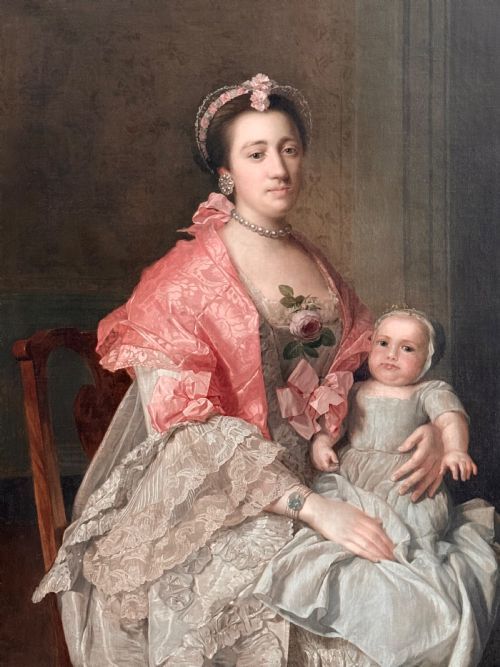
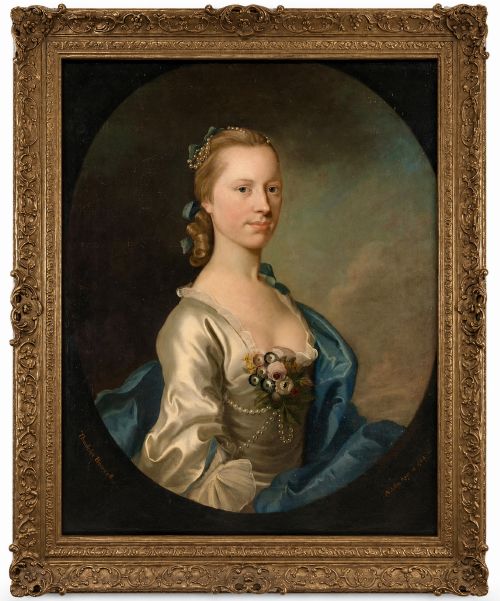
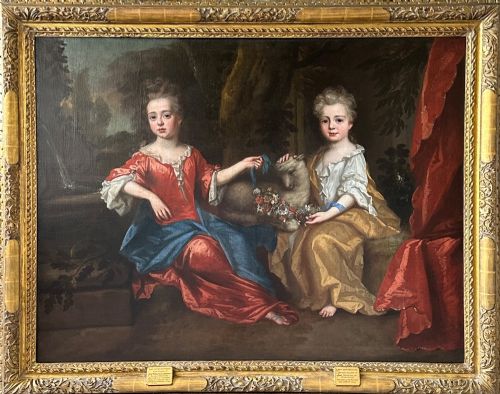
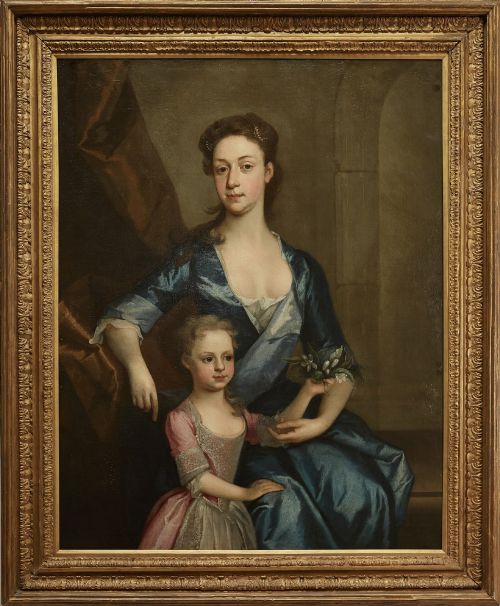
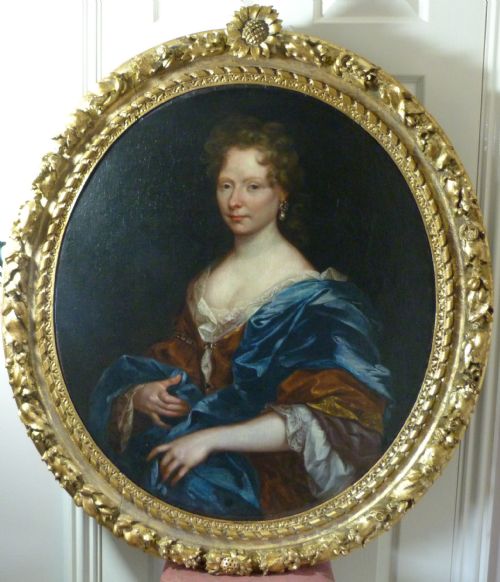
Period style lady portraits present historic depictions of women, largely spanning the seventeenth and eighteenth centuries, executed in oil on canvas or wood panel. You encounter subjects ranging from named nobility like Lady Elizabeth Wheeler to elegant unknown figures rendered by followers of prominent portraitists.
The works reflect distinct historical eras including the Jacobean, Baroque, and Georgian styles. These paintings capture formal costume, from lace collars and sumptuous attire to white satin and silver dresses.
While most examples are original oil paintings from the seventeenth and eighteenth centuries, the selection also includes later Edwardian framed prints. These diverse objects share a focus on feminine grace through historic portraiture.
Materials and Technique
Artists painted primarily with oil on stretched canvas or rigid wood panels, building rich textures for fabrics like satin, lace, and velvet. Pigments were applied to capture the luminous quality of skin and the intricate details of jewels and braided tassels.
Frames play a crucial role in presentation, frequently utilising carved giltwood, gold leaf, and ornate oval surrounds with dome-fronted glass. These frames complement the depth and historical weight of the oil paintings they enclose.
The selection includes works attributed to British, Dutch, and European portrait circles working in Georgian, Baroque, and Jacobean styles.
Evaluating Quality
Attribution and provenance elevate certain works, as pieces associated with circles of notable portrait painters demonstrate superior draughtsmanship. The preservation of the original paint surface and the craftsmanship of the period giltwood frame also influence the overall standing of a piece.
Pierre Mignard·Cornelius Johnson·Allan Ramsay·James Maubert·Joseph Highmore·Nicolaes Maes·Hans Hysing·Sir Peter Lely·Philip Mercier·Sir Godfrey Kneller·Adriaen Hanneman·Angelica Kauffman
The Period Style Lady Portraits Glossary
- Oil on panel
- A painting executed on a flat piece of wood rather than stretched canvas. This surface was common in earlier centuries before canvas became dominant.
- Giltwood
- Wood carved and covered with a thin layer of gold leaf or gold paint. It provides traditional ornate framing for historical portraits.
- Jacobean style
- The dominant artistic style during the reign of James the First, characterised by formal rigidity and detailed costume rendering. Portraits from this period often emphasise elaborate lace and jewelled collars.
- Georgian style
- The prevailing aesthetic during the reigns of the Hanoverian kings, shifting towards greater elegance and softer naturalism in portraiture. Works from this era display fluid drapery and relaxed postures.
- Baroque
- An artistic movement known for drama, rich colour, and deep shadow. Portraits in this manner utilise dramatic lighting to highlight the subject's status.
Period Style Lady Portraits: Frequently Asked Questions
How do I date a portrait?
Dating relies heavily on the clothing, hairstyles, and lace worn by the sitter, as fashion changed rapidly across the seventeenth and eighteenth centuries. Costume details provide a reliable baseline for establishing the decade of creation.
Additional clues come from the preparation of the canvas or panel, framing styles, and any inscriptions or signatures on the reverse. Comparing brushwork techniques to known works from specific studio circles helps refine the timeline.
Where should I hang these portraits?
These works suit traditional reception rooms, studies, or hallways where historic art creates a dignified atmosphere. Placing them away from direct sunlight protects the oil pigments and canvas from degradation.
Pairing a portrait with period furniture enhances the historical context of the room. Wall placement should consider the weight and presence of the original giltwood frames.
How do I identify studio work?
Studio and circle attributions indicate paintings produced by artists working under or influenced by a master painter. These pieces share stylistic similarities and technical approaches with documented masterworks.
Examining the handling of background elements and secondary drapery often reveals the hand of studio assistants. Such works offer period quality comparable to signed pieces.