
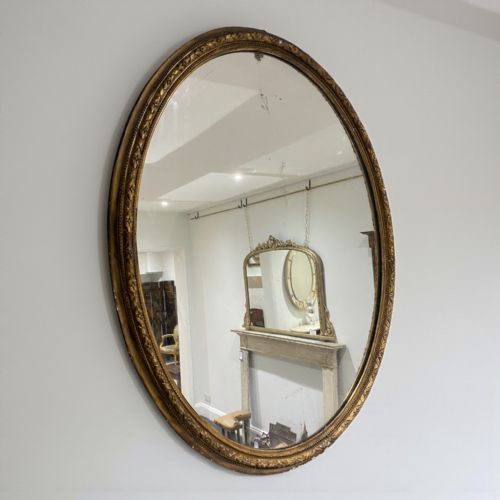
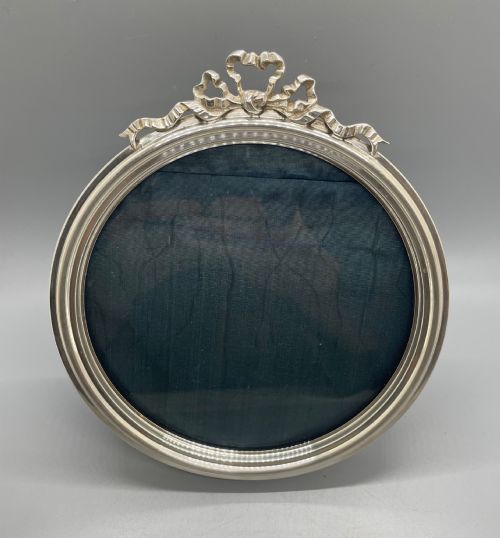
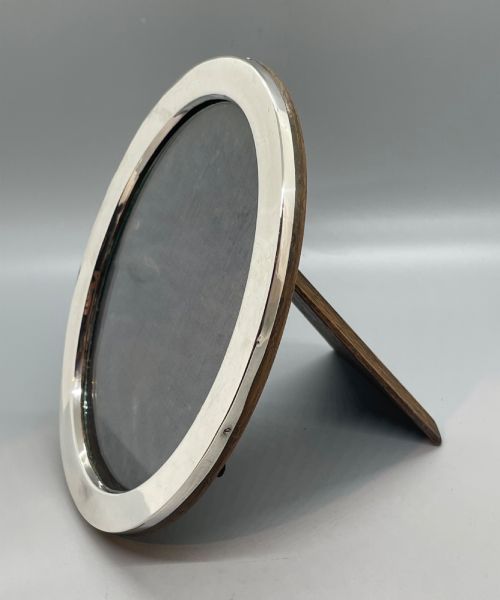
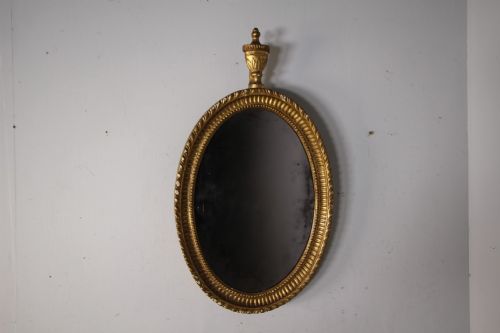

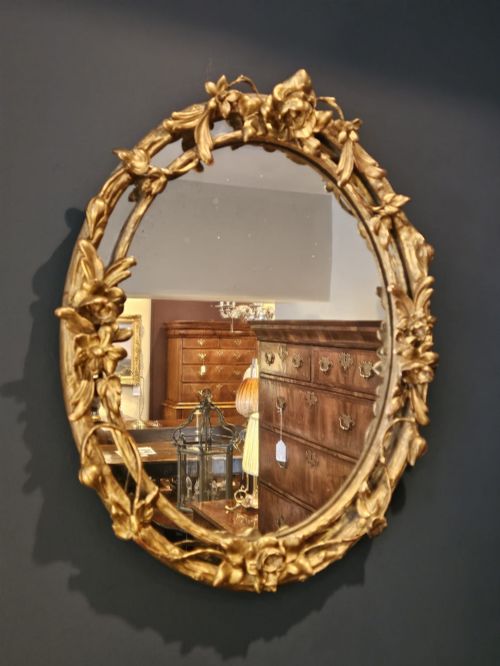
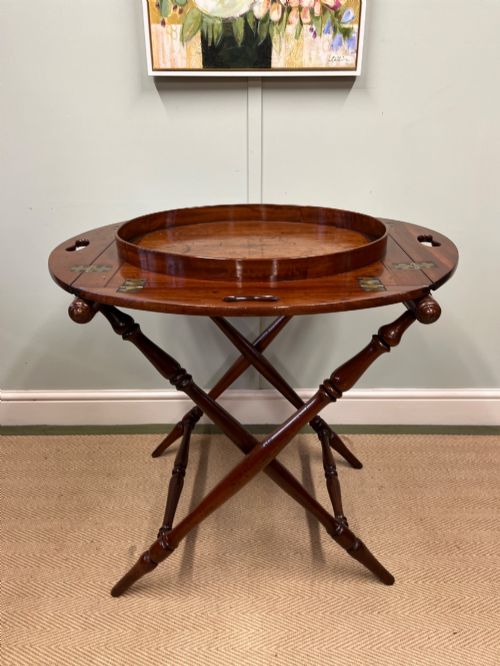
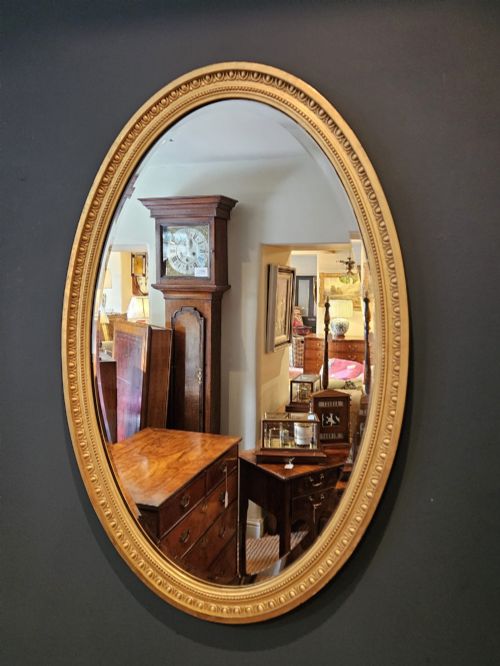
Vintage Oval Frame
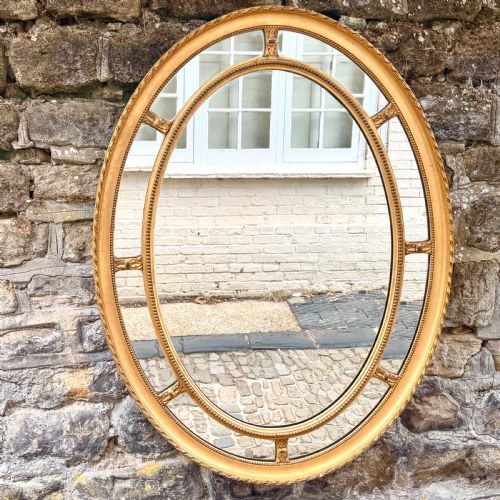
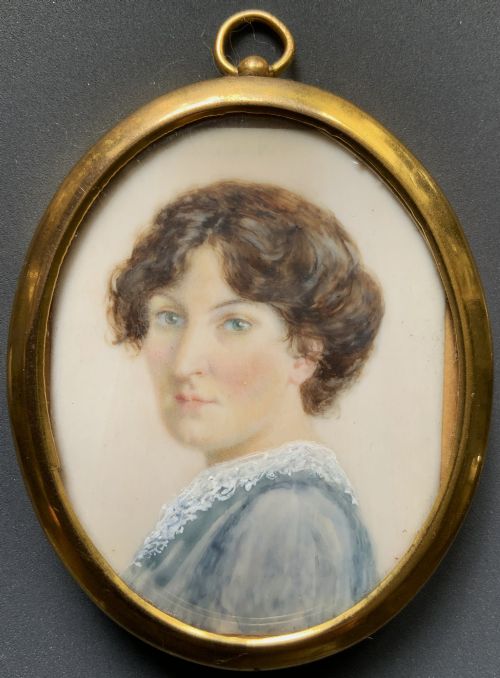
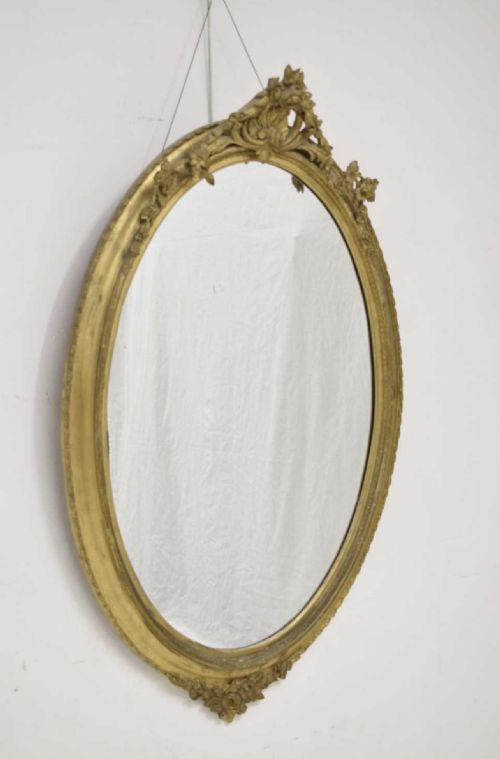
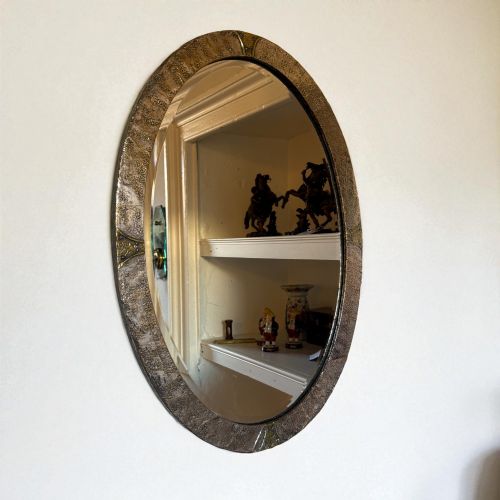
A vintage oval frame encloses portraits, mirrors and delicate works behind glass, bringing curved proportion and period warmth to a wall.
Vintage Oval Frame
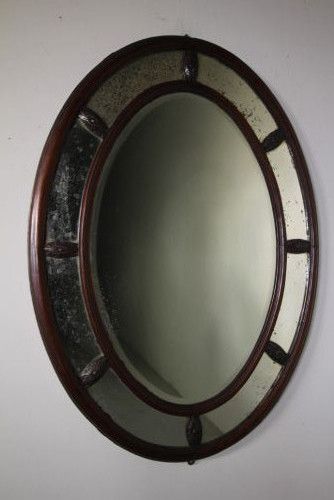
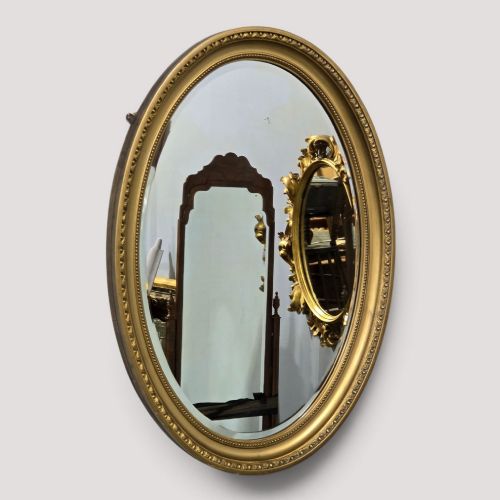
When you search for a vintage oval frame, you encounter a distinct category of domestic objects spanning wall mirrors, picture frames and portrait housings. These pieces originate from periods reaching back to the eighteenth century through the Victorian and Edwardian eras, up to the early twentieth century.
Makers and craftsmen utilised traditional joinery and casting methods appropriate to their decade, resulting in items ranging from country house mahogany to ornate French-influenced gesso work.
How They Were Made
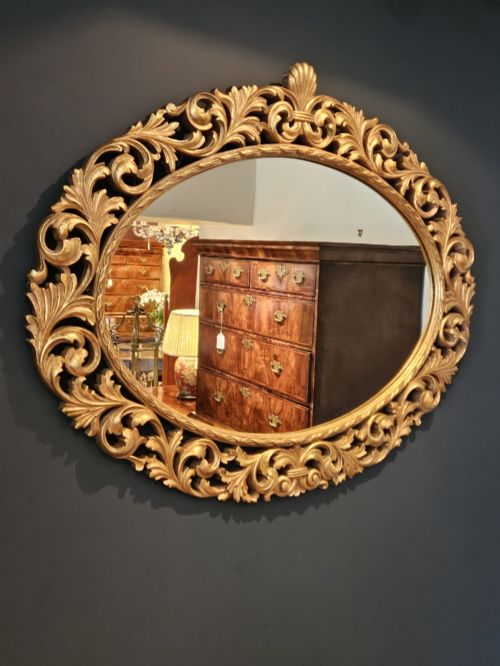
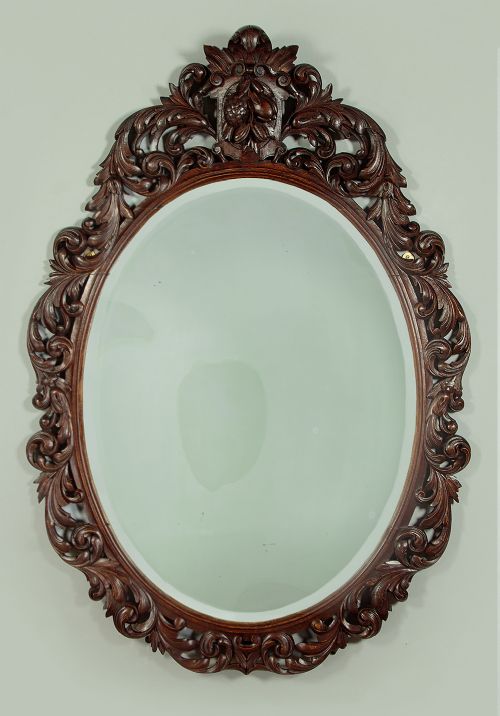
Makers constructed wooden frames from timbers such as mahogany, oak and carved timber, frequently applying layers of gesso to build up relief ornamentation before gilding with gold leaf or paint. Metal examples employ cast or stamped brass, bronze, copper and sterling silver, sometimes finished with ormolu or silver plating.
Mirrors utilise mercury plate or early float glass cut precisely to the curved aperture, while paper items, engravings and canvases are secured behind protective glass panels. Decorative elements rely on hand-carved floral motifs, ormolu mounts and inlaid wood details.
A tiny butterfly lingers silently in silver on an Edwardian desk, watching rooms change for over a century.
What Varies in Quality
The standard of a vintage oval frame rests upon the crispness of the hand-carved relief, the depth of the gilt or plating, and the integrity of the underlying timber or metal casting. Superior examples display fluent carving in wood or gesso without heavy restoration, whereas simpler pieces show moulded composition ornament.
Original components dictate value and authenticity, from mercury mirror plates and period backboards to genuine backing paper and matching easel stands or suspension rings. The finesse of the internal artwork or the prestige of the silversmith or maker also elevates the piece significantly.
Dumini Leopoldo·Liberty and Co·Mappin Bros·Emily Eyres·Louis Icart
The Vintage Oval Frame Glossary
- Gesso
- A plaster-like mixture applied to wood frames and carved or moulded into decorative relief before gilding.
- Ormolu
- Finely ground high-carat gold applied in a mercury amalgam to bronze, creating a rich golden surface on metal frames.
- Mercury Plate
- An older mirror manufacturing technique producing a slightly uneven, highly reflective glass surface with distinct depth.
- Stipple Engraving
- A printmaking method using dots to create tonal gradations and soft portraits often housed in period frames.
- Silhouette
- A profile portrait cut from black paper or painted on card, popular during the Regency and Victorian periods.
Vintage Oval Frame: Frequently Asked Questions
How do I hang a heavy oval mirror safely?
Heavy mirrors require robust picture wire secured to original structural fixing points on the timber or iron rings screwed firmly into the frame back.
Ensure the wall fixing engages directly with a stud or utilises a heavy-duty wall plug suited to the weight of the timber and glass.
Can I polish a vintage silver frame?
Sterling silver and silver-plated frames tolerate gentle cleaning with a soft microfiber cloth and a mild, non-abrasive silver polish to maintain their shine.
Avoid applying harsh cleaning liquids near delicate fabric mats, engravings or exposed wood finishes.
How do I date an antique oval frame?
Dating relies on examining the construction materials, backboards, screws, fixings and any hallmarked metal mounts or maker stamps.
Styles such as Georgian mahogany, Victorian gesso or Edwardian silver offer distinct visual clues to their decade of manufacture.
Are mercury glass mirrors safe?
Mercury plate mirrors contain historical glass-making materials sealed safely behind the glass pane and present no danger during normal handling.
They require careful treatment only if the glass is removed from its frame or the backing is disturbed.