


Vintage Oval Charger
A vintage oval charger brings generous scale and historic pattern to the table, offering a striking centrepiece for display or service.
Vintage Oval Charger
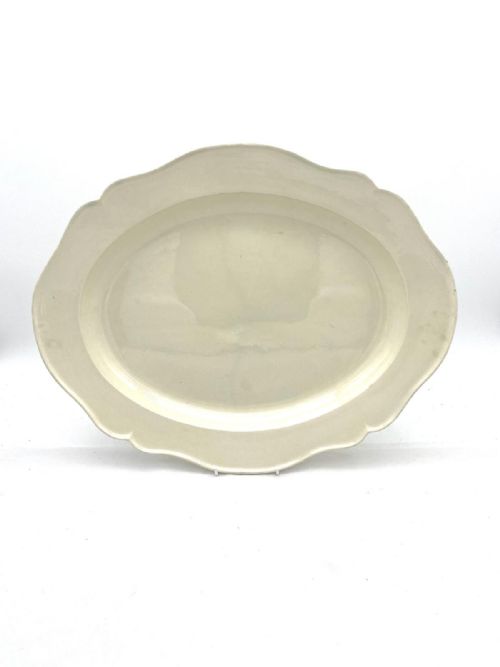
When you search for a vintage oval charger, you find broad serving platters and decorative dishes spanning several centuries. The selections on this page range from eighteenth-century creamware and early nineteenth-century earthenware to Victorian ironstone and Japanese Meiji period porcelain.
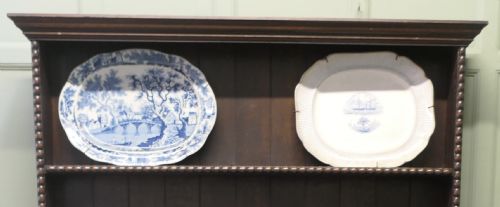
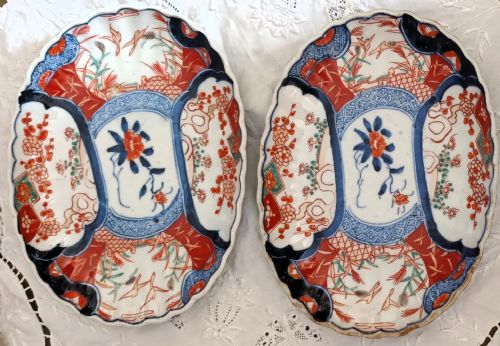
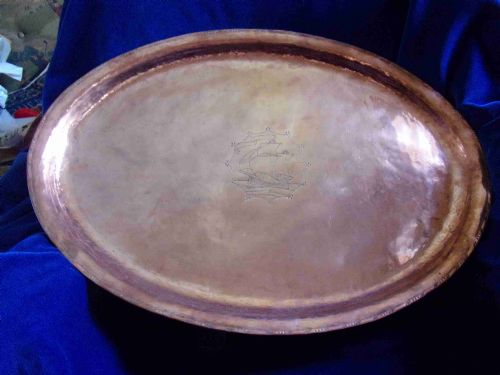
These items primarily function as large serving platters, meat dishes, and decorative plates. Common forms include blue and white transfer-printed designs, Imari porcelain dishes, and heavy metal trays associated with the Arts and Crafts movement.
Origins stretch across British potteries, continental European workshops such as Meissen, and Japanese kilns. Buyers encounter various regional styles, from German Rococo flourishes to traditional Japanese Imari palettes.
How they were made
Potters shaped earthenware, creamware, ironstone, and porcelain by hand or using moulds, applying lead glazes and tin-based finishes to seal the ceramic body. Many pieces feature underglaze blue and white painting or detailed hand-applied enamels.
Metal versions utilise beaten copper finished with specialist patination, reflecting the ideals of the Arts and Crafts movement. Gilding with gold leaf adds fine decorative detail to select porcelain and ceramic surfaces.
Firing took place in traditional kilns, where precise temperature control determined the durability of the glaze and the vibrancy of the pigments.
Materials represented across the selection include creamware, ironstone, porcelain, copper, and lead-glazed earthenware.
What varies in quality
The refinement of the ceramic body and the crispness of the moulded shape distinguish standard utilitarian wares from superior examples. Thinner, more uniform walls and well-balanced proportions indicate skilled manufacturing.
Decoration quality depends on the precision of the brushwork and the depth of the glaze. Hand-painted Japanese Imari or detailed blue and white transfer printing retain greater definition on higher grade pieces.
Provenance and maker attribution elevate certain works, particularly when associated with established European factories or recognised Arts and Crafts metalworkers.
Hugh Wallis·Meissen
The Vintage Oval Charger Glossary
- Creamware
- A fine earthenware developed in England during the eighteenth century, characterised by a pale yellowish-cream lead glaze.
- Imari
- A style of Japanese porcelain featuring distinct underglaze blue and overglaze iron red, gold, and green pigments.
- Ironstone
- A heavy, durable type of semi-vitrified earthenware patented in the nineteenth century as a tough alternative to porcelain.
- Meissen
- A renowned European porcelain manufactory established in Germany, known for fine modelled forms and detailed painting.
- Charger
- A large ornamental or serving plate used traditionally beneath other courses or displayed upright on a sideboard.
- Lead glaze
- A glossy coating containing lead oxide applied to ceramics before firing to produce a smooth, waterproof surface.
Vintage Oval Charger: Frequently Asked Questions
What is a vintage oval charger used for?
These large vessels served historically as meat platters, serving dishes, and decorative display plates on dining tables and sideboards.
Today, collectors utilise them as striking centrepieces or wall-hung decorative art within traditional and modern interiors.
How do I tell creamware from ironstone?
Creamware displays a warm, pale yellow hue beneath a translucent lead glaze, typical of eighteenth-century British production.
Ironstone is a denser, heavier nineteenth-century ceramic body designed to resist chipping and heavy kitchen use.
Are these chargers safe for food?
Many historic ceramic and metal chargers contain lead glazes or surface patination unsuited for modern acidic foods.
Buyers generally use them for dry presentation, decorative display, or gentle service rather than everyday dining.
How do I date a blue and white charger?
Dating relies on the ceramic body type, the tone of the blue pigment, and the style of the transfer-printed motifs.
Earlier pieces often show creamware or pearlware characteristics, while later Victorian items use heavier ironstone.