

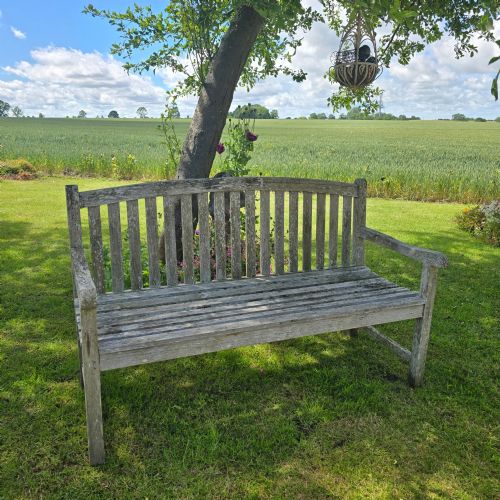
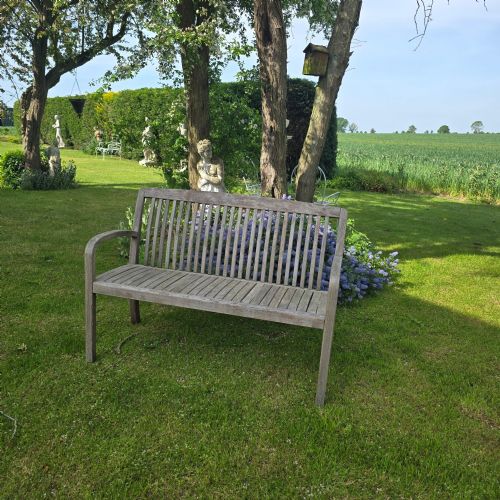
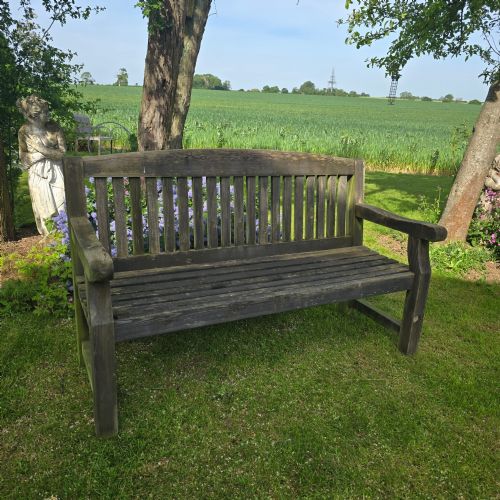


Vintage Outdoor Timber Seat
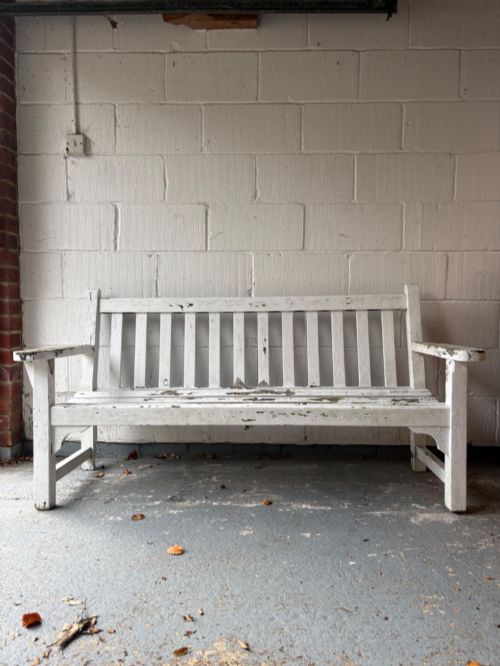
A vintage outdoor timber seat brings character to a lawn or terrace through seasoned wood and sturdy metal framing.
Vintage Outdoor Timber Seat
A vintage outdoor timber seat brings together robust wooden slats and strong metal supports for use in a garden or courtyard. When searching for a vintage outdoor timber seat, buyers encounter sturdy forms designed to withstand the elements.
The pieces seen here span periods from the nineteenth century through to the Edwardian era and the nineteen-thirties. Forms range from simple wooden benches to railway station seats and rustic garden benches.
Origins include English and French traditions, often featuring country house styles or rustic cast iron frames. The selection includes both straightforward garden benches and more unusual forms like orangery seats.
How they were made
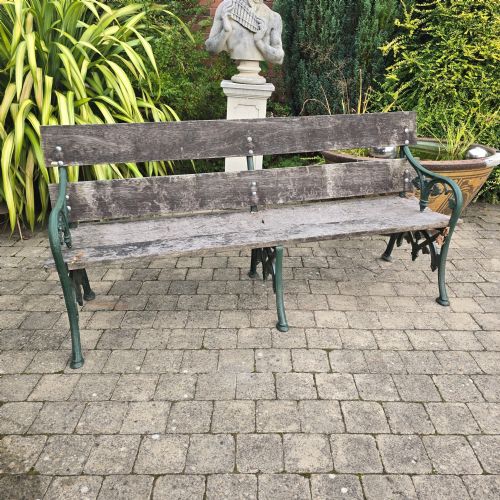
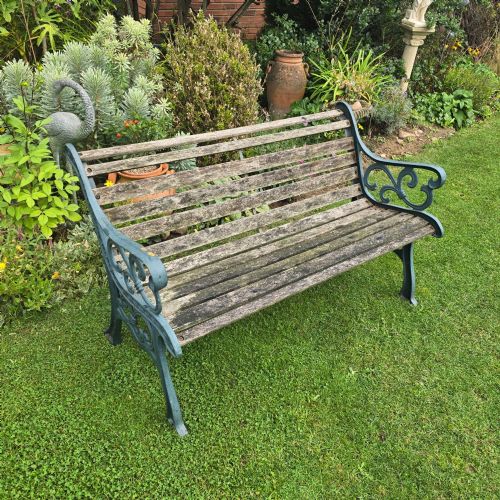
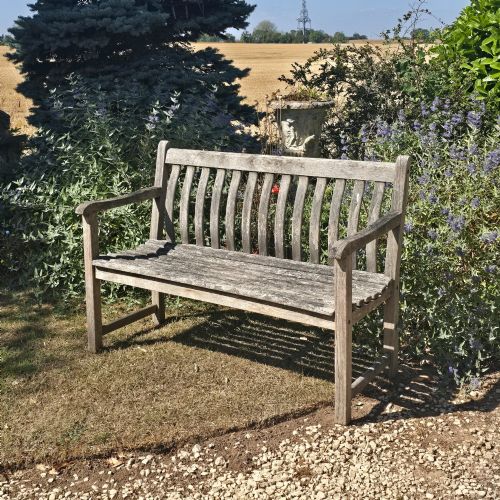
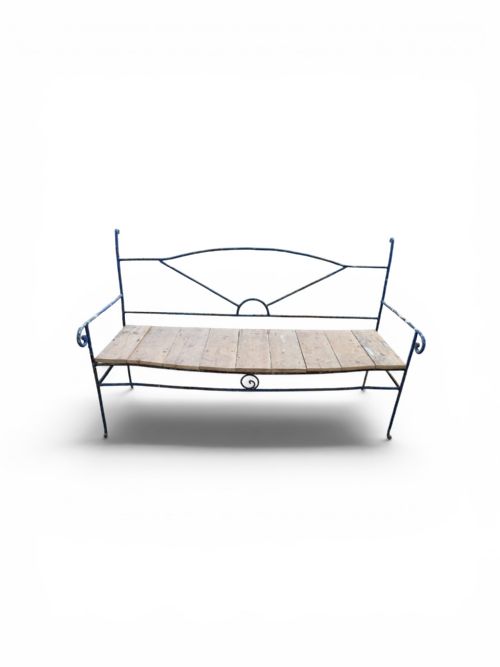
Construction relies heavily on durable timbers such as teak, oak, elm, and general weathered wood paired with metal elements. Artisans utilised cast iron and wrought iron for structural frames, decorative ends, and legs.
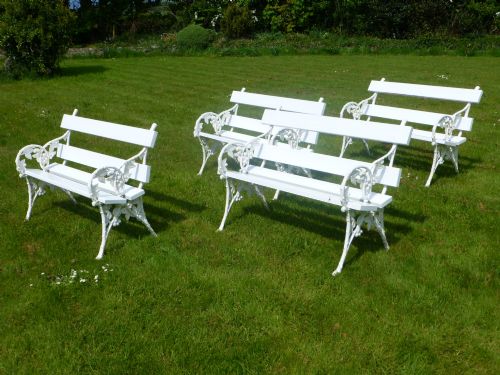
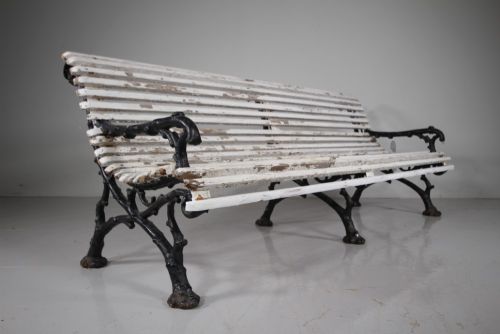
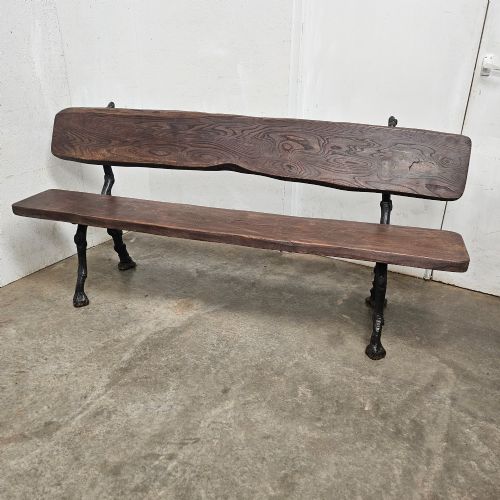
Many items feature painted timber finishes or display natural weathering and silvered patinas from decades outdoors. Frames often incorporate cast iron patterns, ranging from blackberry and leaf motifs to rustic branch designs.
Vintage Outdoor Timber Seat Retail Price Guide 2026
Typical asking prices for vintage outdoor timber seat among the pieces listed under this phrase on Sellingantiques today, from the lower quarter to the upper quarter. They describe what is for sale here now, not the wider market.
Listings feature timbers including teak, oak, elm, and painted wood paired with cast iron and wrought iron.
What varies in quality
Quality shows in the selection of resilient timber, such as dense teak or heavy oak, alongside the intricacy of cast iron frame ornamentation. Pieces with detailed foundry work or specific regional attribution stand apart from simpler utility seating.
The degree of natural weathering and the preservation of the original wooden slats influence the overall character of each seat. Heavier construction and balanced proportions distinguish finer examples from standard garden seating.
Falkirk foundry
The Vintage Outdoor Timber Seat Glossary
- Cast iron
- A strong, heavy alloy poured into moulds to create rigid bench ends and decorative framing. It provides substantial weight and intricate detail to garden seating.
- Teak
- A dense, oil-rich hardwood prized for outdoor use because it resists moisture and decay. Over time, exposed teak develops a distinctive silvered patina.
- Faux bois
- A French technique simulating natural wood grain using other materials such as concrete or metal. On benches, it mimics organic branch and log forms.
- Orangery bench
- A long seating structure historically kept inside a glazed garden pavilion or conservatory for tender plants. These seats often display lighter framing or unusual forms suited to sheltered display.
- Silvered timber
- Wood that has turned a pale grey hue after prolonged exposure to sunlight and rain. This coloration indicates considerable age and weather seasoning.
Vintage Outdoor Timber Seat: Frequently Asked Questions
How do I care for a weathered teak bench?
Teak naturally develops a silvered patina when left outdoors without treatments. Regular gentle cleaning removes surface dirt while preserving the aged finish.
Avoid harsh chemical strippers that strip away the natural oils and character built up over decades. Storing the bench under cover during the harshest winter months helps maintain its structural integrity.
Were these seats made for gardens or railway stations?
The inventory includes both traditional garden benches and utilitarian railway station benches bearing specific station names. Both types were built heavy and strong to endure public or domestic outdoor use.
Railway variants often feature longer spans and specific provenance linked to transport networks. Garden versions lean towards decorative cast iron ends and domestic timber slats.
How can I tell a nineteenth-century bench from a later one?
Nineteenth-century examples frequently feature heavy cast iron frames with detailed rustic, floral, or leaf patterns. They often utilise traditional joinery and dense timbers like elm or oak.
Later pieces from the nineteen-thirties tend to rely more on durable teak construction with simpler lines. Examining the weight of the metal and the type of wood helps indicate the likely era.
Can these wooden benches stay outside all year?
Most of these pieces were constructed specifically to withstand outdoor conditions across varying seasons. Timbers like teak and sturdy cast iron naturally resist damp environments.
Lighter woods or painted timber benefit from sheltered placement during extreme weather to prevent excessive cracking. Ensuring the feet rest on dry paving rather than damp soil prolongs the life of the wood.