



Vintage Outdoor Street Light
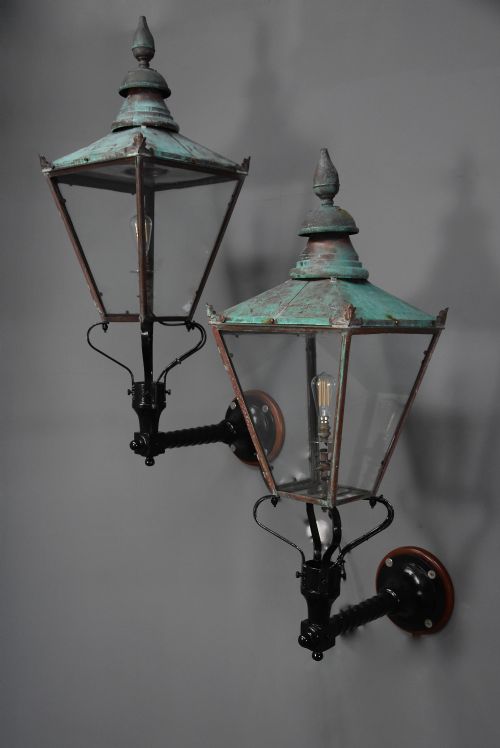
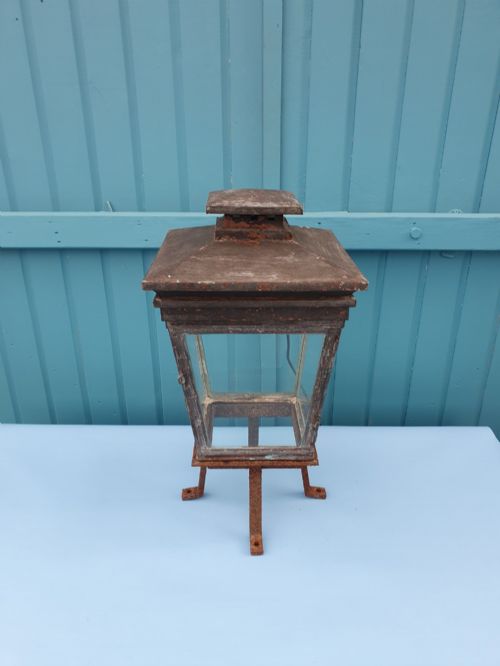
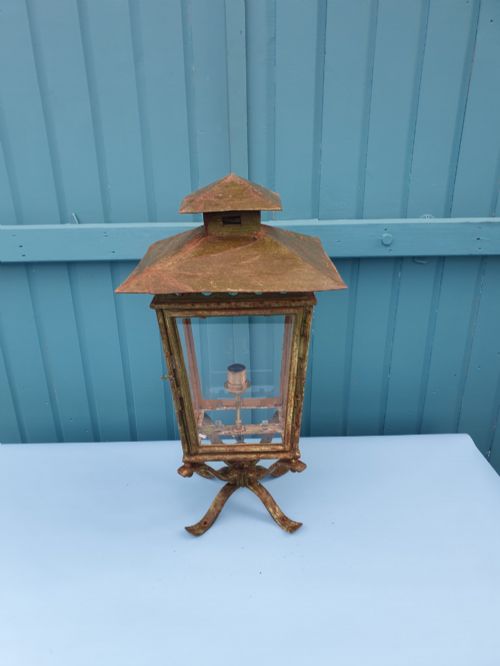
These vintage outdoor street light fixtures bring genuine period character to exterior spaces through robust metalwork and original glass.
Vintage Outdoor Street Light
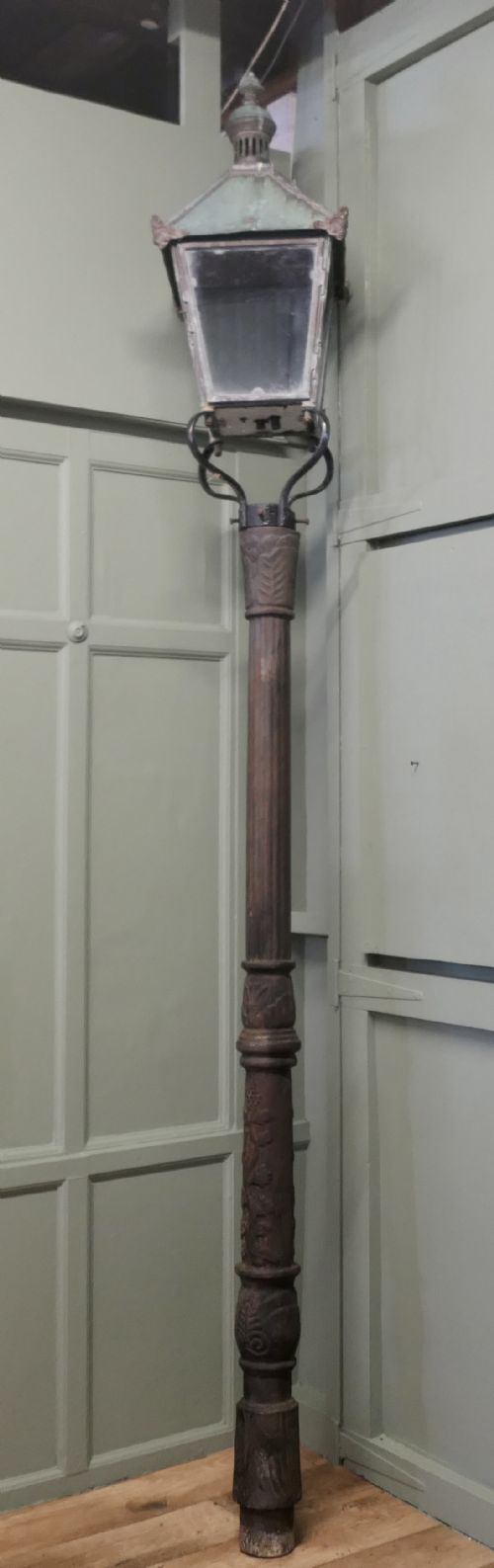
When you search for a vintage outdoor street light, you find substantial copper, iron, and glass lanterns and lamp posts dating from the Victorian era through the mid twentieth century. The selection on this page relies heavily on nineteenth century Victorian designs alongside early twentieth century Industrial and Edwardian forms.
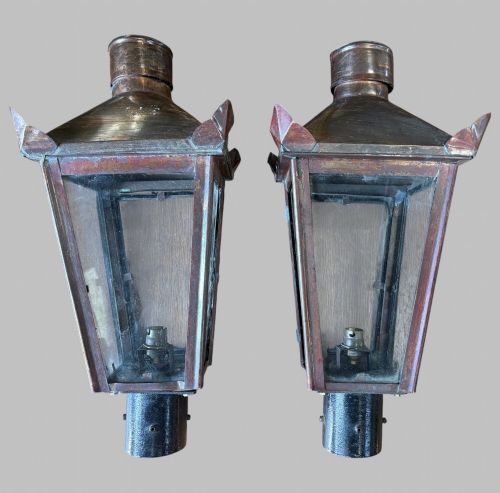
Most examples take the form of large wall lanterns, gate post lights, or substantial post mounted lamps. Many of these pieces originate from municipal gas lighting installations and have subsequently been converted for modern electrical use.
Buyers encounter copper and painted metal lanterns frequently, often paired with cast iron brackets or complete lamp posts. The forms range from simple functional street lamps to elaborate Windsor style lanterns supported on spiral twist brackets.
How they were made
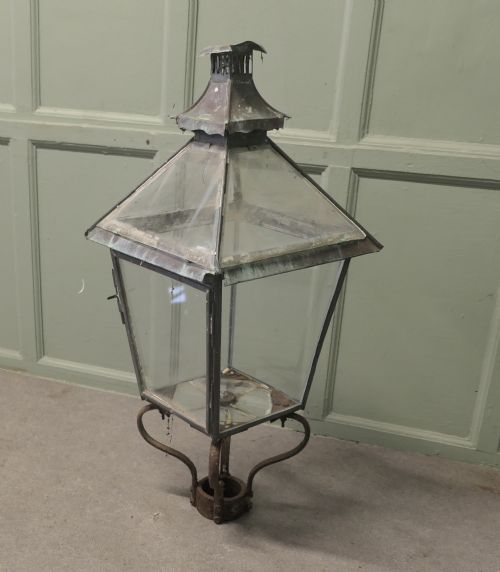
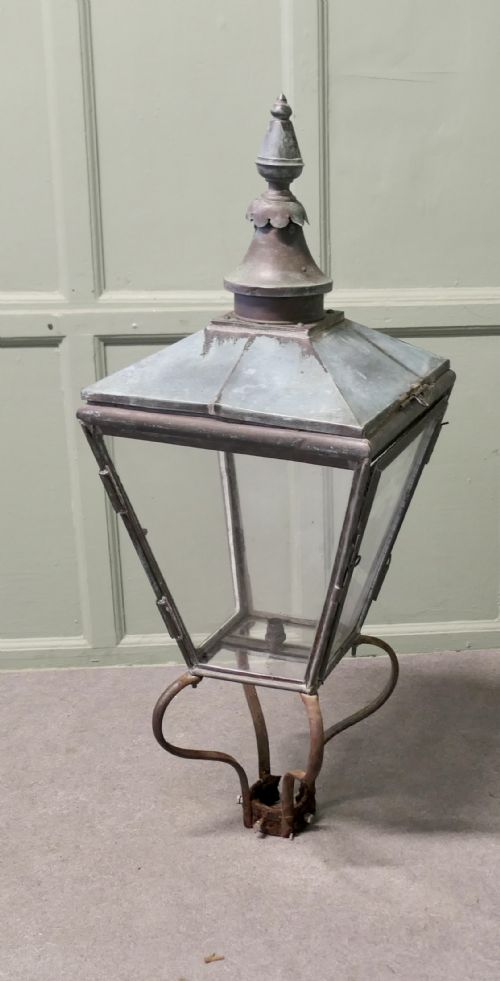
The construction of a vintage outdoor street light relies on durable exterior metals combined with protective glazing. Copper forms the body of many lanterns, soldered and riveted together to withstand harsh weather conditions over decades.
Iron and cast iron provide the structural strength for lamp posts, wall brackets, and bases. Workshops utilised painted finishes, black and gold coatings, or green paint to protect the underlying metal and provide a finished appearance.
Glass panels are fitted into the metal frames to enclose the light source. Many early examples were originally designed for gas illumination, featuring internal burners and ventilation caps before later conversion to electricity.
Vintage Outdoor Street Light Retail Price Guide 2026
Typical asking prices for vintage outdoor street light among the pieces listed under this phrase on Sellingantiques today, from the lower quarter to the upper quarter. They describe what is for sale here now, not the wider market.
Listings feature copper, iron, cast iron, and painted metal combined with glass across Victorian, Edwardian, and 1930s periods.
What varies in quality
The quality of a vintage outdoor street light depends on the substantial nature of its original metal gauge and the complexity of its brackets. Heavier copper bodies and sophisticated ironwork indicate higher grade municipal or architectural production.
Makers such as REVO or Foster and Pullen produced standardised commercial lighting with distinct branding and robust engineering. The survival of original mounting hardware, such as swan neck posts and spiral twist brackets, elevates the integrity of the piece.
REVO Leicester·Foster And Pullen Bradford·Revo Tipton
The Vintage Outdoor Street Light Glossary
- Gas conversion
- The process of adapting an antique gas street lamp to hold electrical wiring and lamp fittings. This modification allows historic lanterns to function safely in modern domestic or commercial settings.
- Swan neck lamp post
- A curved metal post that arches over to suspend a lantern downwards. This shape directs illumination outward while protecting the fixture from overhead weather.
- Post lantern
- A light fixture designed to mount directly onto the top of a pillar, gate post, or dedicated lamp post. These units provide prominent boundary or pathway illumination.
- Wall bracket
- An extended metal arm attached to a building facade to support an exterior lantern. Sophisticated examples feature decorative twists or heavy iron scrolls.
Vintage Outdoor Street Light: Frequently Asked Questions
How do I wire an old gas street lamp?
Most converted lamps now accept standard modern electrical lamp holders fitted inside the original copper or metal housing. An electrician can run suitable exterior grade cable up through the base or bracket.
Ensure the internal compartment provides enough clearance for modern LED bulbs while preserving the historic glass and ventilation components.
Are these street lights weatherproof?
These exterior fixtures were originally built to withstand decades of continuous outdoor exposure in municipal settings. The copper and iron materials handle rain and wind reliably when properly maintained.
Periodic inspection of the painted or sealed surfaces helps prevent moisture ingress around the glass panels and electrical joints.
Can I mount a wall lantern myself?
Wall lanterns and brackets require secure fixing into masonry or heavy timber due to their substantial metal weight. Proper load bearing fixings prevent the heavy copper and iron structures from pulling away from the wall.
Consulting a professional ensures the electrical supply meets exterior safety standards before final installation.
How do I date a Victorian street light?
Dating relies on examining the construction techniques, such as hand-soldered copper joints, and any maker stamps cast into the iron components. Victorian examples typically display heavier gauge metals and specific bracket designs associated with nineteenth century gas lighting.
Later pieces from the 1920s and 1930s often incorporate standardised industrial components and distinct manufacturer badges.