



Antique Garden Lamp Posts
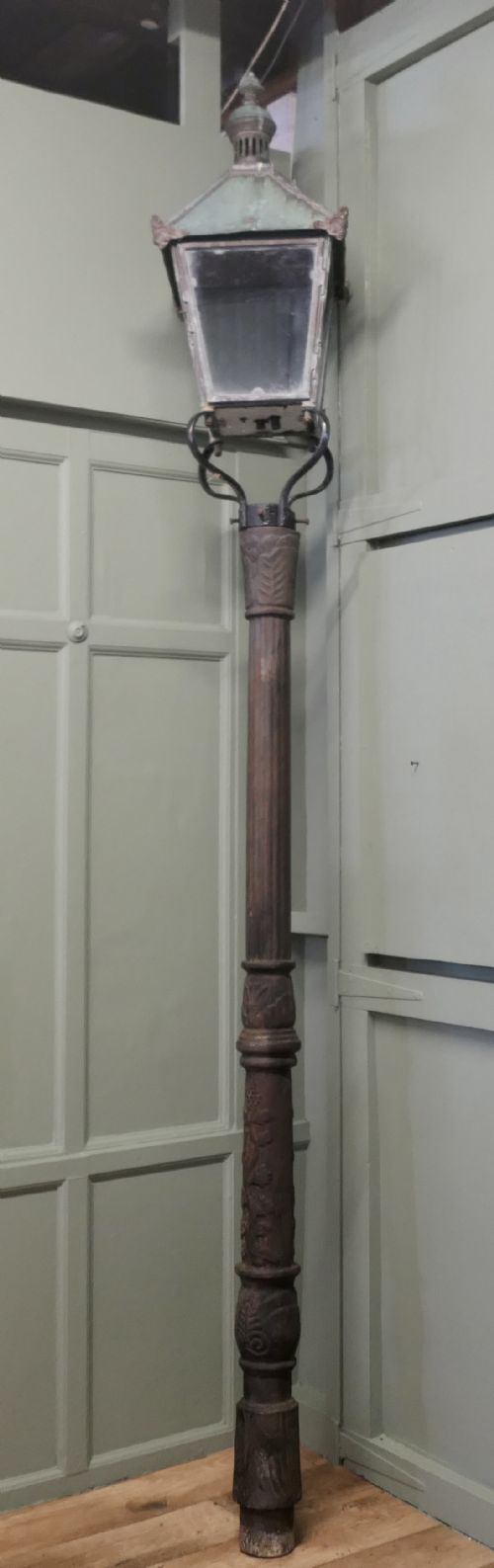
These antique garden lamp posts bring genuine historical presence and robust metalwork to exterior spaces.
Antique Garden Lamp Posts
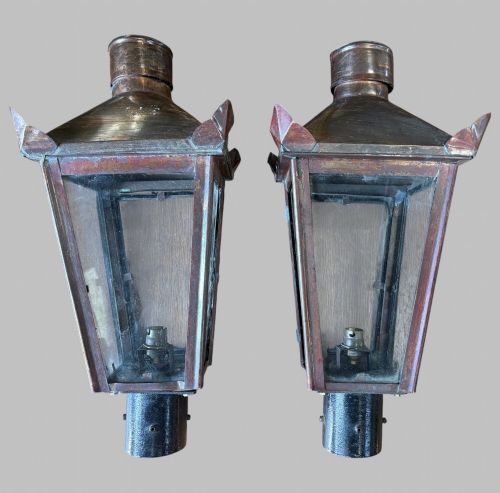
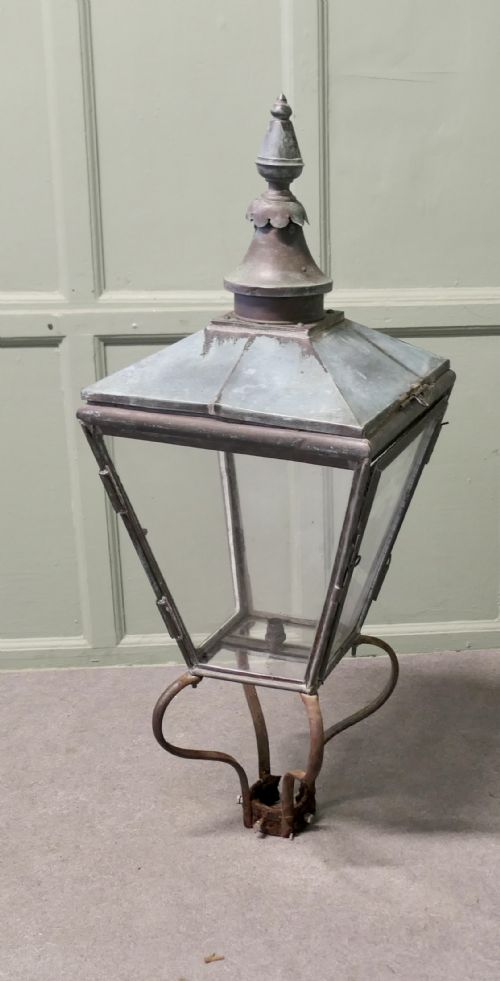
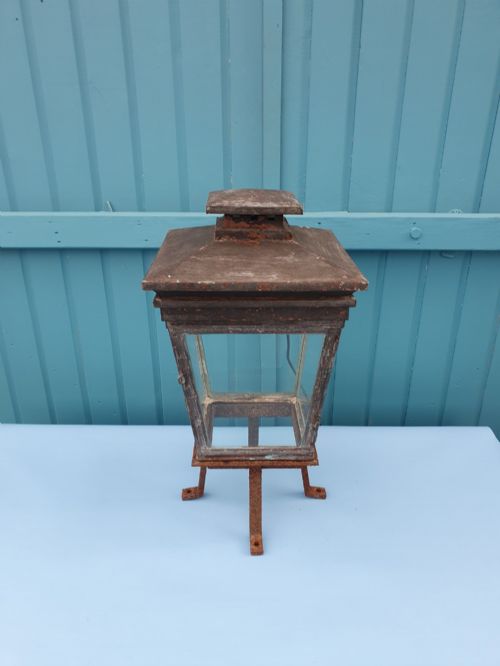
When you search for antique garden lamp posts, you are looking at substantial outdoor lighting fixtures spanning the Victorian and Edwardian eras up to the early twentieth century. These pieces encompass sturdy posts alongside large copper and iron lanterns originally designed for street lighting or substantial property illumination.
The versions you are most likely to meet on this page include copper post lanterns, gas street lamps converted for electrical use, and cast iron or wrought iron lamp posts featuring industrial or Victorian styles. Many examples date from the late nineteenth century through to the nineteen thirties.
How they were made
Makers utilised riveting, soldering, and metal casting techniques suited to industrial production, ensuring these outdoor fixtures could withstand weathering while maintaining functional utility on streets and estate grounds.
Antique Garden Lamp Posts Retail Price Guide 2026
Typical asking prices for garden lamp posts among the pieces listed under this phrase on Sellingantiques today, from the lower quarter to the upper quarter. They describe what is for sale here now, not the wider market.
Some street lamps bear the scars of municipal gas maintenance, carrying history straight from the Edwardian pavement to the garden.
What varies in quality
Quality in these outdoor fixtures rests on the integrity of the original metalwork, the weight of the cast iron elements, and the preservation of the copper housing. Pieces retaining their original structural components and genuine period patination stand apart from heavily altered examples.
The refinement of the decorative brackets, swan neck mounts, and the clarity of the glass panels also distinguish standard utility street lighting from finer architectural examples produced by established firms.
A Foster & Pullen Bradford·Revo Tipton
The Antique Garden Lamp Posts Glossary
- Swan neck
- A curved metal mounting arm that suspends a lantern outward from a post. This design directs light downward over an entrance or pathway.
- Post lantern
- An outdoor lighting fixture designed to sit atop a vertical column or pier. These units often utilise copper and glass construction.
- Gas conversion
- The adaptation of an original gas-fuelled lamp to accept electrical wiring and fittings. This process preserves the exterior period appearance while updating the utility.
- Cast iron
- An iron-carbon alloy poured into moulds to create rigid structural bases and decorative components. It provides exceptional weight for freestanding garden posts.
Antique Garden Lamp Posts: Frequently Asked Questions
Can these street lamps be wired for modern gardens?
Most surviving copper and iron street lamps can be adapted for contemporary electrical standards by a qualified electrician. Many period examples arrive with previous conversions already in place.
Wiring is typically routed through the hollow interior of the iron posts or base mounts to ensure safe exterior operation.
How do I identify a Victorian lamp post?
Victorian examples generally exhibit characteristic nineteenth-century foundry work, heavier cast iron proportions, and traditional street lantern configurations. Stylistic details often align with the architectural ironmongery of the period.
Matching the construction materials and documented manufacturing dates helps distinguish these pieces from later twentieth-century reproductions.
Are these lamps suitable for outdoor placement?
These fixtures were originally engineered for exterior municipal and estate lighting, utilising weather-resistant metals like copper and iron. Their robust construction allows them to endure outdoor environments.
Regular maintenance of the metal surfaces and protective coatings helps preserve the materials against weathering over time.
What is the difference between post lanterns and wall lights?
Post lanterns and lamp posts are manufactured to mount vertically upon foundations, ground posts, or architectural piers. They offer all-round illumination suited to open exterior spaces.
In contrast, wall-mounted variants feature flat backs or specific brackets designed to attach directly to building facades rather than freestanding columns.