



Victorian Gas Lamp Posts
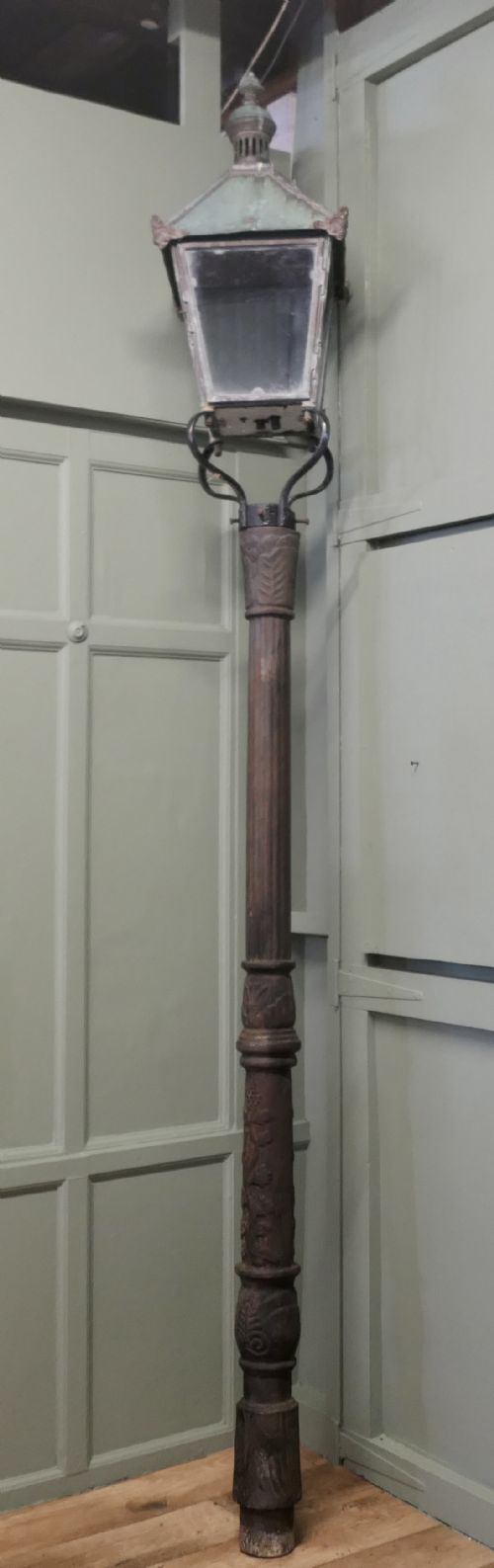
Victorian gas lamp posts are substantial survivors of street lighting history, offering robust iron columns and copper lanterns to anchor a garden scheme.
Victorian Gas Lamp Posts
When you search for victorian gas lamp posts, you are looking at substantial outdoor lighting fixtures designed to illuminate 19th-century streets and gateways. The pieces available combine tall vertical columns with glazed protective lanterns, built to withstand harsh weather.
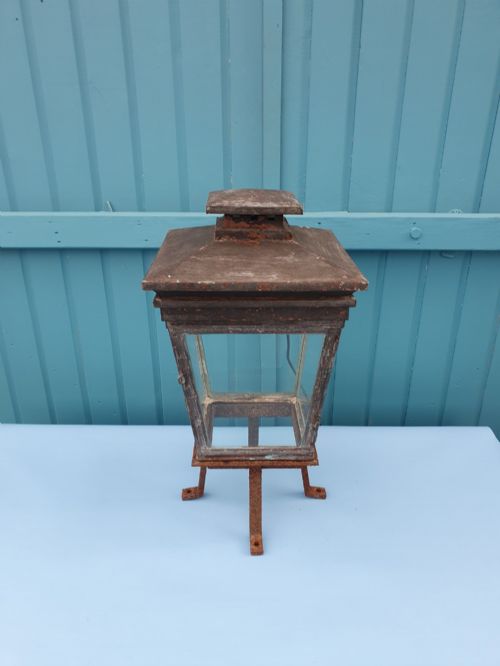
You are most likely to meet pieces spanning the Victorian era and the surrounding decades, including styles from the 1880s and 1890s. These outdoor lanterns and lamp posts often survive as single columns, paired compositions, or standalone copper lanterns intended for mounting on gates or bases.
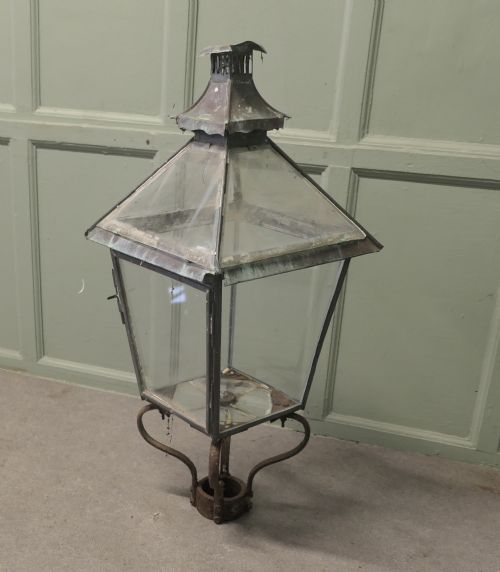
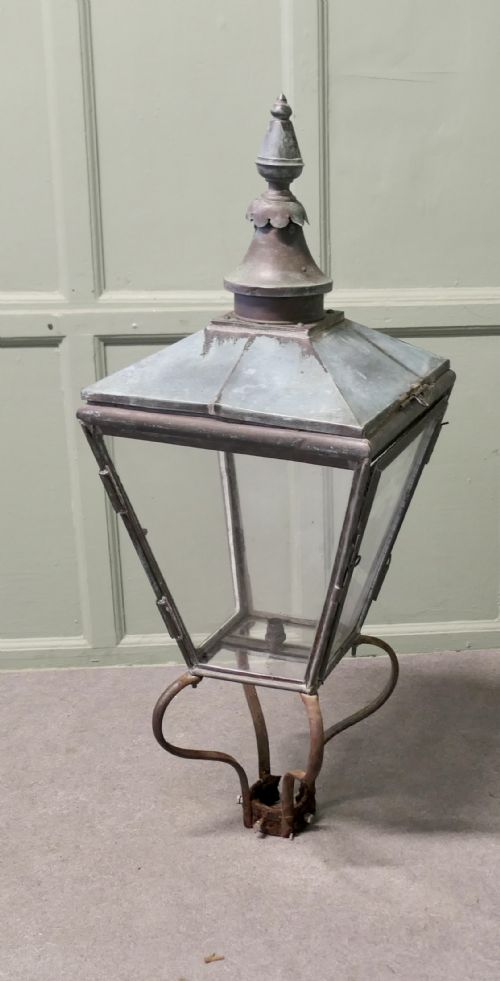
The physical evidence on this page shows a clear division between the tall structural supports and the sheltering lanterns mounted upon them. Many of these copper lanterns retain their original character while having been converted for modern electrical use.
How they were made
The heavy structural elements rely on cast iron and wrought iron to provide rigidity and permanent outdoor stability. These metals were cast and forged to create the sturdy columns and bases that could support the weight of overhead lanterns.
The lanterns themselves employ sheet copper combined with glass panes to protect the internal burner or bulb from wind and rain. Artisans soldered and riveted the copper components together, often incorporating decorative crests or ventilation caps at the top.
Steel also appears in the construction of certain later street lamps, offering an alternative tensile strength for the taller upright supports. The combination of these metals with leaded or fitted glass created durable units capable of decades of municipal service.
Victorian Gas Lamp Posts Retail Price Guide 2026
Typical asking prices for victorian gas lamp posts among the pieces listed under this phrase on Sellingantiques today, from the lower quarter to the upper quarter. They describe what is for sale here now, not the wider market.
Some lanterns retain soot stains inside their copper hoods, quiet reminders of the gas flames that flickered in them over a century ago.
What varies in quality
The distinction between ordinary utility pieces and finer examples rests upon the crispness of the iron casting and the architectural detailing of the lamp base. Heavier gauge copper and more intricate ventilation housing on the lanterns indicate a higher standard of original manufacture.
Proportion and scale dictate the visual success of a piece, particularly when evaluating pairs of lamp posts or large gate post lanterns. Surviving manufacturer stamps or attribution to specific municipal workshops elevate the historical interest of the lighting.
A Foster & Pullen Bradford
The Victorian Gas Lamp Posts Glossary
- Cast iron
- A strong, hard iron-carbon alloy produced by pouring molten metal into a mould, commonly used for the heavy bases and structural columns of outdoor lamp posts.
- Wrought iron
- Tough, malleable iron that is beaten or bent into shape by hand, frequently utilised for brackets, scrolls, and structural ties on period lighting.
- Copper
- A durable, corrosion-resistant reddish metal forming the body of the protective lanterns, prized for its ability to weather outdoors without structural failure.
- Lantern
- An enclosed case containing a light source, fitted with glass panels to protect the flame or bulb from wind and rain while diffusing illumination.
Victorian Gas Lamp Posts: Frequently Asked Questions
Are these lamp posts wired for electricity?
Many surviving copper lanterns and lamp posts from this period have been converted from gas to accommodate modern electrical wiring.
Buyers should inspect the individual listing details to confirm the current wiring status and consult a qualified electrician regarding outdoor installation.
Can these fixtures be installed outdoors?
These pieces were originally engineered for municipal street lighting and outdoor exposure, utilising weather-resistant metals like cast iron and copper.
Their robust construction allows them to function effectively in contemporary gardens, driveways, and courtyards.
How do I identify a Victorian piece?
Dating relies on material construction, architectural style, and specific manufacturing traits recorded across the 19th century.
Comparative study of iron casting techniques and copper lantern designs helps differentiate Victorian examples from later 20th-century reproductions.
Do they come in pairs?
While many street lamps and lanterns survive as single examples, matching pairs do occasionally appear in the inventory.
Paired lamp posts are particularly suited for framing gateways, entrance drives, or formal garden pathways.