



Vintage Oushak Rug
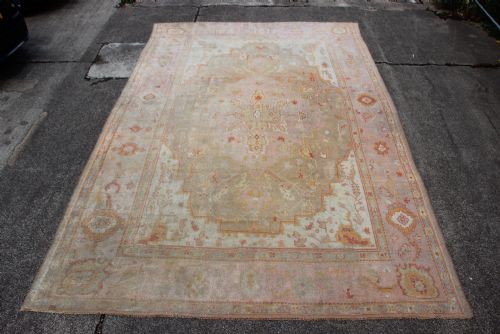
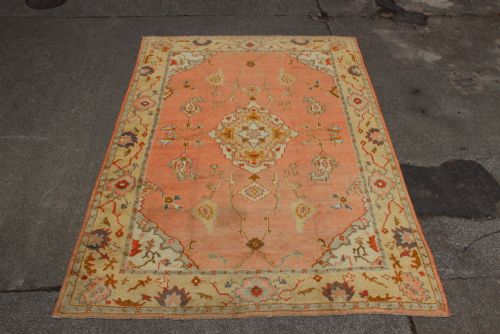
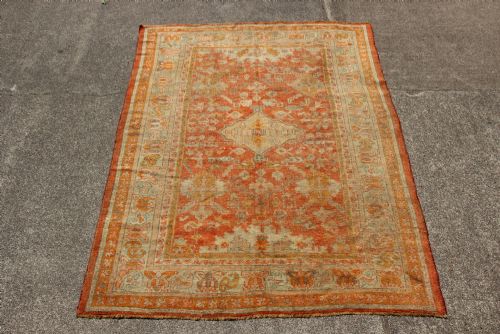
These large-format vintage oushak rug examples bring muted tones and grand medallions to an interior, anchoring a room with centuries of Anatolian tradition.
Vintage Oushak Rug
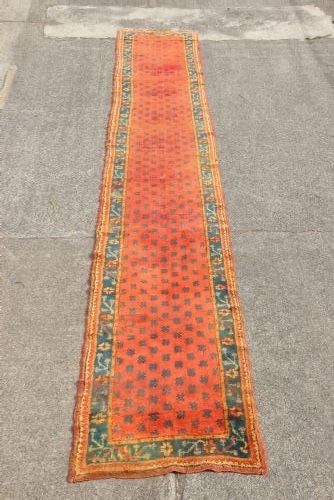
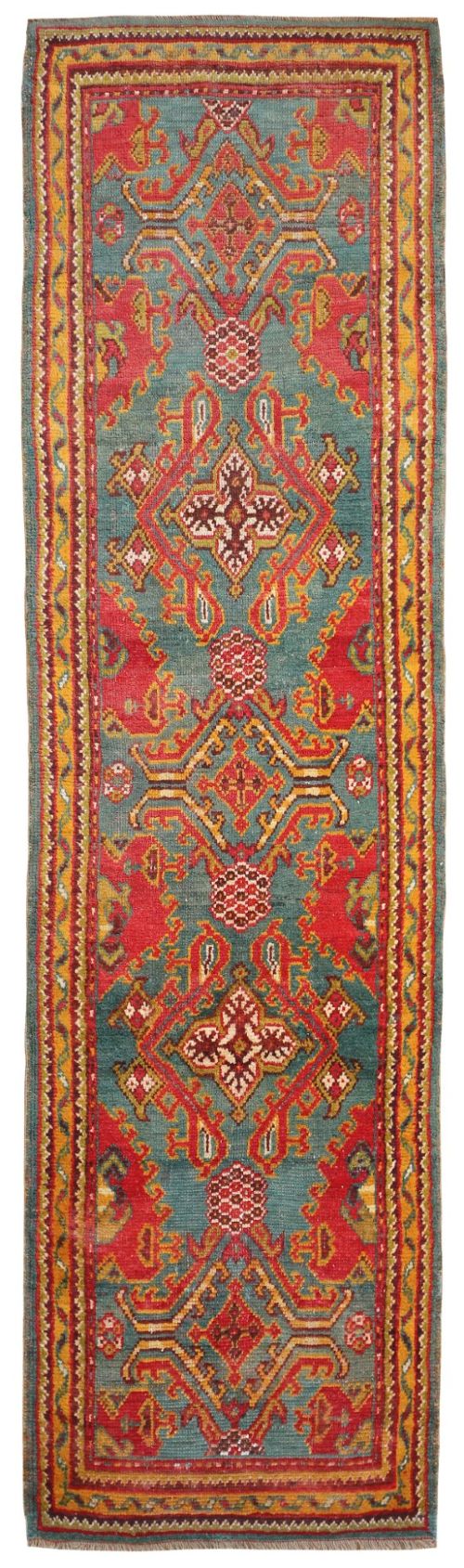
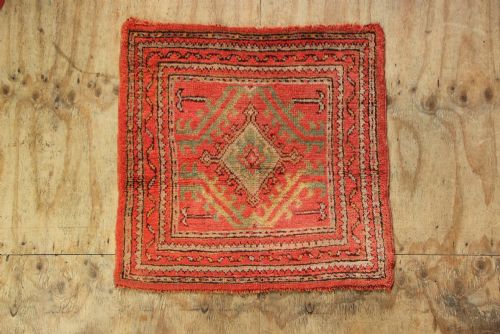
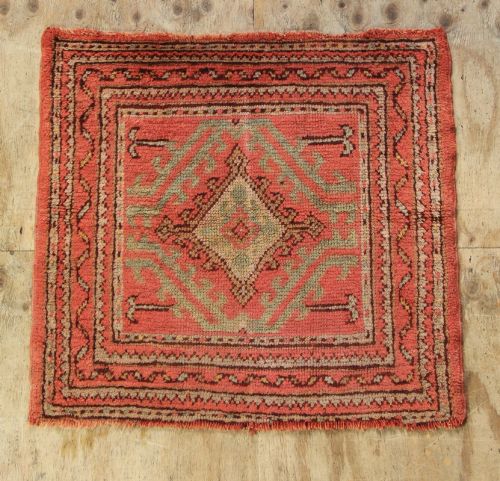
A vintage oushak rug is a hand-knotted floor covering originating from Western Turkey, known for its expansive scale and softened colour palettes. These textiles emerge in varied formats including large carpets, square floor pieces, small mats, and long narrow runners suited for hallways.
Most pieces seen here date from the late nineteenth century through the early twentieth century, spanning the Victorian era up to the 1920s. They display traditional Ottoman and Anatolian design influences, often featuring stylized floral motifs and large geometric medallions across the field.
How they were made
Makers constructed these floor coverings using hand-knotted wool pile foundation structures, frequently incorporating cotton for added stability in the warp and weft. Certain specialised examples utilise angora wool, which yields a softer handle and a subtle lustre across the surface.
Weavers employed traditional Turkish knotting techniques on upright looms, utilising natural dyestuffs that mellow gracefully over decades. The resulting textiles combine robust structural integrity with a supple drape that settles evenly onto wooden or stone floors.
Vintage Oushak Rug Retail Price Guide 2026
Typical asking prices for vintage oushak rug among the pieces listed under this phrase on Sellingantiques today, from the lower quarter to the upper quarter. They describe what is for sale here now, not the wider market.
What varies in quality
The sophistication of the drawing and the complexity of the medallion composition distinguish superior examples from standard production. Finer pieces demonstrate a deliberate balance between open background space and intricate floral detailing.
Material selection alters the character of the pile, with specific variations in wool quality affecting how the surface catches the light. The clarity of the original dye saturation and the evenness of the wear pattern dictate the overall visual harmony.
The Vintage Oushak Rug Glossary
- Oushak
- A traditional style of hand-knotted carpet originating from the town of Uşak in western Turkey. These pieces are celebrated for generous proportions and softly faded botanical designs.
- Anatolian
- Pertaining to the historical region forming the Asian portion of Turkey. This term describes regional weaving traditions that predate modern borders.
- Angora wool
- A fine fibre harvested from angora goats or rabbits, providing an exceptionally soft texture. In textile production, it imparts a distinct sheen to the pile.
- Runner
- A long, narrow carpet format designed specifically for corridors, staircases, and narrow passageways. These pieces maintain a high length-to-width ratio.
- Kilim
- A flat-woven carpet or rug produced without a pile. These textiles rely on interlocking warp and weft threads to create geometric patterns.
Vintage Oushak Rug: Frequently Asked Questions
How do I clean a vintage oushak rug?
Regular gentle vacuuming without a rotating brush bar prevents dust accumulation within the wool pile. Professional specialist cleaning remains essential for addressing deeper soil without damaging natural dyes.
Avoid harsh chemical treatments or excessive moisture, which can weaken the cotton foundation and alter the antique colours. Proper maintenance ensures the textile retains its structural integrity over decades of use.
Where should I place a long runner?
Long narrow runners suit hallways, entryways, and gallery spaces where they soften hard flooring surfaces. Their elongated proportions guide movement through a home while adding warmth and pattern.
Ensure an appropriate underlay is placed beneath the textile to prevent sliding and reduce friction against the floorboards. This placement protects the wool pile from concentrated wear in high-traffic corridors.
Can I use these rugs in modern rooms?
Muted colour palettes and large-scale botanical motifs allow these floor coverings to complement contemporary interior schemes. They introduce organic texture and historical depth into minimalist or neutral spaces.
Large formats work effectively beneath dining tables or living room seating areas to anchor the furniture arrangement. The faded tones blend easily with diverse wood finishes and modern upholstery.