

Vintage Ornate Gilt Mirror
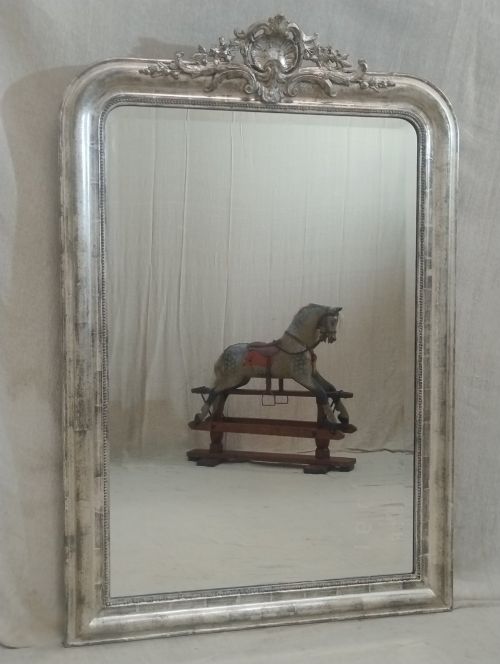
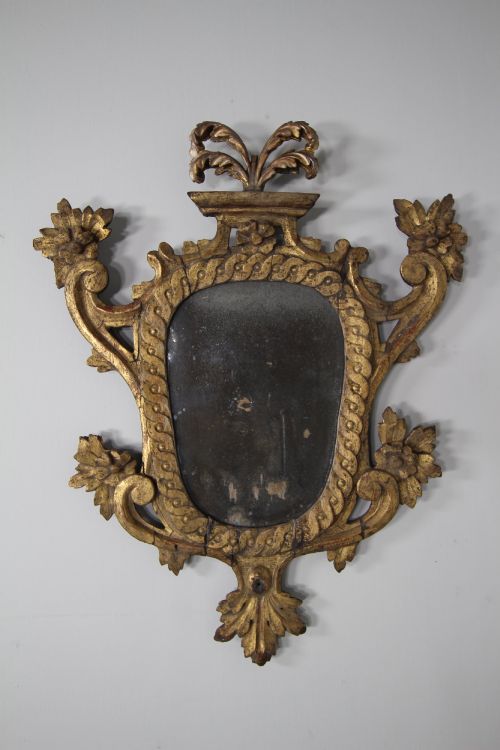
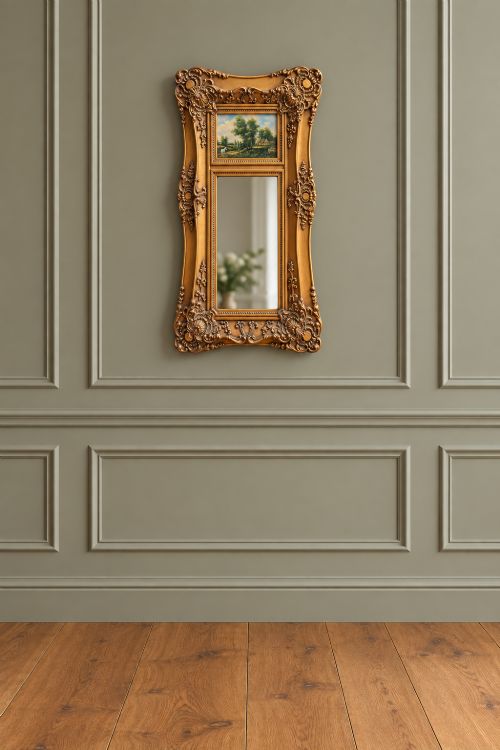
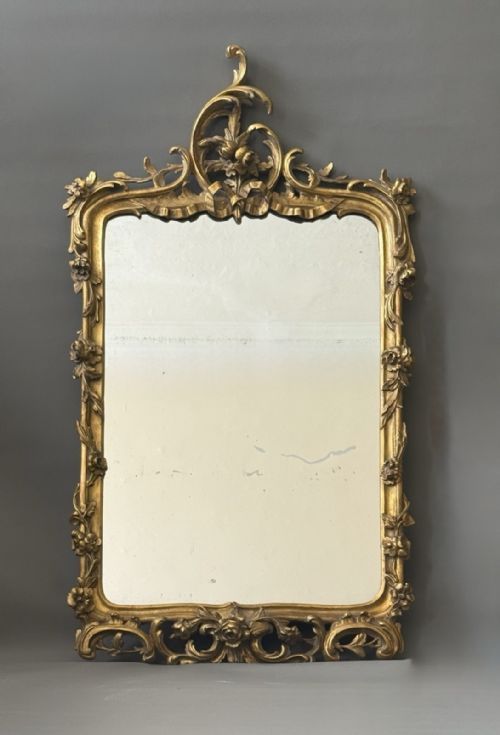
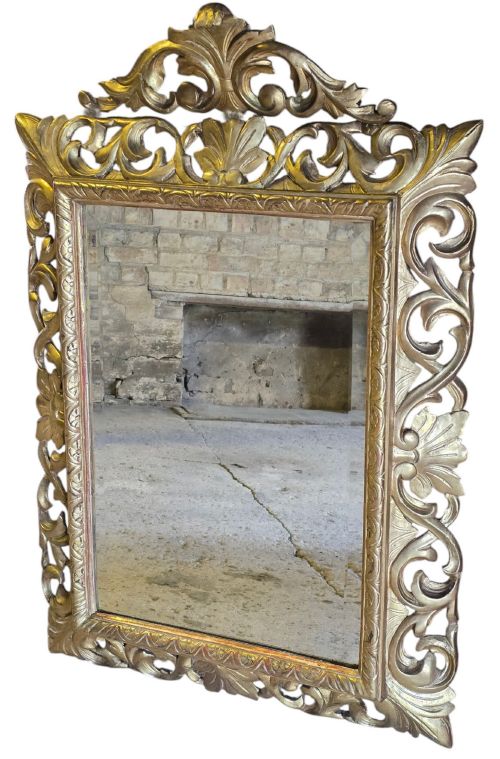
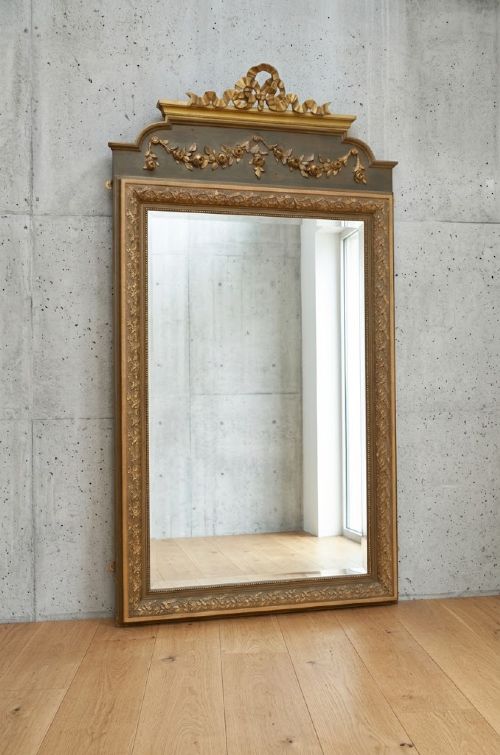
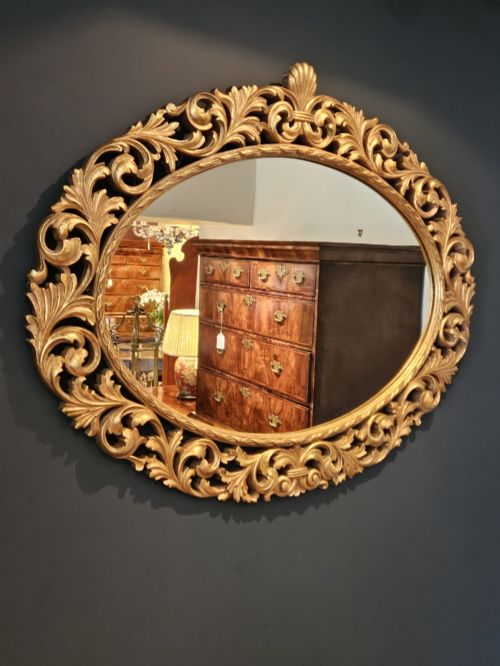
A vintage ornate gilt mirror brings heavy French or Italian character into a room through gold leaf, carved wood, and elaborate frame details.
Vintage Ornate Gilt Mirror
When someone searches for a vintage ornate gilt mirror, they encounter heavily decorated wall hangings and overmantels originating from periods such as the nineteenth century, Victorian era, and Edwardian decades. These pieces draw heavily on Rococo Revival, French Chateau, and Italian Florentine aesthetics.
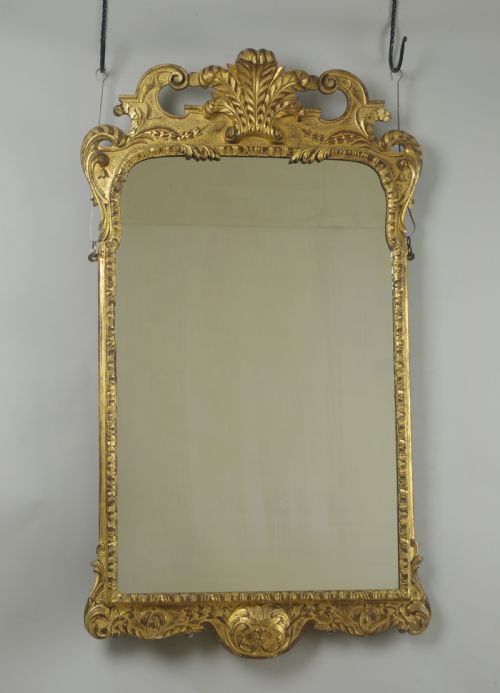
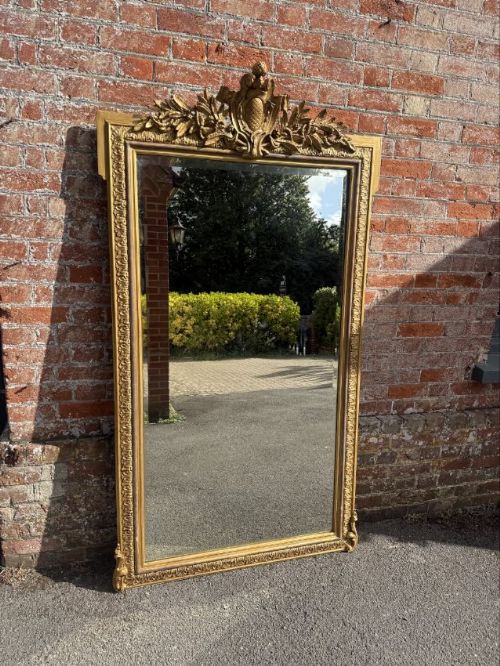
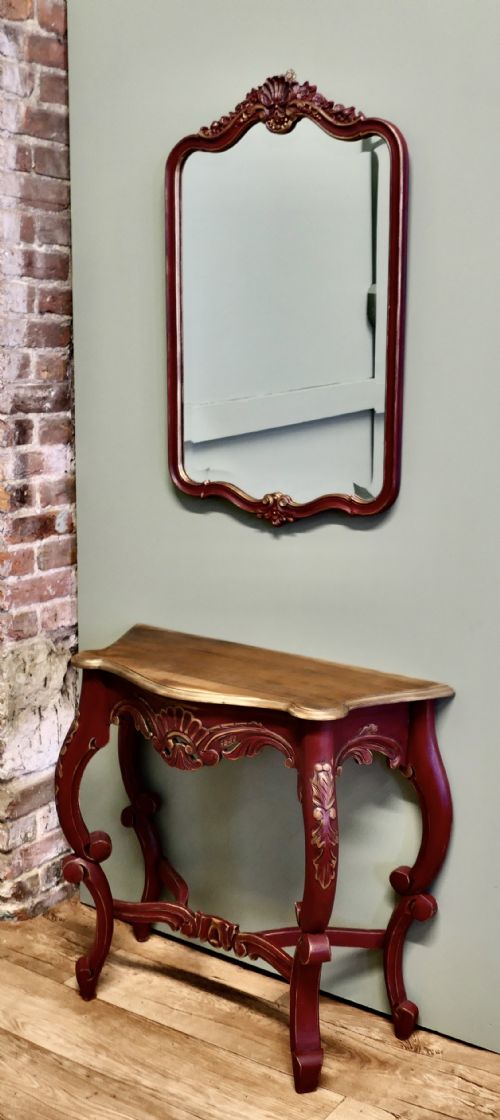
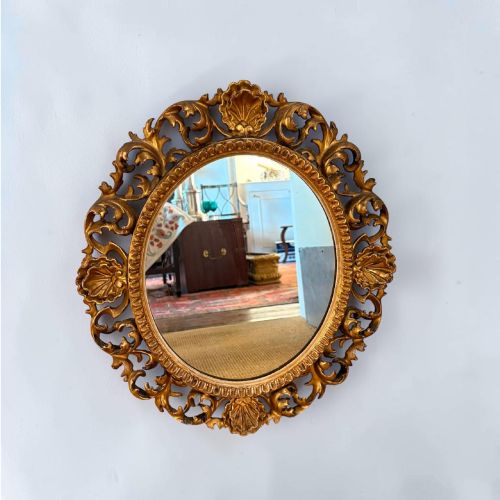
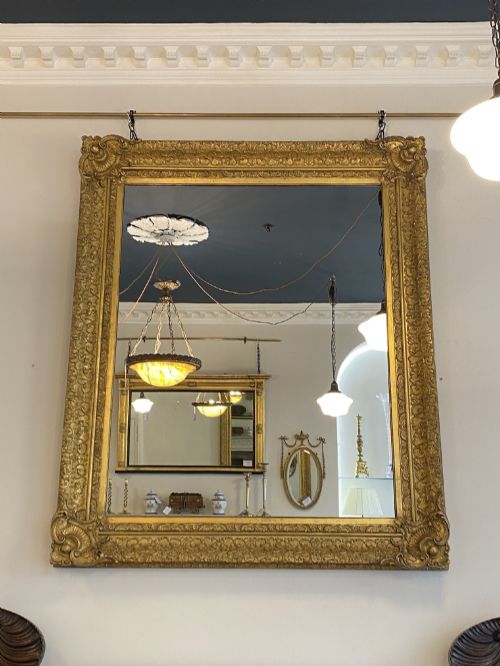
The dominant forms span large overmantels, tall leaner mirrors, oval wall pieces, and console sets, often built to command attention in a principal room. The framing typically incorporates deep carvings, ribbon crests, masks, and floral motifs derived from classical European design traditions.
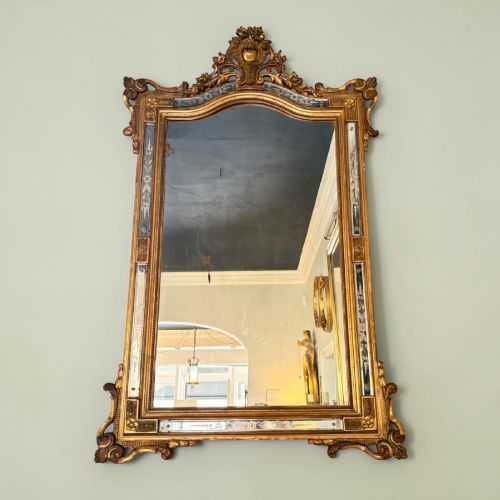
Originating largely from French and Italian workshops, these items utilise giltwood, gesso, and carved timber to achieve their rich visual weight. The glass plates range from antique mercury plates and etched panels to bevelled replacements fitted into historical frames.
Materials and construction
Makers built these frames using timber such as carved wood, applying layers of gesso to create smooth surfaces for detailed ornamentation before gilding with gold leaf or metal leaf. The application of gesso allowed artisans to carve intricate scrolls, leaves, and crests with sharp definition.
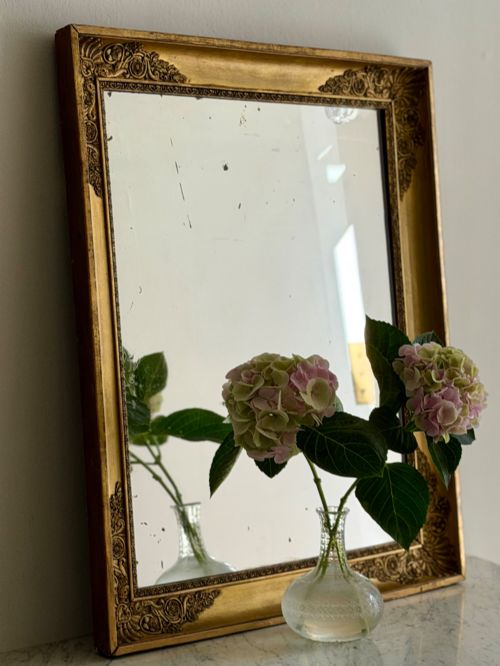
Glass plates were historically silvered using mercury or traditional techniques, resulting in subtle foxing and age spots that evidence long existence. Frames often combine structural timber supports with delicate surface mouldings fixed securely at the corners.
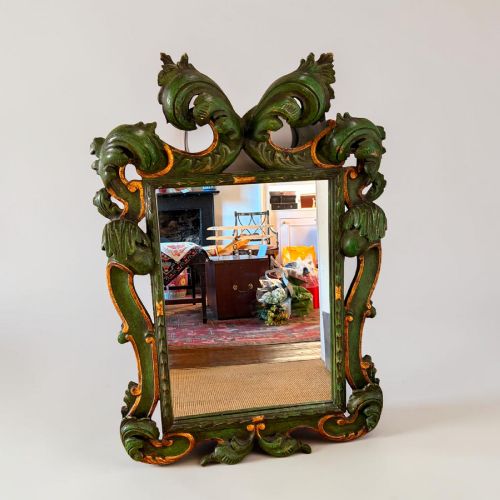
Some frames incorporate hidden olive green undertones beneath the gold leaf, revealing momentary hints of colour through centuries of wear.
Assessing craftsmanship
Quality rests in the depth and sharpness of the hand-carved detail within the gesso and wood, where crisply defined scrolls and motifs separate superior pieces from softer press-moulded alternatives. The proportion between the heavy frame and the glass plate dictates the visual balance of the object.
The integrity of the original gilding and the preservation of the antique glass plate significantly influence the standard of the piece. Superior examples retain their original gold leaf surfaces and unblemished structural joins without heavy modern restoration.
The Vintage Ornate Gilt Mirror Glossary
- Giltwood
- Wood that has been covered with thin sheets of gold leaf or metal leaf. This surface treatment gives the frame its characteristic metallic sheen.
- Gesso
- A plaster mixture applied to wood frames to provide a smooth base for carving and gilding. Artisans carved intricate decorative details directly into this hardened layer.
- Overmantel mirror
- A large mirror designed to hang specifically above a fireplace mantel. These pieces often feature wide proportions to match the width of the hearth below.
- Mercury plate
- An early type of glass silvering utilising a tin and mercury amalgam. This technique produces a distinctive mottled reflection with characteristic dark spots.
- Rococo Revival
- A nineteenth-century design movement mimicking the ornate, asymmetric scrolls and natural motifs of the eighteenth-century French style. It dominates the ornamentation found on these frames.
Vintage Ornate Gilt Mirror: Frequently Asked Questions
How do I hang a heavy gilt mirror?
These frames carry substantial weight due to their timber and gesso construction, requiring professional wall anchors fixed directly into structural studs.
Ensure the hanging wire or integrated brackets match the total mass of the frame to prevent structural failure.
Can I clean the antique glass plate?
Use a soft dry cloth to remove dust from the glass without disturbing the surrounding gilt surface.
Avoid liquid cleaners entirely, as moisture can seep behind the plate and damage original silvering or mercury backing.
How do I identify a French Rococo frame?
Look for asymmetric scrollwork, C-scrolls, floral garlands, and naturalistic plant motifs carved deeply into the gesso and wood.
Originating from French workshops, these designs prioritise fluid, organic movement over rigid symmetry.
What causes dark spots on the mirror?
Age causes the historical silvering behind the glass to oxidise and degrade over decades of environmental exposure.
These natural blemishes are often termed foxing and serve as an indicator of genuine age in antique glass plates.
Where should I place an overmantel mirror?
Position the piece directly above a fireplace or low console table to anchor the room's vertical space.
Ensure the scale of the mirror relates properly to the furniture piece placed immediately beneath it.