
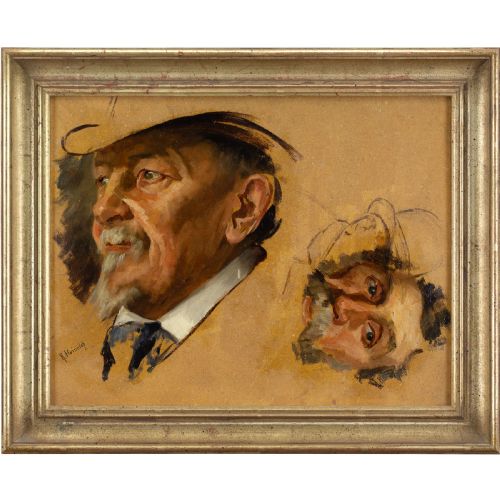
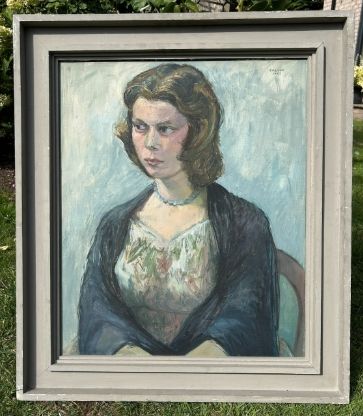
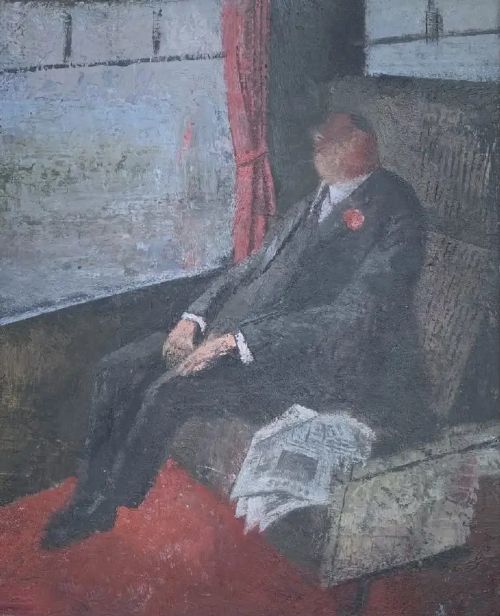
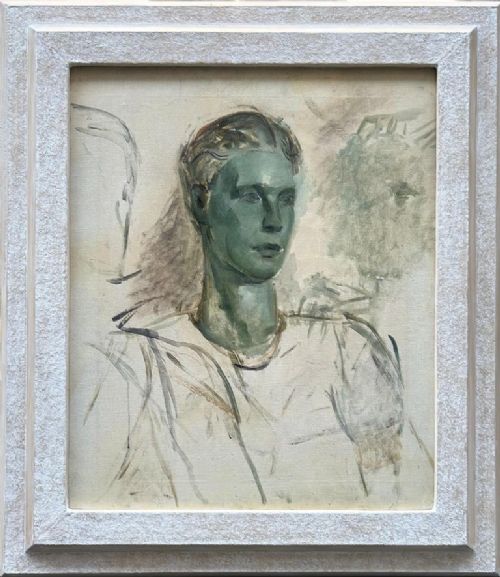
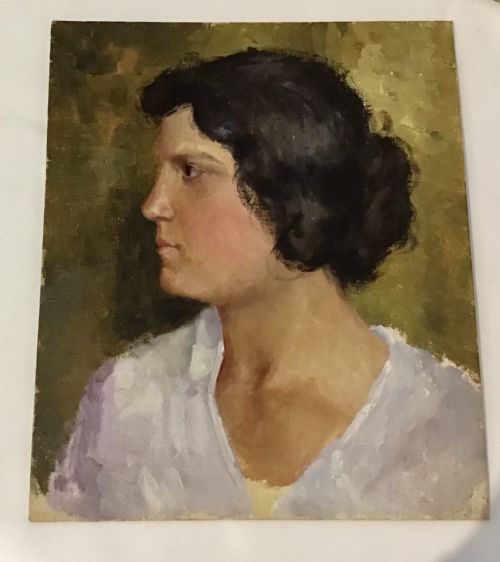
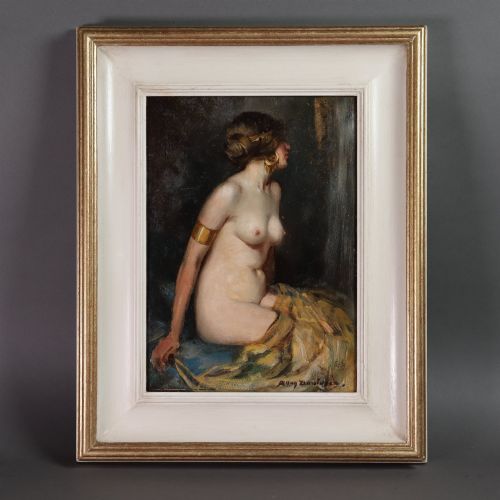


Vintage Original Oil Study
When you search for a vintage original oil study, you are looking at intimate, direct works capturing form and light without the polish of a finished salon piece.
Vintage Original Oil Study
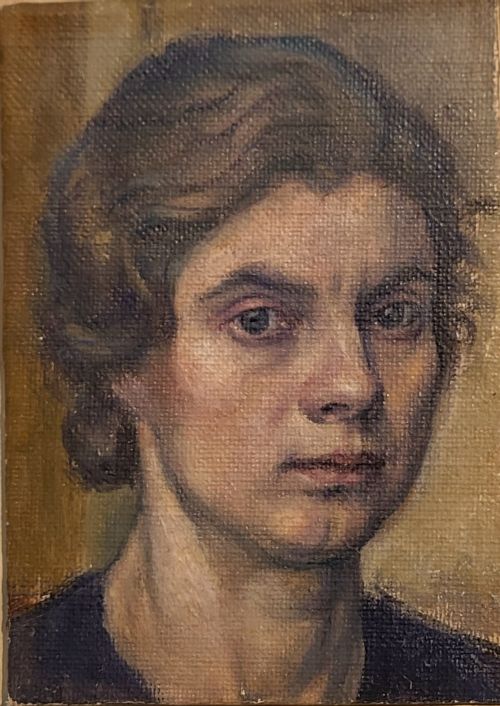
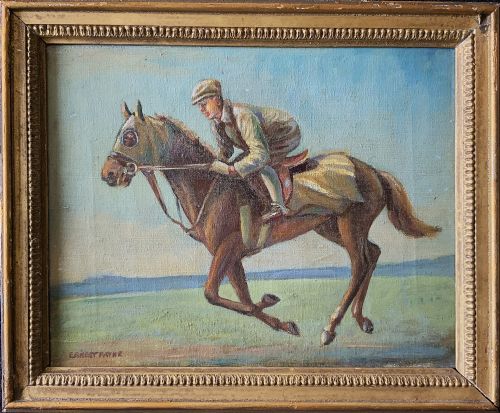
A vintage original oil study represents a direct, unedited record of an artist capturing a subject, whether a figure, landscape, or still life. These works often show the spontaneous marks of rapid execution rather than the calculated finish of a major exhibition piece.
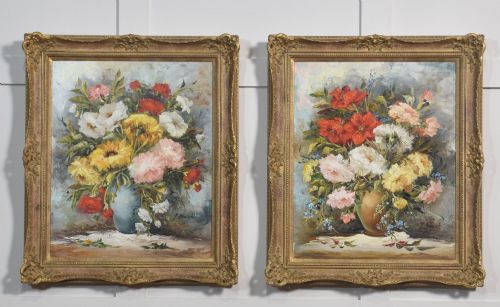
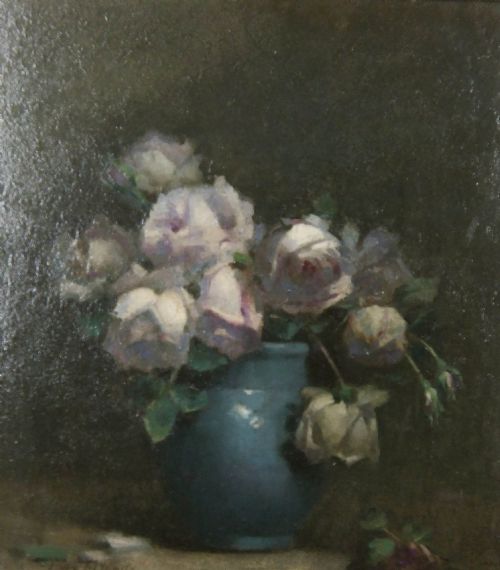
The selections available range across multiple decades of the twentieth century, alongside select nineteenth-century examples. Figures, nudes, and botanical still lifes recur frequently across the inventory.
Many of these works reveal the working methods of artists testing compositions or recording atmospheric effects. They provide a direct window into the creative process of both British and European painters.
Materials and technique
Painters applied oil paint directly onto stretched canvas, wooden panels, or rigid board supports. Some works utilise canvas laid onto board for added stability.
Artists built up their compositions using fluid brushstrokes, impasto textures, and layered glazes. Gilt or wooden frames frequently house these pieces, reflecting the framing choices of their respective periods.
Several artists clearly grew very fond of kitchen fruit, painting multiple variations of lemons and jugs for posterity.
Evaluating the range
Quality rests on the confidence of the brushwork and the precision of tonal control. Stronger pieces display a sure hand that defines form economically, whereas weaker examples lose structure in muddy passages.
The success of a study depends on its sense of immediacy and atmospheric conviction. A compelling piece maintains its visual tension across the entire surface rather than relying solely on a detailed focal point.
Kenneth Cozens·Oilver Messel·Ernest Payne·William Thomas Wood·Allan Douglas Davidson·Septimus Scott·Adrian Van Porten·Ernest Higgins Rigg·Sir Matthew Smith·Hans Temple·Kershaw Schofield·Peter Jackson·Raymond Arthur Roadnight·John Burns Robertson·Thomas Sherlock Evans·Harry Hudson Rodmell·Alan Longmuir
The Vintage Original Oil Study Glossary
- Study
- A preparatory or experimental work created to explore a subject, lighting scheme, or composition before executing a larger painting.
- Impasto
- Paint applied thickly to a surface, standing out in relief and retaining the distinct marks of the brush or palette knife.
- Chiaroscuro
- The strong contrast between light and dark areas within a composition, used to give subjects a sense of volume and drama.
- Board
- A rigid flat support made of wood, pulp, or composite material used by artists as an alternative to stretched canvas.
Vintage Original Oil Study: Frequently Asked Questions
What is an oil study?
An oil study is an exploratory painting created to capture a specific subject, lighting effect, or composition quickly. Artists often painted these directly from life to understand form and colour before beginning a larger, more formal canvas.
Because they were working out visual problems, these pieces display a looseness and vitality often lost in finished exhibition works. They offer a direct glimpse into the painter's immediate reaction to the scene.
How do I date an oil study?
Dating relies on stylistic clues, framing materials, and the physical support used by the artist. Canvas types, board compositions, and signature styles often point to specific decades such as the nineteen-thirties or fifties.
Exhibition labels, inscriptions on the reverse, and artist biographies provide the most reliable chronological anchors. Comparing brushwork and subject matter to documented works by the same hand helps narrow the timeline further.
Where should I hang a study?
Studies work best in intimate spaces where viewers can appreciate their smaller scale and textured brushwork up close. Small portraits and still lifes suit hallways, studies, or grouped arrangements on living room walls.
Keep them away from direct sunlight and excessive humidity to protect the oil paint and canvas over time. Proper placement allows the dynamic lighting and brush marks of the work to be fully enjoyed.