


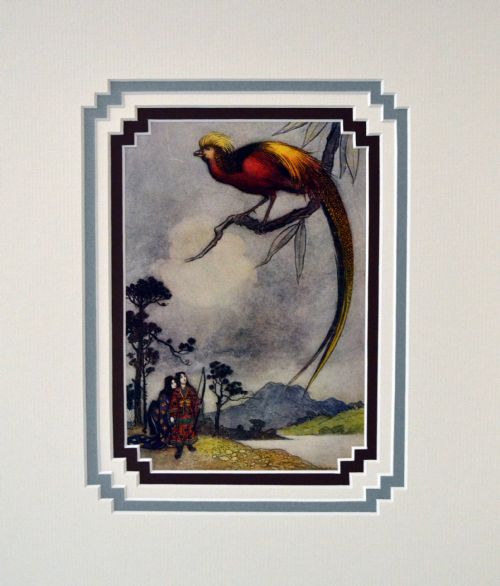


Vintage Orientalist Art
Vintage orientalist art spans diverse mediums, capturing historic scenes, architecture, and figures across the nineteenth and twentieth centuries.
Vintage Orientalist Art
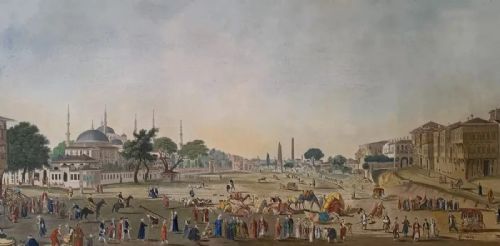
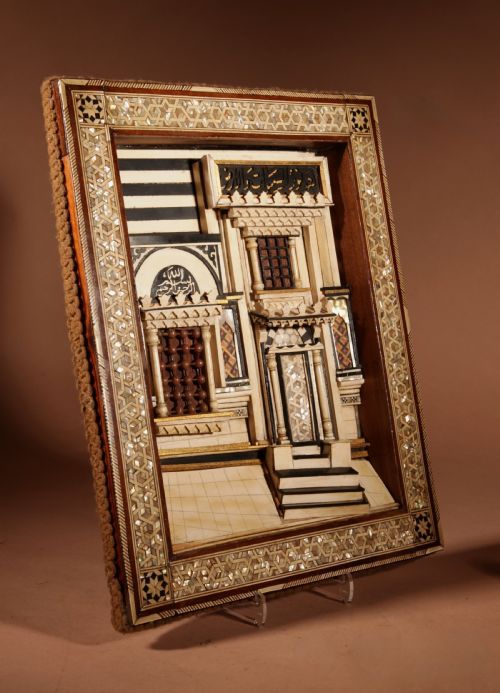
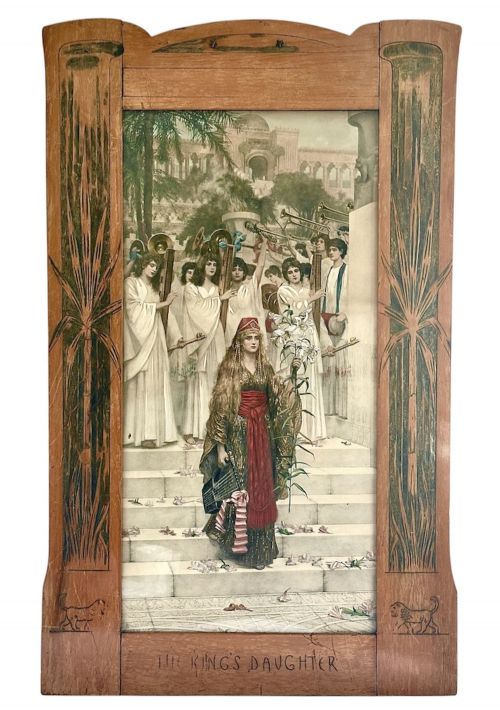
Vintage orientalist art encompasses framed prints, original oil paintings, watercolours, bronze sculptures, and architectural dioramas reflecting themes from the Middle East, North Africa, and Asia. Pieces date from the Victorian era through the mid-twentieth century, including works associated with Art Deco and Edwardian periods.
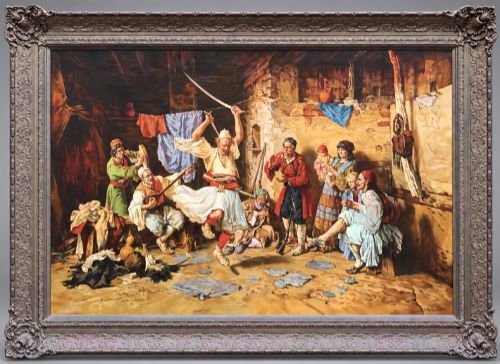
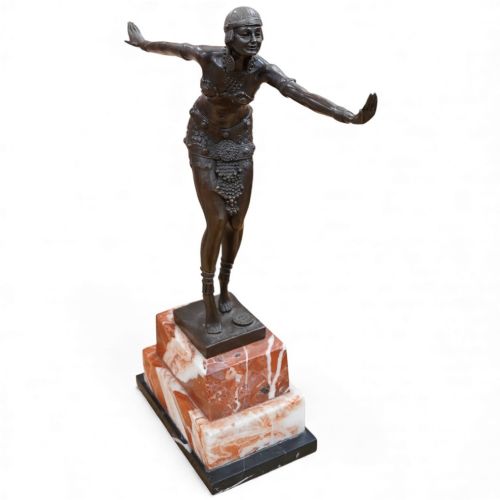
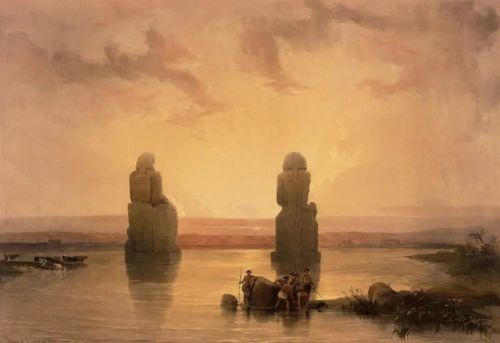
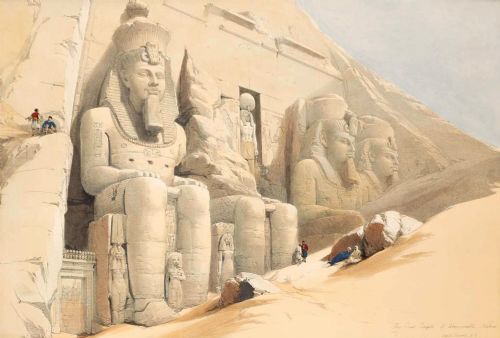
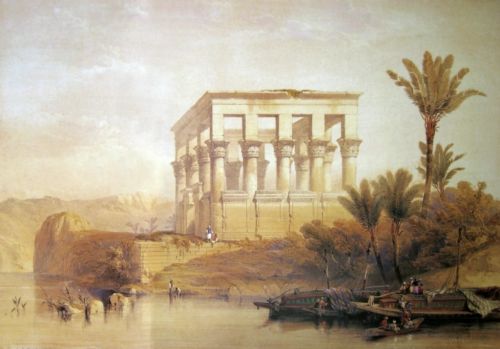
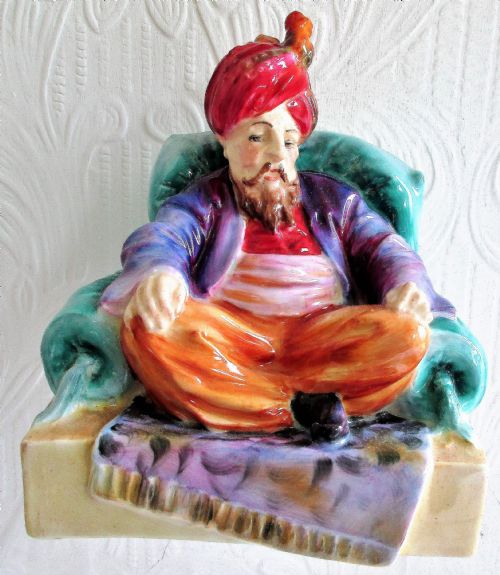
Buyers encounter varied formats, from David Roberts architectural lithographs and detailed gouache landscapes to porcelain figurines and bronze dancer sculptures. The selection captures both Western interpretations and regional craftsmanship of the nineteenth and twentieth centuries.
The category incorporates diverse materials such as canvas, paper, wood, glass, and gilt wood, framed in traditional ebonised woods or presented as standalone decorative objects.
Materials and construction methods
Artworks utilise traditional painting substrates including canvas, panel, paper, and board, employing oil, watercolour, gouache, and ink mediums. Many works incorporate detailed hand-applied pigments alongside photogravure and lithographic printing techniques.
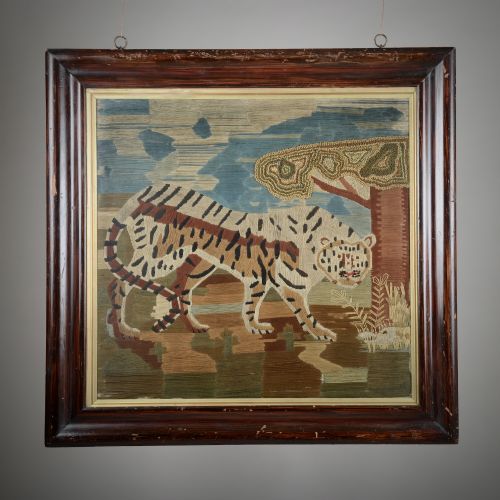
Sculptural pieces rely on cast bronze, carved alabaster, and painted porcelain, frequently featuring patinated surfaces or delicate hand-painted details. Textiles such as silk embroidered ceremonial coats employ intricate gold thread and traditional stitching.
Vintage Orientalist Art Retail Price Guide 2026
Typical asking prices for vintage orientalist art among the pieces listed under this phrase on Sellingantiques today, from the lower quarter to the upper quarter. They describe what is for sale here now, not the wider market.
The selection includes oil paintings, watercolours, lithographs, bronze sculptures, and embroidered textiles.
Differentiating quality in the collection
Quality rests in the precision of execution, draughtsmanship, and the handling of light and detail within painted and printed works. Fine brushwork in watercolours and nuanced casting in bronzes distinguish superior examples from standard decorative items.
Material selection and the original integrity of framing or mounting also determine standard. Original ebonised frames, signed panels, and well-preserved surface patination elevate individual pieces.
David Roberts·Paja Jovanović·Warwick Goble·Demetre Chiparus·Otto Pilny
The Vintage Orientalist Art Glossary
- Lithograph
- A print produced by a printing process on a flat surface using oil and water repelling methods. These plates often illustrate architectural surveys and cultural scenes.
- Gouache
- An opaque watercolour medium characterised by heavier pigmentation and binding agents. It yields dense, matte colour surfaces common in desert landscapes.
- Photogravure
- A print-making technique that produces photographic images through intaglio etching. This process captures tonal gradations found in early portraiture.
- Alabaster
- A fine-grained mineral carved into sculptural figures and decorative objects. It provides a translucent quality utilised in Art Deco figures.
- Chyrpy
- A traditional ladies ceremonial silk embroidered coat originating from Turkmenistan. These garments feature dense regional embroidery patterns.
Vintage Orientalist Art: Frequently Asked Questions
What periods do these artworks cover?
The pieces span from the nineteenth century through the Victorian, Edwardian, and Art Deco eras, extending into the mid-twentieth century. Dates are derived from recorded stylistic eras and specific artist lifespans.
Production methods shift across these decades from hand-drawn watercolours and bronze casts to early photographic prints and lithographic book illustrations.
How should I care for watercolour paintings?
Watercolour and gouache works require protection from direct sunlight to prevent fading of sensitive pigments on paper. Framing behind UV-filtering glass helps preserve the integrity of the work.
Maintain stable indoor humidity levels to protect paper substrates and wooden frames from warping or environmental degradation over time.
How are bronze sculptures finished?
Bronze sculptures feature applied patinas that create varied surface tones, ranging from deep dark finishes to polished highlights. These chemical treatments protect the metal and define sculptural contours.
Cleaning requires only gentle dusting with a soft, dry cloth without abrasive polishes or liquids that might strip the original surface patina.
What subjects appear in these works?
Common subjects include Middle Eastern and North African architecture, desert landscapes, local portraits, and figurative dance studies. Many reflect European artistic travels of the period.
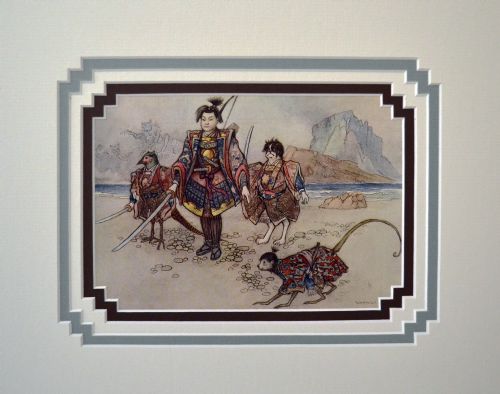
Other works incorporate narrative illustrations, such as fairy tales and regional costume studies, documented through paintings, prints, and textiles.