


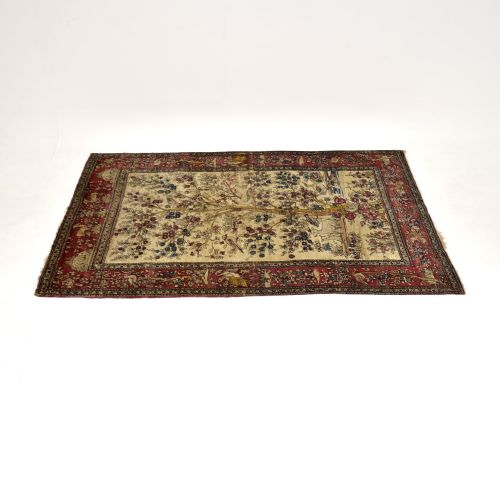

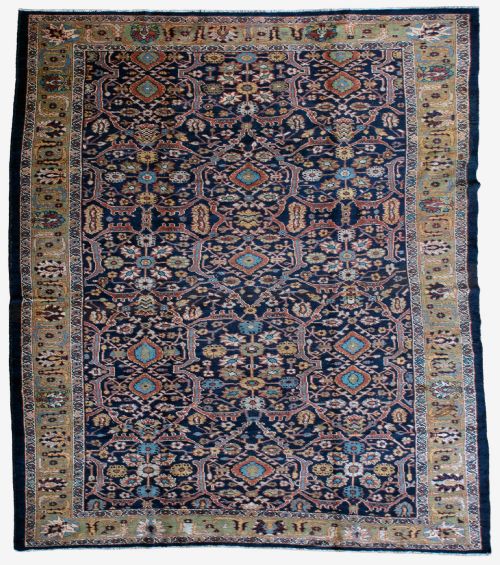
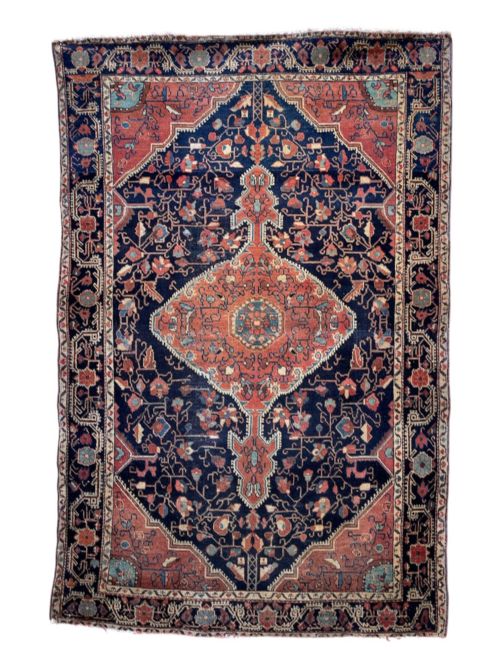
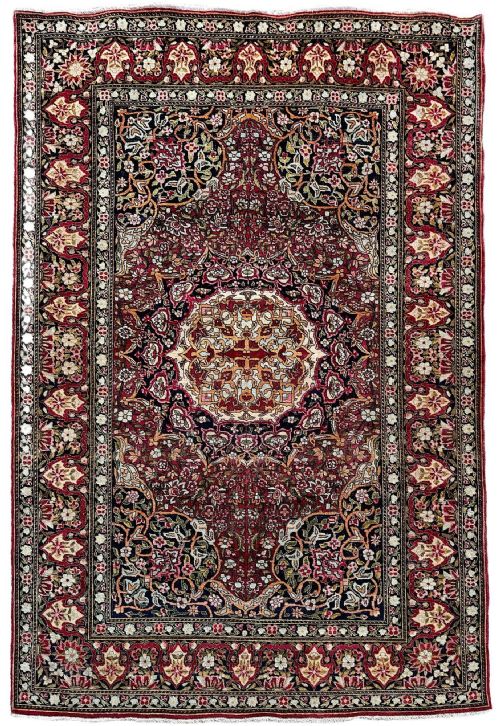
Vintage Oriental Floor Rug
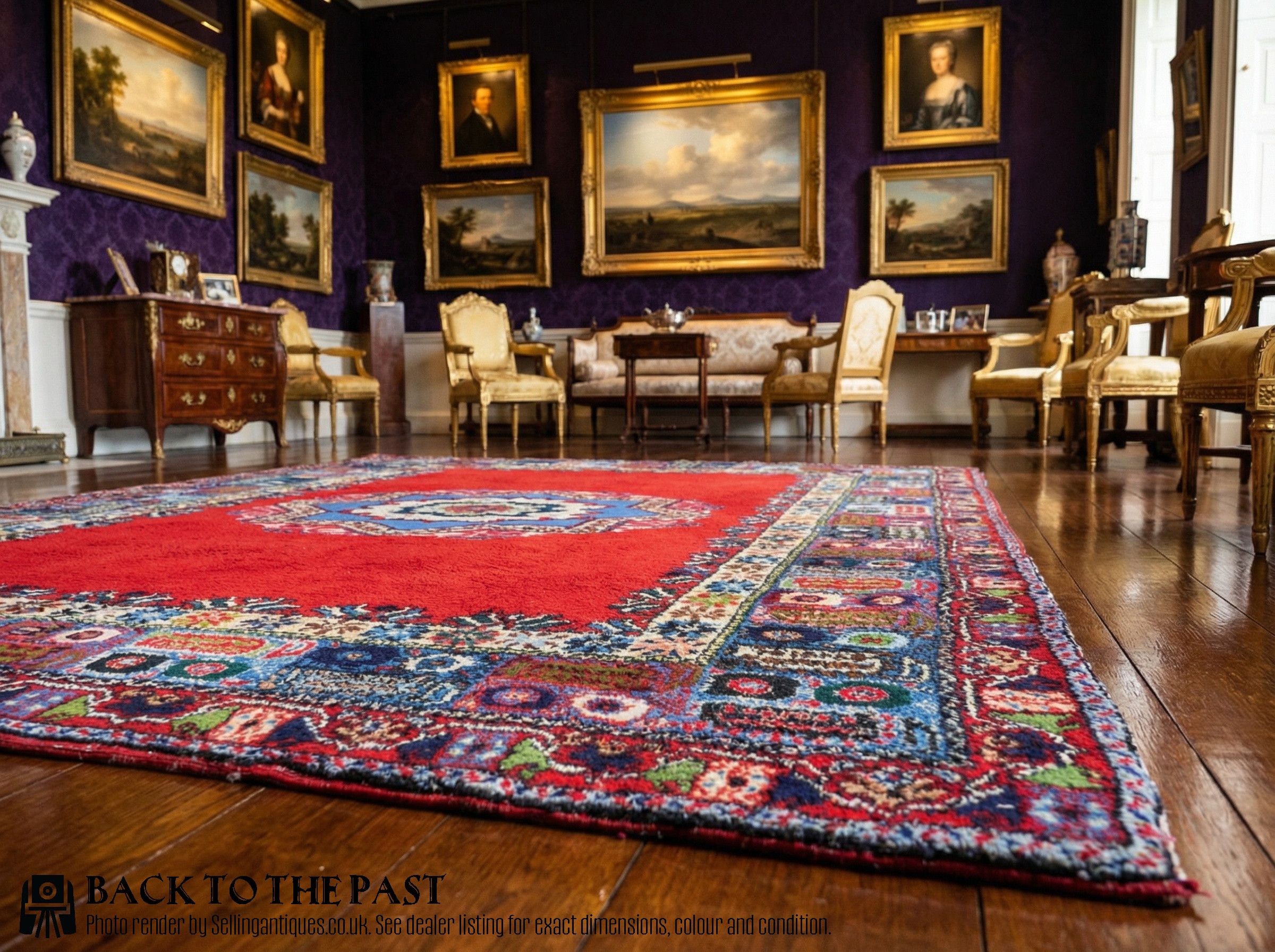
A vintage oriental floor rug anchors a room with dense botanical motifs and geometric medallions woven over generations in village workshops and nomadic camps.
Vintage Oriental Floor Rug
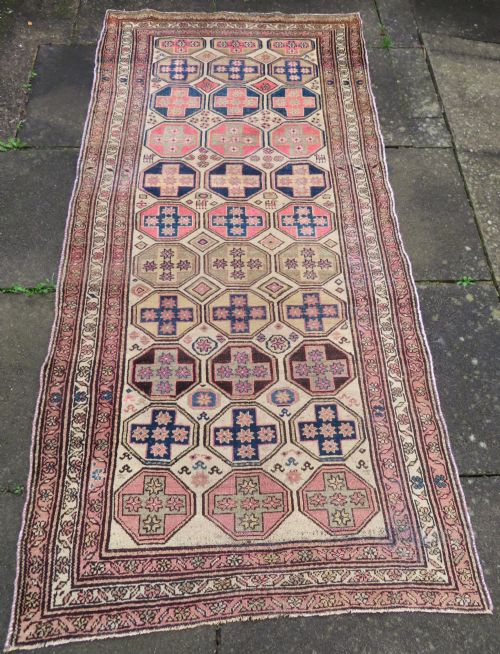
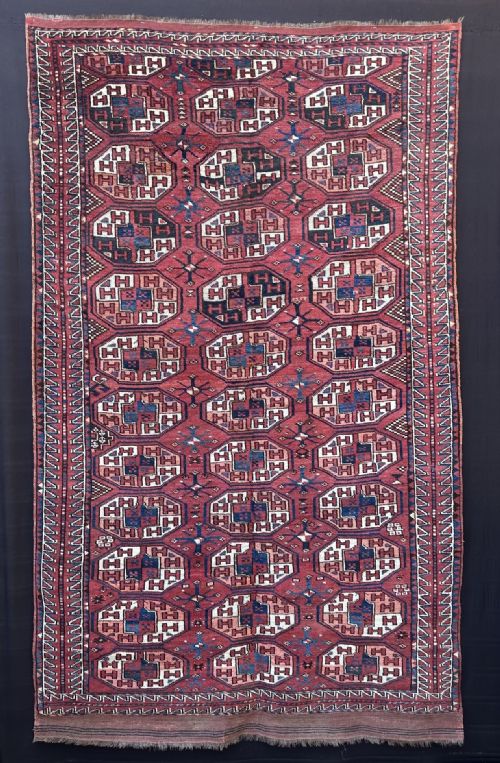
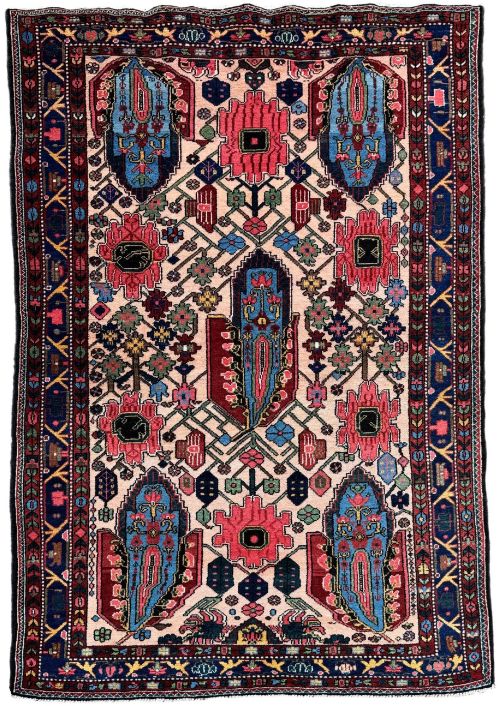
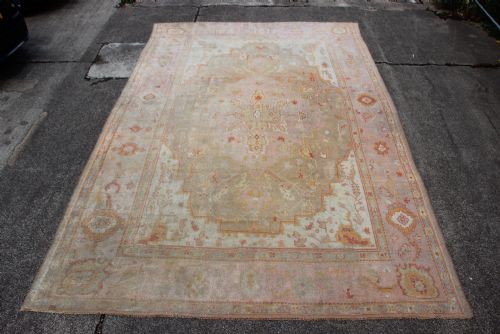
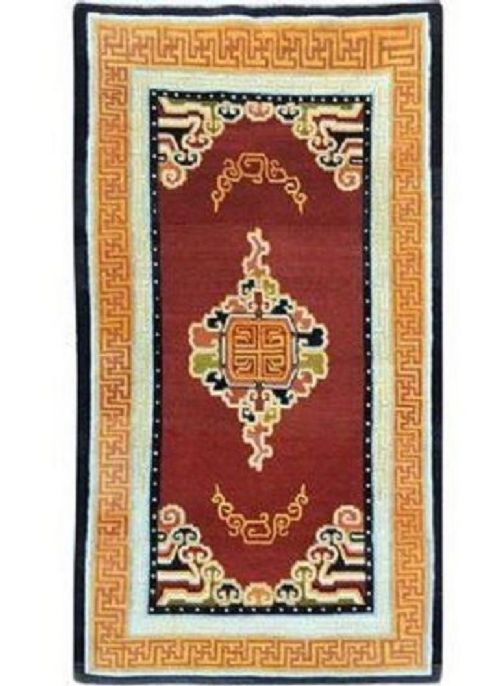
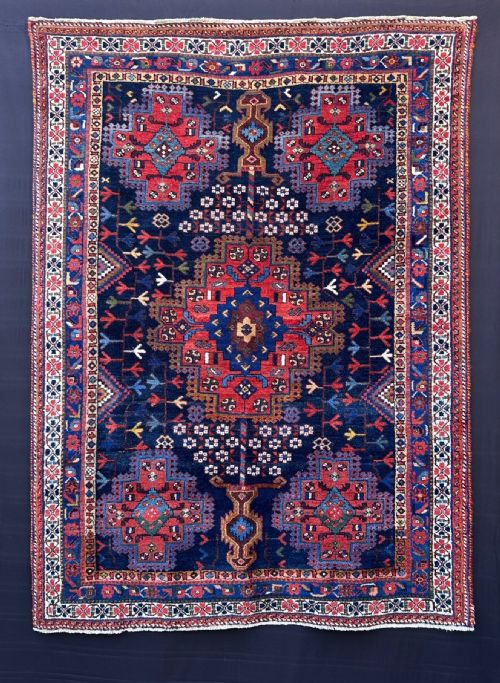
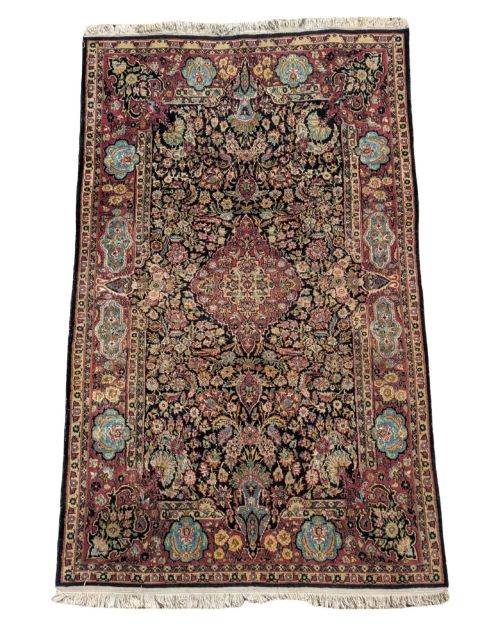
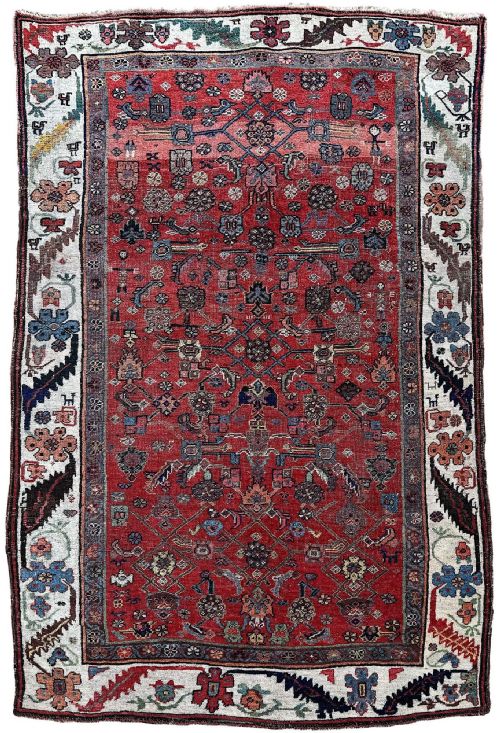
A vintage oriental floor rug encompasses hand-knotted room-size carpets, large area rugs, narrow hallway runners, and small hearth rugs originating from Persia, the Caucasus, Turkey, Turkmenistan, and Tibet. These textiles span periods from the mid-nineteenth century through the 1930s, featuring traditional regional styles such as Heriz, Oushak, Saroukh, Kazak, and Turkmen tribal designs.
The inventory on this page is dominated by Persian village and city weaves alongside Caucasian and Turkmen pieces, reflecting the broad geography associated with the search phrase. Buyers encounter formats ranging from room-sized carpets exceeding four metres in length down to narrow runners and compact hearth pieces suitable for specific architectural spaces.
Materials and construction
The pieces rely primarily on wool foundations and pile, often utilising cotton for warps and wefts to provide structural stability in larger formats. Select rugs incorporate silk highlights to accentuate specific botanical or geometric details within the field.
Weavers employed natural dyes to achieve deep reds, pale tones, and navy blues that mellow with age. Hand-knotting techniques varied by region, resulting in dense piles for city carpets and looser, sturdier structures for nomadic tribal work.
One nimble runner hides a classic pencil box design, proving that nomadic weavers enjoyed geometric stationery.
Distinctions in craftsmanship
Knot density and structural integrity separate robust city workshops from simpler village productions, though lower knot counts often accompany the charming asymmetry of nomadic tribal work. The purity and depth of natural dyes dictate how gracefully a piece ages under foot.
Proportion and balance in the central medallion or overall lattice design indicate the weaver's mastery of traditional geometry. The retention of original side selvedges and end finishes preserves the structural completeness of the textile.
Kizyl Ayak Tribe·Ersari Turkmen·Saroukh Mahal·Heriz Carpet
The Vintage Oriental Floor Rug Glossary
- Warp
- The vertical threads stretched tightly on the loom before knotting begins. These form the foundational skeleton of the rug.
- Weft
- The horizontal threads passed alternately over and under the warp threads after each row of knots to compact the weave.
- Medallion
- A large central ornamental motif dominating the field of the rug. It frequently echoes regional geometry or floral lattice patterns.
- Selvedge
- The bound outer edge running parallel to the length of the rug. It prevents the sides from unravelling.
- Runner
- A long, narrow carpet format designed specifically for corridors, hallways, and staircases.
Vintage Oriental Floor Rug: Frequently Asked Questions
How do I choose the right size rug?
Measure your floor space to ensure furniture legs either sit entirely on the rug or comfortably off it, keeping pathways clear around the edges.
Larger rooms accommodate room-size carpets, while narrow hallways require dedicated runner formats to balance the floor area.
Can these rugs handle heavy foot traffic?
Wool pile combined with sturdy cotton foundations makes these hand-knotted textiles resilient enough for everyday living areas.
Using a quality underlay beneath the rug prevents slipping and absorbs impact, extending the working life of the pile.
How do I tell regional styles apart?
Caucasian pieces tend to feature bold geometric lattice designs and bright primary palettes, whereas Persian city carpets often showcase intricate curved floral medallions.
Tribal weaves from Turkmenistan and surrounding regions display repeating guls and deep red tones rooted in nomadic tradition.
How do I care for a vintage rug?
Vacuum gently using suction only without a rotating beater bar to protect the hand-knotted wool pile from damage.
Rotate the rug periodically to ensure even wear across the surface from foot traffic and sunlight exposure.