

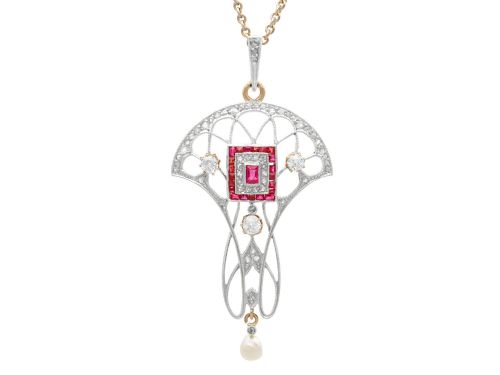
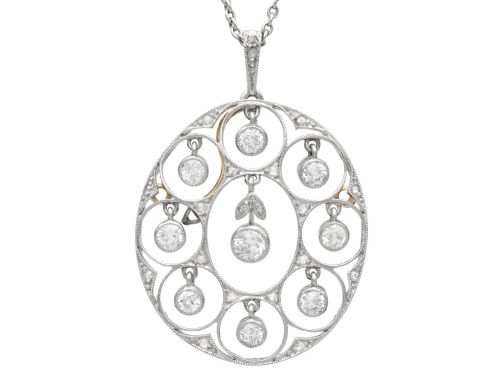
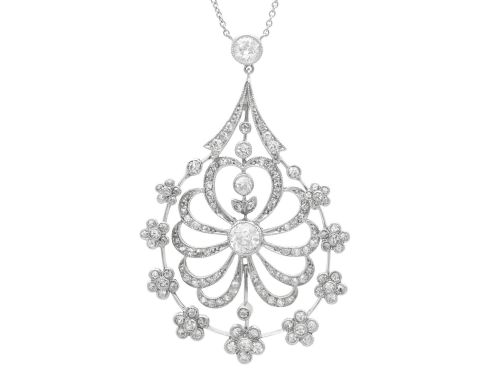
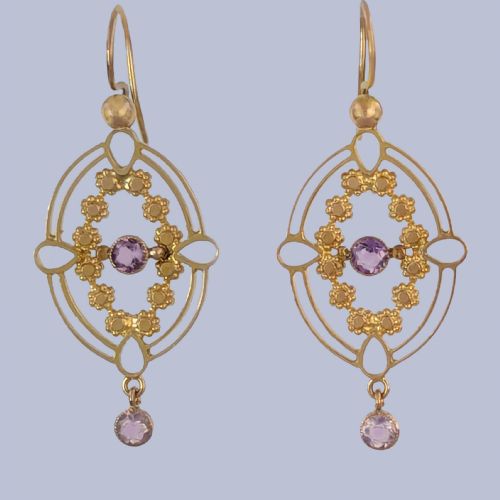
Vintage Openwork Pendant
When you search for a vintage openwork pendant, you encounter delicate pieces of pierced metalwork spanning the Victorian, Edwardian, and Art Nouveau periods.
Vintage Openwork Pendant
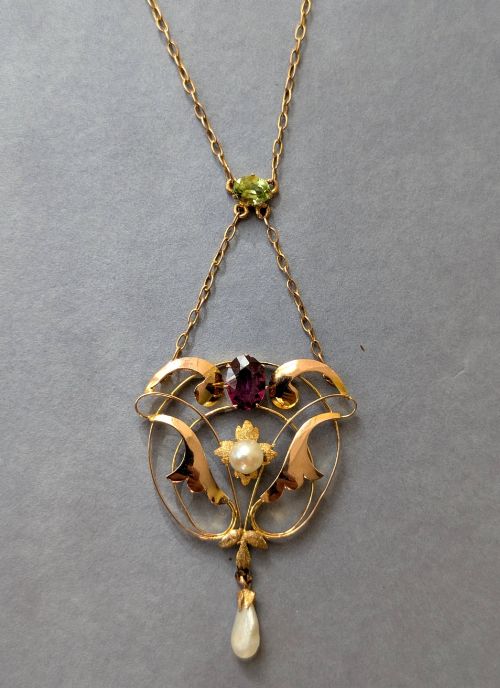
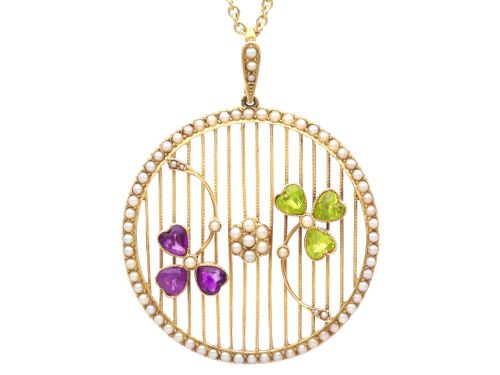
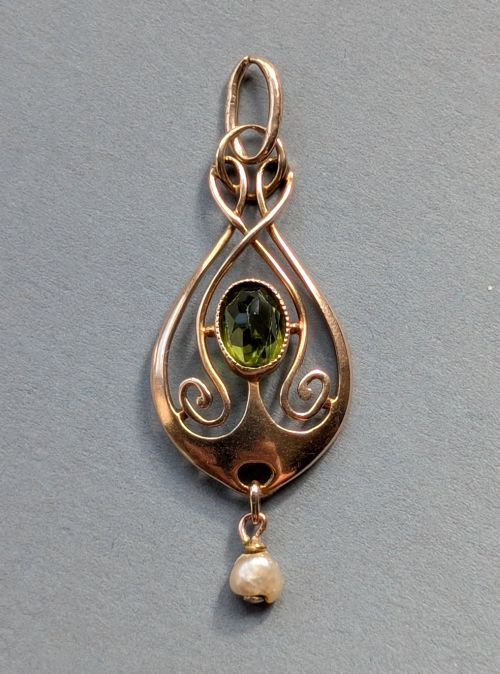
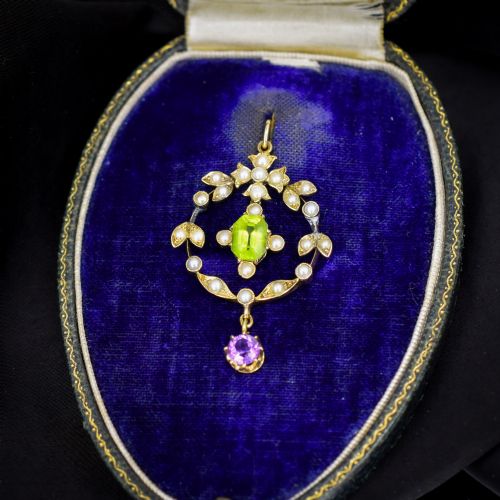
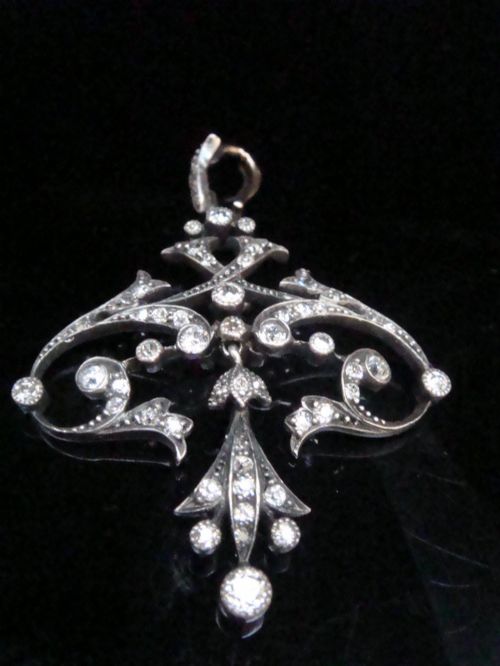
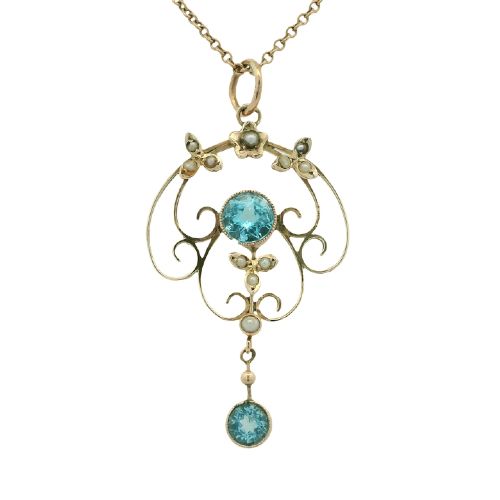
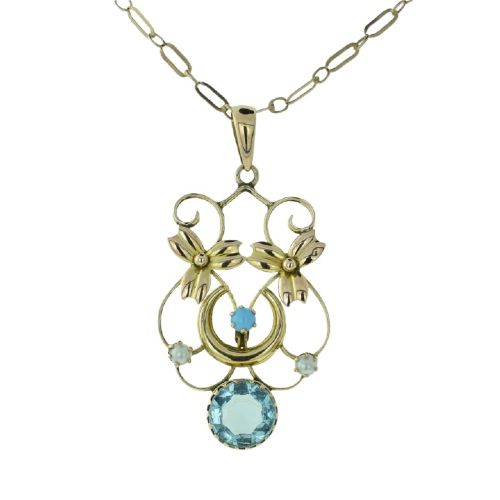
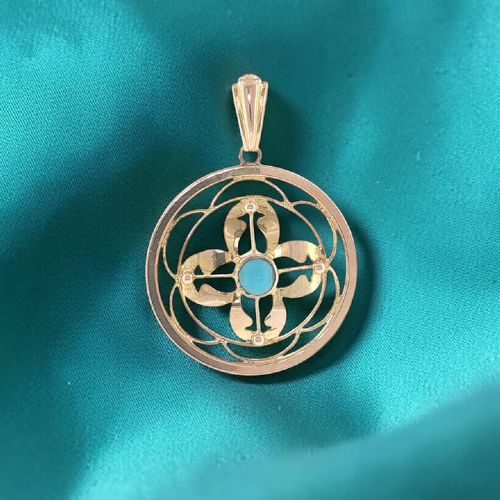
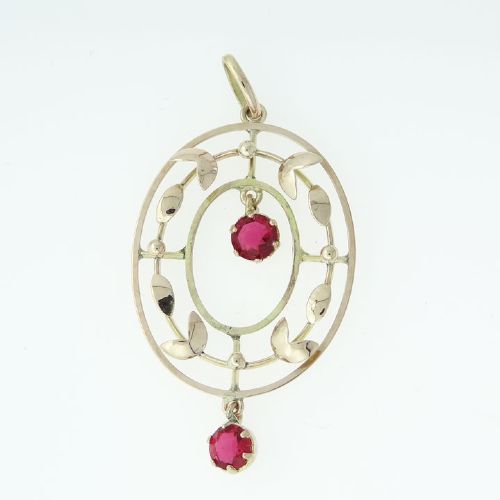
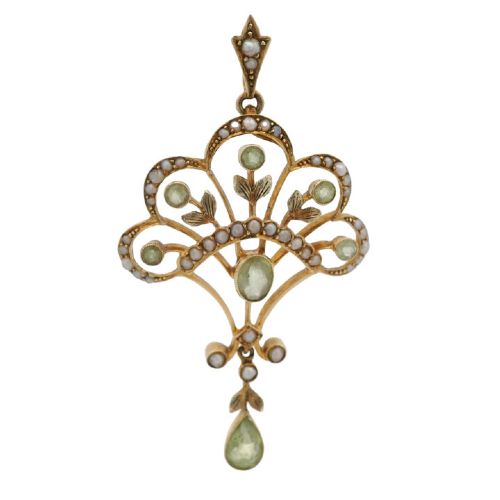
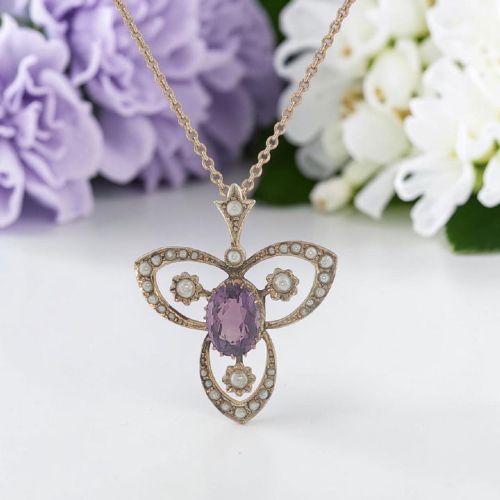
A vintage openwork pendant showcases intricate piercing and fretwork designed to let light pass through the metal frame. You will frequently find these pieces created during the Edwardian and Victorian eras, often incorporating symmetrical floral, drop, or lavalier configurations.
The materials paired with the openwork metal commonly include seed pearls, amethysts, peridots, and diamonds. Many examples double as brooches, featuring a pin finding alongside a suspension loop for a chain.
Origins stretch from British workshops to French ateliers and Scandinavian studios, presenting distinct regional interpretations of the pierced style. Pieces range from delicate 9ct gold lace-like mounts to heavier silver Arts and Crafts designs.
What varies in quality
The finesse of the piercing and the crispness of the openwork edges distinguish finer pieces from coarser examples. Master jewellers achieved fluid, balanced symmetry in their lace-like designs.
The selection and matching of the incorporated gemstones also determine quality, particularly the lustre of natural seed pearls and the saturation of amethysts or peridots. Heavier gold and platinum weight elevates the standard above lighter, mass-produced stampings.
Vintage Openwork Pendant Retail Price Guide 2026
Typical asking prices for vintage openwork pendant among the pieces listed under this phrase on Sellingantiques today, from the lower quarter to the upper quarter. They describe what is for sale here now, not the wider market.
Several items double as brooches, allowing a pendant to abandon its chain at a moment's notice and cling bravely to a lapel.
G. Hoppe·S. Blanckensee & Son·Liberty and Co
The Vintage Openwork Pendant Glossary
- Openwork
- Metalwork pierced or cut through to create a pattern resembling lace or trellis. This technique lightens the visual weight of the jewellery.
- Lavalier
- A pendant featuring a suspended drop stone or dangling component, popular during the Edwardian period. These often hang from fine gold chains.
- Seed pearl
- A very small, naturally occurring or cultured pearl, frequently drilled and threaded onto tiny pins. They accent floral and garland motifs.
- Collet setting
- A metal collar that encircles the girdle of a gemstone to hold it securely in place. It provides a clean profile around the stone.
- Paste
- Hand-cut lead glass used as an imitation gemstone in antique jewellery. High-quality paste exhibits considerable brilliance and fire.
Vintage Openwork Pendant: Frequently Asked Questions
What is an openwork pendant?
An openwork pendant is a piece of jewellery where the metal background is pierced and cut away to form patterns, leaving a skeletal design.
These pieces rely on negative space to create motifs such as flowers, geometric shapes, and scrolls.
How do I wear a convertible brooch pendant?
Convertible pieces feature both a folding bail for a chain and a pin finding with a safety clasp on the reverse.
You can thread a chain through the loop to wear it as a necklace or fasten it to garments as a brooch.
How do I identify an Edwardian pendant?
Edwardian pendants typically use platinum or yellow gold combined with diamonds, pearls, and light-toned gems like aquamarine and peridot.
The style favours light, garland-inspired openwork that mimics lace and ribbonwork.
What metals are common in these pieces?
The listings show a prevalence of 9ct gold, 15ct gold, silver, and platinum. Rose gold and yellow gold also appear frequently.
Silver is commonly paired with paste stones or utilised in Arts and Crafts designs.