



Gold Floral Pendant
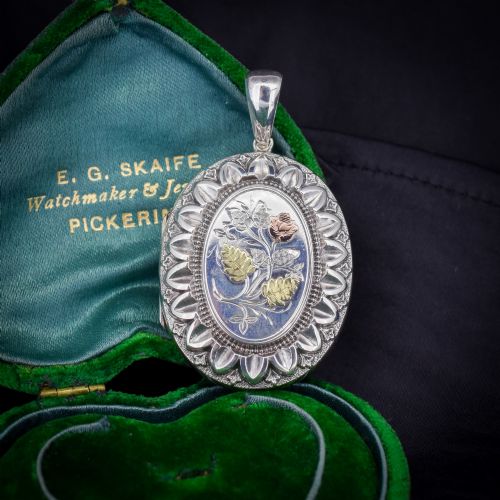
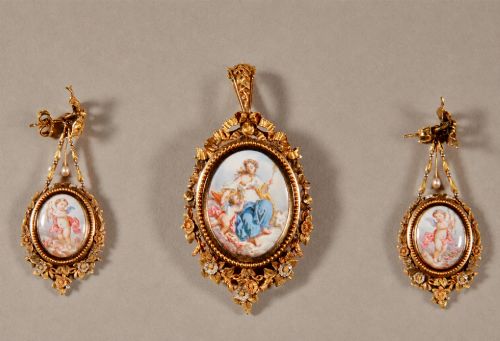
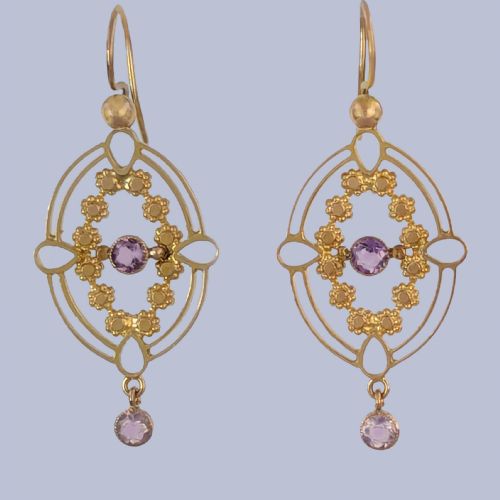
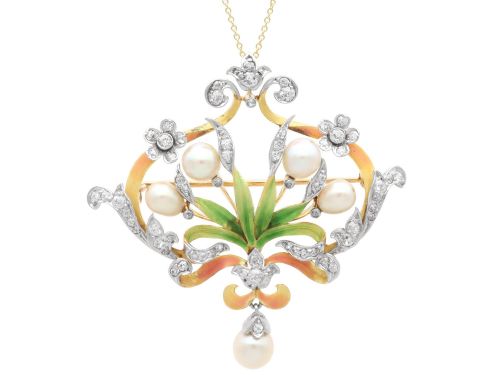
When choosing a gold floral pendant, you are acquiring a piece of jewellery that combines precious metal with botanical motifs across multiple historic periods.
Gold Floral Pendant
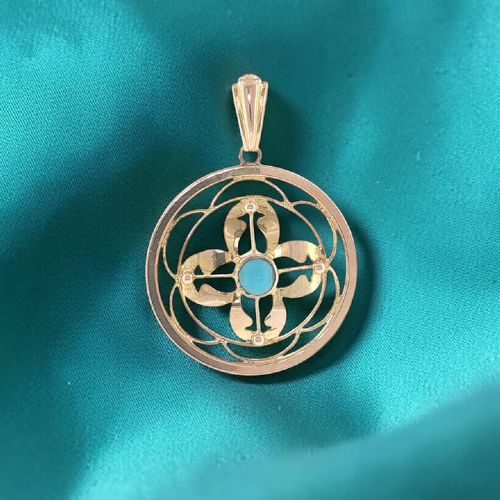
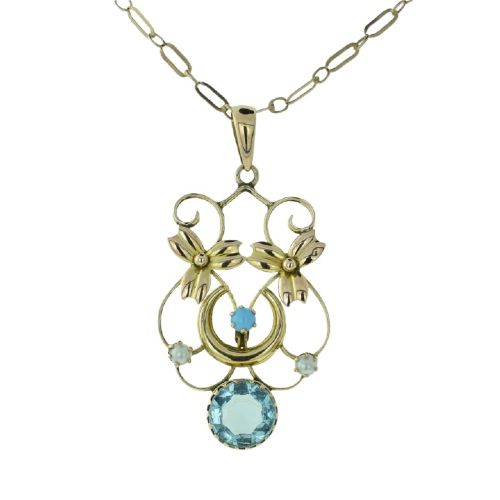
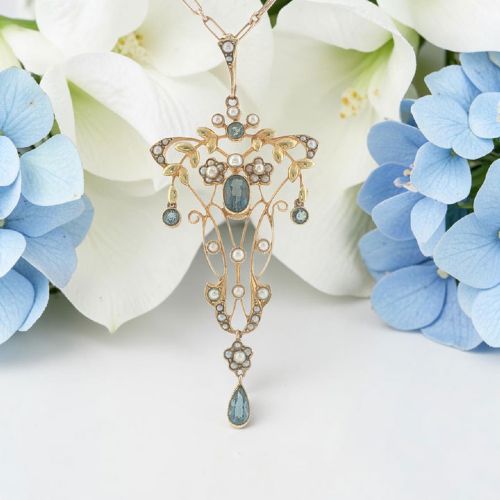
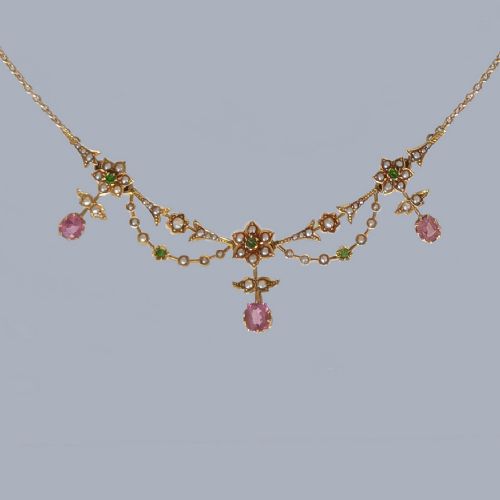
A gold floral pendant takes the form of a necklace ornament fashioned around botanical and blossom motifs. The pieces gathered here span the Victorian, Edwardian, and mid-century eras, reflecting changing tastes in decorative design.
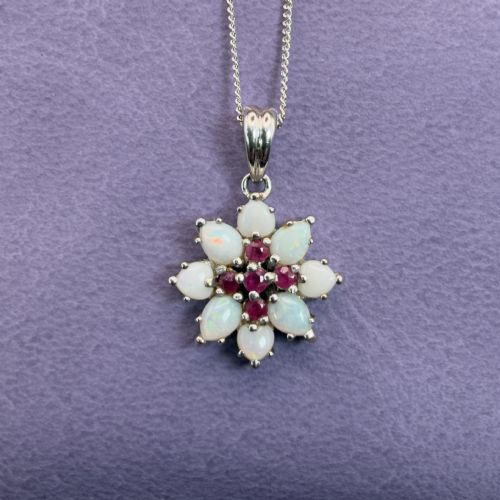
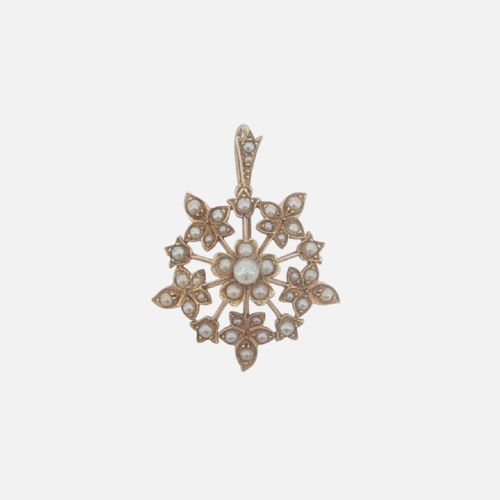
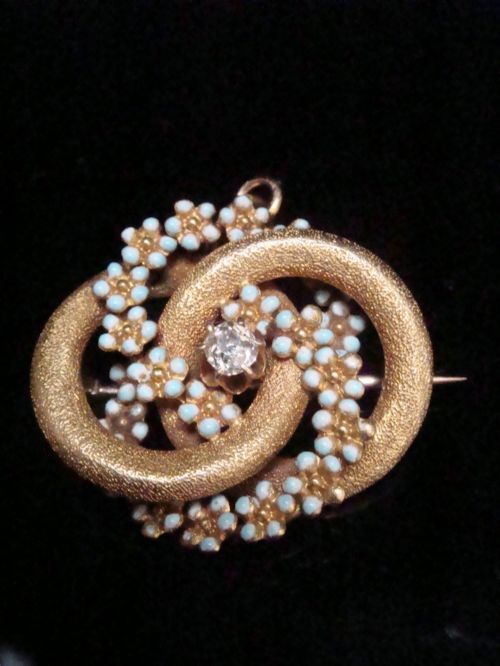
Most examples you encounter on this page combine yellow or rose gold with gemstones representing petals and leaves. You will find configurations ranging from seed pearl clusters to turquoise forget-me-nots and diamond-set flower heads.
Many items function as convertible pieces, operating as both a brooch and a pendant. These dual-purpose designs give you flexibility in how the jewellery is worn daily.
Materials and construction
Craftsmen built these pieces primarily using nine-carat, fifteen-carat, and eighteen-carat gold, alongside silver settings for specific gemstones. Metal was cast, chased, and engraved to form realistic petals, stems, and wreath structures.
Gemstones including rubies, sapphires, peridots, aquamarines, and diamonds were secured alongside delicate seed pearls to add colour and texture. Enamel work also appears on select items to provide naturalistic tones to leaves and floral centres.
Gold Floral Pendant Retail Price Guide 2026
Typical asking prices for gold floral pendant among the pieces listed under this phrase on Sellingantiques today, from the lower quarter to the upper quarter. They describe what is for sale here now, not the wider market.
Listings feature items spanning the Victorian, Edwardian, and mid-century periods, constructed from various grades of gold, silver, and gilt metal.
What determines quality
Quality rests in the precision of the botanical rendering and the graduation of the stones. Finer examples display meticulous hand-engraving on the gold alongside well-matched, securely set natural gemstones rather than pasted substitutes.
The structural integrity of the mounting and the subtlety of the art nouveau or revival styling separate standard workshop production from superior pieces. Well-preserved millegrain edges and intact claw settings indicate careful past handling.
S. Blanckensee & Son·J W Benson
The Gold Floral Pendant Glossary
- Seed pearl
- A very small, naturally formed saltwater pearl, often drilled and threaded onto fine wire to create floral clusters and leaves.
- Millegrain
- A decorative technique featuring a row of tiny raised metal beads along the edge of a setting, common in Edwardian jewellery.
- Chased
- Metal decorated by hammering tools from the front to produce a depressed design, frequently utilised for floral scrolls and leaves.
- Demantoid
- A green variety of andradite garnet, prized for its high dispersion and sparkle in antique cluster settings.
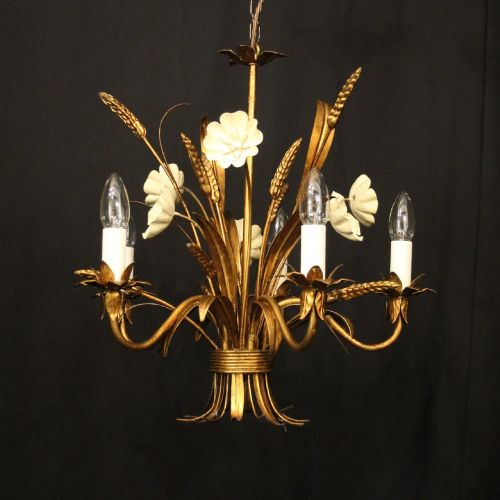
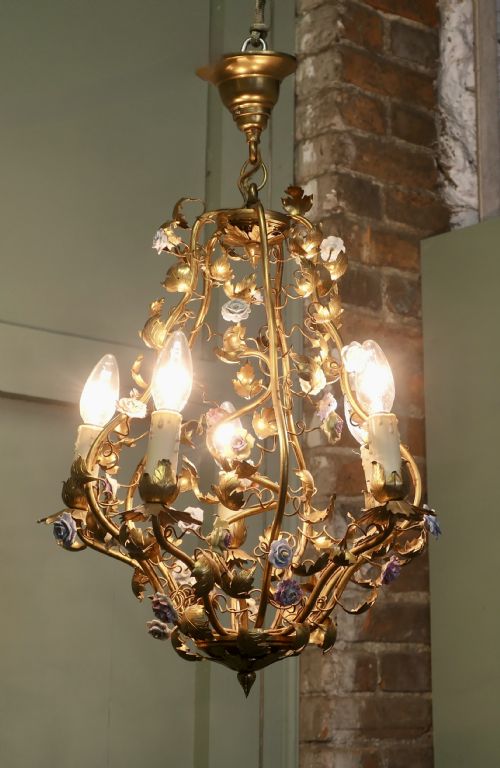
- Toleware
- Painted tin or metalware, sometimes appearing in larger decorative floral hanging fixtures associated with the wider inventory.
Gold Floral Pendant: Frequently Asked Questions
How do I date a gold floral pendant?
Dating relies on the alloy standards, gemstone cuts, and stylistic clues inherent in the metalwork. Victorian pieces often heavier mounts and chased motifs, while Edwardian versions favour lighter wirework and platinum accents.
Examining the reverse of the piece often reveals maker marks or gold purity stamps that narrow the decade of manufacture. Comparing the setting techniques against known historical periods confirms the age.
Are these pendants fragile?
Many antique designs incorporate fine claws and delicate seed pearls that require gentle treatment during everyday wear. Avoiding impact prevents the loss of small stones or bending of thin gold stems.
Storing each piece in an individual lined box protects the surface from friction against other items. Regular gentle cleaning maintains the lustre of the gold without disturbing fragile settings.
Can I wear a pendant as a brooch?
Numerous antique designs include an integrated pin alongside a suspension loop specifically for dual usage. This allows you to transition the item from a neckline chain to a lapel fastening.
Inspecting the hinge and pin mechanism ensures the safety of the fastening when worn on fabric. The versatility of these convertible pieces was a deliberate choice by period jewellers.
What gold purity should I expect?
Historic British pieces frequently utilise nine-carat and fifteen-carat gold, alongside eighteen-carat examples from various European workshops. Each purity standard offers a distinct hue, ranging from the pale yellow of certain Victorian alloys to the rich warmth of mid-period gold.
Examining hallmark stamps helps verify the precise metal content used in the construction. Different carats also dictated how slender the floral stems could be cast without bending.