

Vintage Open Storage
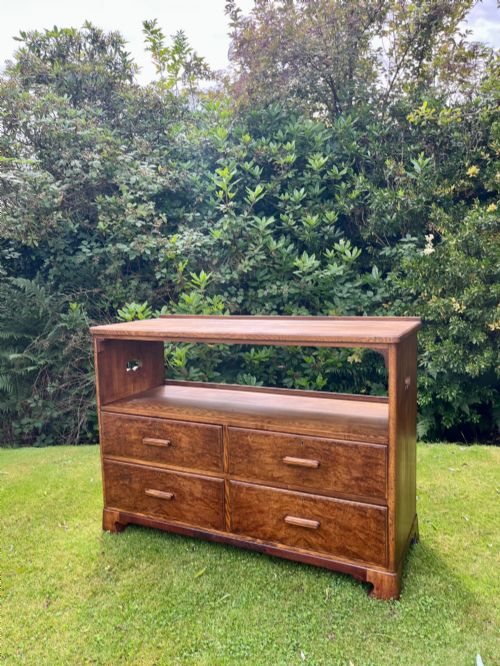
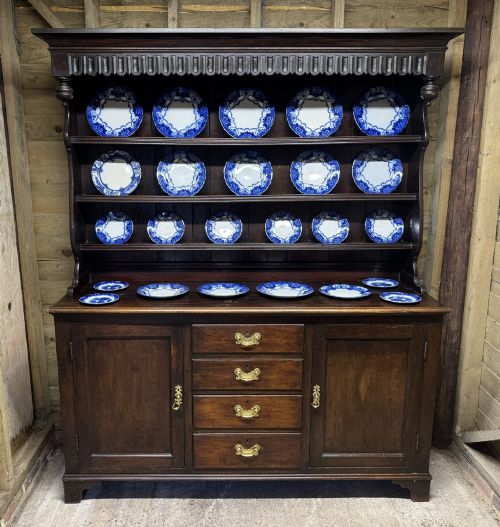
Vintage open storage brings character to a room through accessible shelving crafted from diverse woods and metals across multiple periods.
Vintage Open Storage
Vintage open storage comprises bookcases, display shelves, dressers, and wall units designed to keep books and objects visible and accessible. These pieces span the nineteenth century through to the nineteen-thirties, drawing on periods such as the Victorian, Edwardian, Regency, and Art Deco eras.
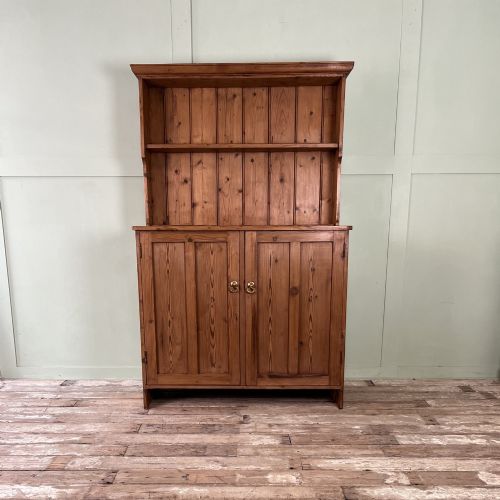
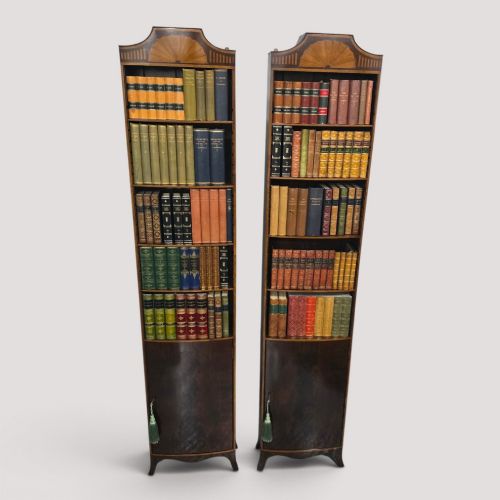
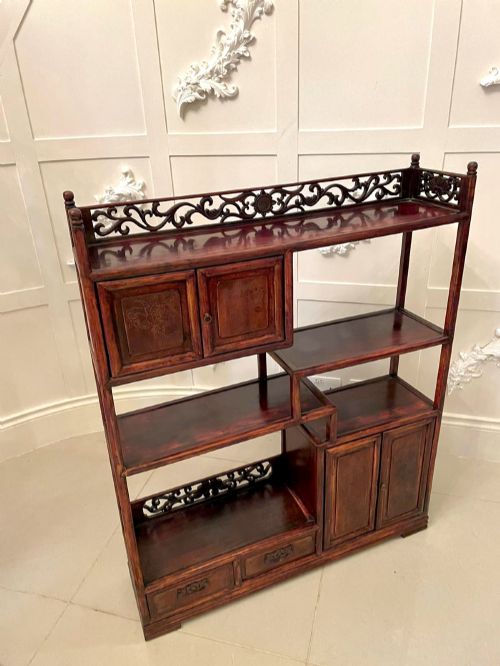
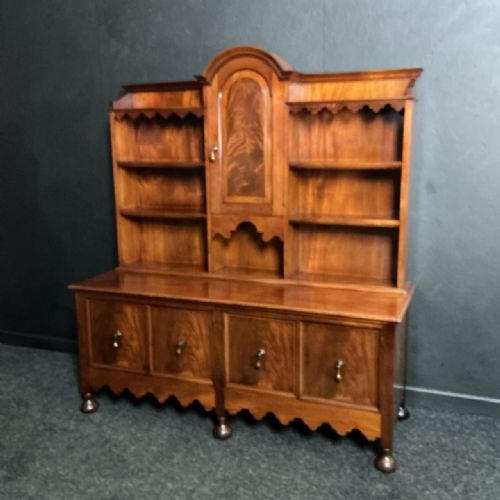
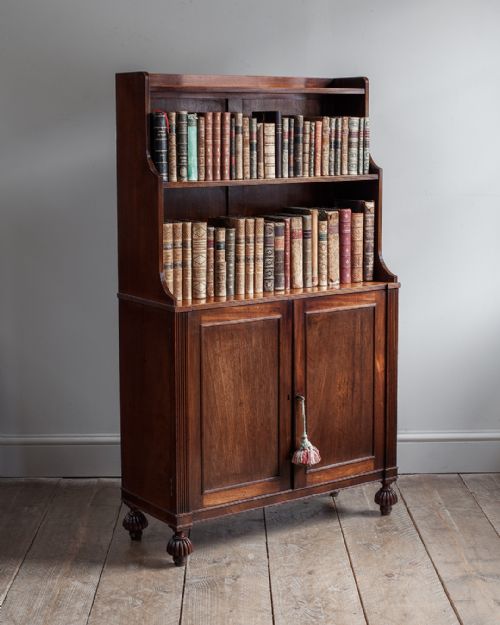
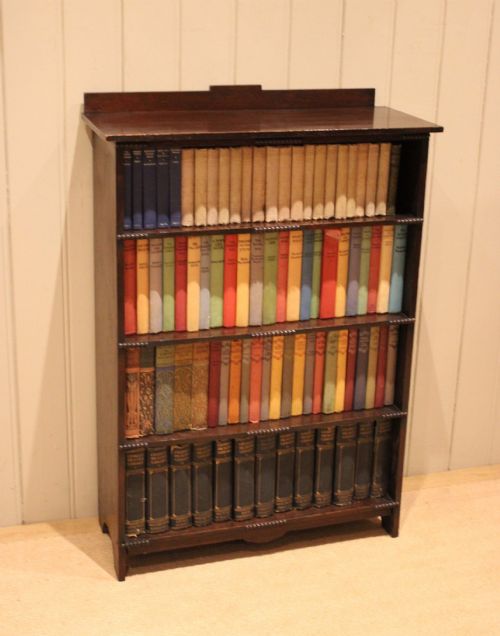
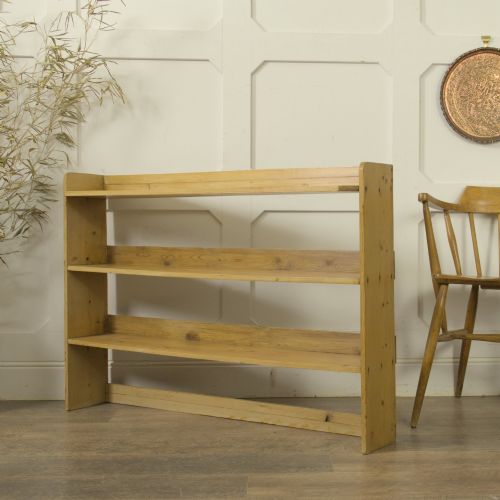
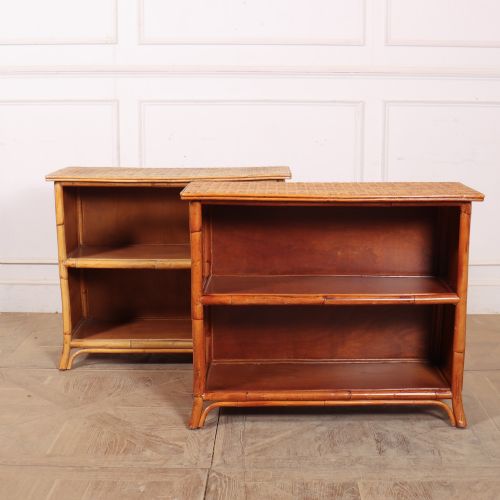
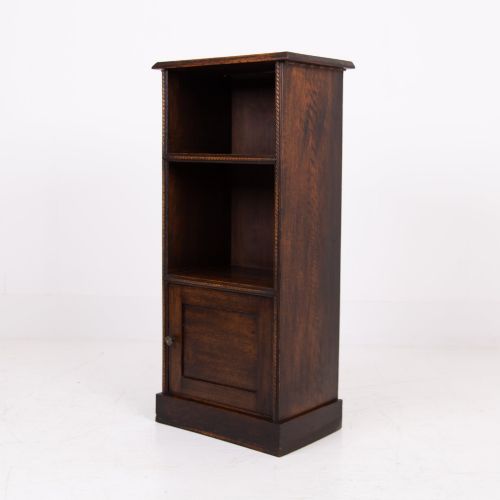
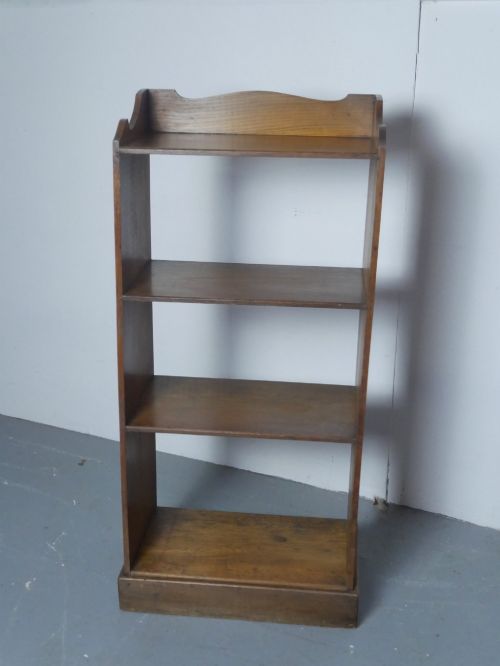
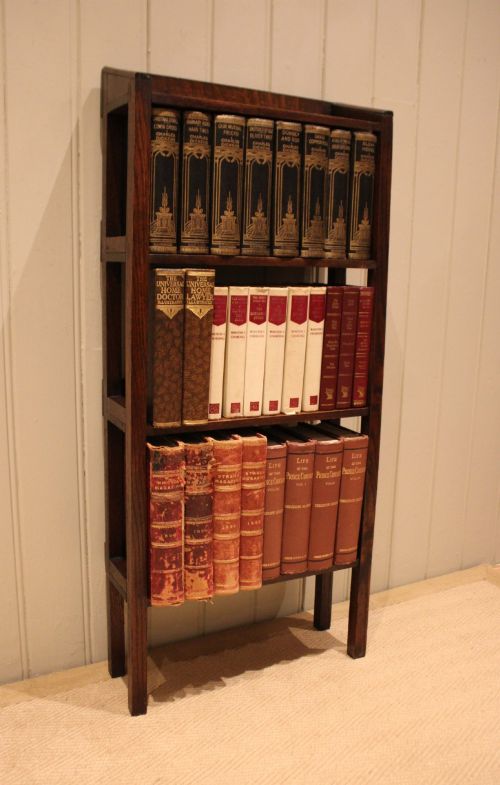
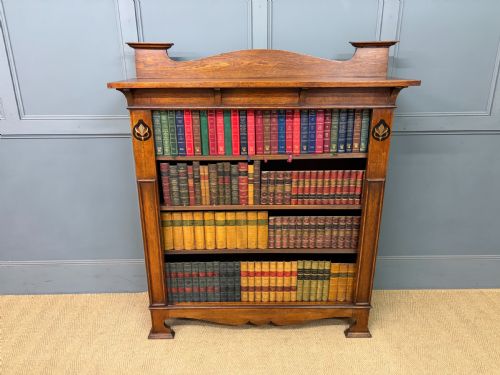
The version most commonly encountered in these listings is the oak bookcase, often standing free or featuring adjustable shelves. Alongside these timber designs, buyers find bakers racks in iron, pine cupboards, and mahogany display shelves originating from English, French, and Chinese workshops.
These items serve practical storage needs while anchoring a room's aesthetic. Whether acquiring a compact Edwardian bedside cabinet, a tall walnut library bookcase, or stepped Art Deco shelving, the focus remains on functional display.
Materials and construction
Construction relies heavily on solid hardwoods and softwoods, with oak, mahogany, walnut, and pine forming the structural backbone of these pieces. Cabinetmakers utilised these timbers for their durability and grain, often pairing them with brass hardware or glass panels.
Techniques range from traditional joinery in nineteenth-century library bookcases to stepped geometric assembly in Art Deco pieces. Ironwork appears in baker racks with scroll-work details, while decorative touches include carved solid wood, inlaid mahogany, and beaded edges.
Listings feature oak more frequently than any other material, appearing alongside mahogany, walnut, pine, brass, and iron.
Judging quality in open storage
Quality rests on the selection of timber and the integrity of the joinery rather than ornamental excess. Pieces utilising solid oak, figured mahogany, or satin birch display a depth of material presence that distinguishes them from simpler utility items.
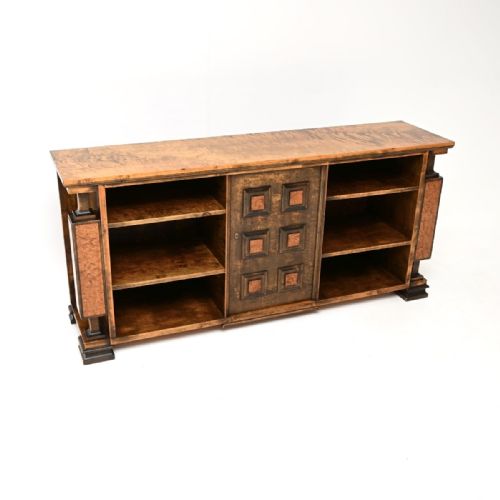
Design ambition separates standard shelving from exceptional cabinetmaking. The architectural balance of a breakfront walnut bookcase, the fluid tiers of a mahogany waterfall shelf, or the considered proportions of an Arts and Crafts bookcase indicate superior workshop origin.
Whytock and Reid·Betty Joel·Maple and Co·Heals
The Vintage Open Storage Glossary
- Waterfall bookcase
- A set of open shelves where each tier steps back progressively from the one below it, creating a cascade effect.
- Breakfront
- A large cabinet or bookcase whose central section projects forward from the recessed sections on either side.
- Whatnot
- A freestanding piece of furniture with multiple open tiers for displaying ornaments or books, popular in the nineteenth century.
- Bakers rack
- An open metal and sometimes wooden shelving unit originally used for cooling baked goods, now utilised for display and storage.
Vintage Open Storage: Frequently Asked Questions
How do I style open storage?
Open storage allows you to balance books with decorative objects, ceramics, and framed photographs. Group items by height and colour to maintain visual harmony across the shelves.
Leave some space empty between groupings to let the timber or metal structure breathe and prevent the shelving from looking cluttered.
Are these shelves suitable for heavy books?
Many period bookcases feature adjustable wooden shelves designed to bear substantial weight, particularly sturdy nineteenth-century oak and mahogany library pieces.
Check the thickness of the timber and the support brackets before loading shelves with dense folios or large volumes.
How do I identify an Art Deco bookcase?
Art Deco pieces from the nineteen-thirties often feature stepped profiles, geometric symmetry, and exotic veneers like satin birch and walnut.
Unlike ornate Victorian or Edwardian designs, these items embrace clean horizontal and vertical lines that reflect modernist industrial aesthetics.
Can I place these cabinets in smaller rooms?
Compact options such as low bookcases, bedside cabinets, and wall-mounted shelves provide functional storage without dominating floor space.
Narrow waterfall shelves and slim pine bookshelves offer vertical capacity while keeping the footprint minimal in tight interiors.