



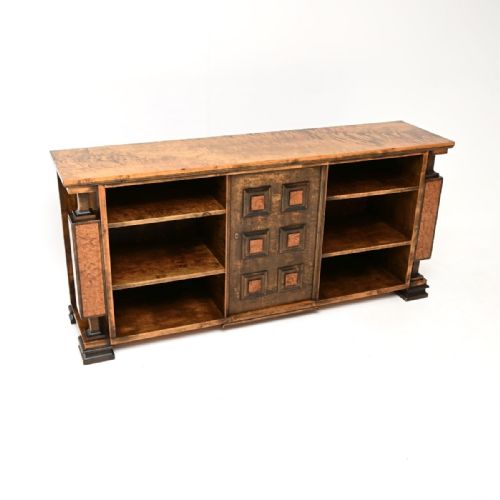
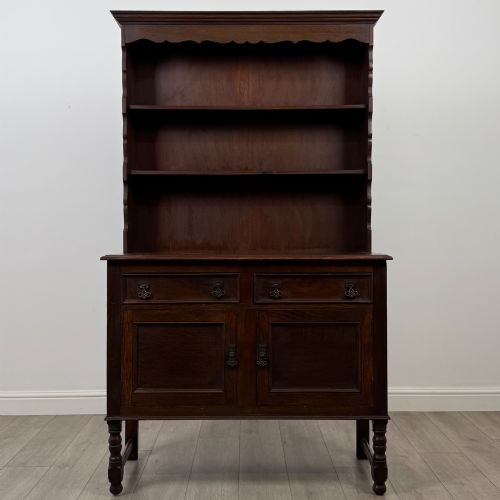
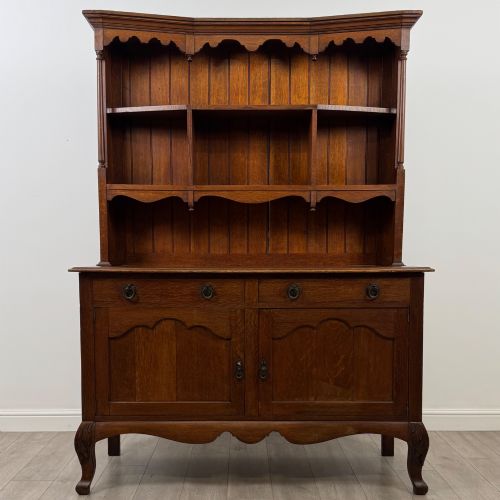
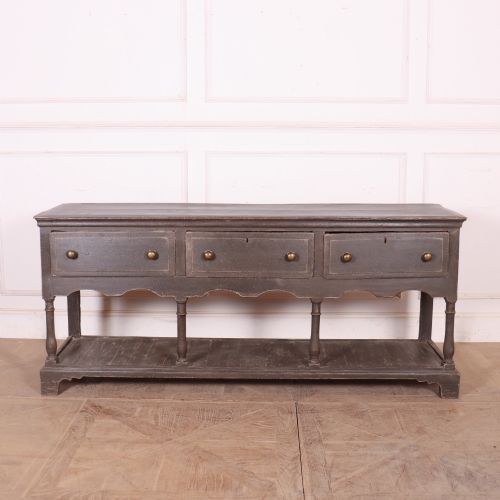
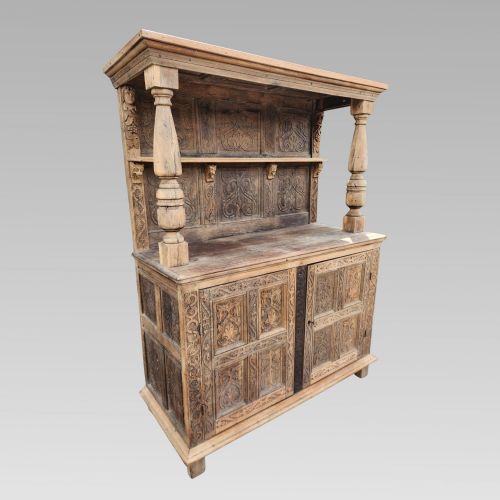
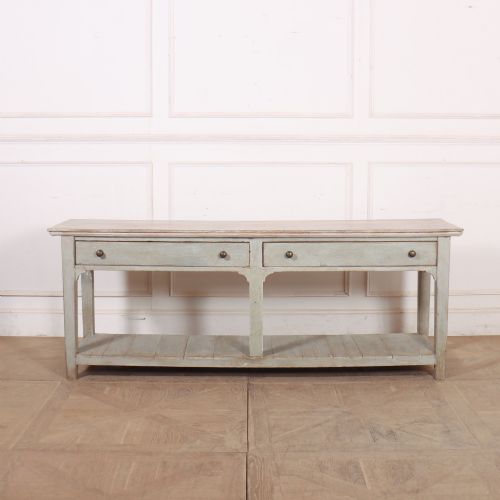
Vintage Open Sideboard
These vintage open sideboard selections bring together practical storage and display, offering deep character for everyday rooms through traditional craftsmanship.
Vintage Open Sideboard
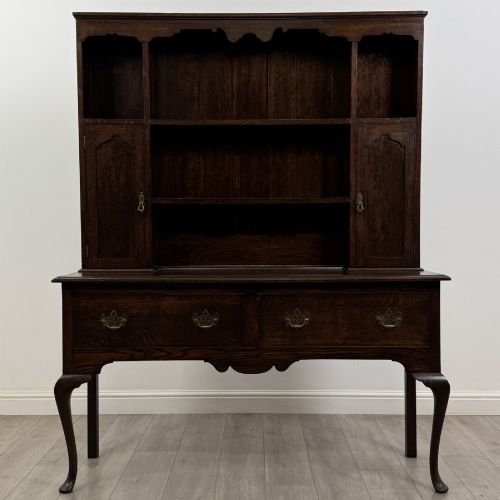
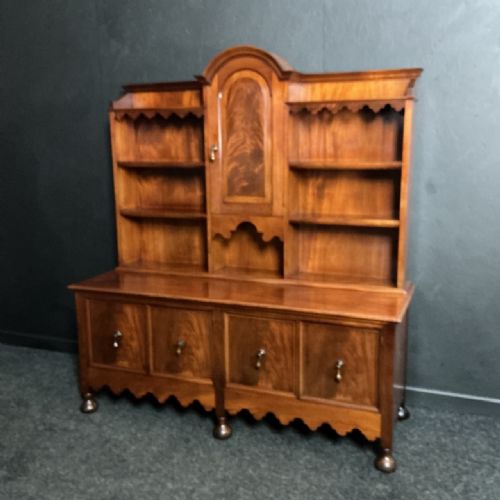
A vintage open sideboard search reveals a diverse mix of traditional dressers, side cabinets, and bookcases spanning several centuries. Buyers encounter sturdy country pieces alongside refined mahogany and walnut designs from various periods.
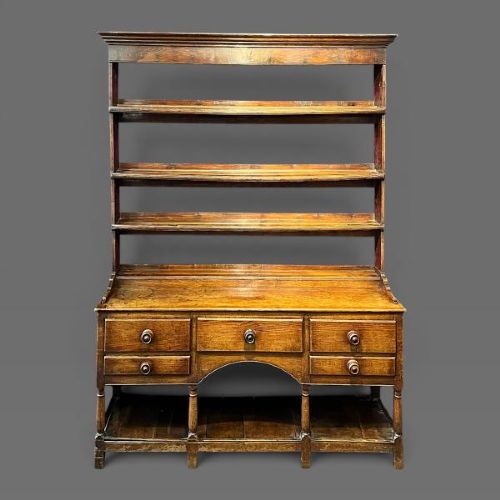
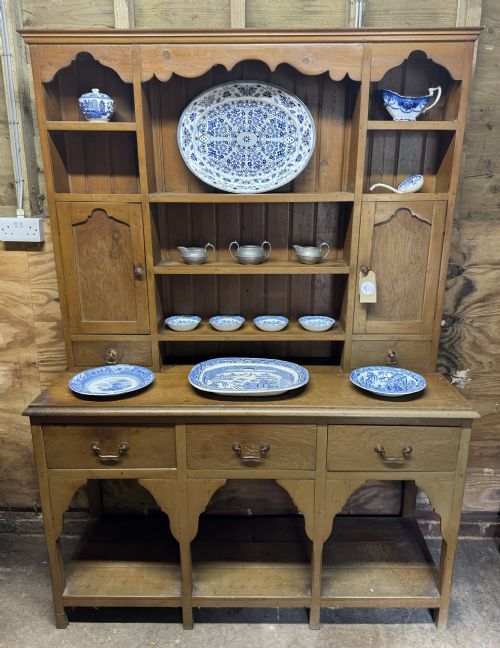
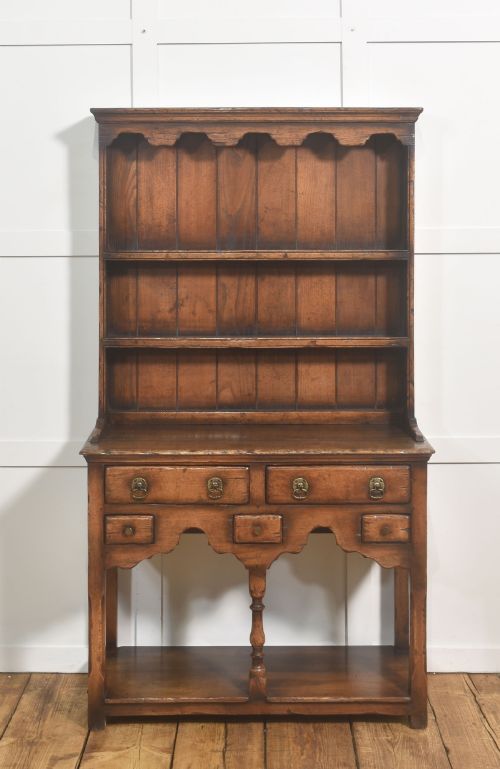
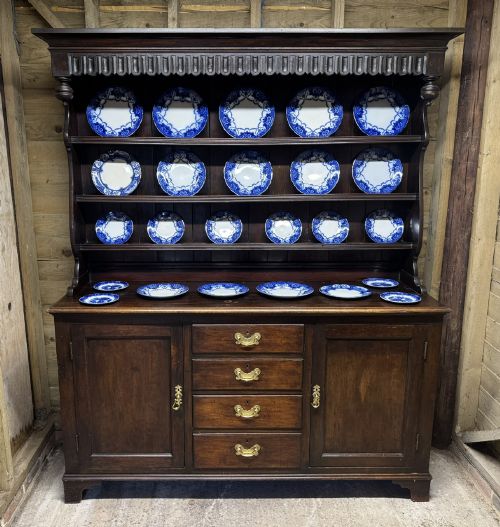
The selections on this page lean heavily towards regional oak and pine dressers with open plate racks, alongside walnut and mahogany side cabinets. These forms reflect both domestic utility and formal reception rooms from the eighteenth century onwards.
Origins range widely from Welsh and West Country workshops to French provincial makers and larger London cabinet makers. This variety ensures that every piece carries distinct regional characteristics and historical presence.
Materials and Construction
Makers relied primarily on solid timbers such as oak, mahogany, pine, and walnut, often enhanced with brass hardware or paint finishes. Elm and satin birch also appear in specific regional and Art Deco pieces.
Traditional joinery techniques dictate the construction of these items, joining solid wood panels with pegged joints or dovetails depending on the period. Painted surfaces and original patinas preserve the historical character of country pine and oak pieces.
Vintage Open Sideboard Retail Price Guide 2026
Typical asking prices for vintage open sideboard among the pieces listed under this phrase on Sellingantiques today, from the lower quarter to the upper quarter. They describe what is for sale here now, not the wider market.
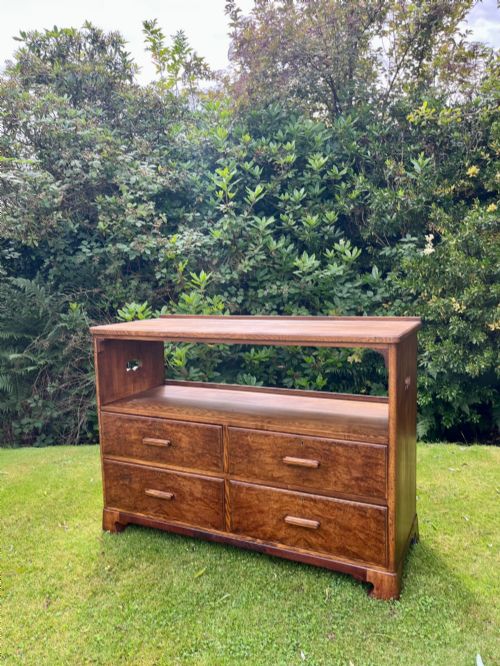
Listings span multiple centuries, from eighteenth-century Georgian oak to 1930s Art Deco elm and birch designs.
Evaluating Quality and Character
Quality rests in the selection of timber and the crispness of carved details, distinguishing simple utility furniture from pieces produced by notable firms. Grain figure in walnut and mahogany or the depth of an original pine patina elevate certain examples.
Proportion and integrity of form separate ordinary items from superior survivals. Well-balanced proportions in breakfront bookcases and untouched regional dresser bases command greater appreciation from collectors.
Maple & Co.·Collinson & Lock·Whytock and Reid
The Vintage Open Sideboard Glossary
- Potboard dresser base
- A sideboard base featuring a lower open shelf designed for storing pots and domestic utensils. This traditional form appears frequently in English and Welsh country kitchens.
- Chiffonier
- A compact sideboard or cabinet featuring shelves above or enclosed storage below, developed during the Georgian and Victorian eras. These pieces served practical display and storage functions in smaller reception spaces.
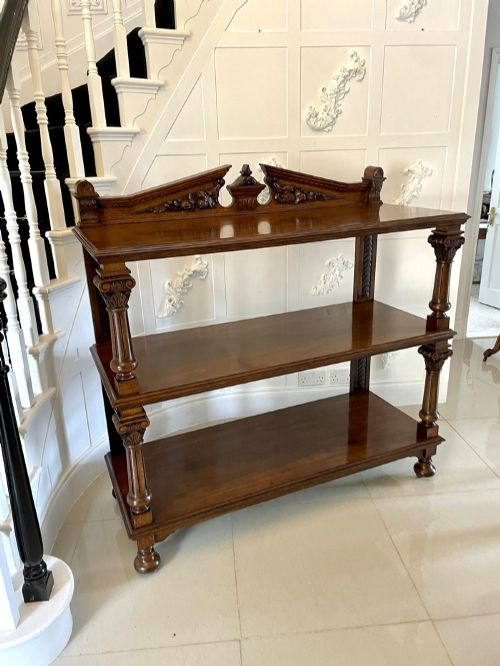
- Dumbwaiter
- A tiered serving piece designed to hold dishes or serving items without the need for attendants during meals. Examples often feature graduated circular or rectangular shelves supported by a central column.
- Breakfront
- A cabinet or bookcase whose central section projects forward from the flanking outer sections. This architectural arrangement creates depth and visual interest in large mahogany and walnut furniture.
Vintage Open Sideboard: Frequently Asked Questions
What is a vintage open sideboard used for?
These pieces provide functional surface space and open display areas for tableware, books, or decorative collections. They serve as practical focal points in dining rooms, kitchens, or living spaces.
Historically, the open shelves allowed everyday ceramics to remain accessible while surface tops held food and serving vessels during busy household routines.
How do I identify an eighteenth-century piece?
Early pieces display hand-cut joinery, pegged framing, and timber surfaces showing deep natural wear developed over centuries of use. Hardware and secondary woods often corroborate the early manufacturing date.
Construction methods remain entirely hand-wrought, lacking the uniform machine marks found in later nineteenth and twentieth-century production.
Are these pieces suitable for modern kitchens?
Pine and oak kitchen dressers adapt naturally to contemporary spaces, offering generous open shelving for crockery and robust lower cupboards for heavy items. Their durable timber construction withstands daily domestic use.
Unpainted and painted regional variants introduce warmth and texture that contrast effectively with streamlined modern interiors.
What is the difference between a dresser and a cabinet?
Dressers typically combine a base storage unit with an upper open rack designed for displaying plates. Side cabinets and bookcases focus primarily on enclosed shelf storage or low display platforms.
Both forms share similar period materials like oak and mahogany but serve different structural roles within historic domestic layouts.