


Vintage Open Arm Chair
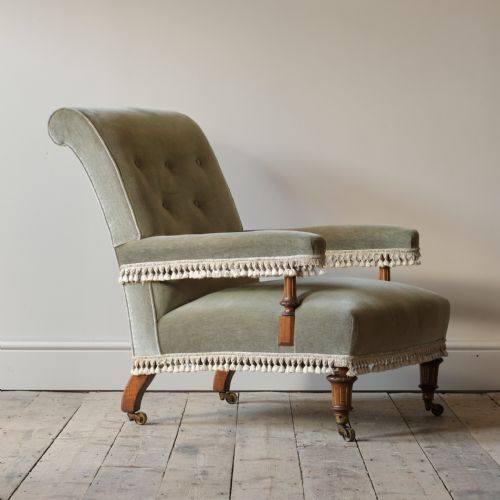
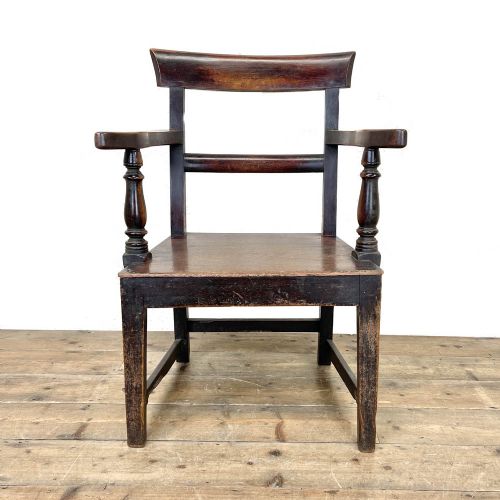
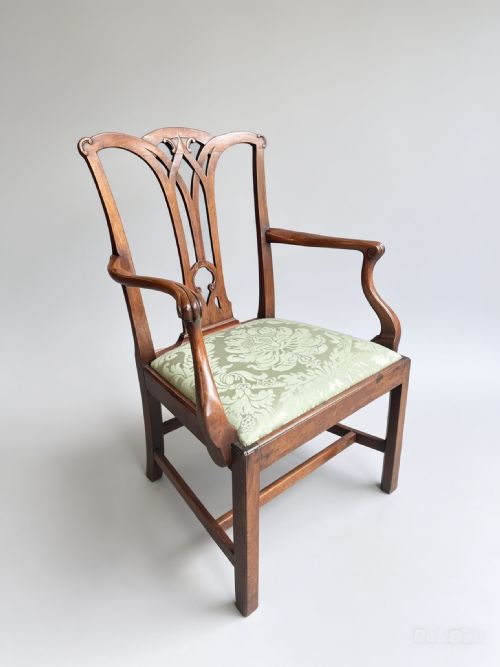
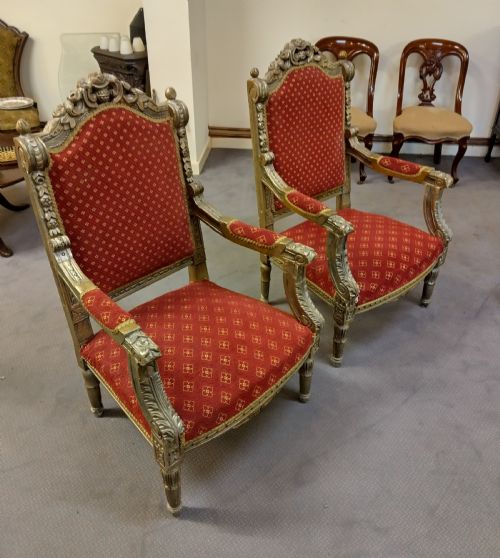
A vintage open arm chair brings structural timber and upholstered comfort together, offering a functional seat with exposed wooden arms.
Vintage Open Arm Chair
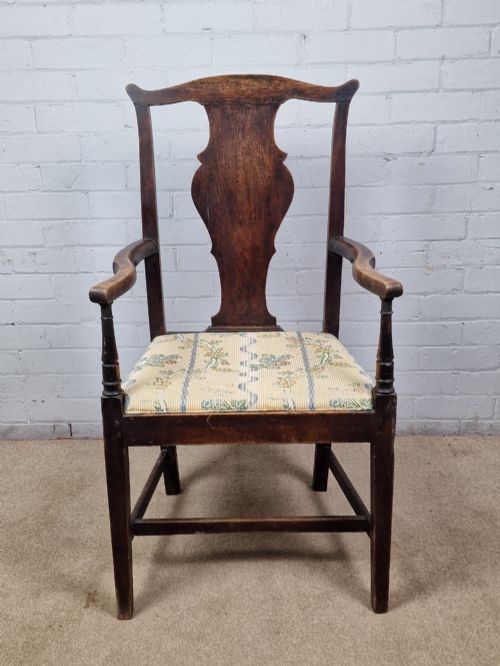
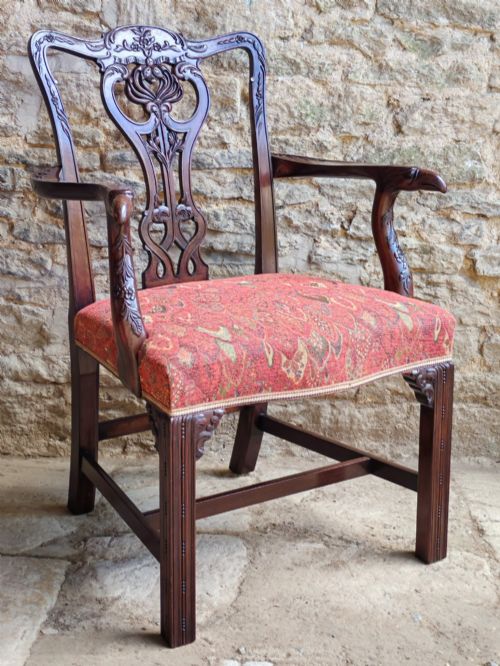
When you search for a vintage open arm chair, you encounter a form defined by exposed wooden armrests and upholstered seats or backs spanning multiple centuries and regions.
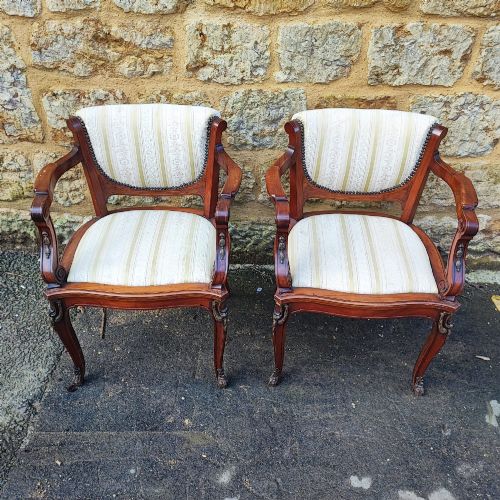
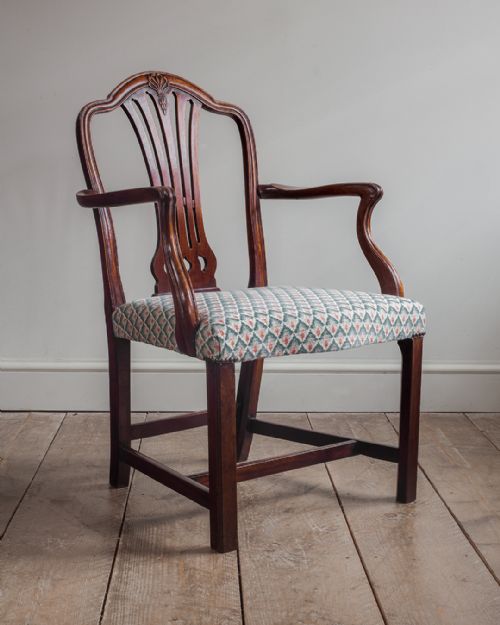
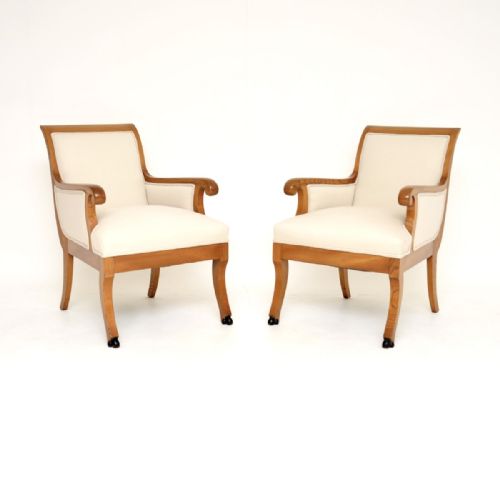
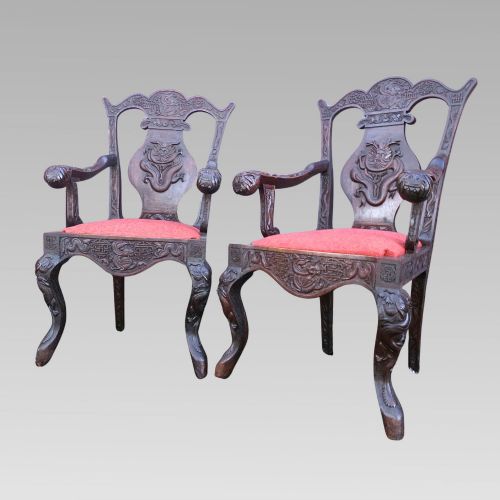
The pieces on this page include formal mahogany drawing room seats, French walnut and oak fauteuils, and Edwardian or Arts and Crafts mahogany elbow chairs.
You also meet chairs originating from the eighteenth through to the twentieth centuries, encompassing styles from Georgian and Regency to Rococo Revival, Art Nouveau, and French Provincial.
How they were made
Carpenters and cabinetmakers constructed the frames of these chairs using hardwoods such as mahogany, walnut, oak, elm, and painted wood, often incorporating detailed carvings into the show frames.
Upholstery techniques applied to these seats utilise fabric, leather, brass detailing, and needlepoint panels secured within or over the wooden structures.
Listings span periods from the 18th century through the 1930s, featuring materials such as mahogany, walnut, oak, elm, brass, leather, and various fabrics.
What varies in quality
The distinction between tiers of these chairs rests on the crispness of the wood carving, the choice of primary timber, and the integrity of the frame construction.
Makers who invested time in balanced proportions and refined joinery produced examples that retain their structural stability and aesthetic balance over generations.
Howard and Sons·Gillows·Liberty of London
The Vintage Open Arm Chair Glossary
- Fauteuil
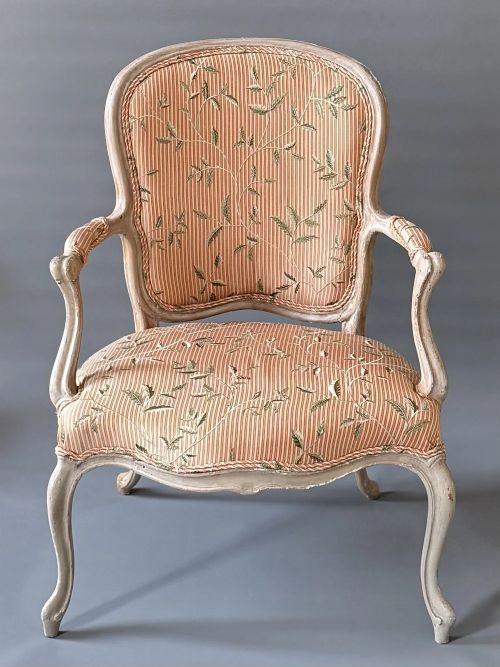
- An open-armed upholstered armchair with an exposed wooden frame originating in France. These seats typically feature padded armrests and carved details.
- Carver chair
- A term used for an armchair, often matching a set of dining chairs. They provide wider seats and armrests for designated placement at the table ends.
- Elbow chair
- An alternative designation for an armchair or seat with low arms. They appear frequently in studies, drawing rooms, and bedrooms.
- Giltwood
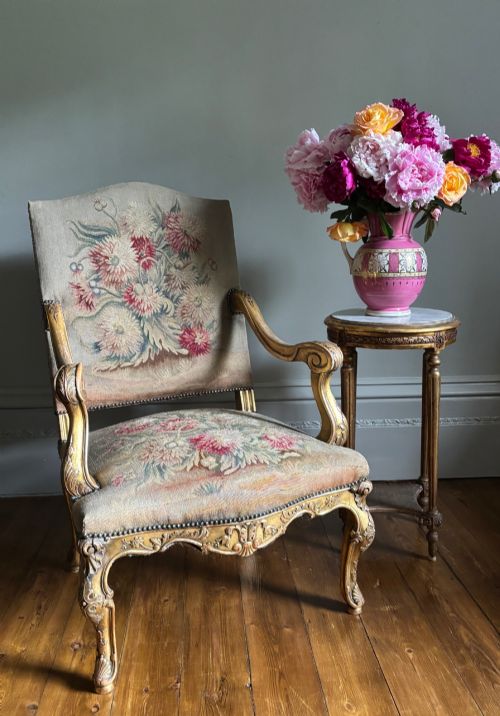
- Wood that has been treated with a thin layer of gold leaf or gilt finish. This technique highlights decorative carvings on formal nineteenth-century frames.
- Needlepoint
- Stitchery worked on canvas used for upholstery panels on seats and backs. These hand-worked textiles frequently survive on nineteenth-century frames.
Vintage Open Arm Chair: Frequently Asked Questions
Where should I place an open arm chair?
These chairs suit drawing rooms, studies, and bedrooms where their exposed wooden frames and upholstered seats can be viewed from multiple angles. They also serve as occasional seating in living spaces.
Pairing them with a desk or placing them beside a reading table allows the open arms to function comfortably during daily use.
How do I identify a French fauteuil?
French fauteuils are characterised by exposed wooden frames in walnut, oak, or painted finishes, accompanied by open upholstered arms. They often display curved cabriole legs or carved floral motifs.
These pieces reflect specific continental periods, ranging from eighteenth-century designs to nineteenth-century revival styles.
What is the difference between an armchair and a carver?
A carver chair is traditionally an armchair designed to accompany a matching set of dining chairs, offering wider proportions for the head of the table. Standard armchairs are built as independent pieces for drawing rooms or libraries.
Both types share the open arm construction that defines this category of seating.
How do I care for antique upholstery and wood?
Maintaining these chairs involves protecting the exposed mahogany, walnut, or oak frames with appropriate wood care while avoiding direct sunlight. Upholstery fabric and leather require gentle cleaning suited to their specific material composition.
Regular inspection of the joints ensures the structural integrity of the frame remains sound over time.